
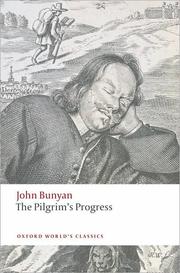
The Pilgrim's Progress
2,988-word summary 13 min read 400 pages in the book
- First published
- 1678
- Publisher
- Oxford University Press
- Pages
- 400
- ISBN
- 9780199538133
Reading options
What's inside (7 sections)
I picked up The Pilgrim's Progress expecting homework. A very old book by a jailed preacher, the kind of thing people praise and nobody reads. Then I started it and was surprised by how fast it moves. John Bunyan published the first part in London in 1678 through Nathaniel Ponder, while the shadow of prison was still on him. He had spent years in Bedford jail for preaching without a license, working as a tinker by trade and as an unlicensed Baptist preacher by calling. The summary here follows the Oxford World's Classics paperback from Oxford University Press, 400 pages, ISBN 9780199538133, edited with notes by W. R. Owens. The prose is plain on purpose. Short words. Short steps. One strange place after another.
The setup is famous because it works. A man called Christian lives in the City of Destruction with his wife and children. He reads a book, which we understand to be the Bible, and becomes convinced his city will burn. A burden grows on his back, heavy and ugly, and he starts crying out in the street and in his sleep. His family thinks he is sick in the head. His neighbors laugh or grow angry. One neighbor named Obstinate tells him to come back to his senses. Another named Pliable goes with him a little way, just to see. A kind figure called Evangelist points him toward a small wicket gate in the distance and tells him to run for it and not look back. So Christian stops his ears to the shouting behind him and runs.
He does not get far before the road teaches its first lesson. There is a bog called the Slough of Despond sitting right in the middle of the way, full of the fears and doubts that settle on a guilty conscience. Christian and Pliable both fall in. Pliable scrambles out on the side nearest home and goes back, done with religion. Christian sinks because of the burden, then a man named Help pulls him out on the far side and sets him going again. I love this scene because Bunyan refuses to flatter the reader. The low point comes almost at once. Help even explains that the King has ordered stones and timber thrown into the bog for years to mend it, but it still swallows people. Some ground stays soft.
Then Bunyan gives us the false rescue, which felt painfully true to me. A respectable man called Mr. Worldly Wiseman meets Christian and tells him he is taking religion too hard. Forget the wicket gate, he says. Go to a village called Morality and see a lawyer named Legality, who will lift the burden with good behavior and civility. Christian turns aside. The hill over Legality house hangs like a threat and flashes fire. His burden grows heavier instead of lighter. Evangelist finds him there, red faced, and rebukes him hard. No one can be cured by rule keeping when the sickness is guilt. Christian apologizes and gets back on the true road, trembling. It is a short detour but it sets the pattern. Whenever Christian listens to advice that sounds sensible and safe, he ends up stuck.
The cross and the hard hills
At the wicket gate a keeper named Goodwill takes his name and pulls him in quickly, because the Devil shoots arrows at late arrivals. Then comes the road to the cross, and this is the passage people remember for centuries. Christian climbs with the burden cutting into him. He reaches a cross on a hill and the burden simply falls off. It rolls down into an open grave and disappears. Three shining figures greet him, forgive him, dress him in new clothes, hand him a sealed scroll for admission at the far end, and send him on lighter than air. After all that mud and scolding, the relief lands. Bunyan does not explain the mechanics. He just shows a man suddenly able to walk upright.
Freedom does not mean ease. That is the joke and the warning of the whole middle of the book. Christian naps in a shady arbor and loses his scroll, then has to walk back in sorrow to find it. He meets three silly sleepers named Simple, Sloth, and Presumption chained in the sun, and they will not wake. Two men named Formalist and Hypocrisy tumble over the wall instead of entering by the gate and lecture him about shortcuts. Then the road splits around a steep rise called the Hill Difficulty. The straight path goes up over it. Two easier paths called Danger and Destruction curl away into woods. Christian drinks from a spring at the bottom, climbs on hands and knees through the middle of the hill while others shout, and reaches the top sweating.
On the far side stands the House Beautiful, a palace kept by watchful young women with names like Discretion, Prudence, Piety, and Charity. Lions guard the path and frighten him, though they are chained. Inside he eats, sleeps in a chamber called Peace, studies old records of pilgrims, and is shown strange sights by the household. They fit him with armor before the next valley because they know what waits. Down below, in the Valley of Humiliation, a foul fiend named Apollyon straddles the path and claims Christian as a deserter. They fight for half a day with words first and then with swords. Apollyon wounds him and nearly finishes him. Christian drives his sword forward at the last moment and the fiend spreads his dragon wings and flies off. Christian sits bleeding and laughs a little from relief, then goes on with bandages from leaves of the tree of life.
The next valley is worse in a different way. The Valley of the Shadow of Death is dark, full of ditches and snares, with hobgoblins and dragons moving at the edges and a deep ditch on one side and a quagmire on the other. Christian hears voices ahead and learns a friend named Faithful passed through just before him. He keeps his sword drawn and his mouth busy with prayer, and morning comes. Two giants named Pope and Pagan sit at the mouth of the valley, toothless now, who once ground pilgrims with cruelty. Old terrors can still growl even after they lose their teeth. That line of thought stayed with me. Bunyan knew persecution from the inside and wrote fear as weather you walk through, not as an idea.
Vanity Fair and the price of staying honest
Faithful catches up and the book warms for a while, because now Christian has company. Faithful tells his own story. He dodged the same Slough, refused the same Mr. Worldly Wiseman, met a chatterbox named Talkative who could discuss religion for hours but lived badly at home, and left him behind. The two friends argue happily about doctrine, encourage each other, and agree that Talkative is all mouth. A third man named Evangelist meets them and warns them plainly. Ahead lies a town called Vanity Fair, built for trade in honors, titles, lands, pleasures, and souls. Everyone passing through must either fight the fair or make friends with it.
The fair is the most alive part of the book. It runs all year. Stalls sell everything. The pilgrims walk through in their plain pilgrim clothes, fingers in their ears when the hawkers shout, and answer that they will buy only the truth. The town beats them, covers them with dirt, locks them in a cage for a show, and drags them before a judge named Lord Hategood. The trial is a grim comedy. Witnesses swear Faithful is an enemy of trade and custom. The jury, with names that show their trade in malice, finds him guilty. They whip him, stone him, stab him, and burn him at the stake. He dies bravely and rides straight to the gate in a chariot. Christian escapes in the confusion and goes on alone, which feels awful after their friendship.
He does not stay alone. A townsman named Hopeful, who watched Faithful die and saw something worth following, joins him. Their talk makes the next miles pass quickly. They meet people who test their judgment. A smooth group called By-ends explains how to hold religion and profit together, trimming here and yielding there to keep friends and money. Christian and Hopeful answer firmly and leave them. A man points them toward a hill full of silver where a figure named Demas invites them to dig. Hopeful nearly goes. Christian reminds him what happened to others who stooped for that shine, and they keep walking with effort. Bunyan is blunt here. The danger after surviving open hatred is quiet compromise. Flattery and easy money undo more pilgrims than lions do.
This stretch also holds the drowsy places that slow travelers down. There is an arbor where rest turns into sleep, and meadows that look softer than the road. Bunyan keeps showing rest as necessary and sleep as risky. I found that distinction useful even outside religion. The book allows food, friendship, singing, and fine views from high ground. It distrusts the moment you stop watching where your feet are.
Doubting Castle and the high meadows
The worst prison in the book is built by the pilgrims themselves, one careless step at a time. Christian and Hopeful leave the hard road for what looks like a pleasant green lane called By-path Meadow, following a man who claims it runs parallel to the true way. Night falls. Rain pours. They sleep rough. In the morning they are lost on the grounds of Doubting Castle, where a cruel master named Giant Despair lives with his wife Diffidence. The giant finds them, beats them, locks them in a dark dungeon from Wednesday morning till Saturday night, and advises them to kill themselves to save trouble. His wife urges him to cripple them further.
This episode frightened me more than Apollyon. The enemy here is not fire from the sky but the voice inside that says you have gone too far to go back. The men pray. They remember, late and with shame, that Christian carries a key called Promise in his pocket, cut to open every lock in the castle. The key turns. The doors groan open. They escape across the grounds while the giant has a fit and cannot follow. They set up a pillar with a warning to other travelers and return to the true road by climbing over a stile with difficulty. Bunyan knew low spirits. He gives despair a large body and a small remedy. A remembered promise, used.
After that the air changes. They climb into the Delectable Mountains, kept by shepherds with plain names like Knowledge, Experience, Watchful, and Sincere. The shepherds feed them, show them sights from a high hill, warn them about side paths that killed others, and point toward the gate glittering in the distance. They see the Celestial City from far off and want to run. The shepherds tell them to sleep before the last stage and to beware a man called the Flatterer and a drowsy place called the Enchanted Ground. Hopeful nearly sleeps in that ground and Christian keeps him awake with talk and singing. They meet a brisk ignorant youth named Ignorance, who travels alone and assumes the gate will open because he has lived a decent life. He will not listen. They also meet a bruised pilgrim named Little-Faith who was robbed and beaten but kept his jewels and his papers. Weak faith still arrives, Bunyan says. It just arrives poorer and sadder.
The river and the city, then Christiana follows
At the end of the road there is no bridge. There is a deep river called Death, without a bridge, and every pilgrim must wade through. The depth changes with faith and with the season. Christian sinks in the mud of his own fears, cries out that he is drowning, and needs Hopeful to hold his head up and remind him of the gate on the other side. Hopeful walks through almost dry, talking cheerfully about angels waiting. On the far bank, shining ones lift Christian out, strip off his wet grave clothes, and lead both men up to a city of gold and pearl with bells and trumpets. The King welcomes them. Ignorance arrives later by boat, helped over the river by a ferryman called Vain-hope, offers no certificate, and is carried by force to the door of hell in sight of heaven. It is a harsh ending to Part One, meant to warn readers who trust manners instead of mercy.
Bunyan wrote a second part in 1684, and modern editions print both together. It follows Christian wife Christiana and her children, plus a kind neighbor named Mercy, on the same road years later. I am glad the task for this summary asks for Part Two briefly, because it deserves mention without taking over. Christiana starts with fear and guilt for how she treated her husband, dreams of him in glory, and sets out with her children. She finds the Slough mended in places, passes the wicket gate with more comfort, and gains a sturdy guide named Great-heart who stays with the group through much of the way.
Part Two repeats the map with softer company. The group grows. Mr. Fearing, who shook at every noise and thought the gate would shut on him, crosses the river at last with unusual peace. Mr. Feeble-mind and Mr. Ready-to-halt, one weak in spirit and one lame in body, lean on each other and finish well. Women and children ask blunt questions and get patient answers. Great-heart kills old giants, including Despair and another called Grim, and frees more prisoners. Vanity Fair has changed somewhat and treats them less cruelly. The Delectable Mountains welcome them again. One by one they cross the river, each with last words suited to a long life. Christiana herself goes over with praise. Mercy follows. It reads like Bunyan answering readers who loved the first dream but wanted more room for timid people, older people, and families. The allegory loosens a little. The meals last longer. The jokes are gentler.
What holds up and what drags
What holds up first is the plainness. Bunyan had little schooling and a tin worker ear for how people actually speak. The sentences are short. The images are solid things you can touch. A burden. A bog. A key. A cage. A fair. A castle. A river. When he wants to show guilt, he does not analyze it. He puts weight on a back. When he wants to show help, he sends a person with hands. That concreteness is why the book traveled so far, carried by missionaries and mothers and soldiers, printed in more languages than almost any English book except the Bible. Readers who know nothing about Stuart England still know what mud feels like.
The design holds too. Each place tests one fault. The Slough tests early shame. The cross answers guilt. The hill tests effort. The valleys test fear. The fair tests money and applause. The castle tests low spirits after failure. The mountains reward patience. The river tests final trust. You can argue with the theology and still admire the map. It gives shape to the feeling that growing up in faith, or in any serious commitment, happens in stages and that each stage has its own weather.
The honest criticism belongs here as well. The same fixed method that makes the book clear can make it stiff. People arrive labeled by their fault and rarely surprise you. Talkative talks. By-ends bends. Ignorance ignores. After a while you can guess the ending of an encounter from the name at the top of it. The middle sags with long doctrinal talks that read like sermons cut into dialogue. Modern readers may tire when Christian and Hopeful spend pages correcting other travelers instead of moving. Women in Part One are mostly left behind or blamed, and Christiana only gets full attention in Part Two. The harsh fate of Ignorance and the cold comfort given to Little-Faith will put off readers who want mercy to stretch wider. Bunyan wrote from a persecuted minority that prized firm lines. He draws them firmly.
There is also the matter of fear. The book runs on terror of judgment in a way that can feel heavy if you did not grow up with it. Apollyon, the burning hill over Legality, the trial, the giant, the river, the door of hell opening in sight of heaven. Page after page asks whether you are truly in or only almost in. Some readers will find that searching and honest. Others will find it cruel, especially toward anxious people like Mr. Fearing, who suffers most of the way and only rests at the end. I kept thinking of friends who would close the book at Doubting Castle because they live there already and need no tour guide.
So who should read it now. Anyone curious about where the English novel learned to walk should try it, since novelists from Defoe to Dickens to Lewis read Bunyan early and borrowed his road. Anyone interested in Puritan faith under Charles the Second will learn more from one night with Christian than from many summaries. Church reading groups still use it well, a stage at a time, with tea and argument. It is not for readers who want inward psychology in the modern sense, or moral puzzles with no answer, or irony about belief. Bunyan believes. He tells you so on every page. If you can accept a guide who believes, you will get a strange, sturdy, sometimes funny walk from destruction to the shining gate, and a second, kinder walk behind it with Christiana and her friends.
FAQ
When was The Pilgrim's Progress published and which edition does this summary follow?
John Bunyan published the first part in London in 1678 through Nathaniel Ponder, with the second part about Christiana following in 1684. This summary follows the Oxford World's Classics paperback from Oxford University Press, 400 pages, ISBN 9780199538133.
Is The Pilgrim's Progress part of a series?
No. It stands alone in two parts. Part One follows Christian to the Celestial City and Part Two follows his wife Christiana and her company over the same road with the guide Great-heart.
Is the book only for Christian readers?
No, though it is a Puritan allegory written from prison era faith. Readers interested in English literature, the history of the novel, or plain allegorical storytelling still read it for its road, its characters, and its direct prose.
Similar books

Ivanhoe
A disinherited Saxon knight, a great tournament, a besieged castle and a trial by combat. Scott's most famous novel, set in England in 1194.
2,834-word summary · 13 min read
Out of the Silent Planet
A Cambridge philologist is kidnapped and taken to Mars, where the natives are civilized and the humans are the dangerous invaders.
2,612-word summary · 12 min read
The Sword of Shannara
A young half-Elf and a company of companions set out to recover a magic sword before the Warlock Lord destroys the Four Lands.
2,474-word summary · 11 min read
The Last of the Mohicans
During the French and Indian War, Hawkeye and two Mohican warriors try to save two British sisters from a Huron chief whose revenge will end the Mohican line.
2,017-word summary · 9 min read
The Borrowers
A family of tiny people live under the floorboards of an English house, borrowing what they need until a lonely boy and a suspicious housekeeper change…
2,164-word summary · 10 min read
A Connecticut Yankee in King Arthur's Court
Hank Morgan, a Connecticut factory man, wakes in King Arthur's England, rises to chief adviser, and rebuilds the kingdom until his own inventions turn on him.
2,193-word summary · 10 min read
The Swiss Family Robinson
Shipwrecked Robinsons build treehouses and tame island beasts.
2,400-word summary · 11 min read
The Once and Future King
T.H. White retells Arthur from boyhood with Merlyn to Camelot's fall, mixing comedy, myth, and a hard look at war and power.
2,200-word summary · 10 min read
The Last Unicorn
A unicorn learns she may be the last of her kind and sets out to find the others, with a failed magician and a tired woman at her side.
2,245-word summary · 10 min read
Charlie and the Great Glass Elevator
Charlie and Wonka overshoot Earth in the glass elevator, meet alien Knids, then risk age pills and Minusland.
2,514-word summary · 11 min read
The Prince and the Pauper
Tom Canty and Prince Edward swap clothes in Tudor London and live each other's lives, from palace dinners to prison cells, until a hidden seal decides the…
2,979-word summary · 13 min read
The Tombs of Atuan
Priestess Arha guards dark Tombs until wizard Ged comes to steal back ring.
2,043-word summary · 9 min read
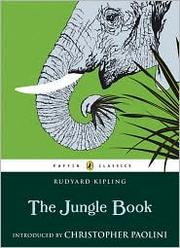
The Jungle Book
Mowgli, raised by wolves in the Seeonee Hills, learns the Law from Baloo and Bagheera while Shere Khan circles. Kipling's 1894 story collection.
2,799-word summary · 12 min read

The Island of Doctor Moreau
Shipwrecked Prendick finds Doctor Moreau shaping beasts into men by pain on lost island.
2,137-word summary · 9 min read
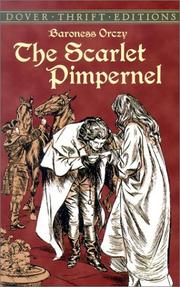
The Scarlet Pimpernel
A foppish baronet rescues aristocrats from the guillotine while his French wife hunts the hero she scorns.
2,980-word summary · 13 min read
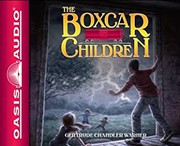
The Boxcar Children
Four Alden orphans run from a bakery, settle in an old boxcar in the woods, and learn to live on work, berries, and each other.
2,892-word summary · 13 min read
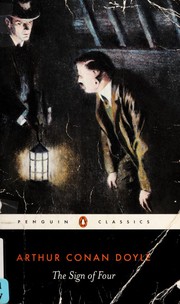
The Sign of Four
Mary Morstan's pearls lead Holmes and Watson from foggy London to Agra treasure and a Thames chase.
2,114-word summary · 9 min read
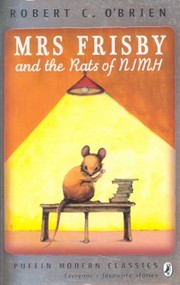
Mrs. Frisby and the Rats of NIMH
A widowed mouse races the spring plow to save her sick son Timothy, and finds help from the intelligent rats of NIMH hiding under the rosebush.
3,159-word summary · 14 min read
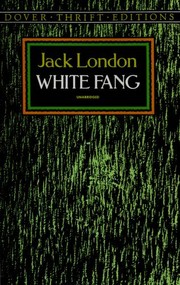
White Fang
A wild wolfdog grows through hunger and cruelty toward a hard earned trust in one patient man.
2,540-word summary · 11 min read
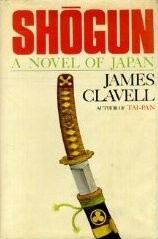
Shogun
An English pilot wrecked in 1600 Japan becomes a pawn in Lord Toranaga's patient bid for power, and slowly becomes Japanese himself.
2,251-word summary · 10 min read
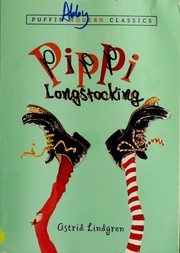
Pippi Longstocking
A super-strong nine-year-old lives alone in Villa Villekulla, upending school, circus and town rules with neighbors Tommy and Annika.
3,115-word summary · 14 min read
Lonesome Dove
Two retired Texas Rangers drive cattle from Texas to Montana in a harsh and tender western epic.
2,410-word summary · 11 min read
The Neverending Story
Bastian steals a book about Fantastica dying and learns he must name and wish to save it.
1,941-word summary · 9 min read
Journey to the Center of the Earth
A professor, his nephew, and a guide climb into an Icelandic volcano to reach the center of the earth.
1,902-word summary · 8 min read
From the Mixed-Up Files of Mrs. Basil E. Frankweiler
Claudia and Jamie run away to the Met, chase whether a 225 dollar Angel is a Michelangelo, and trade secrets with Mrs. Frankweiler.
2,774-word summary · 12 min read
Twenty Thousand Leagues Under the Sea
A monster hunt finds Nemo submarine, and three captives tour seas they cannot leave.
2,022-word summary · 9 min read
Around the World in Eighty Days
Fogg bets half his fortune to circle the globe in eighty days with one bag and a valet.
1,995-word summary · 9 min read
The War of the Worlds
A Surrey writer watches Martians land in cylinders, march on London in tripods, and fall to Earth's smallest life.
2,667-word summary · 12 min read
The Silver Chair
Eustace and Jill retold: four signs, a lost prince, Puddleglum the Marsh-wiggle, giants at Harfang, and the Lady below.
2,940-word summary · 13 min read
The Phantom Tollbooth
A bored boy drives a toy car through a magic tollbooth into the Kingdom of Wisdom and learns to care about words, numbers and time.
2,765-word summary · 12 min read