
Reading options
What's inside (8 sections)
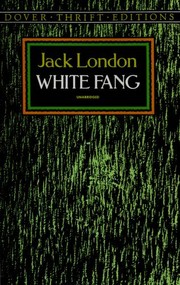
I picked up White Fang because I had read The Call of the Wild as a kid and remembered it as a dog adventure with snow and teeth. A friend told me this one runs the other way. Instead of a pet going wild, a wild thing learns to live with people. That flip hooked me. The copy I read was the Dover Thrift text, 152 pages, of a book first published in 1906 by Macmillan. It reads fast, but it left me thinking for days about how much of behavior is hunger and fear, and how much is habit and kindness.
The opening surprised me. It does not start with a cute cub. It starts with cold and hunger. Two men, Henry and Bill, are hauling a coffin on a sled through the far north with a small team of dogs. Food runs short. Something follows them in the dark. A she wolf, lean and reddish, keeps appearing near the camp. She is not quite wolf. She has dog in her, and she knows how to lure the sled dogs out one by one. The men lose dogs night after night. They fire shots, build fires, shout, and still the circle tightens. One of the men does not make it out. The section feels harsh and slow in a good way, all white silence and black spruce and the sound of jaws in the dark.
I almost put the book down here because it feels so bleak. No hero yet. Just frost on beards, short tempers, and animals doing what they must to eat. But that bleakness sets the rules. London wants you to feel what the north costs before he shows you a creature who grows up inside it.
The she wolf and the cub
After the men and the coffin fade from the story, London stays with the wolves. The she wolf, whose name we later learn is Kiche, pairs with an older one eyed male. They hunt together through a winter when rabbits are scarce and even squirrels vanish. They den in a bank of earth when spring comes. Kiche bears cubs. Most do not live. One gray cub, restless and hungry, does.
Much of this middle stretch is told close to the cub. He learns the world by bumping into it. The den wall is hard. Light hurts. Meat tastes good. His father brings food when he can. Then his father does not come back. A lynx finds the den while the mother is out, and there is a long fight in the dark earth that the cub barely grasps. Kiche returns torn and thin, and from then on it is just the two of them.
What I liked here is how little London explains. He does not give the cub human thoughts. He gives him urges. Stay close. Do not stray past the mouth of the cave. Bite back when bitten. The cub touches a porcupine and learns pain in his nose and tongue. He stalks a weasel and learns that small things fight hard. He watches his mother take down a ptarmigan and learns that hunger ends when you hold on.
The law he learns is simple: eat or be eaten, and the strong decide which.
Then men enter again. A camp of Indians finds Kiche near the river. One man, Gray Beaver, looks hard at her and knows her. She is his dead brother's runaway dog, part dog after all, marked on her face. He ties her with a stick. The gray cub snarls and bites and is cuffed and dragged along. For the first time he feels a hand and a rope. For the first time he hears laughter around fires. He does not like it. He does not leave either, because his mother stays.
Gray Beaver and the village
Life in Gray Beaver's camp is White Fang's first school in living with people. London calls the cub White Fang now for his white teeth and pale gray coat, and the name sticks. The camp is busy and rough. Children throw stones. Dogs rush any newcomer. An older puppy named Lip lip singles White Fang out and bullies him daily, snapping at food and ambushing him from behind houses. White Fang learns to keep his distance, to circle wide, to sleep with one eye open. He learns to steal meat quietly and to run to Gray Beaver's legs when the pack closes in.
Gray Beaver is not cruel for sport, but he is hard. He beats White Fang to teach obedience. He ties him, trades him for work, puts him in sled straps young. White Fang learns to pull a sled, to follow a lead dog, to fight for scraps without wasting strength. He grows lean and quick. He trusts no dog and barely trusts men, except in the way a beaten animal trusts the hand that feeds. Food comes from Gray Beaver, so Gray Beaver is to be obeyed.
There is a scene I kept rereading where White Fang is left alone to guard a camp while Gray Beaver is away trading. He does it with a kind of grim pride. He drives off other dogs, guards the goods, waits without food. When Gray Beaver returns, there is no petting, just a grunt and a bit of dried fish. London lets that stand without comment. Some readers will see loyalty forming. Others will see a creature being shaped into a tool. I saw both at once, which made me uneasy in a useful way.
Money and drink break this bond. Gray Beaver, who had been steady, takes to whiskey when white traders come through. He owes debts. A sour man named Beauty Smith watches White Fang with greedy eyes. Beauty Smith keeps and fights dogs for sport and cash. He flatters Gray Beaver, pours more drink, and buys White Fang for bottles and coin. Kiche is already gone by then, traded or lost in the shuffle of camp life, and White Fang goes to his new owner without a backward look from anyone.
This transfer is where the book turns dark. If the first half was wild hunger, the second half is human cruelty laid over it.
Beauty Smith and the pit
Beauty Smith is one of those villains who feels real because he is small. He is not grand. He is thin, twitchy, scared of the animal he owns, and he hides that fear by being vicious. He keeps White Fang chained in a pen, pokes him with sticks, starves him into rage, and then throws him into fights with other dogs while men bet around the circle.
London does not linger on gore for its own sake, but he does not look away either. White Fang learns to kill quickly. He learns to dodge a rush, to slash a throat, to shake and hold. He beats one dog, then another. The men cheer. Beauty Smith collects coins and laughs too loud. White Fang grows to hate the touch of hands because hands now mean jeers and pain.
The worst fight is with a bulldog named Cherokee who will not let go. Cherokee clamps on White Fang's throat and chest and hangs on while White Fang thrashes and tears. Both animals tire. The crowd presses close. White Fang, used to making quick kills on softer dogs, cannot shake this low, heavy fighter. He starts to fail. His legs wobble. His breath shortens. Beauty Smith kicks him and curses him for losing.
That is when Weedon Scott steps in. Scott is a young mining man from the south, decent and appalled, and he does what I wished someone would do fifty pages earlier. He stops the fight, pulls the dogs apart with help, and claims White Fang by force and payment. Beauty Smith blusters and threatens, then takes the money and slinks off. For the first time White Fang belongs to a man who does not want to use him for show.
I found this stretch hard to read in places. Not because it is graphic beyond bearing, but because London makes the logic plain. A brave animal, raised by hunger and beatings, will fight because that is all he has been allowed to be. Blaming the dog would miss the point. The men built the pit.
Learning to be touched
The taming by Weedon Scott takes up a large part of the book, and it moves slowly on purpose. White Fang arrives at Scott's cabin half dead, bandaged, snarling at any step. Scott feeds him from a distance. He talks low. He waits. When White Fang growls, Scott does not strike. He holds still. Day after day he puts meat closer, then in an open hand, then with a hand resting near the dish.
London tracks small wins. White Fang takes food without snapping. He allows a brief touch on the head before flinching away. He learns the sound of Scott's step apart from other men's steps. A dog named Matt, who works for Scott, helps by staying calm and not pressing. Slowly White Fang begins to follow Scott around camp, to sleep near the door, to lift his head when Scott speaks.
Kindness here is not magic. It is repetition plus food plus no beatings.
There is a setback I thought was honest. Scott goes away for a time, and White Fang, left with others, slides back toward suspicion. He snaps. He guards too hard. When Scott returns, the work must start again, though faster the second time. That rang true to me. Trust built over weeks can thin in days, in dogs and in people.
The test comes when Scott tries to ride away and leave White Fang behind. White Fang breaks loose, follows through woods, appears at the steamer landing, bloody footed and panting. Scott laughs and weeps at once and takes him aboard. From that point White Fang is Scott's dog in full, not by chain but by choice. He will still bite strangers. He will still bristle at sudden moves. But he will place his head in Scott's hands and hold still for petting, which for him is a large surrender.
I should note London's limits here. Scott is almost too patient, too good. The other miners joke about the vicious wolf dog turning soft, and London uses them for light relief. It works, but it smooths over how long such change would take and how often it would fail. Still, after the pit chapters, I was glad to sit in this calmer air for a while.
California and Jim Hall
The last part moves south to California, to Scott's family ranch with green fields, horses, chickens, and a sheepdog named Collie who nips White Fang's heels on sight. White Fang, who faced wolves and fighting dogs, is baffled by this noisy farm dog and by rules that make no sense. Do not chase chickens. Do not frighten horses. Sleep in the stable, not in the house, until you learn better.
London has fun with these culture clashes. White Fang learns to tolerate Collie, then to respect her, then to run with her in a stiff, awkward courtship that ends with pups. He learns the judge, Scott's father, who speaks firmly and expects order. He learns the children, who at first fear him and then ride him like a pony. He learns that meat arrives without work and that no one kicks him for lying in sun.
It would be easy for the book to end as a soft farm tale. London refuses. An escaped convict named Jim Hall, sentenced hard after a trial that felt fixed to him, hates the judge who sentenced him and comes to the ranch for revenge. He enters the house at night with a gun. White Fang, sleeping half awake as always, meets him in the hall. The fight is short and terrible. White Fang takes bullets and still holds on, tearing arm and throat, keeping Hall down until the family wakes. He is found nearly dead on the floor, one leg broken, ribs cracked, bleeding out.
Scott and a vet work over him through the night. The family waits. Collie paces. For pages London withholds the outcome, and I felt my chest tighten in a way I had not expected from a book about an animal I met as a snarling cub. White Fang lives, lame and scarred. He limps into the sun in the final pages, lies near his pups, blinks at the light, and breathes. London calls him blessed in his way, though he avoids preaching. The wild has not left him. It sits beside the tame now, both present.
My fair criticism sits here. The Jim Hall episode ties things too neatly. A hated criminal appears, the dog proves his worth, the family accepts him forever. It plays like a stage trick after so much patient detail. Also, London's view of Indians and of mixed blood dogs carries the prejudices of 1906. Gray Beaver is drawn with some respect for skill, but also as easily swayed by drink in a way that flattens him. Modern readers will notice, and should.
Still, the arc holds. A cub born to hunger learns men, is ruined by one man, is remade by another, and earns a peace that costs him blood. The California sun does not erase the north. White Fang still starts at sudden hands. He still shows teeth when cornered. He has learned that some hands feed without hitting. For him that is enough to build a life on.
Why it stays with me
Rereading notes, I keep coming back to how London flips his own formula. Buck in The Call of the Wild leaves comfort for the woods and grows stronger. White Fang leaves the woods for comfort and grows stranger and softer, but not weak. Both books prize toughness. This one also prizes patience. Scott's slow work with meat and quiet voice is the moral center, not any fight.
If you read it, give the early wolf chapters time. They feel remote at first, all hunger and snow. They pay off later when White Fang flinches at a raised hand and you know exactly where that flinch was made. And if fighting scenes trouble you, know they are central for about fifty pages and then ease. The book is often shelved for young readers, and I would steer younger kids to the Scott chapters and the farm chapters and summarize the pit fights rather than reading them straight through.
What remains for me is the image of a gray animal learning to rest his head in a man's hands. After everything, that small act feels larger than any race or battle. London wrote it in 1906 for a public hungry for northland tales, and Macmillan sold it wide. More than a century later, in a short Dover text you can finish in a weekend, it still asks a plain question. When a creature has learned to expect harm, what does it take to teach him otherwise. The book answers with time, food, and refusal to strike back. I find that answer both modest and hard to argue with.
FAQ
When was White Fang published?
It was first published in 1906 by Macmillan. The summary follows the 152-page Dover Thrift text and keeps its facts aligned.
Who owns White Fang in order?
Gray Beaver takes him from the wild, then sells him to Beauty Smith for drink and coin. Weedon Scott stops a pit fight, pays for him, and slowly tames him.
Is White Fang suitable for young readers?
The pit fights run central for about fifty pages and are blunt about cruelty. Younger kids do better with the Scott taming chapters and the California farm chapters summarized.
Similar books
The Call of the Wild
Stolen pet Buck learns club and fang on the Klondike trail from Perrault to Thornton and the wolves.
2,489-word summary · 11 min read
The War of the Worlds
A Surrey writer watches Martians land in cylinders, march on London in tripods, and fall to Earth's smallest life.
2,667-word summary · 12 min read
Robinson Crusoe
Shipwrecked near South America, Crusoe spends 28 years farming, building, praying, and facing who he becomes alone.
2,520-word summary · 11 min read
Island of the Blue Dolphins
Left alone on San Nicolas Island for eighteen years, Karana builds shelter, faces wild dogs, and finds company with Rontu.
2,559-word summary · 11 min read

The Long Winter
Dakota Territory, 1880: seven months of blizzards cut a town off from the railroad, and a family survives on twisted hay, ground wheat, and a dangerous wheat…
2,210-word summary · 10 min read
The Icebound Land
Captured and enslaved in Skandia, Will fights a drug that erases him while Halt and Horace cut a bloody road through Gallica to bring him home.
2,088-word summary · 9 min read
The Beach
A young backpacker follows a dead man's map to a hidden island community, then discovers what the people there are willing to do to keep it secret.
2,067-word summary · 9 min read
The Valley of Horses
Exiled from the Clan, Ayla survives alone in a hidden valley, tames a horse and a cave lion, and nurses a wounded stranger back to life.
2,311-word summary · 10 min read
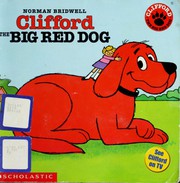
Clifford the Big Red Dog
Emily Elizabeth picks the smallest puppy in the litter, loves him as hard as she can, and wakes up to a dog the size of a house.
2,092-word summary · 9 min read
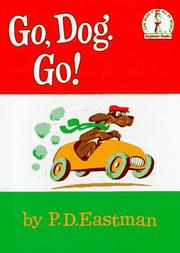
Go, Dog. Go!
Dogs drive, work, play, and climb a tree for a party in this Beginner Book built on repetition, opposites, and one very unpopular hat.
2,196-word summary · 10 min read

Ivanhoe
A disinherited Saxon knight, a great tournament, a besieged castle and a trial by combat. Scott's most famous novel, set in England in 1194.
2,834-word summary · 13 min read
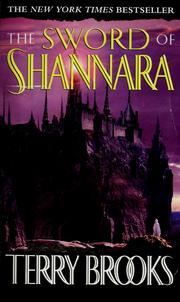
The Sword of Shannara
A young half-Elf and a company of companions set out to recover a magic sword before the Warlock Lord destroys the Four Lands.
2,474-word summary · 11 min read
The Last of the Mohicans
During the French and Indian War, Hawkeye and two Mohican warriors try to save two British sisters from a Huron chief whose revenge will end the Mohican line.
2,017-word summary · 9 min read
The Borrowers
A family of tiny people live under the floorboards of an English house, borrowing what they need until a lonely boy and a suspicious housekeeper change…
2,164-word summary · 10 min read
Out of the Silent Planet
A Cambridge philologist is kidnapped and taken to Mars, where the natives are civilized and the humans are the dangerous invaders.
2,612-word summary · 12 min read
Old Yeller
Travis Coates takes in a stray yellow dog that protects his family on the Texas frontier, and learns about loyalty and loss.
2,165-word summary · 10 min read
The Complete Poems of Emily Dickinson
Thomas H. Johnson's one-volume edition gathers all 1,775 of Emily Dickinson's poems in their restored texts, the standard reading edition since 1960.
2,191-word summary · 10 min read

Never Fade
Ruby, now a leader in the Children's League, must track down the boy whose memories she erased, because he holds the only proof of what caused the disease that…
2,188-word summary · 10 min read
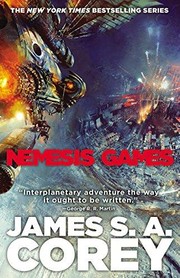
Nemesis Games
The Rocinante crew scatters across the solar system just as Marco Inaros and the Free Navy bombard Earth. The Expanse reaches its turning point.
2,506-word summary · 11 min read
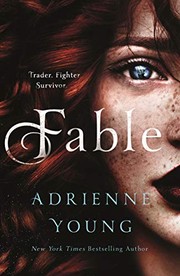
Fable
Abandoned on a lawless island at fourteen, Fable spends four years diving for gems to buy passage off it, straight into the cutthroat trade of the Narrows.
2,320-word summary · 10 min read
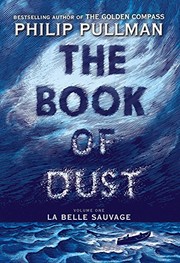
La Belle Sauvage
Philip Pullman's prequel to His Dark Materials follows eleven-year-old Malcolm Polstead as a secret message, a hunted baby, and the flood of the century carry…
2,530-word summary · 11 min read
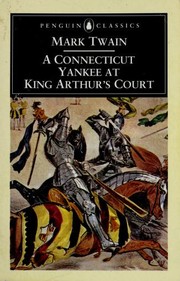
A Connecticut Yankee in King Arthur's Court
Hank Morgan, a Connecticut factory man, wakes in King Arthur's England, rises to chief adviser, and rebuilds the kingdom until his own inventions turn on him.
2,193-word summary · 10 min read
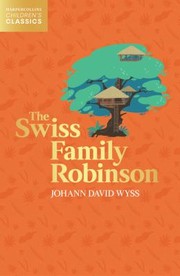
The Swiss Family Robinson
Shipwrecked Robinsons build treehouses and tame island beasts.
2,400-word summary · 11 min read
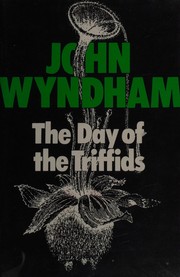
The Day of the Triffids
Blinded survivors flee carnivorous plants after a meteor shower.
2,171-word summary · 10 min read
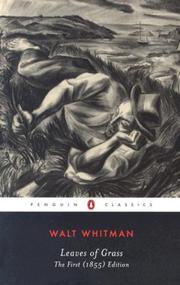
Leaves of Grass
Free verse songs of self, America, bodies and democracy.
2,240-word summary · 10 min read
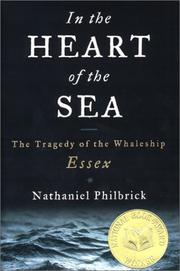
In the Heart of the Sea: The Tragedy of the Whaleship Essex
The whaleship Essex sunk by a whale leaves men in boats for ninety days.
2,750-word summary · 12 min read
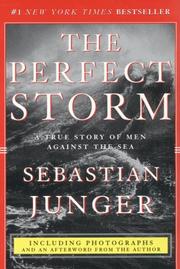
The Perfect Storm
Gloucester's Andrea Gail vanished in the October 1991 nor'easter; Junger joins the crew, storm science, and Tamaroa rescues into a plain and hardworking sea…
2,592-word summary · 12 min read
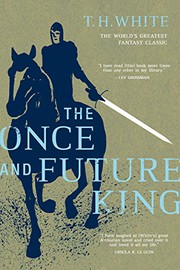
The Once and Future King
T.H. White retells Arthur from boyhood with Merlyn to Camelot's fall, mixing comedy, myth, and a hard look at war and power.
2,200-word summary · 10 min read
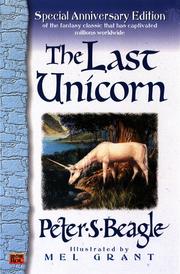
The Last Unicorn
A unicorn learns she may be the last of her kind and sets out to find the others, with a failed magician and a tired woman at her side.
2,245-word summary · 10 min read
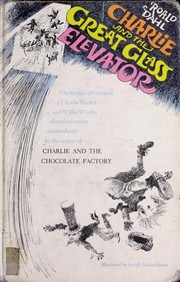
Charlie and the Great Glass Elevator
Charlie and Wonka overshoot Earth in the glass elevator, meet alien Knids, then risk age pills and Minusland.
2,514-word summary · 11 min read