
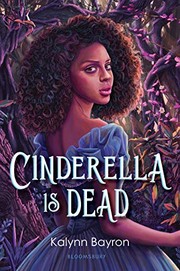
Cinderella Is Dead
2,250-word summary 10 min read 400 pages in the book
- First published
- 2020
- Publisher
- Bloomsbury YA
- Pages
- 400
- ISBN
- 9781547603879
Reading options
What's inside (7 sections)
I almost put this one down in the first chapter, not because it was bad but because it made me angry in a way I was not ready for. The book opens on a world built out of the Cinderella story, two hundred years after the glass slipper, where the fairy tale has hardened into law. Kalynn Bayron published it in 2020 with Bloomsbury, and it is a young adult fantasy that takes one of the most familiar stories we have and asks what it would look like if the happy ending belonged to the people in charge. It is a rewrite with teeth. By the time I finished I was glad I had stayed with it, though I was also willing to argue with a fair amount of it.
The kingdom is called Mersailles. Cinderella is not a story people tell their children here. She is the foundation of the state, a saintly figure whose rise from rags to royalty is treated as proof that the system works. A statue of her stands in the town square, and the annual ball she once attended has become an institution. Every girl turns sixteen and must go to King Manford's ball, where she is scrutinized by the male attendees and married off. This is the setup that made me put the book down for a moment, because Bayron is not writing a whimsical retelling. She is writing about a society that has taken a romance and turned it into a mechanism for controlling women.
The rules of the ball
The ball works on a brutal schedule. A young woman who is not claimed after her third ball is condemned to spend the rest of her days in hard labor. So the pressure on every girl is enormous, and the families who send them are doing so because the alternative is worse. But being chosen is no rescue either. Bayron is candid that domestic violence is common in this world, and that a girl can traded one kind of captivity for another. The ball is a marketplace, and the men who attend it know exactly what they are buying. It is hard to read these chapters without thinking about how a culture can tell a story about true love while arranging something completely different.
Sophia, the narrator, is a Black girl, tall and beautiful by the standards of her world, with a secret that is against the law. She is in love with Erin, one of her closest friends, a girl with dark hair who is being pushed toward the same ball. Racial diversity is a natural, unremarkable part of Mersailles. Same-sex desire is not. The book is explicit about the difference: the kingdom has no trouble with girls of different backgrounds, but anything outside heterosexual desire is strictly forbidden. That distinction is the novel's sharpest political point, and Bayron makes it without a lecture. Sophia's love is not treated as a phase or a problem to be solved. It is treated as the thing she wants most, and the law says she cannot have it.
Her plan is to escape with Erin. The two of them intend to use the ball to get away together, and the tension between them comes from the fact that Erin is too frightened to go through with it. I found this painful in a way that felt true. Sophia is ready to lose everything for a chance at a life with the person she loves, and Erin wants the same thing right up until the moment it becomes real. Bayron understands that fear is not the absence of love. It is often what love looks like when a person has been trained all her life to stay safe. Erin is not a villain for hesitating, and the book does not pretend she is. She is a girl who has been handed a very clear picture of what happens to women who refuse, and she cannot quite bring herself to step outside it.
The mausoleum in the woods
Sophia flees the ball. Exactly what happens in those chapters is best left to the reader, but the result is that she ends up in the woods, at a mausoleum that has been built for Cinderella and hidden away. It is here that she meets Constance, a red-haired young woman who has been living close to the old story in a way that gives her a personal reason to bring the monarchy down. Constance is rebellious, sharp-tongued, and carrying a grievance that predates Sophia by a long way. She has been working, in her own fashion, to sabotage the reign that the Cinderella legend props up.
The meeting is the hinge of the book. Two girls who have been told completely different things about what is possible find each other in a tomb that was built to keep a story sacred. Kirkus, in its review, called Constance an attractive young red-haired woman with a very personal motivation for sabotaging the monarchy, and that is as much as I will say about her background here. What matters is that she knows things Sophia does not. She knows that the official story of Cinderella is not the whole story, and she knows that King Manford's power depends on everyone believing it. The secrets they uncover together are the things that could end his reign, and the novel spends its middle chapters letting that knowledge settle.
I liked Constance immediately, and I liked her better the more I learned. Bayron gives her a dry, combative energy that plays well against Sophia's more open intensity. Their conversations have a rhythm I believed: they challenge each other, they deflect, they say the honest thing and then pretend they did not. It is a friendship becoming something else, and the book lets it happen at a human pace. The attraction between them is not a reward for good behavior. It is one of the messier consequences of two people deciding to break the same rules.
The story behind the story
Here is the part of the novel that gave it its title. The Cinderella everyone in Mersailles worships was not the person the legend says she was. The "happily ever after" was a story that got told about a girl who was useful to the people in power, and the version that survives has been polished into a tool of control. Constance knows the truth because of her connection to the original story, and the truth is that the meek, kind, rescued girl at the centre of the fairy tale was something else entirely. The magic, the prince, the slipper, the rescue: all of it gets looked at again from the other side, and none of it comes out looking holy.
This is where the book becomes a genuinely interesting piece of retelling rather than a simple gender swap. Bayron is not asking what Cinderella would be like if she were a boy or a different race. She is asking what happens when the story a society tells about a woman's submission becomes the constitution. If Cinderella was rewarded for being patient and beautiful and charming a powerful man, then every girl in Mersailles is being told to be patient and beautiful and charming a powerful man. King Manford is the heir to that arrangement, and the balls are how he collects what the story promised him. Constance's rebellion is personal, but it is also an argument about who gets to write the endings of stories.
I should be honest that this section of the book felt a little too tidy to me at times. The reveal of the truth is spread across several chapters, and I occasionally found myself waiting for the novel to stop explaining its own premise. There is a great deal of talking about the nature of the lie, and a few of the conversations between Sophia and Constance sounded more like the author than like teenagers. But the underlying idea is strong enough to carry the clunkier passages. The notion that a fairy tale can function as propaganda is not new, but Bayron makes it concrete in a way I had not seen before. The statue in the square becomes a very different object once you know what it is really for.
Love and its costs
The emotional heart of the book is not the rebellion. It is what rebellion costs the people who choose it. Sophia gives up Erin, and Erin is drawn further into the system Sophia is trying to escape. That separation is the price the title hints at. Bayron does not let her heroine walk away from the wreckage of her old life untouched, and the later chapters are less triumphant than the setup might have led me to expect. There is real grief here, and it is specifically the grief of a young woman who discovers that doing the right thing can mean losing the person she loves.
The romance with Constance grows out of that loss rather than replacing it. This is the part of the book that Kirkus singled out when it noted the toll that rejecting the status quo can take on relationships. Sophia and Constance are allies before they are anything else, and their closeness is built on the dangerous work they are doing together. When it becomes something more, the shift is convincing because the book has earned it. I have read plenty of novels where a political partnership turns into a romance because the genre demands it. This one felt different, because both characters have so much to lose that the attraction reads as a risk they are choosing rather than a reward they are collecting.
The climax, when it comes, brings the truth into the open and forces a reckoning with the king and the story he has inherited. I will not lay out every turn, because the twists are part of the pleasure and the book has several. What I will say is that Bayron resists the cleanest possible version of the ending. The kingdom is not simply fixed by a revelation, and the people who have been hurt do not all get what they wanted. That refusal to tie everything in a bow is, to my mind, the best thing about the final chapters. The novel is willing to let the victory be partial, because the world it is writing about would not give up its habits so easily.
What stayed with me
Bayron's setting is the book's great strength. Mersailles feels like a real place with real rules, and the atmosphere of the ball, the town, the woods and the mausoleum is consistent and specific. Kirkus called the atmospheric setting a particular strength, and the review's verdict, that the book would both entertain and encourage reflection, seems exactly right to me. It is a fast read. The chapters move, the stakes stay clear, and the author knows when to withhold a piece of information. It is also a debut, and it has a debut's occasional overreach: a little too much explaining, a few lines that try too hard to sound wise.
But the book's best instinct is its refusal to treat Cinderella as a neutral story. Once you have read it, it is difficult to look at the original tale in quite the same way. The glass slipper stops looking like a token of romance and starts looking like a device for choosing who gets rescued and who gets left behind. Sophia's particular journey, as a Black girl in love with another girl inside a system that has decided both facts are problems, gives the retelling a weight that a simple villain rewrite would not have had. Bayron is writing about who gets to have a happily ever after, and her answer is that the people in charge have been telling the story backwards for two hundred years.
One more thing about the prose, because it is the part of the book that worked least well for me. Bayron writes clean, direct sentences and keeps the plot moving, which suits a novel aimed at younger readers. But there are stretches where a character says something that sounds like a thesis statement, and the rhythm of the dialogue flattens out. The ball chapters are livelier than the ones set in the mausoleum, and I found myself skimming a few of the longer exchanges between Sophia and Constance. None of this sunk the book for me. The idea was strong enough that I was willing to forgive the occasional heavy line, and the vivid setting kept pulling me back in.
I finished it wanting a second book, which is usually a good sign, and also wanting to go back and read the ball chapters more slowly. The first time through I was too busy wondering how Sophia would get out. On reflection, the more interesting question is what she thinks she is leaving behind. Erin is not a subplot, and the life Sophia abandons is not a small thing. The novel is at its best when it holds both of those truths at once: that leaving can be an act of love, and that it can also be a kind of loss that no victory fully repays. That is a more complicated thing to say about a fairy tale than I expected from a book with this title, and it is the reason I kept reading.
FAQ
Is Cinderella Is Dead a standalone novel?
Yes. Bayron's later books are separate stories, and this one does not need a sequel to make sense of its ending.
How does it change the Cinderella story?
It sets the tale two hundred years later, where the happy ending has become law, and reveals that the legend worshipped in Mersailles is false.
Who is Constance?
A red-haired rebel Sophia meets at Cinderella's mausoleum, with a personal link to the original story and a grudge against the crown.
Similar books

The River Has Roots
A fairy-tale novella in which a village on the edge of Faerie, a river that turns a girl into a swan and a harp that sings an accusation retell The Bonny Swans.
2,025-word summary · 9 min read
Beauty: A Retelling of the Story of Beauty and the Beast
Robin McKinley's debut retells Beauty and the Beast through a plain, book-loving girl whose nightly refusals of the Beast's proposals slowly become something…
2,100-word summary · 9 min read
Six Crimson Cranes
A princess who loses her voice when a curse turns her six brothers into cranes must work in secret, trust a dragon, and speak a name she does not know.
2,214-word summary · 10 min read

Cruel Beauty
A girl raised to kill the demon prince who rules her cursed land instead falls in love with him, in a retelling that mixes Beauty and the Beast with Bluebeard…
2,669-word summary · 12 min read
Heartless
Cath Pinkerton wants a bakery with Mary Ann, not a crown, until secret love for Jest and Jabberwock attacks pull her toward becoming the Queen of Hearts.
2,968-word summary · 13 min read
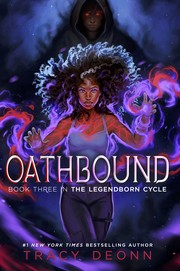
Oathbound
Bree Matthews has exiled herself from the Legendborn Order to protect the people she loves, but an unbreakable bargain with a shapeshifting demon has bound her…
2,751-word summary · 12 min read
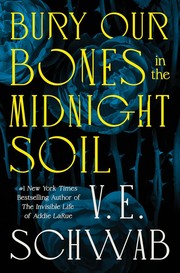
Bury Our Bones in the Midnight Soil
Across five centuries, three women are turned into vampires by the same restless figure, and each must decide what her endless hunger will cost.
2,727-word summary · 12 min read
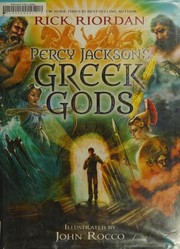
Percy Jackson's Greek Gods
Rick Riordan's illustrated 2014 companion: Percy Jackson retells the Greek myths, from Chaos and the Titans to the Twelve Olympians, with sarcastic asides and…
2,709-word summary · 12 min read

Iron Widow
Wu Zetian enlists to avenge her sister, kills her pilot, and becomes an Iron Widow in a mecha Huaxia where the machines are built to kill women.
2,444-word summary · 11 min read
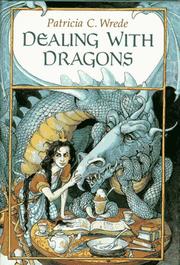
Dealing with Dragons
A princess who hates embroidery runs away to become the cook and librarian for a dragon, then has to outthink wizards, knights, and a plot against the dragon…
2,563-word summary · 11 min read

The Rose & the Dagger
Shahrzad is pulled from her Caliph husband and left in a desert camp of rebels, needing to break his curse and end a war before it ends her.
2,520-word summary · 11 min read

Stars Above: A Lunar Chronicles Collection
Nine Lunar Chronicles stories fill in the histories of Cinder, Wolf, Thorne, Cress, Winter, and Jacin, and end with a wedding after the war.
2,230-word summary · 10 min read
Cemetery Boys
A trans brujo in East Los Angeles summons the ghost of a boy who refuses to move on, and together they uncover a murder hidden beneath Día de los Muertos.
1,997-word summary · 9 min read
A Reaper at the Gates
The Martial capital falls to an army of ghosts, Elias becomes the Soul Catcher, and Laia and Helene pay brutal prices as the Nightbringer moves to free the…
1,991-word summary · 9 min read
Wayward Son
Simon and Baz road trip America after the war to decide what normal means.
2,505-word summary · 11 min read
Every Heart a Doorway
Nancy returns from the Halls of the Dead to a school for travelers, where a murder forces portal children to face grief, belonging and the price of going home.
2,400-word summary · 11 min read
Queen of Air and Darkness
Emma and Julian face the Cohort, Thule, and the parabatai curse in Cassandra Clare's 880-page Dark Artifices finale of love, Faerie bargains, battle, weddings,…
2,653-word summary · 12 min read
Ariadne
A Cretan princess helps Theseus kill the Minotaur, is abandoned on Naxos, and rebuilds her life while her sister faces tragedy in Athens.
2,350-word summary · 10 min read
Lady Tremaine
A widowed stepmother fights for her daughters when a royal ball hides a dark secret.
2,023-word summary · 9 min read
Fairest
Queen Levana's rise from scarred princess to Lunar ruler fills the gap between Cress and Winter.
2,983-word summary · 13 min read
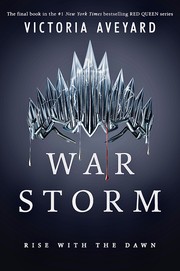
War Storm
Exiled Mare Barrow faces a final war for Norta as Maven breaks down and free lands demand a steep price for peace. Old loves strain as Montfort and Lakeland…
2,860-word summary · 13 min read
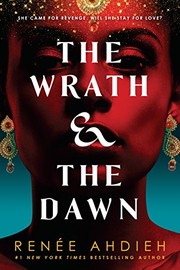
The Wrath and the Dawn
Shahrzad marries a king who executes each bride at dawn, hoping to stay alive through stories. A lush Arabian Nights retelling about grief, trust, and palace…
3,568-word summary · 16 min read
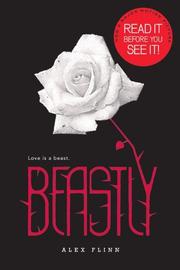
Beastly
Cursed by witch Kendra, cruel rich teen Kyle must find true love within two years while exiled in Brooklyn with Lindy and tutor Will.
2,967-word summary · 13 min read
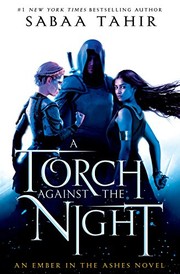
A Torch Against the Night
Laia and Elias flee toward Kauf Prison to free Darin while Helene hunts them as the new Blood Shrike under the Commandant's shadow.
3,105-word summary · 14 min read
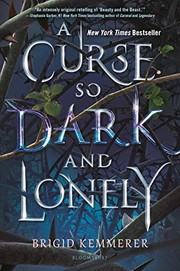
A Curse So Dark and Lonely
Pulled from Washington DC to Emberfall, Harper meets cursed Prince Rhen, who relives his eighteenth autumn until someone falls for him.
2,677-word summary · 12 min read
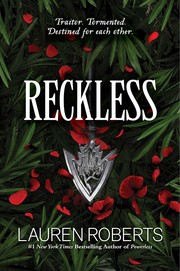
Reckless
Paedyn and Kai flee the scorched city into trials where every ally charges a price in blood.
2,007-word summary · 9 min read
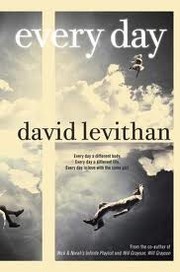
Every Day
A wakes in a new teen body daily until falling for Rhiannon breaks rules.
2,215-word summary · 10 min read
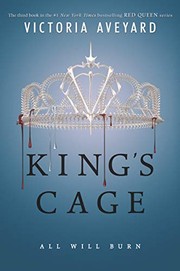
King's Cage
Chained by Maven with Silent Stone, Mare endures while Cal and the Guard gamble on rescue and alliance.
2,001-word summary · 9 min read
Winter
Scarred Princess Winter joins Cinder and her crew to stop Queen Levana's forced wedding and war between Luna and Earth.
3,179-word summary · 14 min read
Carry On
Simon Snow returns to Watford for his last year as a failing Chosen One, with his roommate Baz missing and the Humdrum wearing his face.
2,662-word summary · 12 min read