
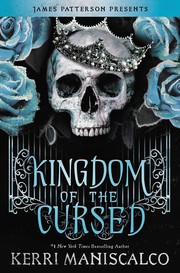
Kingdom of the Cursed
2,564-word summary 11 min read 448 pages in the book
- First published
- 2021
- Publisher
- Little, Brown and Company
- Pages
- 448
- ISBN
- 9780316428477
- Series
- Kingdom of the Wicked (#2)
Reading options
What's inside (9 sections)
I did not mean to start Kingdom of the Cursed at midnight. I had told myself I would wait until the weekend, since I knew it would pull me straight back into Hell and I had work the next day. Then I reread the last ten pages of Kingdom of the Wicked, the part where Emilia agrees to become Wrath's bride, and I caved. Kerri Maniscalco published this second book on October 5, 2021 with Little, Brown and Company, 448 pages in the US hardcover, as a direct sequel to Kingdom of the Wicked from 2020. I read it in two sittings with cold tea going warm beside me, because I needed to know if Emilia would survive the place she had just sold herself to enter.
If you have not read book one, here is the short version. Emilia Di Carlo is a young witch from Palermo, Sicily. Her twin sister Vittoria was murdered, her heart cut out. Emilia summoned Wrath, one of the seven princes of Hell, to find the killer. By the end she learned Vittoria had made her own dark bargains, and Emilia offered herself to Wrath as his bride to stop more bloodshed. This book starts almost right there, with grief still wet on everything and a magical mark on Emilia's skin to prove the deal is real.
What I liked immediately is that Emilia does not walk into Hell acting tough. She is scared. She tries to hide it with sharp talk, the way she did in Sicily, but her hands shake when the air changes. Maniscalco lets her be furious and lost at the same time. She wants vengeance for Vittoria. She wants to understand what her sister did. She also wants to break the curse that sits on Wrath, because she has started to sense it shapes every cold answer he gives her.
Down the stairs and into House Wrath
Emilia enters Hell through a passage tied to Wrath's power. The air smells of smoke and iron. House Wrath looks like a severe palace built for soldiers, all stone and weapons kept polished. Servants move fast and keep their eyes down.
Wrath sets rules fast. Emilia is his betrothed, which gives her protection, but it also paints a target on her back. No one in Hell respects a witch bride. They think she tricked him or trapped him. He tells her not to wander, not to accept gifts, not to drink anything she did not see poured. Of course she breaks half of those rules within days, because she needs answers and he will not give them straight.
Their rooms tell you a lot. His chambers are spare, with maps and blades. Hers are close by, finer than she expected, with dresses that fit too well and books she is not supposed to open. She opens them. Emilia picks through his library while he pretends to work, asking blunt questions until he snaps and answers. She learns the princes are bound by old laws about bargains and truth. He can lie by omission. He can refuse. He cannot undo a sworn trade without paying dearly.
The bride bargain itself is the engine here. Emilia promised herself to Wrath, sealed in blood. In Hell other demons can smell the claim on her. It keeps lesser creatures from touching her, but greater ones see it as a challenge. Emilia hates feeling owned, and she tells him so. He hates that she thinks he wanted this. She accuses him of using her grief. He accuses her of rushing into magic she did not understand.
What Wrath is not saying about his curse
Wrath carries a curse that Emilia only half understands at first. He is colder than he should be, even for a demon. At times his temper flares so fast it scares her, and then he shuts down flat, as if a hand closed over his mouth. Other princes mock him for it. Servants whisper when they think she cannot hear. Emilia starts to connect it to an older crime in Hell, a punishment laid on him long before she summoned him in Palermo.
She pushes him to explain. He refuses, or changes the subject, or gives her a piece that only makes her more confused. This frustrated me in the same way it frustrates her, and I think that is on purpose. His curse limits what he can say about himself and what he can feel without pain. He can show care in small acts, guarding her door at night, remembering how she takes her wine, stepping between her and a prince who looks at her too long. He cannot say plain things without paying for it.
Emilia decides she will break the curse herself. She hunts through restricted books and trades questions with demons who want locks of her hair or memories of Sicily in return. She keeps a small notebook, like she did when hunting Vittoria's killer, and writes down every time Wrath winces or goes quiet, trying to map what binds him.
The curse also explains why Wrath is so strict about bargains. He has lived under a bad one. When he warns Emilia not to promise anything to Greed or Lust, he is scared she will end up like him. Emilia hears control anyway, because she is nineteen and grieving. Their worst fight in the first half comes from this gap.
I found this thread moving, even when the pacing sagged. Wrath is supposed to be vengeance itself, quick and brutal. Seeing him careful while carrying pain he cannot name made him more than the tall dark prince from book one. The curse works as a lock on his voice, and Emilia has to learn to listen to what he does instead of what he says.
Hunting the Horn with bad maps
Parallel to the curse plot is the hunt for the Horn, a stolen object of power that was taken from Hell and helped draw the princes to Sicily in the first place. Without it, the balance between the Houses stays broken. With it in the wrong hands, someone could command or wound a prince. Emilia knows pieces from Vittoria's notes and from what Wrath let slip in Palermo. In Hell she tries to fit those pieces together.
The Horn is not sitting in a vault waiting. Clues point across Houses and old thefts. Emilia learns it changed hands more than once, and that witches were involved, which makes her sick because it suggests Vittoria knew more than she shared. Wrath wants it back for his House, but he also fears what Emilia will do if she finds it first. She has already shown she will pay high prices for family.
Much of the middle follows this search. Emilia follows a lead to a market where memories are sold in bottles. She handles a dagger that hums when a lie is spoken near it. Each follows the same beat: Emilia sneaks off, finds a strange object, is warned of the cost, pays it anyway, and Wrath arrives too late to stop her.
The Horn hunt also forces Emilia to deal with Pride's shadow. Pride barely appears yet his name cools every room. Emilia learns Vittoria had contact with his circle, which reframes everything from book one. Emilia swings between defending Vittoria's memory and hating her for lying.
If I have a complaint here, it is that the Horn sometimes vanishes from Emilia's mind for long stretches while romance or a trial takes over. Then it rushes back with a clue that feels timed to restart momentum. I wanted a steadier thread, a map on the wall she adds to, rather than sudden finds.
Debts and games in other Houses
Emilia cannot stay inside House Wrath if she wants truth, so she visits her husband to be's brothers, and each visit costs her. Maniscalco gives each House a distinct mood, and I looked forward to these entries even when I dreaded what Emilia would trade.
House Greed is all marble and counting rooms. Greed himself is polite in a way that made my skin crawl, offering Emilia wine and asking about her family restaurant. He proposes trades. A question for a memory. Emilia thinks she can outword him. She learns fast that Greed has centuries of practice. She leaves with useful facts and a hollow feeling.
House Envy is colder, full of locked doors and covered mirrors. Envy shows Emilia versions of herself: a sister who stayed obedient, a witch who never summoned. Emilia has to name what she truly wants without lying. She fails once, which I appreciated. When she finally speaks true, it is small and plain, about wanting her sister back and wanting her own choice.
House Lust is sensual, with silk and baths and music that seems to come from inside the walls. Lust offers her exactly what she craves: Wrath unguarded, tender, free of the curse. The test is whether Emilia will take a false version over the hard real one. She almost does. Maniscalco does not shame Emilia for wanting. Emilia leaves shaken, not triumphant, which felt honest.
Between these visits Emilia collects a servant girl who warns her which corridors listen and a soldier who trains her with blades. I wished we had more time with an older witch prisoner who speaks in riddles about horns and hearts and queens.
The problem, fairly stated, is repetition. Each visit runs on a similar shape: warning ignored, entry, temptation, price paid, argument with Wrath after. After the second House I could feel the pattern. I skimmed a little during the third negotiation because I knew how it would end.
My sister, my queen, my stranger
Then Vittoria walks back in, and the book tilts.
I will keep this as spoiler light as I can while still giving you the shape, because this twist is the reason to read. Emilia has mourned Vittoria for two books. She has dreamed of her, talked to her in her head, defended her to Wrath. When signs start that her twin might be alive in Hell, Emilia does not believe it at first. She thinks it is a trick by Envy or Lust, a face worn to wound her. Then she sees her, and there is no mistaking that face. It is hers with different choices written on it.
Vittoria is alive. She is not hiding in a cell. She moves through Hell with ease, as if she belongs, and there are those who bow to her. Talk calls her queen, or soon to be queen, tied to Pride's power in a way Emilia cannot yet parse. She wears fine clothes. She smiles like she knows the end of a joke Emilia has not heard. When the sisters speak, it is not a sweet reunion. It is a negotiation between strangers who share blood.
Their scenes together hurt. Vittoria is still quick, teasing Emilia about Sicilian manners, asking after their parents with something like real ache. She is also ruthless in a way Emilia never saw at home. Emilia wants to shake her and hug her at once. Maniscalco writes twins well, that mix of shorthand and old fights.
What does Vittoria want? Partly Emilia, I think, but on her terms. She offers her sister protection if Emilia will turn from Wrath and accept a new order with Pride at the top and Vittoria beside him. She frames Wrath as weak, cursed, doomed. Emilia, who came to Hell to avenge Vittoria, now has to face that vengeance makes no sense if the victim chose her path.
I guessed Vittoria was alive halfway through, yet the reveal still stung. Those diary pages from book one look less like mistakes and more like steps. Emilia has to ask if she ever knew her twin at all. That question about sisterhood carries more weight than any Horn, and I hope book three sits with it longer.
Wrath's reaction to Vittoria matters too. He goes very still around her, which for him means fear or rage or both. He warns Emilia not to meet her alone. For once Emilia listens, mostly, because even she can feel the pull Vittoria has and how easy it would be to agree just to have her sister back.
Spice, quarrels, and the slow burn that holds
Let me talk plainly about the romance. It is hotter here than in book one, with bath scenes and teasing that goes on for pages. Wrath is possessive and careful at once, always stopping when Emilia hesitates. Emilia is bolder than she was in Palermo, curious about her own want.
I enjoyed much of it. The chemistry deepens because they now live together. He laces her dress and complains about the ties. She steals his dagger to cut fruit. Those domestic beats inside a palace in Hell charmed me.
Does the spice crowd out the plot? At times, yes. There is a stretch near the center where a long intimate scene is followed by a quarrel, then another quarrel about the same secret, and the Horn hunt stalls. Readers who come mainly for romance will not mind. Readers who came for murder mystery in book one may feel the balance tip.
The slow burn logic still works, though. They cannot fully trust while the curse and the bride price stand between them. When they do come together, it feels earned because they have shared something true just before. One quiet scene where she cooks for him with Hell ingredients that fight her, and he eats every bite without complaint, told me more than the longer bedroom scenes.
A note on consent and power: the bride bargain creates a real imbalance, and Maniscalco does not ignore it. Emilia names it. That knot is uncomfortable on purpose. I respected that the book sits in the discomfort instead of waving it away.
The ending that leaves you grabbing for book three
The last hundred pages move fast after the slow center. Emilia stops sneaking and starts choosing. Alliances she built in other Houses come due. Debts Greed noted with a smile get called in at the worst moment.
Without spoiling the final moves, Emilia makes a public choice that cannot be undone, about Wrath and about her sister and about what kind of witch she will be in Hell. The Horn's location sharpens into focus, but holding it costs blood. Vittoria shows what she will do to keep her crown path clear.
It ends on a cliffhanger, hard, leading straight into Kingdom of the Feared. I closed the book annoyed in that good way, like I had been left at a feast before dessert.
So who should read it? If you loved book one for Wrath and Emilia together, this is your book. If you like bargains with costs and sister stories that ache, stay. If you need a tight mystery, know the middle sags with repeated trials and long romantic interludes. If cliffhangers anger you, wait until you have book three on hand.
For me, despite the draggy middle, the return paid off. Emilia grows from a girl who reacts to a woman who bargains with eyes open. She came to Hell to avenge her twin. She stays to decide who she is when vengeance no longer fits.
FAQ
When was Kingdom of the Cursed published?
It was published October 5, 2021 by Little, Brown and Company. The US hardcover runs 448 pages with ISBN 9780316428477.
Is it part of a series?
Yes. It is book two in the Kingdom of the Wicked series, after Kingdom of the Wicked and before Kingdom of the Feared.
Who are the main characters?
Emilia Di Carlo, the witch twin, and Wrath, the demon prince of House Wrath she is bound to as his bride.
Similar books
More from Kingdom of the Wicked first, then related titles.
Kingdom of the Wicked
Twin witch Emilia summons demon prince Wrath to hunt her sister's killer in 19th century Sicily.
2,633-word summary · 12 min read
Kingdom of the Feared
Kerri Maniscalco's finale retold: Emilia's lost memories, her marriage to Wrath, and the fight for balance in the Underworld courts.
2,938-word summary · 13 min read
Demonglass
Sophie Mercer spends the summer at the Council's English estate, where two new demons, a suspicious host, and Archer's return complicate her plan to remove her…
2,771-word summary · 12 min read

The Indigo Spell
Sydney Sage hunts an aging witch, learns forbidden magic, and finally admits she loves Adrian, while the Alchemist tattoo on her cheek may be controlling her.
2,604-word summary · 12 min read
Heartless Hunter
A witch hiding as a socialite courts a witch hunter for secrets, while he courts her back on suspicion, in this romantic fantasy opener.
2,366-word summary · 11 min read
Blood & Honey
Married witch Lou and hunter Reid flee church and coven while dark magic tempts Lou to save them.
2,280-word summary · 10 min read

Hex Hall
A witch who ruins prom with a love spell is sent to Hex Hall, where a vampire roommate and old family secrets wait.
2,991-word summary · 13 min read
Serpent & Dove
A runaway witch is forced to marry a witch hunter in Cesarine, hiding her magic as old enemies close in.
2,962-word summary · 13 min read
City of Heavenly Fire
Clary and Jace face Sebastian's dark army while Emma and Julian's story begins in Los Angeles.
2,039-word summary · 9 min read
City of Lost Souls
Clary leaves the Institute to stay close to a bound Jace while Alec, Izzy, Simon and Magnus search for a cure in New York.
2,782-word summary · 12 min read
Clockwork Angel
Tessa Gray finds Shadowhunters in Victorian London while the Magister hunts her.
3,288-word summary · 15 min read
City of Glass
Clary follows Jace to Alicante in Idris where Valentine plans to use the Soul-Sword on Shadowhunters and the Clave splits under pressure.
3,645-word summary · 16 min read
City of Ashes
Clary risks the Clave trial while Valentine raises demons and Jace pulls away in New York.
4,684-word summary · 21 min read
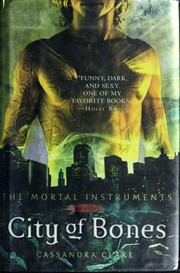
City of Bones
City of Bones retold: Clary sees Shadowhunters, Jace and the Cup, Valentine, and the Institute attack.
2,535-word summary · 11 min read

Vow of Thieves
Kazi and Jase return to Tor's Watch to find it occupied, and their marriage is tested by captivity, betrayal, and a war for the town of Hell's Mouth.
2,059-word summary · 9 min read
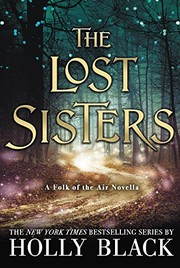
The Lost Sisters
Taryn Duarte writes a letter to her twin, Jude, explaining how she fell for Locke and why she stayed silent while he used them both.
1,914-word summary · 9 min read

Archenemies
Nova steals for the Anarchists while Adrian hides his Sentinel identity, and a serum that erases prodigy powers puts them both at risk.
2,485-word summary · 11 min read

The Siren
Saved from a shipwreck in 1930, Kahlen becomes a siren who sings men to their deaths for the Ocean, until a boy in a college library makes her want a life she…
2,369-word summary · 11 min read
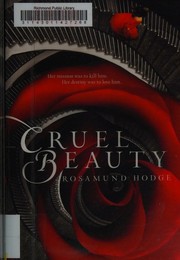
Cruel Beauty
A girl raised to kill the demon prince who rules her cursed land instead falls in love with him, in a retelling that mixes Beauty and the Beast with Bluebeard…
2,669-word summary · 12 min read

Born at Midnight
Kylie Galen is sent to a camp for troubled teens and discovers it is a haven for vampires, werewolves, and witches, and that she may be something stranger…
2,310-word summary · 10 min read

The Rose & the Dagger
Shahrzad is pulled from her Caliph husband and left in a desert camp of rebels, needing to break his curse and end a war before it ends her.
2,520-word summary · 11 min read

We Hunt the Flame
In a fractured Arabia-inspired world, a disguised huntress and a prince-assassin race to find a magic-restoring book and confront an ancient evil.
2,195-word summary · 10 min read
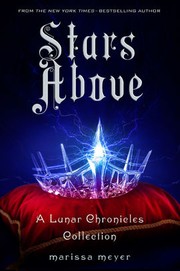
Stars Above: A Lunar Chronicles Collection
Nine Lunar Chronicles stories fill in the histories of Cinder, Wolf, Thorne, Cress, Winter, and Jacin, and end with a wedding after the war.
2,230-word summary · 10 min read
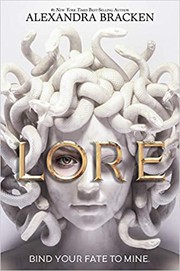
Lore
Lore Perseous, the last of a hunted bloodline, is pulled back into the Agon when a wounded Athena offers her revenge against the god who killed her family.
2,188-word summary · 10 min read
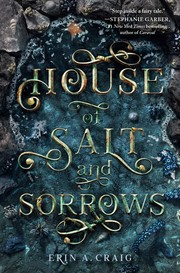
House of Salt and Sorrows
Annaleigh Thaumas investigates her sister's death in a cursed island manor where the balls are illusions and the sea god is always listening.
2,025-word summary · 9 min read
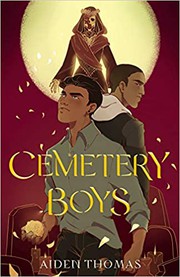
Cemetery Boys
A trans brujo in East Los Angeles summons the ghost of a boy who refuses to move on, and together they uncover a murder hidden beneath Día de los Muertos.
1,997-word summary · 9 min read
Blue Moon
Ever Bloom tries to save her immortal boyfriend, Damen, from a mysterious illness while a new student named Roman quietly takes control of her school and her…
1,998-word summary · 9 min read
An Enchantment of Ravens
Isobel, a mortal artist in the fairy town of Whimsy, paints a portrait of the autumn prince and falls in love with him, breaking the laws of her craft.
2,087-word summary · 9 min read
Switched
A Minnesota teenager who can make people obey her discovers she is a changeling troll princess, and the hidden kingdom she came from wants her back.
2,131-word summary · 9 min read