
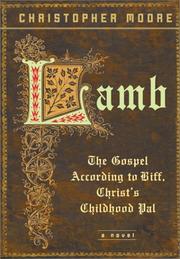
Reading options
What's inside (8 sections)
A coworker lent me Lamb with a warning that made me want to read it more. He said, you have to be okay with jokes about church to enjoy this. I grew up going to Sunday school and singing in a choir I was not very good in. I still go to weddings and funerals in churches and I know the stories. I also like silly books that have a soft center. Lamb, published in 2002 by William Morrow, sounded like my kind of risk. It runs 416 pages in the standard hardcover. I read it in three nights and laughed in places I felt a little guilty about.
The setup is simple and clever. Levi, called Biff, is the childhood best friend of Joshua, who you and I know as Jesus. Biff has been dead for two thousand years. He is brought back in modern times and put in a hotel room with a typewriter and a Bible. An angel watches over him, not very helpfully. His job is to write the part of the story that is missing. The Gospels tell us about Joshua as a boy in the temple and then pick him up again at about thirty when he starts preaching. That leaves roughly seventeen years blank, from about thirteen to thirty. Biff was there. This is his version.
Biff is rude and loyal and funny, and he loves Josh completely without quite understanding him.
That friendship carries the whole book. Joshua, called Josh by Biff, is kind and serious and strange from the start. He knows he is the Son of God, more or less, but he does not know what that means for daily life. Can he let his brother get hurt in a game. Should he heal a sick neighbor if it draws notice. How does he handle desire, anger, grief. Biff, who has no such worries, becomes his guide to being human. Biff teaches him how to joke, how to talk to girls, how to stand up in a fight he cannot win with miracles alone.
Waking up to write it down
The book opens with Biff in the present. He wakes in a hotel room in America. He is confused. He watches television. He orders food he does not understand. An angel named Raziel visits him. Raziel is large and dim and literal. He brings Biff the scriptures to refresh his memory and tells him to write.
I loved these modern scenes. They are short and placed between the old story like breaks. Biff tries pizza. He watches soap operas. He is baffled by hotel porn and delighted by room service. Raziel tries to explain and fails. The joke is never that Biff is stupid. The joke is that two thousand years of change is a lot to take in at once. It also sets the rules. This will be a gospel told by a normal man, with gaps and opinions and grudges.
Biff starts writing on his typewriter. He complains. He prays a little. He remembers. His voice is casual and blunt. He swears. He lusts. He brags. He also stops to say when he is unsure. Moore lets him say things like, I did not see this part, I heard it later. That helps. It reminds you this is one friend's memory, not a claim about history. If you come to this book worried it wants to replace your faith, the opening should calm you. It wants to fill a gap with a story, nothing more.
There is also a quiet point under the jokes. Biff feels left out of the official story. His gospel never made it in. His name is barely there. Writing now is his chance to say, I was there too, I mattered. Anyone who has felt written out will get that feeling fast.
Two boys in Nazareth
Most of the first third sits in Nazareth when Biff and Josh are boys. Biff's family life is rough. His father is harsh. His mother does what she can. Josh's family is warmer. Mary is kind and tired. Joseph is steady and skilled with his hands. The two boys run around town, get into trouble, spy on girls, steal small things, test limits.
Moore fills these chapters with daily detail. Food. Work. Roman soldiers strutting through town. Taxes. Prayers. Rules about purity and Sabbath that shape every hour. Josh tries to follow them all. Biff tries to find the cracks. There is a running bit where Josh tries to use his powers for small kindnesses and it goes wrong in funny ways. He brings a lizard back to life. He tries to heal a bruise and makes a scene. Biff has to cover for him. Their dynamic is set early. Josh shines. Biff cleans up.
Mary Magdalene enters here as a girl called Maggie. She is bright and funny and ahead of the other kids. Biff likes her right away in the way boys like girls before they admit it. Josh likes her too, but in his own distant way. Maggie's home life is hard. Moore does not hide that. Men in town treat her as lesser because she is poor and female and pretty. Biff defends her when he can. Those early scenes matter later, when all three are grown and the stakes are much higher.
Moore also brings in Judas and other kids who will matter in the later story. Judas here is not a villain yet. He is a fierce and angry boy who hates the Romans and wants to fight. Biff likes him and fears him. John the Baptist shows up as a wild cousin type, loud and certain. You can see the adult figures in the children without Moore pushing it. He lets you connect the dots.
I laughed a lot in this section. Biff teaching Josh how to kiss by practicing on pillows. Biff explaining lust with total confidence and zero knowledge. Josh trying to be holy while Biff drags him to peek at the women's bath. The humor is broad. It is also affectionate. Moore never makes Josh cruel or stupid to get a laugh. Josh stays sweet. Biff stays coarse. The pair works because they balance each other.
There is one scene I keep thinking about. Josh heals a sick child in secret and Biff sees the cost on his face. Josh is shaken, not proud. He asks Biff if he did the right thing. Biff, who jokes about everything, has no joke here. He just sits with him. That friendship feels real, even inside a comedy.
The road east begins
When Josh is about thirteen, he knows he needs teaching. He can heal and he can pray, but he does not know how to be a teacher of men. The local rabbis cannot help him beyond a point. So he decides to go east to study with the wise men who visited at his birth. Biff insists on going with him. No one else would keep Josh alive on the road, Biff says, and he is right.
This is where the book turns into a travel story. They walk. They join caravans. They get robbed. They get sick. They argue about food and women and God. Biff complains the whole way in a way that made me grin. Josh stays focused. He wants to learn compassion by seeing how other peoples live and pray.
They meet one of the wise men first, a magus figure who points them onward. I am keeping names general here because Moore plays loosely with history and I do not want to mix his inventions with scripture. The point is clear enough. Each teacher gives Josh a piece of what he will later preach. Prayer. Discipline. Mercy. Control of the body and the mind. Biff tags along, half student and half bodyguard, learning less and eating more.
The journey east takes years in story time. Moore skips months at a stretch. He gives you a vivid arrival, a few lessons, a girl or a fight or a misunderstanding, then moves on. The pace is fast at first. You feel the size of the world opening up for two village boys. Markets full of spices. Temples full of smoke. Strange gods. Strange food. Biff trying to flirt in languages he does not speak. Josh watching everything with wide eyes.
I liked the sense that Josh is collecting ideas without stealing them. He learns breathing and stillness from one school. He learns debate and story from another. He learns how to sit with suffering instead of turning away. Moore is respectful here, more than I expected. He does not mock Eastern faiths to lift up Josh. He shows Josh humbled by them.
Lessons with masters and monsters
The middle of the book settles into a pattern. Josh studies with a master. Biff messes up and learns a little by accident. They stay months or years. Then they leave.
In China they stay with a monastery where discipline is strict. Josh learns martial arts, meditation, medicine made from herbs. Biff learns how to fight dirty and how to cook noodles and how to get out of punishment detail. There is a lot of kung fu training in these chapters. Josh, who hates violence, has to learn how to move and block and fall. Biff loves it. He finally has a place where his toughness is useful. The monks like Biff more than Biff expects, because he is honest about his faults.
In India they stay in another community focused on spirit and body. Josh learns yoga-like practice, fasting, prayer, care for the poor and the sick. He also faces temptation in a direct way. Women notice him. He notices them. Biff, who has no vows, does what Biff does and then feels guilty when Josh looks sad. There are funny scenes about celibacy and lust that are crude but not mean. Moore keeps coming back to the same kind thought. Josh wants to love everyone without using anyone. That is harder than any miracle.
Maggie reappears in letters and memory through this stretch. Biff writes to her in his head. He worries about her. Josh worries too. They hear news from home in bits. Romans taxing harder. Friends marrying. John preaching louder. Judas getting angrier. Home feels far and close at once. Biff wants to go back. Josh says not yet. He still does not know how to bring what he has learned into his own tradition without breaking it.
This is also where the book drags a little for me. The lessons start to blur. Another master. Another rule about desire or pride. Another moment where Biff learns to be less selfish and then forgets it by dinner. I laughed less often in the middle third. The jokes about Biff getting beaten in training or misunderstanding riddles repeat. Moore is trying to show years passing, and years do repeat, but as a reader I wanted the plot to push forward. Friends I talked to felt the same. They loved Nazareth and loved the return. The travel middle was their least favorite too.
That said, there are gems inside the slow part. Josh learning to laugh at himself. Biff learning to read people better. A quiet scene where Josh sits with a dying stranger no one else will touch. A scary scene where Biff has to use his new fighting skills for real and hates how good it feels. Moore keeps the heart working even when the pace sags.
Back to Judea and the last years
When Josh is near thirty, he and Biff head home. The tone shifts. The jokes do not stop, but they sit next to grief now. You know how this story ends if you know the Gospels. Moore knows you know. He does not try to surprise you with the plot. He tries to make you feel it through Biff.
Home is tense. Romans are everywhere. Taxes bite. Zealots talk revolt. Priests guard their power. John is baptizing crowds and shouting about change. Judas wants Josh to lead a rebellion. Maggie is grown and carrying wounds from years of being used by men. Josh gathers friends. He preaches kindness. He heals. He tells stories that sound familiar if you grew up hearing parables, but here you hear Biff's side view. Biff standing at the edge of the crowd, proud and confused, thinking, that is my friend up there, and he is talking like a man who knows he will die soon.
Maggie's role grows here and Moore treats her with care. She is not a symbol. She is a smart woman with few choices who loves Josh and Biff in different ways. Biff loves her with his whole coarse heart. He wants to marry her and save her. She will not be saved that way. Josh loves her with a wider love that Biff envies and cannot copy. Scenes between the three are tender. They eat together. They argue. They remember being kids. Knowing what comes later for Maggie in tradition makes these pages ache a little, even with jokes on every page.
Judas is drawn as sad rather than evil. He believes Rome can only be beaten with force. He believes Josh is wasting his power on kindness when he could free his people. Biff understands that anger. Josh refuses it. Their break is slow and painful. Moore does not excuse betrayal. He shows how a friend can talk himself into a terrible choice while believing it is brave.
The final week moves fast. Moore follows the familiar beats. Entry to the city. Arguments with leaders. A last meal with friends. Arrest. Trial. Execution. Biff's telling is frantic and funny and broken. He tries to bribe guards. He tries to fight. He fails. He holds Maggie. He watches. He cannot look away. I expected to feel distant because I knew the story. I did not. Biff's helplessness made it fresh. He is not a disciple writing theology. He is a best friend watching his friend die and not understanding why Josh will not save himself.
Without spoiling the last twist, Moore gives Biff and Maggie a strange and sweet coda. It is invented, clearly not scripture, and it will bother some readers. I took it as Moore granting his characters mercy. After so much pain, he lets them have a little peace that history does not record.
What made me laugh and what wore thin
I laughed out loud many times. Biff's voice is a joy. He calls Josh an idiot with love in every line. His misunderstandings of prayer and ritual are sharp. His lust is endless and always getting him in trouble. Some lines are perfect. The angel Raziel, who is supposed to be wise, saying something profoundly stupid at the exact wrong moment. A Roman soldier trying to keep order while Biff talks circles around him. A monk asking Biff to empty his mind and Biff admitting his mind is mostly full of Maggie.
Moore is best when he lets Biff love people loudly and fail at holiness in public.
The anachronism jokes are hit and miss for me. Biff inventing sarcasm as if no one had been sarcastic before. Jokes that sound like modern bar talk dropped into ancient streets. Sometimes they land. Sometimes they feel easy. A few references pulled me out of the story because they sounded too current for the scene. If you love that style, you will be happy the whole way. If you want historical texture to stay unbroken, you may wince.
Now the fair warning. This book will feel rude to some readers. Josh is treated with love, but he is also shown as clueless about sex, prone to mistakes, in need of lessons from other faiths. Biff curses and fornicates and mocks priests. Maggie's past is described plainly. The crucifixion is shown through jokes and grief mixed together. If you hold the Gospels as literal and closed to play, this will offend you. Moore says in his own note that he wrote with affection, and I believe him, but affectionate mockery is still mockery. Know yourself before you start.
Length and shape are my other complaints. At 416 pages it is not huge, but the middle travelogue sags as I said. Three masters start to feel like one master with different hats. Biff grows, then resets, then grows again. I wished Moore had cut one stop on the road and given more pages to Judas and Maggie at the end, where the book is strongest. The modern hotel scenes help break it up, but they are brief.
Would I lend it on. Yes, to the right person. If you like comic novels with real feeling, if you know the Jesus story well enough to enjoy a riff, if you can take dirty jokes next to sincere prayer, you may love this. I did, with reservations. It made me think about what those missing years could have held. Study. Friendship. Hunger. Laughter. It made Josh feel young to me again, not stained glass but a man in his twenties trying to learn how to be good in a hard world. And it made Biff, invented and loud, feel like a friend I will remember. When I finished, I sat quiet for a bit, then I called my coworker and said, okay, I get it now. Then we argued about the ending for an hour, which might be the best review I can give.
FAQ
What does Lamb cover that the Gospels skip?
It imagines the missing years of Jesus, from about age thirteen to thirty, as his friend Biff remembers traveling east with him.
Who tells the story in Lamb?
Levi who is called Biff, the childhood friend of Joshua, brought back in modern times to write his own gospel with help and supervision.
Is Lamb part of a series?
No. It is a standalone comic novel published in 2002 by William Morrow, though Moore returns to similar humor in other books.
Similar books
Witches Abroad
Three Lancre witches fly to Genua to stop a fairy godmother from forcing a servant girl into a storybook marriage, and find a city arranged around a happy…
2,651-word summary · 12 min read
Hogfather
Death fills in for a missing Father Christmas, Susan Sto Helit hunts the Hogfather, and the twentieth Discworld novel turns Santa into a management problem.
2,871-word summary · 13 min read
Sourcery
A dying wizard hides his soul in a staff, his eighth son becomes a sourcerer strong enough to break the world, and Rincewind is sent to stop him with a sock.…
2,404-word summary · 11 min read
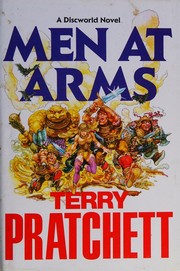
Men at Arms
The City Watch gets new recruits and a murder case when the Disc's only handgun turns up in Ankh-Morpork, in the fifteenth Discworld novel.
2,216-word summary · 10 min read

Redshirts
Ensigns realize they die to serve a bad TV show's narrative.
2,152-word summary · 10 min read
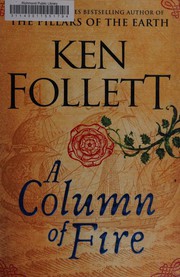
A Column of Fire
Spies and lovers cross Tudor England as Mary and Elizabeth fight for the crown and faith.
2,029-word summary · 9 min read

Brideshead Revisited
At Oxford Charles Ryder befriends Sebastian Flyte and falls into the Catholic Marchmain family, from Brideshead summers to Julia's affair and Lord Marchmain's…
2,353-word summary · 10 min read
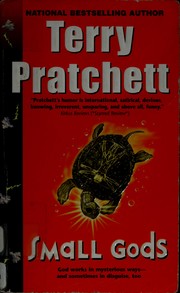
Small Gods
God Om trapped as a tortoise must convince novice Brutha to save Omnia from its own church.
2,063-word summary · 9 min read

Mostly Harmless
Arthur makes sandwiches on Lamuella while Ford steals a Guide Mk II that wipes Earths across realities.
2,059-word summary · 9 min read
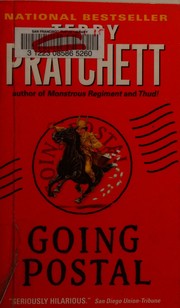
Going Postal
A hanged con artist must revive Ankh-Morpork's dead Post Office and outwit a murderous rival in Pratchett's 33rd Discworld novel.
2,228-word summary · 10 min read

The Light Fantastic
Rincewind and Twoflower fall off the world while wizards race a red star.
1,974-word summary · 9 min read

On the Way to the Wedding
Gregory chases the wrong friend while Lucy fights a forced engagement.
1,938-word summary · 9 min read

Rich People Problems
Su Yi's failing health sparks a fight over Tyersall Park as Nick, Rachel, Astrid and Eleanor face weddings, wills and old grudges in Kwan's 2017 trilogy finale.
3,512-word summary · 16 min read
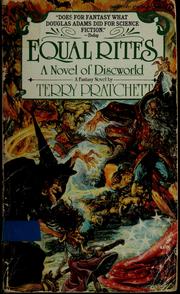
Equal Rites
A dying wizard passes his staff to a baby girl, and Granny Weatherwax escorts Esk to Unseen University in Pratchett's third Discworld book.
2,871-word summary · 13 min read
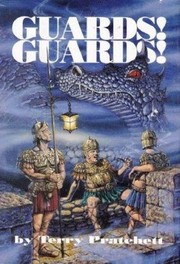
Guards! Guards!
A drunk captain, his last two guards, and an earnest recruit face a summoned dragon in Ankh-Morpork in Pratchett's funny eighth Discworld book.
2,307-word summary · 10 min read

China Rich Girlfriend
Rachel Chu meets her birth father and enters Shanghai high society while Nick, Astrid, and Eleanor face weddings, money, and old family claims.
2,861-word summary · 13 min read
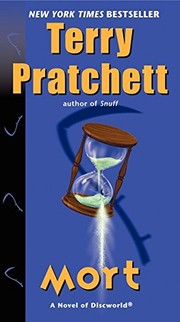
Mort
Death hires apprentice Mort in this 1987 Discworld comedy, where a spared princess splits reality and duty bends for love, with no Rincewind.
2,386-word summary · 11 min read

Life, the Universe and Everything
Arthur in slippers must stop cricket robots from rebuilding the Wikkit Gate.
2,216-word summary · 10 min read
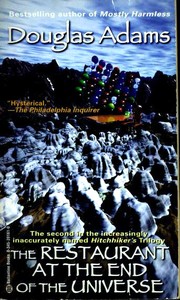
The Restaurant at the End of the Universe
Arthur Dent flees Vogons, dines at Milliways at the end of time, and strands on prehistoric Earth in Adams' sharp 1980 sequel.
2,749-word summary · 12 min read
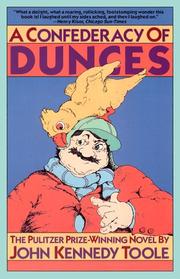
A Confederacy of Dunces
Ignatius J. Reilly, jobless and full of opinions in New Orleans, meets work, his mother, and the law in Toole's posthumous Pulitzer winner.
3,089-word summary · 14 min read
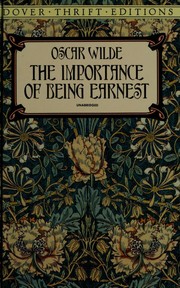
The Importance of Being Earnest
Jack and Algernon invent Ernest to court Gwendolen and Cecily until fiction collapses.
2,538-word summary · 11 min read

The Color of Magic
A failed wizard guides a tourist across a flat world on a turtle, with comic fantasy chaos.
2,032-word summary · 9 min read

Crazy Rich Asians
Rachel Chu flies to Singapore with Nick Young and learns his family is not just rich but dynasty rich, with mothers, aunties, and weddings testing every bond.
2,117-word summary · 9 min read

The Hitchhiker's Guide to the Galaxy
Douglas Adams' Hitchhiker's Guide retold: Earth's end, Ford, Zaphod, Marvin, and the answer 42.
2,253-word summary · 10 min read
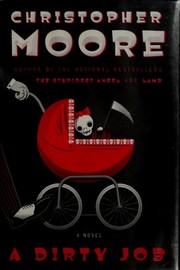
A Dirty Job
Grieving San Francisco secondhand shopkeeper Charlie Asher inherits the Death job, collecting souls into vessels while raising little baby Sophie as Minty…
2,454-word summary · 11 min read

The Crying of Lot 49
A California woman named executor of her ex-lover's estate follows a muted post horn into a possible centuries-old postal conspiracy, and Pynchon refuses to…
2,003-word summary · 9 min read

Heretics of Dune
Fifteen centuries after Leto II, the Bene Gesserit raise a new Duncan Idaho while the Honored Matres return and Rakis burns.
2,673-word summary · 12 min read

Go the Fuck to Sleep
A rhyming bedtime book for adults in which an exhausted father narrates the fourth hour of a toddler's stalling, one profane couplet at a time.
2,291-word summary · 10 min read
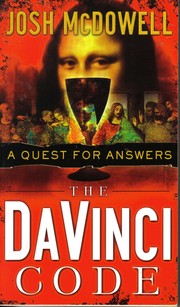
The DaVinci Code: A Quest for Answers
A short 2006 dialogue in which three friends test Dan Brown's claims about Jesus, Mary Magdalene, Nicaea, and the canon.
2,088-word summary · 9 min read

Rosencrantz and Guildenstern Are Dead
Stoppard's 1966 play retells Hamlet from the wings, where two minor courtiers wait, joke, and walk toward a death they cannot see.
2,021-word summary · 9 min read