
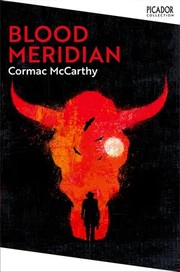
Blood Meridian
3,524-word summary 16 min read 368 pages in the book
- First published
- 1985
- Publisher
- Picador
- Pages
- 368
- ISBN
- 9781447289463
Reading options
What's inside (8 sections)
I came to Blood Meridian late, after hearing for years that it was the most violent book in American letters and also one of the best. Both claims made me put it off. I do not enjoy gore for its own sake, and I worried the book would be a dare rather than a story. The edition I read was the Picador printing, 368 pages, of a novel first published in 1985. I read it slowly over two weeks, a little each night, because the prose is thick and the events are hard to sit with. I finished it feeling shaken and impressed and tired, the way you feel after walking a long way in heat.
The broad shape is simple to tell, though the details blur on purpose. A boy called only the kid runs away from Tennessee at fourteen and drifts southwest to Texas and then into Mexico around 1849. He falls in with outlaws who hunt scalps for money. They ride with Captain Glanton. They kill Mexicans, they kill Indians, they kill anyone in the way, and then they kill each other in slower ways. Through it all walks Judge Holden, huge and hairless, who dances and fiddles and speaks many tongues and seems to know everything. The kid survives massacre after massacre without quite growing into a hero. Years later, grown, he meets the judge again in a saloon. Then comes a short epilogue about fire in a field and a man dancing.
That sounds like a western. It reads like something older and stranger, closer to an old chronicle of war written by someone who watched too much of it.
Running from Tennessee
The kid is born in Tennessee with a mother dead in childbirth and a father who drinks and quotes dead poets. McCarthy gives us that in a few hard lines and then sends the boy off. He runs at fourteen. He works odd jobs. He sleeps rough. He gets into fights he does not win clean. He drifts to Nacogdoches in Texas, which in 1849 is a muddy edge town full of preachers, drunks, and men looking for work killing.
In Nacogdoches he meets Toadvine, a rough man with no ears who has already killed and will kill again. Their first meeting is a fight over nothing that turns bloody fast. Toadvine has a strange code. He beats the kid, then later vouches for him. They drink together. They listen to a preacher named Reverend Green rant in a tent, until the judge appears in the doorway and accuses Green of crimes in a calm voice that turns the crowd. Within pages the tent burns and men are shooting. The kid barely grasps what happened. I barely did either on first read. That confusion is part of the method. You are dropped among violent men who act and rarely explain.
The kid signs on with a ragged army led by a Captain White who promises land in Mexico. White talks big about freeing Sonora from bandits and taking what is owed. The boy marches with them into a land he does not know, past ruined missions and dry rivers. Then Comanches hit them in a dawn attack that lasts for pages and leaves almost everyone dead. McCarthy writes the attack as dust and lances and horses screaming, men scalped while still trying to load rifles. The kid lives because his mule bolts and because he plays dead, more luck than skill. He is taken prisoner by Mexican soldiers soon after, marched through villages, and thrown in a Chihuahua jail with Toadvine and other dregs.
I found this opening hard to like and hard to stop reading. The kid has almost no inner life on the page. We do not get his thoughts in quotes. We get what he does. He steals. He runs. He watches. He shoots when told. McCarthy refuses to make him charming. He is illiterate, quick to fight, slow to speak. At first I wanted more from him, some sign of why I should follow him for 300 more pages. Slowly I saw the point. He is a witness more than a lead in the usual sense. His blankness lets the gang and the land fill the frame.
Glanton and the contract
Chihuahua changes everything. The governor offers money for Apache scalps, one price for a scalp, a higher price, at least at first, for whole trouble removed. John Joel Glanton, a hard Texan with a price on his own head in other counties, takes the contract. He needs riders who will kill without asking and ride for weeks on poor rations. He takes the kid out of jail. He takes Toadvine. He takes an ex priest named Tobin who still prays in his own broken way. He takes a mix of Americans, Mexicans, Indians, and runaways who share little except hunger for pay.
The gang rides out in fine gear that soon turns filthy. McCarthy lists their guns and horses and coats the way old books list ships, lovingly and at length. Then the killing starts and does not really stop. They attack an Apache camp at dawn and take scalps, including from old people and children, and bring the bloody hair back in bags for coin. They soon learn the authorities pay for any dark hair, so they start killing Mexicans who hired them, farmers and herders, and selling those scalps as Apache. When Chihuahua turns on them, they move north and keep hunting, now without a contract, killing for plunder and for the habit.
Tobin, the ex priest, gives these chapters a queasy moral hum. He tells stories by the fire about priests he knew and sins he saw. He drinks. He warns the kid about the judge in low tones. He says prayers over dead men he helped kill. I latched onto him early because he seemed like the one man who felt guilt. Even he keeps riding. Even he takes his share. That wore on me in a useful way. The book does not give you a clean outsider to hide behind. If you ride with the gang as a reader, you ride all the way.
Glanton himself stays oddly flat for a leader. He is brave in fights and cold in camp. He counts money. He hangs men who steal from him. He has a kind of business sense about murder. He does not talk about meaning. He talks about powder and horses and routes. His flatness makes the judge stand out more by contrast, which I think is deliberate. Glanton is war as work. The judge is war as creed.
The middle of this section sags if you need plot. There is no quest in the usual sense, no town to save, no map with an X. They ride to one water hole, kill, ride to the next, argue, sleep, kill again. Place names pass. Caborca. Ures. The Gila. I lost track of geography and stopped worrying. A friend who loves history told me many of these raids track real Glanton gang history from 1849 and 1850, which gave me chills. McCarthy built horror on top of record. I did not check each town against maps while reading. I let the ride blur, which felt closer to how the kid must have felt, tired and lost and following the horse ahead.
The Judge
Judge Holden needs his own room in any retelling because he takes over the book without ever quite taking over the gang. He is huge, well over six feet, bald as a stone, with small hands and a face without beard or brows. He never seems to sweat. He can dance a jig, play the fiddle, speak Dutch and Spanish and other tongues, draw plants in a book, crush a man's skull with his hands, and preach about war all night. Men fear him and crowd around his fire to hear him talk.
He joins the gang in the desert, as if waiting for them. He saves them once by making gunpowder from natural stuff when they are trapped without shot, which the men take as magic though the book shows his hands doing plain work with charcoal and niter. He buys puppies and then kills them. He picks up artifacts, sketches them, then breaks them, saying he keeps the true form in his book. He tells the kid and Tobin that whatever exists in creation without his knowledge exists without his consent, or words close to that in feel. I am paraphrasing because his speeches run long and I do not trust my memory for exact lines. The gist holds. He wants to own the world by knowing it and to rule it by outlasting it.
Readers argue endlessly about what he is, and I cycled through views as I read. At first he felt human, just a smart brute who learned languages in his travels. Then he felt like the devil, ageless and hairless, always dancing, always near when evil breaks out. Then he felt like war itself given a body, or empire, or America in 1849 pushing west with a ledger and a gun. McCarthy never settles it. Tobin calls him the devil at one fire. Other men laugh. The kid stares and says little. The judge smiles and keeps talking about how war is god, or war is the truest game, depending how you hear it. I kept thinking about how he never gets hungry or tired the way others do. He watches massacres like lessons.
Two small scenes with the judge stuck with me more than the big kills. In one, he dances naked at night after a massacre, huge and pale in firelight, fiddling while men drink. It should read as comic. It reads as cold. In another, he calmly tells the gang that birds and stones have their place in his order, and that men who will not serve that order will fall. Tobin crosses himself. Toadvine spits. The kid looks away. No one answers because there is no answer that would not get you killed.
I should admit the judge bored me once or twice. His speeches go on for pages with little break. McCarthy gives him long rolling sentences about history and fate while the gang nods or sleeps. On tired nights I skimmed those speeches and waited for dawn and action. On alert mornings I reread them and found them scary in a quiet way. If you like villains who explain themselves, you will love him. If you like villains who act and leave, you may, like me, wish he danced more and lectured less.
Desert killing and the ferry
The heart of the book is a long run of killing across desert and river country that blurs together on purpose. The gang hits villages, they are hit in turn by Apaches and Yumas, they lose horses and eat the mules, they drink muddy water and piss blood. McCarthy writes landscape better than almost anyone I have read. Volcanic rock. Salt flats that shine white at noon. Storms that turn arroyos into brown rush in minutes. The sky feels huge and empty. Men look small under it. That smallness does not make them kinder. It makes them meaner.
One stretch I will keep general because the details piled too fast for me to hold fairly. They ride into a town that welcomed them days before and kill the people who fed them. They take scalps from the church steps. They argue over shares. A boy soldier deserts and is hanged from a tree with his boots on. An old woman curses them from a doorway and Toadvine laughs until Tobin tells him to stop. I remember feeling sick and also aware of how plain the telling stayed. No swelling music. Just hands, knives, dust.
The ferry episode near Yuma is the most sustained horror and the closest to a set battle. The gang seizes a ferry crossing on the Colorado where migrants pay to cross. They charge, they rob, they kill the owners in steps, then they run the crossing as thieves, taking money and lives from travelers for weeks. When Yuma Indians, who had their own claims and deals, turn on them with help from migrants, the gang is caught between river and desert. Men die in the water. Men die on the bank. Glanton dies there, shot and left in mud. Tobin is wounded. The kid and the judge and a few others scatter.
I read those pages with my shoulders up. The violence is not quick. McCarthy stays with hacked limbs, scalped heads, babies left crying. He does not cut away. I had to put the book down twice. A reader friend told me she quit here and never came back, and I do not blame her. I kept going because I wanted to see if the book would judge the gang. It does not, at least not in the way novels usually do. No sheriff arrives with right on his side. No narrator steps in to say this was wrong. The desert just stays hot. The river keeps moving. The wrongness sits with you because no one on the page will carry it for you.
That refusal is the core of the violence debate around this book, and I felt both sides while reading. On one side, the gore can feel endless and numbing, as if McCarthy wants to shock a librarian. Some massacres run so long I stopped seeing people and saw only words. Blood. Scalp. Dust. On the other side, the flat tone felt honest about 1849. Scalp hunting was real business. Bounties were paid. Villages were wiped for hair. A cleaner book would lie. I landed somewhere uneasy. I think the excess is the point, and I also think the point costs readers. If you bruise easily, this middle will bruise you. Take breaks. Drink water. Walk around between chapters. I did.
Jail, the road, and the last meeting
After Yuma, the gang breaks. The kid is jailed again, this time in San Diego, accused of God knows what among many true things. He tells lies to magistrates. He is freed with help from a doctor and drifts east, working as a guide and laborer, trying to live quiet. Tobin shows up once, older and shaky, and warns him the judge still asks after him. Toadvine is gone by then, hanged in another town for other crimes, which the kid hears secondhand and barely marks. That flatness hit me. After so much shared blood, news of a friend’s death lands like weather.
Years pass in a few pages. The kid, now a man in his thirties though McCarthy still calls him the kid in my head, works odd trail jobs. He carries a gun he rarely draws. He tries to be decent in small ways, paying for meals, helping with a wagon. He has nightmares. He avoids saloons when he can. It does not read as redemption. It reads as exhaustion. He saw too much to believe in clean starts, but he tries not to add to the pile.
He meets the judge again in a saloon in Texas, years later. The judge has not aged. He is still huge, still hairless, still dancing. He calls the kid over with false warmth. They talk. The judge accuses him of holding back, of having a secret heart, of never giving himself to the dance of war. The kid says he will not dance with him, or resists in words to that effect. What follows in the saloon back room is left partly dark. McCarthy shows men entering, sounds, a door, blood in a latrine. He does not stage it like a duel. When the judge returns to the bar, he is merry. He plays. He dances. Girls laugh. Men drink.
I stared at those pages a long time. Did the judge kill the kid there. Most readers I trust say yes, though McCarthy keeps the act off stage. Others read it as a final break, the kid walking out marked. The text leans toward death without spelling each cut, which felt crueler than spelling it. I went with death on my read, but I held room for doubt. Either way, the kid loses. He tried to step out of the circle and the circle closed on him.
Then comes the short epilogue that many quote. A man walks across a plain at dawn with a tool, striking fire in holes, as if setting posts for a fence that will cross the west. Travelers and bones pass. And the judge is at a dance in a saloon, fiddling and dancing through the night, saying he will never die.
He says he will never die.
I copied that line into my notebook because it sums the whole chill. Not I will live forever as boast, but a flat claim that violence outlasts each man who serves it. The kid dies or fades. Glanton dies in mud. Toadvine hangs. Tobin limps off. The dance keeps going.
How it reads and where it falters
The style deserves plain talk because it decides whether you will finish. McCarthy writes in long rolling sentences full of old words for plants and guns and weather, mixed with short hammer blows. And I mean very long at times, half a page of desert light before a man dies in six words. He uses almost no quotation marks for speech, so talk runs inside paragraphs like thought. At first I lost track of who spoke. After fifty pages I liked it. Speech felt overheard rather than staged. On tired nights I still lost the thread and had to reread. If you need crisp dialogue tags, this will test you.
He also never explains from inside heads. We do not get the kid thinking I am sad or I am scared. We get his hands shaking, his horse stumbling, his eyes on firelight. I missed inner life at first, then admired the discipline. Fear shows in bodies. Belief shows in what men do at dawn. The judge talks enough for ten men, so the silence of the kid balances him. Together they make a strange music, one all mouth, one all eyes.
The book’s view of history feels bleak and, to me, serious rather than playful. There is no progress here, no town tamed, no lesson learned. Priests fail. Governors pay for hair. Armies desert. Migrants pay ferrymen who rob them. Even weather seems against shelter. Some readers take this as McCarthy saying men are evil by nature. I took it as narrower and sadder. In 1849 on that border, with money for scalps and no law that held, men chose the worst and called it work. The judge gives that choice a creed. The kid’s failure to answer him feels like McCarthy’s warning. If decent men only drift and watch, the dance keeps its floor.
Now fair criticism, because admiration should not excuse drag. First, the gore truly never lets up, and numbness sets in. By the third large massacre I caught myself skimming body counts, which horrified me more than the scenes. When horror becomes rhythm, it risks losing force. Second, plot stays thin for 368 pages. Ride, kill, argue, ride again. If you need turns and reveals, you will hunger. I hungered around page two hundred and had to push. Third, much stays opaque. Motives blur. Years jump. Men vanish without note. Tobin’s past, Toadvine’s ears, Glanton’s money, all half lit. Some readers love that fog. I often wanted one clear lamp.
I also struggled with women in the book. There are almost none on the page except victims, camp followers glimpsed, and corpses. That may reflect the gang’s world, but it thins the human range. Shahrzad in the romance I read before this filled rooms with talk. Here rooms hold men arguing about powder while women wait outside or lie dead inside. I felt the lack by the end, not as politics but as air. One more voice would have helped me breathe.
Who should try it. If you like western stories that bite, or literary fiction that risks disgust to say something about power, and you can handle extreme violence for a literary purpose, this belongs on your list. If you need likable leads, clear morals, or breaks from blood, skip it without shame. It will wait. It has waited since 1985 and will keep.
I closed the Picador edition late at night and sat quiet. The house felt too still. I thought about the kid on the trail trying to be decent, Tobin praying with bloody hands, Toadvine laughing too loud, Glanton counting coin, and the judge dancing through them all, hairless and merry. I did not enjoy large parts. I admired the control. I hated the waste it showed. I still hear that last fiddle in my head when news runs bloody, which I take as proof the book did its work even as I wish it had given me one clean place to stand.
FAQ
When and where is Blood Meridian set?
It follows the kid from Tennessee to Texas and northern Mexico around 1849, during the border wars. The Glanton gang hunts scalps for bounties paid by local authorities.
Who is Judge Holden?
Holden is a huge hairless member of the gang who speaks many languages and claims all things belong to him. Readers argue over whether he is human, the devil, or war itself.
Is Blood Meridian very violent?
Yes, it contains constant massacres, scalping, and hangings described in plain detail. It suits only readers who can handle extreme violence for literary purpose.
Similar books
All the Pretty Horses
John Grady and Rawlins ride to Mexico for ranch work, finding love, prison, and a code that costs all.
2,677-word summary · 12 min read

Fathers and Sons
Arkady brings the nihilist Bazarov home to his father's estate, and a generational argument turns into love, a duel, and an early death.
2,192-word summary · 10 min read
Brideshead Revisited
At Oxford Charles Ryder befriends Sebastian Flyte and falls into the Catholic Marchmain family, from Brideshead summers to Julia's affair and Lord Marchmain's…
2,353-word summary · 10 min read
The Crying of Lot 49
A California woman named executor of her ex-lover's estate follows a muted post horn into a possible centuries-old postal conspiracy, and Pynchon refuses to…
2,003-word summary · 9 min read
Silas Marner
A falsely accused weaver hoards gold in Raveloe until a stolen hoard and an abandoned child remake his narrow life.
2,699-word summary · 12 min read
Revolutionary Road
A Connecticut couple who believe they are too good for the suburbs plan to move to Paris, and the plan slowly exposes everything they cannot say to each other.
2,085-word summary · 9 min read

Howards End
Forster's 1910 novel follows two families, a house in Hertfordshire, and a burned note, asking whether money and feeling can ever be connected.
2,187-word summary · 10 min read

Sophie's Choice
A young Southern writer in 1947 Brooklyn befriends a brilliant, unstable couple and slowly learns the story of the Polish Catholic woman at the center of their…
2,798-word summary · 12 min read
Naked Lunch
Burroughs's banned 1959 collage novel follows Bill Lee through addiction, Tangier, and the nightmare bureaucracy of the Interzone.
2,082-word summary · 9 min read

The Chosen
A shattered pair of glasses in a 1944 Brooklyn softball game starts a friendship between a Hasidic boy and his Orthodox neighbor, and their fathers pull them…
2,443-word summary · 11 min read
The Dharma Bums
Ray Smith rides freight trains, climbs Matterhorn Peak and argues about Zen with the poet Japhy Ryder in Kerouac's 1958 road novel.
2,729-word summary · 12 min read

Ivanhoe
A disinherited Saxon knight, a great tournament, a besieged castle and a trial by combat. Scott's most famous novel, set in England in 1194.
2,834-word summary · 13 min read

Wide Sargasso Sea
Jean Rhys gives the first Mrs. Rochester a Caribbean childhood, a marriage built on money and suspicion, and a voice that Charlotte Bronte left in the attic.
2,021-word summary · 9 min read
The Sisters Brothers
Two hired killers ride from Oregon to Gold Rush California to murder a prospector, and find their trade, their brotherhood, and the frontier myth coming apart.
2,095-word summary · 9 min read
The Gambler
Dostoevsky's roulette novella: Alexei loses Polina, wins a fortune, loses everything, and promises himself one more bet tomorrow.
2,022-word summary · 9 min read
Orlando
A young Elizabethan nobleman becomes a woman and lives for centuries, moving through English history while writing a single poem about an oak tree.
2,030-word summary · 9 min read
Mother Night
Howard W. Campbell Jr., a Nazi propagandist and American spy, tells the story of his double life from an Israeli prison cell while waiting to be tried for war…
1,988-word summary · 9 min read
The House of Mirth
Lily Bart, beautiful and penniless at twenty-nine, navigates New York's marriage market until a Dorset yacht scandal strips her of the only currency she has.
2,468-word summary · 11 min read
If on a Winter's Night a Traveler
You, the Reader, chase a defective novel through bookshops and translators while ten other novels keep interrupting. Calvino's famous puzzle about the act of…
2,173-word summary · 10 min read
I Capture the Castle
Cassandra journals six months of love and money trouble in a castle.
2,402-word summary · 11 min read
Ham on Rye
Henry Chinaski grows up rough in Depression Los Angeles and finds writing.
2,244-word summary · 10 min read
Bleak House
Jarndyce and Jarndyce grinds through Chancery while Esther finds her family.
2,480-word summary · 11 min read
The Heart is a Lonely Hunter
A deaf man becomes the quiet center for lonely souls in a small Georgia mill town.
2,000-word summary · 9 min read
The Fall
A fallen Paris lawyer confesses in an Amsterdam bar, tracing guilt from Paris success to a bridge he failed to face.
2,220-word summary · 10 min read
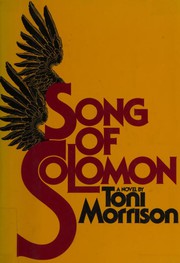
Song of Solomon
Milkman Dead leaves Michigan to hunt for family gold and finds instead the old song of his ancestor Solomon.
2,465-word summary · 11 min read
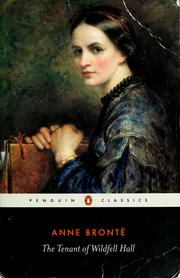
The Tenant of Wildfell Hall
Helen flees a cruel marriage, hides as Helen Graham at Wildfell Hall, and tells her full story through a long diary young Gilbert Markham must read before…
2,838-word summary · 13 min read
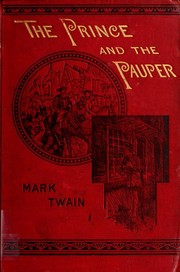
The Prince and the Pauper
Tom Canty and Prince Edward swap clothes in Tudor London and live each other's lives, from palace dinners to prison cells, until a hidden seal decides the…
2,979-word summary · 13 min read

One Day in the Life of Ivan Denisovich
One freezing day with prisoner Shch-854 in a Soviet camp: roll call, bricklaying in the cold, bread rations, and small wins that let Shukhov call the day…
2,668-word summary · 12 min read
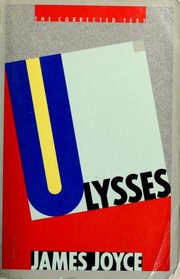
Ulysses
Bloom, Stephen, and Molly cross Dublin on June 16 1904 in parallel to Odyssey, from breakfast to night bed yes.
2,222-word summary · 10 min read