
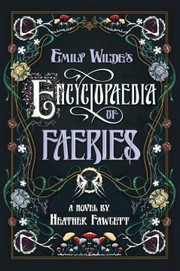
Emily Wilde's Encyclopaedia of Faeries
2,153-word summary 10 min read 317 pages in the book
- First published
- 2023
- Publisher
- Del Rey
- Pages
- 317
- ISBN
- 9780593500132
- Series
- Emily Wilde (#1)
Reading options
What's inside (7 sections)
I read Emily Wilde's Encyclopaedia of Faeries in January with snow outside, which felt correct because the book lives in cold. Del Rey published it January 10, 2023, a 317 page hardcover with ISBN 9780593500132. It is Emily Wilde book one, followed by Map of the Otherlands. It follows Cambridge scholar Emily to Hrafnsvik to study the Hidden Ones, with rival Wendell Bambleby charming everyone. Told as journal with footnotes, it is cozy fantasy with teeth. If you like grumpy scholars, faerie lore, and slow thaw romance, settle in with tea.
Emily Wilde is good at many things. Foremost expert on faeries. Genius scholar. Meticulous researcher writing the world first encyclopaedia. She is not good at people. She cannot small talk. She dislikes parties. She prefers books, dog Shadow, and Fair Folk to humans. When she arrives in hardscrabble Hrafnsvik to study Hidden Ones, most elusive faeries, she has no intention of befriending townsfolk. She hires a gruff housekeeper, offends the mayor, works alone. Then Wendell Bambleby arrives, dashing academic rival who charms town, muddles research, and frustrates her. He knows more about faeries than he admits. So does she about him, eventually.
Journal form carries charm and limits. Dated entries, field notes, footnotes that argue with main text. Emily writes for scholars, so she notes weather, food, door hinges, then faerie lights. She understates feelings. A scary night gets one line about cold tea. A kind act gets footnote apology. Readers learn to read gaps. When she writes Wendell is insufferable, she means confusing. When she writes villagers are tiresome, she means she failed them. That indirection suits a scholar learning people. It also slows action. Readers wanting battles should adjust. This is fieldwork with danger at edges.
Hrafnsvik cold
Hrafnsvik village feels real enough to chill. Snow, pine, fish drying, dogs barking, children staring at strange professor. Townsfolk distrust Emily because past scholars took and gave nothing. They ask for help with changelings, sick cows, missing girls. Emily, focused on Hidden Ones, dismisses at first as superstition. She learns better when a girl vanishes and villagers blame faeries she studies. Her research cannot stay abstract. People need answers, not footnotes. That shift from study to service drives her growth more than romance.
Wendell Bambleby delights from page one. Handsome, funny, lazy, always with tea and stories. Villagers love him. Emily suspects him. He quotes her work wrong to tease. He cooks when she forgets. He knows faerie courts firsthand, though he hides how. His secret, revealed slowly, reframes every charm. He is not just rival. He is exile, king, runaway. Loving Emily risks both worlds. Fawcett handles reveal with care. Clues were there. His knowledge of doors. His fear of names. His tears at songs. Reread rewards. I guessed half and gasped at rest.
Their romance is slow burn done right. No insta love. Bickering, respect, shared danger. Emily notices Wendell hands when he bandages hers. Wendell notices Emily laugh when she forgets to guard. They argue about methods. She wants specimens. He wants stories. Both right. Their first kiss comes after rescue, not during, when adrenaline fades and choice remains. Consent is clear and sweet. He asks. She answers plainly for once. That plainness, from a woman who footnotes feelings, means more than poetry. Cozy romance fans will swoon. Others will appreciateno explicit scenes, just warmth.
Hidden Ones as faeries scare well without gore. They are not cute Tinks. They are tall, cold, curious, cruel by human standards. They take children who wander, not from malice but from different value. A life for a story. Emily bargains with tales, riddles, names. Each encounter costs. A lock of hair. A memory. A promise. Fawcett lore respects folklore. Iron burns. Names bind. Hospitality rules. Do not eat offered food unless you mean to stay. Do not thank effusively lest debt form. Emily, scholar, knows rules and breaks them under pressure, which creates plot. Knowing is not doing when cold and scared. That human gap drives scares more than monsters.
Notes and heart
Footnotes deserve praise as second voice. Emily argues with herself there. Main text states fact. Footnote admits doubt. Main text dismisses Wendell. Footnote records his kindness. Scholars will recognize this habit. Real journals hold quarrels. Fawcett uses them to show thaw without breaking voice. By end, footnotes grow warmer and longer than entries. Research becomes memoir. Encyclopaedia becomes love letter to place and people, not just Folk. That formal shift is the book thesis in structure. Study with heart, not just eyes.
Shadow the dog steals scenes. Loyal, brave, scared of faeries for good reason. He warns Emily by barking at empty air. He follows Wendell though he growls. Animals sense what scholars theorize. When Shadow is hurt, Emily chooses him over research, a turning point. She has never chosen living over books. Choosing dog proves growth more than kissing hero. Pet lovers should know Shadow lives, though scares come. Keep treats nearby while reading. You will want to hug your own.
Fair criticism is gentle. At 317 pages, middle fieldwork repeats. Snow walks, villager chats, Wendell teases. Cozy fans will luxuriate. Plot readers may skim for Hidden Ones. Emily prickliness can tire before thaw. Wendell secret stretches a little long. Readers who dislike academic voice may find journal dry, though footnotes leaven. No explicit content issues beyond faerie danger and mild romance. Ages teens and up fit, though cozy adult women are core fans. The book knows its audience and serves tea.
Who should read. Fans of cozy fantasy, legends and lattes crowd, Sarah Maas fae readers wanting softer, Erin Morgenstern atmosphere lovers will feel home. Pair with Map of the Otherlands next, or with Strange the Dreamer for different faerie cold. Read in winter with blanket. Note lore in margins. Try not to charm villagers too fast. Emily learns slow. So will you, happily. The encyclopaedia grows. So does heart. That is the whole book in one line. Study carefully. Love carefully. Both need fieldwork.
Villagers, Shadow, and stories as payment
Hrafnsvik villagers deserve names because cozy fantasy lives or dies on community. The mayor who distrusts scholars but loves town. The housekeeper who scolds Emily for skipping meals while slipping extra bread. Children who follow Emily to faerie stones though told not to. A missing girl whose parents ask Emily for help she first refuses, then gives. Each villager teaches Emily one social skill she lacks. Greet by name. Accept tea. Listen before noting. Pay with stories, not coin. When Emily finally tells a faerie tale to children by fire, stumbling at first, then finding rhythm, the room warms more than stove. That scene, scholar as storyteller not collector, marks her turn from study to service. Research matters. People matter more. The encyclopaedia improves because entries gain voices, not just facts.
Shadow the dog as moral compass needs emphasis. He growls at Wendell though Emily trusts by end. He barks at empty air where Hidden Ones stand. He follows missing girl scent when humans give up. When hurt, he leans into Emily instead of fleeing. Animals in faerie lore sense truth scholars theorize. Emily, who studies Folk, learns to trust dog nose over footnotes. That trust saves lives twice. Pet lovers will find these scenes hardest and best. Keep treats nearby. Shadow lives, but scares come. Fawcett respects animal readers enough to risk fear for stakes. Good. Cozy does not mean safe. It means care persists through danger. Shadow embodies that. Bark, follow, lean. Enough.
Stories as currency run the book economy and theme. Faeries trade in tales, not gold. Emily bargains with a Hidden One using her own childhood memory, a price she misjudges until paid. Wendell trades jokes for doors. Villagers trade gossip for help. Each exchange teaches Emily that knowledge taken without giving harms. Early, she collects stories like specimens. Late, she tells her own to pay debts. That shift from extractor to participant is decolonial in gentle form. Scholars who study communities owe return. Fawcett, with archaeology background, knows. Emily learns to ask permission, share credit, leave copies. Her encyclopaedia ends with acknowledgments to villagers, dog, and rival turned love. Those thanks are the true publication. Study carefully. Give back equally. Both need fieldwork and heart.
Wendell truth and Hidden Ones price
Wendell Bambleby secret, once revealed, reframes every charm and deserves unpacking without spoiling fully. He is not what Cambridge thinks. A faerie king in exile, hiding behind tweed and tea. His charms are not manners but magic leaking. His knowledge of doors comes from being one who needs them. His fear of names is survival, not shyness. Loving Emily risks both worlds because courts watch. Fawcett plants clues fairly. He never lies about loving stories. He never eats offered food lightly. He cries at songs about exile. Reread his early jokes with knowledge and they ache. Flirtation as deflection from homesickness. Readers who guessed will feel clever. Those who did not will gasp, then reread. Either way, romance deepens from banter to rescue. He needs Emily scholarship to go home. She needs his heart to finish book. Trade, not rescue. Equals at last.
Hidden Ones price for answers needs sober note because cozy can mislead about cost. They do not kill for fun. They take what matters. A memory of mother. A lock of hair that holds youth. A promise to return a favor unnamed. Emily pays each thinking scholarship worth it. Villagers pay more, children who wander. When a girl vanishes, Emily must decide whether research justifies risk. She chooses rescue over notes, burning a page of findings to buy passage. That burning, scholar destroying work to save life, is the book moral peak. Knowledge serves people, not reverse. Later, she rewrites the page from memory, better for having lived cost. The encyclopaedia improves because author bled a little. Remember when studying anything living. Pay fairly. Burn pages if needed to save walkers. Rewrite after. Both acts honor truth.
Hrafnsvik winter as teacher closes the book well. Cold forces togetherness. Storms trap scholars with villagers. Fires demand stories. Emily, who arrived with trunks of books, learns to borrow blankets and tales. By spring thaw, she knows names, debts, songs. Her final entry thanks Hrafnsvik first, Cambridge second. That order would have shocked her in chapter one. Growth measured in acknowledgments. Cozy fantasy at best shows community as method, not backdrop. Fieldwork with heart leaves place better. Emily leaves salt for spirits, repairs for houses, copies for school. Small, real, enough. Winter ends. Heart stays thawed.
Snow, stories, and thaw
Snow as character needs loving detail because Fawcett writes cold better than most. Dry snow that squeaks. Wet snow that soaks boots. Night snow that glows blue. Emily measures drifts like data at first, then like barriers to neighbors. She learns to stamp boots, hang coats, keep kettle on. Villagers teach without lecturing. A child shows her how to fall softly. Housekeeper shows how to bank fire. Wendell shows how to walk without sinking by following dog paths. Those lessons, practical and kind, thaw Emily faster than romance. Cold forces care. You check on neighbors or they freeze. Emily checks, grumbling, then gladly. That shift from data to duty is the book quiet arc. thermometers to tenderness. Track it in margins. First snow entry notes depth. Last notes who needed shoveling. Growth in footnotes.
Stories told by fire do double work as entertainment and payment. Villagers trade tales for Emily help. A missing cow story hides a changeling clue. A wedding story hides a name debt. Emily, trained to collect, learns to reciprocate with Cambridge tales that bore villagers until she tells them right, with voices and pauses. Wendell out tells all, acting parts, singing. His performance teaches Emily that delivery matters as much as data. Scholars who mumble lose rooms. Storytellers who embody win trust. Her final lecture to villagers, explaining Hidden Ones without jargon, holds them silent. That silence is respect earned. She came to take lore. She leaves having given language for fear. Fair trade at last. Remember when studying living traditions. Give good telling back. It matters as much as footnotes.
Thaw as ending satisfies without melting all ice. Spring comes. Passes open. Cambridge recalls. Emily must choose return with book or stay with people and Folk. She chooses both by writing in Hrafnsvik through summer, sending chapters south. Wendell stays too, though courts call. Villagers plant. Shadow sheds. Hidden Ones watch from thawing woods, less hungry in light. No final battle. Just seasonal turn. Cozy fantasy understands that winter survival is climax enough. Spring as reward, not twist. Emily encyclopaedia ends with a recipe for soup as well as a charm against thorns. Both useful. Both earned. Close book with tea gone cold. Warm it again. Write one true footnote about someone you misjudged. Thaw a little. Enough.
FAQ
When was it published?
Del Rey published it January 10, 2023. The hardcover runs 317 pages with ISBN 9780593500132.
Is it part of a series?
Yes. It is Emily Wilde book one, followed by Map of the Otherlands.
Who should read it?
Teens and adults fit best. There is faerie danger and mild romance.
Similar books
More from Emily Wilde first, then related titles.
Agnes Aubert's Mystical Cat Shelter
A 1920s Montreal cat rescuer rents above a disgraced dark magician and must team up with him when a glamorous rival threatens both.
2,227-word summary · 10 min read
The Lost Sisters
Taryn Duarte writes a letter to her twin, Jude, explaining how she fell for Locke and why she stayed silent while he used them both.
1,914-word summary · 9 min read

The Field Guide
Three siblings move into a creepy Maine estate, anger a brownie, and find a forbidden guide to the fairy world in the first Spiderwick book.
2,033-word summary · 9 min read

Magic Burns
A magic flare hits Atlanta, and mercenary Kate Daniels must recover stolen maps, find a missing witch, and keep a teenage girl alive while Celtic gods try to…
2,021-word summary · 9 min read
Blood Bonds
Oleander is chained in a Resistance camp, and her five Bonds have to find her before Silas Davies finishes what he started in this third Bonds that Tie book.
2,018-word summary · 9 min read

The Siren
Saved from a shipwreck in 1930, Kahlen becomes a siren who sings men to their deaths for the Ocean, until a boy in a college library makes her want a life she…
2,369-word summary · 11 min read

The Rose & the Dagger
Shahrzad is pulled from her Caliph husband and left in a desert camp of rebels, needing to break his curse and end a war before it ends her.
2,520-word summary · 11 min read

We Hunt the Flame
In a fractured Arabia-inspired world, a disguised huntress and a prince-assassin race to find a magic-restoring book and confront an ancient evil.
2,195-word summary · 10 min read

Blue Moon
Ever Bloom tries to save her immortal boyfriend, Damen, from a mysterious illness while a new student named Roman quietly takes control of her school and her…
1,998-word summary · 9 min read
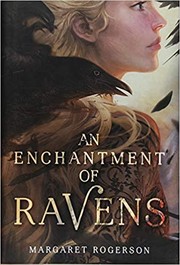
An Enchantment of Ravens
Isobel, a mortal artist in the fairy town of Whimsy, paints a portrait of the autumn prince and falls in love with him, breaking the laws of her craft.
2,087-word summary · 9 min read
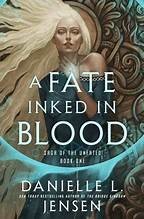
A Fate Inked in Blood
In Norse-inspired Skaland, a fish gutter hiding a goddess's blood is claimed by a jarl, bound by oath, and guarded by the son she cannot want.
1,971-word summary · 9 min read
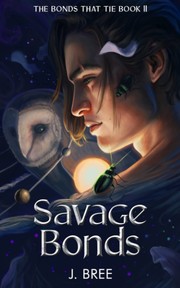
Savage Bonds
Oli's deadly gift is out in the open, her Bond runs the show, and the Resistance is closer than ever in the second Bonds that Tie novel.
2,431-word summary · 11 min read

The Indigo Spell
Sydney Sage hunts an aging witch, learns forbidden magic, and finally admits she loves Adrian, while the Alchemist tattoo on her cheek may be controlling her.
2,604-word summary · 12 min read
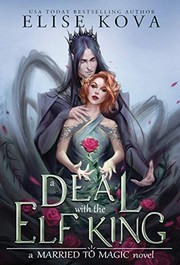
A Deal with the Elf King
A village herbalist is exposed as the hidden Human Queen, married to a cold elf king, and given three months to save his dying kingdom or be bound to it…
2,094-word summary · 9 min read
When the Moon Hatched
An assassin who hears air takes a job that throws her to dragons and a hunter.
2,083-word summary · 9 min read
A Winter's Promise
Ophelia reads objects and is sent to marry Thorn on a cold ark.
2,502-word summary · 11 min read
Broken Bonds
Oleander returns after five years on the run to face the five men she is bonded to, in J. Bree's 2021 opener of resentment, training, and slow trust.
2,582-word summary · 11 min read
A Light in the Flame
Held by Nyktos in the Shadowlands, Sera faces trials, Kolis and the Rot while broken trust is tested.
2,577-word summary · 11 min read
The Rules of Magic
Franny, Jet, and Vincent Owens test strict family rules and a love curse in 1960s Manhattan and Massachusetts in Alice Hoffman's warm prequel about love, loss,…
2,686-word summary · 12 min read

The Golden Lily
Sydney Sage guards Jill at Amberwood Prep in Palm Springs, studies forbidden magic, favors Adrian over Brayden, and faces Alchemist custody in this second…
2,988-word summary · 13 min read
Daughter of No Worlds
A former slave with rare magic hires exiled warrior Max to train her for a daring rescue, sparking slow burn love and wider war in this big 520-page fantasy…
2,529-word summary · 11 min read
The Stolen Heir
Feral ex-queen Suren joins Prince Oak on a frozen quest to stop her mother, Lady Nore.
2,305-word summary · 10 min read
The Iron Daughter
Exiled with Ash after the scepter theft, Meghan hunts the Iron stronghold as iron magic wakes inside her.
2,995-word summary · 13 min read
Strange the Dreamer
Orphan librarian Lazlo Strange joins a quest to the lost city of Weep, where blue-skinned godspawn haunt dreams.
2,221-word summary · 10 min read
Blood & Honey
Married witch Lou and hunter Reid flee church and coven while dark magic tempts Lou to save them.
2,280-word summary · 10 min read
The Young Elites
Adelina survives fever and execution to join a secret group of gifted malfettos plotting against the queen of Kenettra.
3,310-word summary · 15 min read
Sorcery of Thorns
An apprentice librarian framed for sabotage joins a sorcerer and his demon servant to stop attacks on the Great Libraries.
2,926-word summary · 13 min read
Wicked Lovely
Aislinn sees faeries and must decide whether to become Summer Queen while loving mortal Seth.
2,059-word summary · 9 min read
The Reckoning
Twin heirs survive trials and hazing at Zodiac Academy while the heirs start to split.
1,984-word summary · 9 min read
The Bridge Kingdom
A trained bride spies on Ithicana and its bridge king, then love and invasion force choice.
2,044-word summary · 9 min read