
Reading options
What's inside (8 sections)
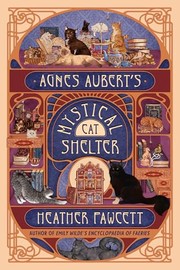
I picked up Agnes Aubert's Mystical Cat Shelter because I needed something kind after a run of grim books, and because Heather Fawcett's Emily Wilde books had earned my trust. I expected cats and banter. I got those, plus a sharper story about order versus mess than the cozy cover suggests. The book came from Del Rey on February 17, 2026, a 368 page hardcover with ISBN 9780593973257. It is set in 1920s Montreal, which already sets it apart from the usual village with a tea shop. Think snow, streetcars, drafty halls, wizards dueling in alleys while ordinary people try to pay rent.
The premise is easy to pitch. Agnes Aubert runs a charity cat shelter. She loves lists, routines, clean cages, labeled tins, adoption records in neat rows. The shelter loses its building and needs a new home fast. The only landlord who will take a room full of stray cats is a man called Havelock, who runs an illegal magic shop out of his basement. He is cantankerous, eccentric, handsome in a way Agnes refuses to notice, and famous for the worst reason. Word says his dark magic nearly brought about the apocalypse three years earlier. Then a glamorous magician comes looking for Havelock, and both the shop and the shelter land in danger. To save her cats and her work, Agnes has to team up with the man she planned to avoid.
I finished it in four evenings, mostly smiling, once with a cat asleep on my feet which felt staged by the universe.
A shelter with no building
Agnes is the engine here, and Fawcett writes her with care. She is proudly type A, the manager who keeps a charity alive through paperwork and persistence. She finds forever homes for stray cats in a city that treats them as pests. She knows which cat bites from fear and which one needs a quiet corner. She keeps lists because lists kept her steady after loss. Fawcett does not turn that into a tragic backstory speech. She lets it show in small habits. Agnes counts tins. She rewrites schedules. She apologizes to cats when humans are rude.
The eviction plot hits hard because it is practical. This is not a chosen one quest. It is a rent problem. The old space is gone, damaged in part by street dueling wizards who treat roofs and alleys as their arena. Donations are thin. The city has rules about animals, noise, and occupancy. Agnes tours impossible rooms with a carrier in one hand and a ledger in the other. When Havelock's building appears, affordable and large enough, it feels too good to be true. It is.
What I liked is how seriously Fawcett takes shelter labor. Feeding rounds, litter, quarantine for sick kittens, vet bills, volunteers who mean well and forget shifts, adopters who promise the moon and return a cat in a week. Those chores fill pages without dragging because cats keep interrupting. A tabby claims Havelock's scarf. A blind kitten learns the stairs. An old tom guards the door like staff. If you have ever fostered, you will recognize the mix of joy and exhaustion. If you have not, you will still get why Agnes refuses to cut corners.
A small warning. The opening moves at a measured pace. Fawcett spends time on intake forms and building tours before magic takes over. I enjoyed the calm, but readers wanting duels on page ten should settle in. The cats are the hook while the plot gathers.
The basement magician
Havelock Renard could have been a stock grump with a soft center. He is more interesting than that. He is the world's most infamous magician in this setting, a dark practitioner whose work three years ago almost ended everything. Now he runs a covert shop from his basement, selling charms and curios to clients who knock in code, while upstairs Agnes scrubs floors and tries to ignore the thumps and smells.
Their first scenes crackle because they misread each other so fully. Agnes sees chaos, mischief, and danger to her cats. Havelock sees an overbearing nuisance with demon animals who shed on his wards. He thinks her rules are fussy. She thinks his wards are excuses for poor housekeeping. Both have a point. His shop really is unsafe for kittens. Her cleaning really does disturb delicate workings. Fawcett lets them argue about drains, doors, and dictionary definitions of tenant while attraction builds underneath.
Havelock's past unfolds slowly. Rumors call him an apocalypse maker. The truth is sadder and more human, tied to ambition, grief, and a spell that outgrew its maker. I will not spoil the details, since the slow reveal powers the back half. What matters early is that Havelock is tired. He jokes to deflect. He hoards artifacts because each one reminds him of a choice. He flinches when Agnes treats him like a normal landlord who should fix the lock. Being ordinary feels harder to him than being infamous.
The shop itself is a delight. Shelves of bottled storms, clocks that run backward when lied to, maps that redraw Montreal after midnight. Fawcett has a gift for making small magic feel tactile. A charm to keep milk fresh. A ward that makes cats sneeze. A ledger that writes back in a rude hand. These touches keep the middle lively between bigger scares.
My one gripe in this stretch is that the rules stay fuzzy. How illegal is the shop. Who licenses magic. What exactly did Havelock do three years ago in technical terms. Fawcett answers some of this late, but readers who like firm systems may fidget. I decided to treat magic here like weather, powerful and partly predictable, and that helped.
The glamorous threat
Every cozy needs a storm, and here it arrives in heels. A glamorous magician comes looking for Havelock, hunting through his collection of artifacts without much care for who gets hurt. Library Journal notes a sister figure obsessed with ransacking his stores, while other summaries frame the intruder as an old enemy. Either way, the effect matches what the publisher promises. The magic shop and the cat shelter both land in jeopardy.
Fawcett handles the escalation well. At first the threat is social. A polished visitor asks pointed questions. Clients stop coming. A suspicious local police detective starts watching the building, half convinced the basement sells more than charms, half charmed by Agnes and her clipboard. Then the threat turns physical. Wards break. Cats hide. A duel spills too close to the cattery. Agnes, who wanted nothing to do with magic, has to learn enough to protect her charges.
The glamorous rival works because she is not a cartoon. She has style, history with Havelock, and a clear want. She believes certain objects belong with her and that Havelock forfeited any claim when he fell. Her scenes with Agnes are the best confrontations in the book. One woman defends with paperwork and pointed politeness. The other answers with power and poise. Neither backs down quickly.
Agnes and Havelock respond by teaming up, reluctantly at first, then with growing trust. She brings organization, local knowledge, and sheer nerve. He brings raw skill and guilty familiarity with the enemy's methods. To get answers they have to venture back into the past, literally, and dive into old choices neither wants to revisit. Those chapters raise the stakes without losing warmth. Even while chased, Agnes worries about who fed the shy gray female.
If you dislike love triangles or rival showdowns, relax. The rival is not here to steal a kiss. She is here to collect, expose, and punish. The romance stays between Agnes and Havelock, slow and prickly.
Cats, chores and a slow burn
The heart of the book sits in ordinary days made strange. Morning feeding while a protection spell hums. Adoption interviews interrupted by a charm backfiring into bubbles. Havelock grumbling about fur while secretly warming milk for a runt. Agnes labeling jars while asking casual questions about wards that could kill her. Fawcett infuses shelter routine and shop routine alike with wonder, and that balance keeps the pages turning when no villain is on stage.
The cats deserve their own paragraph because they are characters, not props. There is the bold orange thief who steals hair ribbons. The scarred old fighter who trusts Agnes alone. The kittens who treat Havelock's coat as a mountain range. The dignified queen who judges visitors and is rarely wrong. They get in the way at perfect moments, trip a spell, comfort a crying volunteer, or simply sit on the exact paper Agnes needs. Cat lovers will be pleased, as Publishers Weekly predicted, but even a dog person will laugh.
The romance earns its slow burn label. Agnes thinks she has no room for chaos, mischief, or adventure. Havelock thinks he has forfeited gentleness. They bring out the worst in each other first. She nags. He sulks. Then they bring out better parts. She learns when to bend a rule for a life. He learns to show up on time, fix what he broke, and say plainly when he is scared. There is banter, one dance like scene in a kitchen that I reread, and several almost confessions cut short by a yowl from upstairs. When they finally name what is happening, it feels deserved rather than scheduled.
Fawcett also threads in Montreal texture without turning the book into a history lesson. French and English bump against each other. Winter light, church bells, market stalls, new radios, short skirts beside long aprons. Street duels feel both thrilling and rude, magic as public nuisance. A landlady, a priest, a nurse who adopts two bonded cats, all ground the fantasy in workaday life.
Into the past and out again
Without spoiling the mechanics, the late section sends Agnes and Havelock back to face the event that made him infamous. This is where cozy tips toward adventure. Corridors narrow. Old friends appear younger and harder. Choices that looked abstract in rumor become specific and painful. Agnes sees Havelock as he was, brilliant and reckless, loved and feared. Havelock sees Agnes as she is, steady under pressure, unwilling to leave even when leaving would be sensible.
I liked that Agnes does not solve the past with a speech. She solves present problems with shelter skills. She inventories. She triages. She keeps count of who is missing. That practical mind, applied to magical wreckage, lets Havelock do what only he can do without carrying it alone. The theme Fawcett keeps circling is second chances, and not only for rescue cats. People who caused harm can still choose repair. People who were hurt can still choose trust, carefully, with eyes open.
The climax mixes both registers. There is a set piece with artifacts, light, and noise that fans of Emily Wilde will enjoy. There is also a quieter rescue, a door held open, a carrier carried down stairs through smoke, a list checked by flashlight. I cared more about the carrier than the artifacts, which tells you where the book's true power lies.
Afterward Fawcett does not rush the wrap up. Adoptions settle. The detective gets a partial truth. The shop gains clearer boundaries. Agnes and Havelock negotiate rent, rules, and something less businesslike with endearing awkwardness. Loose ends remain, but the shelter stands and the household feels chosen.
Cozy with teeth, and a few loose threads
So who should pick this up. If you like cozy fantasy with romance, especially books like The Spellshop or the Emily Wilde series, this belongs on your shelf. If 1920s settings appeal, all the better. Fawcett writes Montreal with affection and uses the period for more than hats. If you foster or adopt cats, you will feel seen, though you may also want to check on your own pets mid chapter.
Now the honest caveats, because cozy should not mean uncritical. A handful of questions go unanswered. The exact legal status of magic, the full chain of who knew what three years ago, and the future of certain artifacts stay hazy. Some readers will wish the glamorous rival got one more scene to explain her claim. The middle sags slightly when shelter tours and shop inventory overlap for several chapters. And if you need hard magic with costs and limits spelled out, this softer system may frustrate you. Fawcett cares more about mood and moral weight than diagrams.
I also wanted a touch more of Agnes's inner life outside cats and Havelock. We get hints of widowhood and lists as lifelines, plus pride in charity management, but friends and family stay thin. A neighbor or sister who argued with her choices would have sharpened her arc. As it stands, Havelock and the cats carry most of the emotional load, and they carry it well enough that I only noticed the gap afterward.
None of that spoiled my stay. At 368 pages the book moves, the sentences are clean, the humor lands, and the romance feels adult. Two people with jobs and pasts negotiate space, literally rooms and shelves, until sharing feels natural. Tags that fit are fantasy, cozy, cats, romance, magic. Keep it near a warm lamp and a willing lap. When a cat steps on the pages, take it as approval from the target audience.
FAQ
When was Agnes Aubert's Mystical Cat Shelter published?
It came from Del Rey on February 17, 2026. The hardcover runs 368 pages with ISBN 9780593973257.
Is it really set in the 1920s?
Yes. It is set in 1920s Montreal, with street duels, a hidden magic shop, and a police detective watching both.
Who will enjoy this book most?
Readers who like cozy fantasy with cats, slow burn romance, and light historical texture will enjoy it. Those wanting hard magic rules may want more detail.
Similar books
Emily Wilde's Encyclopaedia of Faeries
Grumpy scholar Emily studies Hidden Ones in snowy Hrafnsvik with rival Bambleby.
2,153-word summary · 10 min read

Magic Burns
A magic flare hits Atlanta, and mercenary Kate Daniels must recover stolen maps, find a missing witch, and keep a teenage girl alive while Celtic gods try to…
2,021-word summary · 9 min read

Blood Bonds
Oleander is chained in a Resistance camp, and her five Bonds have to find her before Silas Davies finishes what he started in this third Bonds that Tie book.
2,018-word summary · 9 min read

The Siren
Saved from a shipwreck in 1930, Kahlen becomes a siren who sings men to their deaths for the Ocean, until a boy in a college library makes her want a life she…
2,369-word summary · 11 min read

The Rose & the Dagger
Shahrzad is pulled from her Caliph husband and left in a desert camp of rebels, needing to break his curse and end a war before it ends her.
2,520-word summary · 11 min read

We Hunt the Flame
In a fractured Arabia-inspired world, a disguised huntress and a prince-assassin race to find a magic-restoring book and confront an ancient evil.
2,195-word summary · 10 min read
Blue Moon
Ever Bloom tries to save her immortal boyfriend, Damen, from a mysterious illness while a new student named Roman quietly takes control of her school and her…
1,998-word summary · 9 min read
An Enchantment of Ravens
Isobel, a mortal artist in the fairy town of Whimsy, paints a portrait of the autumn prince and falls in love with him, breaking the laws of her craft.
2,087-word summary · 9 min read
A Fate Inked in Blood
In Norse-inspired Skaland, a fish gutter hiding a goddess's blood is claimed by a jarl, bound by oath, and guarded by the son she cannot want.
1,971-word summary · 9 min read
Savage Bonds
Oli's deadly gift is out in the open, her Bond runs the show, and the Resistance is closer than ever in the second Bonds that Tie novel.
2,431-word summary · 11 min read

The Indigo Spell
Sydney Sage hunts an aging witch, learns forbidden magic, and finally admits she loves Adrian, while the Alchemist tattoo on her cheek may be controlling her.
2,604-word summary · 12 min read
A Deal with the Elf King
A village herbalist is exposed as the hidden Human Queen, married to a cold elf king, and given three months to save his dying kingdom or be bound to it…
2,094-word summary · 9 min read
When the Moon Hatched
An assassin who hears air takes a job that throws her to dragons and a hunter.
2,083-word summary · 9 min read
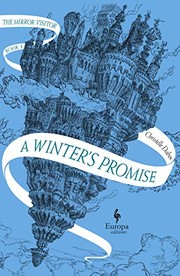
A Winter's Promise
Ophelia reads objects and is sent to marry Thorn on a cold ark.
2,502-word summary · 11 min read
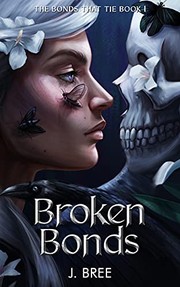
Broken Bonds
Oleander returns after five years on the run to face the five men she is bonded to, in J. Bree's 2021 opener of resentment, training, and slow trust.
2,582-word summary · 11 min read
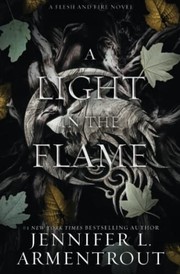
A Light in the Flame
Held by Nyktos in the Shadowlands, Sera faces trials, Kolis and the Rot while broken trust is tested.
2,577-word summary · 11 min read
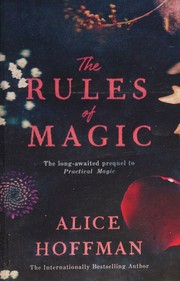
The Rules of Magic
Franny, Jet, and Vincent Owens test strict family rules and a love curse in 1960s Manhattan and Massachusetts in Alice Hoffman's warm prequel about love, loss,…
2,686-word summary · 12 min read

The Golden Lily
Sydney Sage guards Jill at Amberwood Prep in Palm Springs, studies forbidden magic, favors Adrian over Brayden, and faces Alchemist custody in this second…
2,988-word summary · 13 min read
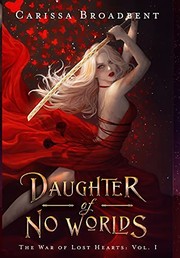
Daughter of No Worlds
A former slave with rare magic hires exiled warrior Max to train her for a daring rescue, sparking slow burn love and wider war in this big 520-page fantasy…
2,529-word summary · 11 min read
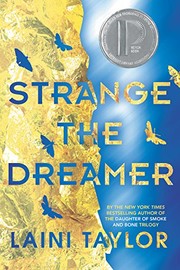
Strange the Dreamer
Orphan librarian Lazlo Strange joins a quest to the lost city of Weep, where blue-skinned godspawn haunt dreams.
2,221-word summary · 10 min read
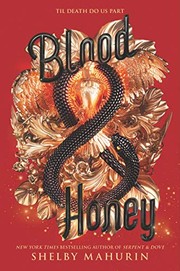
Blood & Honey
Married witch Lou and hunter Reid flee church and coven while dark magic tempts Lou to save them.
2,280-word summary · 10 min read
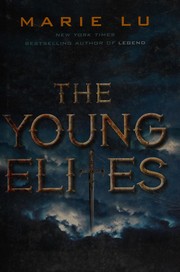
The Young Elites
Adelina survives fever and execution to join a secret group of gifted malfettos plotting against the queen of Kenettra.
3,310-word summary · 15 min read
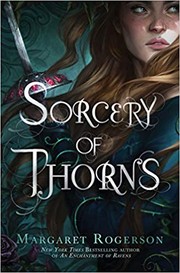
Sorcery of Thorns
An apprentice librarian framed for sabotage joins a sorcerer and his demon servant to stop attacks on the Great Libraries.
2,926-word summary · 13 min read
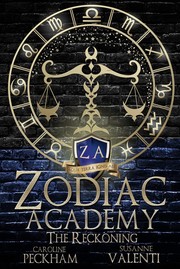
The Reckoning
Twin heirs survive trials and hazing at Zodiac Academy while the heirs start to split.
1,984-word summary · 9 min read
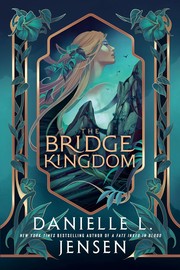
The Bridge Kingdom
A trained bride spies on Ithicana and its bridge king, then love and invasion force choice.
2,044-word summary · 9 min read
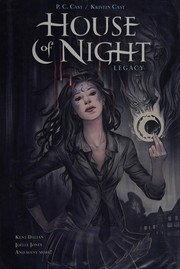
Burned
Zoey's soul hides in the Otherworld while Stark must die to fetch her and Stevie Rae burns secrets.
2,074-word summary · 9 min read

Poison Study
Sentenced to die, Yelena becomes the Commander's poison taster and learns survival in Ixia has a daily price.
2,501-word summary · 11 min read
To Kill a Kingdom
A siren princess turned human must steal a siren-hunting prince's heart to win back the sea.
2,248-word summary · 10 min read
The Shadows Between Us
Alessandra plans to woo the Shadow King, marry him, and kill him for his throne, then finds someone else wants him dead first.
2,571-word summary · 11 min read

Fire
A human monster who reads minds is pulled into war in the Dells and must decide how to use her power.
2,727-word summary · 12 min read