
The Godfather
2,950-word summary 13 min read 446 pages in the book
- First published
- 1969
- Publisher
- G. P. Putnam's Sons
- Pages
- 446
- ISBN
- 9780399103421
- Series
- The Godfather (#1)
Reading options
What's inside (8 sections)
I finally read The Godfather because I had seen the film twice and kept hearing the novel was dirtier and stranger. Mario Puzo published it with G. P. Putnam's Sons in 1969, a 446 page crime novel with ISBN 9780399103421. I expected a tight screenplay on paper. What I got was a big, sweaty, talkative family story that spends as much time on weddings and hospital vigils as on shootings. It moves fast when it wants to, then slows down for ten pages of backstory about someone you just met. That mix is the charm and also the problem.
The opening is famous for a reason. It is late summer 1945 on Long Beach, Long Island, and Don Vito Corleone is hosting the wedding of his daughter Connie to Carlo Rizzi. There is food and music everywhere, plus a long line of guests who want more than cake. In his dark office behind the house, Vito listens. The first man in is Amerigo Bonasera, an undertaker who starts with the line about believing in America. His daughter was hurt by two young men who walked free from court, and now he wants justice. Vito scolds him gently for never showing friendship before, for going to police instead of to him, then agrees to help. Bonasera will owe a favor. That is how Vito works. Favors given, favors banked.
Puzo uses the wedding to introduce everyone without making it feel like a roster. Tom Hagen, the German Irish kid Vito took in off the street and raised as a son, now acts as consigliere and runs the office traffic. Sonny, the eldest son, all bulk and temper, is upstairs with Lucy Mancini, a bridesmaid, while his wife Sandra is downstairs. Fredo, the middle son, soft and eager to please, is drinking and trying to keep up with the older men. Michael, the youngest, shows up in a uniform with ribbons from the Pacific, with his college girlfriend Kay Adams on his arm. He tells Kay stories about his family with a kind of amused distance. That man Luca Brasi over there, he says, is someone his father uses to frighten people. He says it as if he is outside all of it. Kay smiles and listens, and you can tell she thinks this is colorful background rather than a future.
Two side threads at the wedding matter later. Johnny Fontane, a singer plainly modeled on Sinatra, comes to ask for help getting a movie part from a producer named Jack Woltz. Vito sends Hagen to California. Hagen finds Woltz stubborn and proud, sleeping with a young actress and keeping a prized racehorse named Khartoum. The next morning Woltz wakes up in blood with the horse head in his bed. He gives Johnny the part. The other thread is the baker Enzo, whose daughter is threatened by trouble over his wartime status. Vito fixes it with a word. These scenes set the rule of the book. Vito rarely raises his voice. He makes requests sound reasonable until refusal stops being an option.
A wedding and a favor
Vito himself gets a long history section early, and it is worth slowing down for. He was born Vito Andolini in Corleone, Sicily. His father and brother were killed by a local boss, and as a boy he was smuggled to America where his name was changed at Ellis Island. He grew up poor in New York, worked in a grocery, lost the job when a connected man muscled in, and fell in with two small time friends, Pete Clemenza and Sal Tessio. They stole dresses and trucks and sold them cheap. When a neighborhood extortionist named Fanucci demanded a cut, Vito watched him, learned his habits, and killed him on a stairwell with a gun wrapped in a towel. After that, people came to Vito to settle disputes. He helped a widow keep her apartment. He found jobs for men. He arranged papers. He never called himself a gangster. He called himself a man who helped friends.
That past explains his style in 1945. He runs olive oil importing as a front, plus gambling and unions, and he has judges and politicians who take his calls. He believes in reason and long memory. He tells his godchildren that he will make them an offer they cannot refuse, which in the book is less a threat and more a promise that he has thought three steps ahead. His power rests on people feeling grateful and slightly afraid at the same time.
The drug offer that breaks the peace
The plot turns when a man named Virgil Sollozzo comes with a proposal. Sollozzo is called the Turk because he spent time in Turkey and has contacts for poppies. He wants money and legal protection to move narcotics into America. He promises huge returns. Sonny gets excited at the meeting and speaks out of turn, showing interest. Vito says no. His reasons are practical and moral in his own code. Drugs would cost him his political friends, who tolerate gambling but will drop him over schools full of addicts. He also does not want that kind of money near his family. He offers Sollozzo no help and tells him to ask the other families.
Sollozzo hears Sonny and decides Vito is old and in the way. He has Paulie Gatto, a Corleone button man who called in sick on the right days, help set up a hit. Vito is shot while buying fruit outside his office. Five bullets go into him as he reaches for cover behind a car. His driver Fredo fumbles with a gun and drops it and sits on the curb crying. Vito survives, barely, and goes into a hospital under guard. This is where Puzo shifts the book from slow family novel to war story.
Sonny takes charge while Vito is in bed. He is brave in a fight but terrible at patience. He has Paulie killed by Clemenza and Rocco Lampone in a car, with Clemenza famously telling Lampone to leave the gun and take the cannoli after stopping for food. Sonny also starts a brutal affair phase with Lucy, who later gets her own long sad subplot about surgery and loneliness that feels dropped in from another novel. At home Sonny beats Carlo when he learns Carlo hits Connie. He warns him in front of everyone that if he touches her again he will kill him. It stops Carlo for a while, but it also plants hate.
The hospital sequence is one of the best parts. Sollozzo tries to finish Vito with a second attempt. Michael, who has been staying out of family business, happens to visit and finds the guards gone. A nurse tells him the men were pulled off by police. A tough baker named Enzo shows up with flowers for Vito. Michael stands outside in the cold with Enzo to pretend they are armed guards. When cars roll up, Michael holds steady with his hand in his pocket. They turn away. Then Michael notices his jaw hurts because a police captain named McCluskey, who is on Sollozzo payroll, has punched him and broken it. That punch changes Michael. The civilian son sees that law will not protect his father. He decides to step in.
Michael steps in
Hagen gets grabbed by Sollozzo, who says Vito is dead and Sonny should deal. Hagen talks calmly, stalls, and gets released when Vito lives. Sonny wants war with the Tattaglia family backing Sollozzo. Michael sits in a meeting with Sonny, Hagen, Clemenza, and Tessio and says the way to end it is to kill Sollozzo and McCluskey both. Everyone laughs at first because Michael is the college kid. Then he lays out the logic. Sollozzo has to meet him because Sollozzo wants to talk truce. McCluskey will be there as protection. A planted gun behind a toilet tank in a Bronx restaurant can do the job. No one will expect Michael to pull a trigger. He insists he can do it cold and walk out. Sonny stops laughing.
Puzo writes the murder in plain, sick detail. They meet at Louis restaurant. Michael asks to use the restroom, finds the small caliber pistol taped behind the tank, comes back, lets Sollozzo talk, then shoots him in the head and shoots McCluskey through the throat and forehead. He drops the gun and walks out to a waiting car. It is quick and ugly. After that he has to run. Vito men smuggle him to Sicily to hide with Don Tommasino, an old friend. Back in New York, the papers call for justice, the families arm up, and Sonny runs the war with muscle but no plan to end it.
Before Sicily, Michael tells Kay nothing useful. He says he is fine and will call. He does not call. Kay waits, writes letters, gets no answer. She goes to the Corleone house once and is turned away politely. That silence will hang over them for years.
Sicily and Apollonia
The Sicily chapters read like a travel story inside a gangster novel. Michael lives in small hill towns under guard, with two shepherd bodyguards, Calo and Fabrizio. He walks the hills and eats with locals while trying to stay unseen. Then he sees a young woman named Apollonia Vitelli outside her family bar and is struck in a way the book presents as love at first sight. Her father is protective. Michael follows custom, brings gifts, speaks through intermediaries, meets her with chaperones. They marry in a village ceremony. For a short time Michael is almost happy. He teaches her to drive. He talks about bringing her to America. Puzo writes these pages with warm sun and slow afternoons full of food.
It ends badly because Fabrizio sells Michael out for money and a promise of passage to America. A car meant for Michael explodes with Apollonia inside when she tries to move it to show off her driving. She dies in the blast. Michael is burned and scarred and sent from town to town until he can be brought home. He carries guilt that never quite leaves him. In the film this is brief. In the book it runs long, with village politics and the history of the Sicilian bosses who hunted Vito as a child. Some readers love the pause. I found it moving but overlong, and Fabrizio fate later feels like a loose thread Puzo ties too quickly.
While Michael hides, Sonny unravels at home. He means well and fights hard, but he cannot see traps. His sister Connie calls in tears saying Carlo is beating her again. Sonny races out alone in his car toward their apartment. At a toll booth on the causeway, men with rifles step out from a stopped car and from the booths and shoot him down. Puzo describes the toll collector diving for cover and Sonny trying to get out, kicked and torn by bullets, his body left slumped over the car. It is a horrible, plain scene. No speeches. Vito, still weak, hears the news in the hospital and understands his hot son is gone because he acted with his heart.
Peace made by an old man
Vito returns home thin and tired and takes control again. He stops the war not by winning it but by calling a meeting of the heads of the Five Families in New York. The scene runs for pages. Don Barzini, who has been quietly pushing against the Corleones, speaks smoothly. Don Tattaglia mourns his own son Bruno, killed earlier. Don Cuneo and Don Stracci and others from around the country listen. Vito agrees to share his judges and contacts and to allow a controlled drug trade with rules, the very thing he refused before. In return they agree to stop hunting Michael and let him come home. Vito says he will not seek revenge for Sonny, because revenge would take his other children too. Everyone in the room knows he is lying a little, or at least postponing, but his grief sounds real. He talks about grandchildren and wanting no more dead sons. The peace holds because Vito word still counts.
Michael comes back changed. His face is thinner. His jaw was wired after McCluskey punch and the Sicily blast left marks. He tells Kay he wants to marry her. He says his family business will become legitimate within five years. Kay believes him, or wants to. They marry. They have two children, Anthony and Mary. Michael works beside Vito, learning the friends, the payrolls, the favors. He visits Las Vegas to talk to Moe Greene about buying into casinos. Greene mocks Fredo, who has been sent west to learn the casino trade and has shamed himself by chasing women and making mistakes. Michael stays cold and says the Corleones want to buy out. Greene laughs in his face. It is a bad insult to carry back east.
Vito grows tomatoes in his garden and plays with his grandson. He warns Michael that the man who offers a meeting after his death will be the traitor. He says Barzini is the real enemy, not Tattaglia. Then he dies in the garden of a heart attack while playing with the boy, falling among the plants with soil on his hands. Puzo gives him a quiet, ordinary death after all the killing he ordered. At the funeral, Tessio quietly asks Hagen if he can arrange a meeting with Barzini on neutral ground to talk business. Hagen says Michael will consider it. Michael already knows.
Baptisms and settlements
The last section is why people still talk about the book. Michael is now godfather to Connie and Carlo baby. At the baptism in a church, he stands and answers for the child while his men kill across the city. Barzini is shot on the steps outside his office by a gunman dressed as a cop. Tattaglia is killed in bed with a young woman. Cuneo is shot in a revolving door on his way to dinner. Stracci is killed in a lobby. Moe Greene is shot through the eye while getting a massage in Vegas. Tessio, who set up the Barzini meeting, is taken away and understands he is done. He asks Hagen to tell Michael it was only business. Carlo, who beat Connie on purpose to lure Sonny out and who helped set the toll booth trap, is strangled in a car after Michael promises him a flight to Vegas and a job. Connie screams and accuses Michael at the family table. Kay watches.
Puzo crosscuts the church words with the murders in a way the film made iconic. Michael renounces Satan while ordering deaths. Afterward Kay asks him directly if he had Carlo killed. He lies at first, then later admits once, in anger, that he handles family business, then shuts the door of his office in her face as men call him Don Corleone. In the novel Kay stays Catholic and prays for him at the end, lighting candles and asking for his soul. It is darker than romance and colder than tragedy. He got the power. He lost the distance that made Kay love him.
I admired how Puzo keeps plot mechanics clear. Every hit has a setup and a payoff. Paulie absence on shooting day pays off with his death. Fabrizio betrayal pays off pages later. Carlo beating Connie pays off with Sonny death and then with Carlo death. Even Johnny Fontane return later to sing at family gatherings and help with Vegas contacts feels earned. Little setups keep paying off chapters later.
The fair knocks are real too. At 446 pages the book repeats itself. Lucy Mancini gets a long medical detour with a doctor named Segal that stops the war story cold. Johnny Fontane Hollywood chapters run very long for what they add. Some dialogue creaks. Women get narrow roles. Kay waits and worries. Connie is mostly a bruise to motivate men. Lucy is body and grief. Apollonia is beauty and loss. Puzo writes them with some sympathy but from outside. If you need women with plans of their own, this will frustrate you. The book also makes Vito glow a little too warmly. For a man who orders deaths, he gets tender father scenes, garden jokes, reasoned speeches. Puzo knows murder is murder, but he lets charm cover it. Readers who want a harder moral line will find the book too fond of its killers.
Who should read it now? If you love the films, read for what was cut. The Bonasera opening is fuller. The Johnny Fontane business makes more sense. The Las Vegas move is laid out step by step. The politics of the peace meeting are clearer than on screen. If you have never seen the films, the book still works as a family saga about a son who said he was different and proved he was more ruthless than his brothers. Go in knowing prose is plain and serviceable, not pretty. Puzo explains rather than suggests. He tells you why a man is afraid before showing it. Once you accept that voice, pages turn fast.
I closed it thinking about that first wedding. Bonasera asks for justice and learns justice has a price. Michael tells Kay his family is not him and learns family is exactly him. Vito plants a garden he will not live to tend. Puzo lets all three truths sit side by side without forcing a lesson. Power protects and rots. Love excuses and blinds. That tension carries the long middle and makes the baptism sequence hit so hard at the close.
FAQ
When was The Godfather published?
G. P. Putnam's Sons published it in 1969. The first edition runs 446 pages and the ISBN is 9780399103421.
Who are the main characters?
Don Vito Corleone, Sonny, Fredo, Michael, Kay Adams, Tom Hagen, Connie, Carlo Rizzi, Virgil Sollozzo and Captain McCluskey.
Is The Godfather part of a series?
Yes, it opens The Godfather series as book 1, followed by The Sicilian and later sequel novels.
Similar books
More like The Godfather →More from The Godfather first, then related titles.
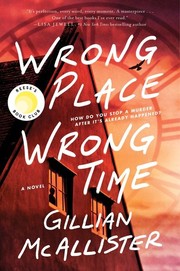
Wrong Place Wrong Time
Jen sees her son Todd kill a stranger, then wakes the day before, slipping back in time to stop the murder.
2,522-word summary · 11 min read

The Outsider
Coach Terry Maitland's DNA and witnesses point to an impossible murder, until Ralph Anderson and Holly Gibney trace it to El Cuco.
2,586-word summary · 11 min read

The Only One Left
Caregiver Kit tends mute Lenora Hope accused of 1929 family murders.
2,592-word summary · 12 min read
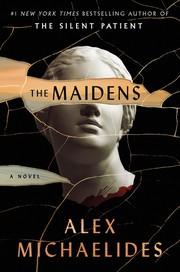
The Maidens
Therapist Mariana hunts Cambridge professor Edward Fosca after a Maidens murder.
2,234-word summary · 10 min read

The Locked Door
Surgeon Nora Davis hides serial killer father while patients die.
2,465-word summary · 11 min read

The Coworker
When odd accountant Dawn vanishes, star salesperson Natalie becomes the prime suspect in a tense office thriller with turtles, lies and revenge.
2,511-word summary · 11 min read