
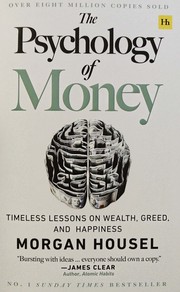
The Psychology of Money
2,504-word summary 11 min read 256 pages in the book
- First published
- 2020
- Publisher
- Harriman House
- Pages
- 256
- ISBN
- 9780857197689
Reading options
What's inside (8 sections)
I picked up The Psychology of Money after hearing it mentioned on two unrelated podcasts in the same week. One host praised it as practical. The other called it comforting. That mix caught my attention, since finance books are rarely described that way. Morgan Housel published it with Harriman House in 2020, a 256 page book built from short stories with ISBN 9780857197689. I expected tips about index funds and budgeting. What I got instead was closer to a set of character studies about why smart people make odd choices with cash.
The central claim is simple.
Doing well with money isn't necessarily about what you know. It's about how you behave.
Housel returns to that point from many angles. Math matters, but temperament matters more. Patience matters more. Knowing when to stop matters most of all. The chapters can be read in short sittings, which fits the argument, since each one tries to land a single observation about conduct rather than a formula.
My first reaction was relief. Someone finally said out loud that a janitor can retire with money while a Wall Street executive can go broke, and that neither outcome is a fluke of intelligence. My second reaction was slower to form. Some chapters repeat the same moral in fresh clothes. Still, the examples stuck with me longer than most charts I have seen in personal finance books.
Everyone learned a different lesson about money
Housel opens with the idea that no one is crazy. People who grew up in different decades carry different pictures of what money does and what danger feels like.
Someone raised during high inflation thinks about prices one way. Someone raised during a long stock rally thinks about risk in a completely separate way. Someone whose parents lost work in a recession may keep extra cash for years, even when the math says to invest it. From outside, those moves can look sloppy. From inside, they feel like common sense shaped by memory.
He points to bonds and stocks and how generations favor one or the other based on what they watched happen when they were young. He talks about lottery tickets and why poorer households buy them more often. A wealthy analyst might call that waste. For the buyer, the ticket buys a day of hope and a topic to share with friends. Housel does not praise the ticket. He asks us to see the logic behind it before judging.
This section made me pause on my own habits. I keep a larger cash buffer than spreadsheets suggest. Part of that comes from watching family members stress over layoffs years ago. Reading this, I stopped treating that buffer as a mistake to fix and started treating it as a trade I had chosen. Less return on paper, more sleep at night.
The limit here is that personal history explains a lot yet cannot excuse everything. A few passages lean so far toward empathy that they soften the need for change. Still, as an opening move, it works. It lowers defensiveness. It invites the reader to ask what invisible history sits behind their own settings for saving and spending.
Luck, risk and knowing when to stop
The next stretch pairs two forces that look alike from a distance. Luck and risk are siblings, Housel says. Both come from the world acting in ways no model fully captures.
His main illustration follows Bill Gates and his school friend Kent Evans. Both attended Lakeside School in Seattle, one of the few schools at the time with serious access to a computer. Both were bright and driven. Gates went on to found Microsoft. Evans died young in a climbing accident before any of that could play out. Housel uses the contrast to show how much rides on chance encounters and timing. A similar point comes through his account of economists and investors who made bold forecasts and missed because one outside event rewrote the path.
Then he flips the lens with two men who ended up in opposite places. Ronald Read was a janitor and gas station attendant in Vermont who lived plainly and bought steady stocks over decades. When he died, he left behind wealth worth millions, much of it given to local causes. Richard Fuscone was a Harvard educated Merrill Lynch executive with a fine career who borrowed heavily to fund a lavish life and later faced ruin during the financial crisis.
Behavior beats credentials in that pairing, and Housel refuses to make it a simple fable about virtue. Read had time and restraint. Fuscone kept raising his target and used debt to chase it. The chapter that follows presses the point with financiers who already had fortunes and risked them anyway, including names tied to fraud and insider trading. The word Housel keeps circling is enough.
I found this the strongest part of the book. It names a feeling I have watched in friends and in myself. A raise lands and spending rises to meet it. The goalpost slides forward again. Housel treats that slide as the core danger for high earners. More skill does not cure it. Only a defined sense of sufficiency does.
If there is a weakness, it is that enough sounds easier on the page than in a competitive workplace or a costly city. Housel admits the pressure is real, yet his advice stays at the level of attitude. A reader facing medical bills or rent spikes may want more concrete help for drawing that line. The stories still hit, even if the remedy feels thin for tight budgets.
Slow gains and staying alive long enough to keep them
From there Housel turns to time. He argues that compounding looks modest at first and then bends in ways our brains resist.
His central case is Warren Buffett. Housel stresses not only stock picking but duration. Buffett began putting money to work as a boy and kept at it for decade after decade. Much of the fortune arrived late because gains had long stretches to build on prior gains. Remove the early start and the long run, and the result would look ordinary. Keep them, and the result looks almost strange.
He pairs that with a cold fact about markets. Big gains often cluster in a small number of days or a small number of companies. Miss those stretches and returns sag. That is why he warns against breaking the chain by selling in panic or by taking risks that can wipe you out. Getting wealthy and staying wealthy call for separate skills. One needs nerve and new ideas. The other needs caution and the will to turn down tempting bets.
Jesse Livermore serves as the dark mirror. A famed trader who made vast sums and lost them more than once, he shows what happens when survival gets ignored. Housel also brings in the idea of tails. In investing and in careers, most attempts land flat while a few winners carry the total. A venture fund may back many firms that fade while one success pays for the rest. A writer may publish for years before one book finds readers.
This is where the book helped me most in daily life. I used to check my retirement account often and feel each dip as a verdict. After this section I changed the habit to quarterly glances. The account did not change. My attention did. That shift saved me from one hasty sale during a rough month, which probably paid for the book many times over.
A fair pushback is that patience is easier to preach when you have steady income. Housel nods to that gap but does not close it. Readers living close to zero may read about decades of compounding and feel shut out. The principle holds, yet the starting line is not the same for all.
What money is actually for
Halfway through, the tone shifts from how returns happen to why we want them at all.
Housel says the highest payoff of wealth is control over time. You choose the schedule and wake without an alarm. You can turn down a project that pays well but eats weekends, or help a parent without asking a boss for leave. That framing cut through a lot of noise for me. It replaced images of cars and kitchens with something plainer and more appealing. Freedom to direct hours.
He follows with the man in the car paradox. When we see someone in a costly car, we rarely think the driver is impressive. We picture ourselves behind the wheel. Spending to earn admiration misfires because observers stay locked in their own view. The admiration we chase seldom arrives.
Then comes a linked claim. Wealth is what you do not see. A flashy spender may look rich while saving little. A quiet saver with modest habits may hold far more. Housel returns to Ronald Read here in spirit, though the point stands on its own. Money kept aside buys options later. Money spent to signal buys a brief reaction now.
He closes this run by praising savings without a fixed purpose. A buffer against an unclear future matters more than a label tied to each dollar. Income can pause. Plans can shift. A gap between what comes in and what goes out gives room to adapt. He describes that gap as protection against the parts of life that refuse to stay on script.
I tried applying this by setting a plain automatic transfer on payday before any other choice. No label, no goal attached. It felt odd at first to save without a target. After a few months, a car repair arrived and the fund absorbed it without argument. That small test sold me on the practice.
The criticism I would offer is that Housel sometimes treats frugality as a purely mental game. Social pressure gets a mention, but the pull of family needs and health costs gets less space. Saving as a habit is sound counsel. Saving as identity can curdle into anxiety if taken too far. The book could have said more about that edge.
Clear heads when the future refuses to cooperate
The middle later chapters deal with judgment under fog.
Housel argues that reasonable beats strictly rational. A plan you can follow through fear and doubt beats a perfect plan you drop at the first shock. He gives the case of investors who know they should hold through declines yet sell because they cannot sleep. A slightly more cautious mix held with calm does better in practice than a bold mix dumped at the bottom. Feelings are part of the system, not noise outside it.
He then takes aim at forecasting. Surprise is the norm, not the exception. Historians can explain the past with clean lines, but people living through events faced messy choices with missing facts. Markets work the same way. Models help, yet they miss politics and panic. Housel urges humility about predictions, even from experts with strong records.
That humility leads to room for error. Keep a margin and avoid single points of failure. Do not size bets so that one bad stretch ends the effort. He likes the image of a bridge built to carry far more than expected traffic. The extra strength looks wasteful until the storm arrives. Cash reserves and modest debt play that role in a household.
He adds that people change. Goals at twenty rarely match goals at forty. Careers bend and tastes shift, while health can alter plans in a single year. Long range money plans should expect that drift instead of locking around one fixed picture. He mentions sunk costs and the courage to quit a path that no longer fits, even after years of effort. Endurance matters, but stubbornness can cost plenty.
This part read like a cooler version of advice I once got from an older relative. Hope for steady progress and prepare for detours. Leave space in the budget for the person you have not met yet, meaning your future self. I wish Housel had spent more time on how to revisit plans on a set schedule. A short checklist for an annual review would have turned these insights into action with less guesswork.
Fees, other players and stories that stick
The closing chapters widen the view from personal habit to shared markets where many motives collide.
One key idea is that returns carry a fee. That fee is not always printed on a statement. It often arrives as volatility and waiting. Housel frames market drops as the cost of admission rather than a punishment for error. Investors who accept that cost in advance are less likely to flee when it comes due. Those who expect smooth gains feel cheated by normal wobble and trade too much.
He then warns that investors play separate games with shared prices. A short term trader and a thirty year saver may look at the same stock and see separate objects. Trouble starts when one copies the other without noticing the gap in horizon. Bubbles feed on that confusion. Prices set by people chasing quick moves get read as signals by people who need slow growth. Housel asks readers to name their own game and judge results only against it.
Two chapters on mood follow. Pessimism often sounds sharper than optimism because bad news grabs focus and progress moves slowly. A crash makes headlines in a day. Better health and wider access to goods build over years without a single photo. The second point concerns stories. People crave clear tales with clean causes. Gaps get filled with plots that feel right but may mislead. Incentives shape which tales spread. Housel urges care about who gains when a story about money travels fast.
The final sections gather these threads and add his own confessions. He describes keeping costs low and valuing independence over display in his own household. He favors simple holdings and a large buffer for peace of mind. Some readers may find those choices dull. He presents them as the price he gladly pays for autonomy.
Here my view splits. On one hand, the ending avoids hype and admits limits, which I respect. On the other, the book leans on anecdote more than data in places, and a few lessons circle back to save more and wait longer in varied dress. Readers who want fund names or tax tactics will need another source. Readers who carry debt with high interest may also need firmer steps before these habits can take hold.
Even with those gaps, the pages left me with a calmer stance. I now ask two plain questions before money moves. What game am I playing with this account. And what fee in worry or waiting am I willing to pay to stay in it. Those questions do not solve every choice, but they cut down regret. For a short book with large aims, that seems like a fair return.
FAQ
When was The Psychology of Money published?
Harriman House published it on 8 September 2020. The standard edition runs 256 pages with ISBN 9780857197689.
Is The Psychology of Money part of a series?
No. It is a standalone book built from 19 short stories, followed later by Same As Ever and The Art of Spending Money.
Who will get the most from this book?
It suits savers and investors who want calmer habits, though readers looking for step by step debt payoff plans may want a second guide alongside it.
Similar books
The Total Money Makeover: A Proven Plan for Financial Fitness
Dave Ramsey lays out seven Baby Steps, from a $1,000 starter fund to a paid-off house, with the debt snowball at the center.
2,663-word summary · 12 min read
The Intelligent Investor
Graham's 1949 guide teaches Mr Market, margin of safety, and defensive versus enterprising plans for calm stock and bond investing.
2,423-word summary · 11 min read
Rich Dad Poor Dad
Kiyosaki contrasts his poor dad and rich dad to teach assets, liabilities and minding your business.
2,031-word summary · 9 min read

Sybil
A 1973 case study of a woman treated for multiple personalities, and the book that made dissociative identity disorder a household phrase.
2,054-word summary · 9 min read
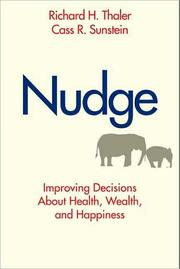
Nudge: Improving Decisions About Health, Wealth, and Happiness
Thaler and Sunstein show how defaults, framing, and social cues steer choices, and argue for choice architecture with an opt-out.
3,146-word summary · 14 min read
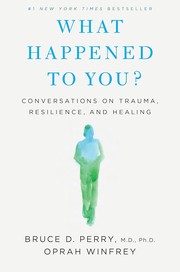
What Happened to You?
Oprah Winfrey and psychiatrist Bruce Perry explain how early experience shapes the brain, and why asking what happened to someone works better than asking what…
2,238-word summary · 10 min read
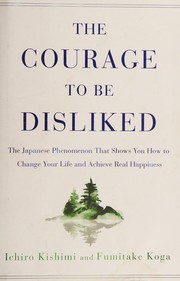
The Courage to Be Disliked: The Japanese Phenomenon That Shows You How to Change Your Life and Achieve Real Happiness
A philosopher and an angry young man argue over five nights about Adlerian psychology, trauma, approval, and the freedom to be disliked.
2,054-word summary · 9 min read
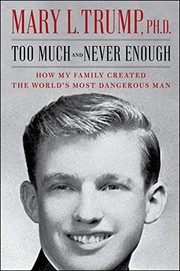
Too Much and Never Enough: How My Family Created the World's Most Dangerous Man
Mary L. Trump's 2020 memoir traces how a cold, zero-sum Queens household shaped her uncle, and uses family tax documents to challenge his self-made story.
2,059-word summary · 9 min read
Moonwalking with Einstein: The Art and Science of Remembering Everything
A journalist spends a year training for the U.S. Memory Championship and discovers that extraordinary memory is mostly technique, attention, and a lot of…
2,027-word summary · 9 min read
Don't Sweat the Small Stuff ... and It's All Small Stuff: Simple Ways to Keep the Little Things from Taking Over Your Life
Richard Carlson’s 1997 bestseller offers one hundred short chapters on lowering the volume on daily irritations, and it is more pragmatic than its title…
2,502-word summary · 11 min read
Made to Stick: Why Some Ideas Survive and Others Die
The Heath brothers break down why some ideas vanish on contact while others lodge in memory, tracing six traits that make a message stick.
2,527-word summary · 11 min read
Four Thousand Weeks: Time Management for Mortals
Oliver Burkeman turns the whole productivity project on its head, arguing that a human lifespan of roughly four thousand weeks is not a problem to optimize…
2,447-word summary · 11 min read
Cultish: The Language of Fanaticism
Amanda Montell argues that the real machinery of a cult is its vocabulary, and she traces how loaded language from 1960s communes to modern wellness brands and…
2,087-word summary · 9 min read

Beautiful Boy: A Father's Journey Through His Son's Addiction
David Sheff recounts watching his son Nic slide into meth addiction, and his own desperate, humbling search for how to help without destroying them both.
2,076-word summary · 9 min read
Columbine
Ten years of reporting on the 1999 school massacre, including a journalist's correction of the myths he helped create in the first hours.
2,232-word summary · 10 min read
The Road Less Traveled: A New Psychology of Love, Traditional Values and Spiritual Growth
M. Scott Peck argues that maturity begins with accepting difficulty, then builds discipline, love, and spiritual growth through honest, often painful work.
2,200-word summary · 10 min read

Smoke Gets in Your Eyes: And Other Lessons from the Crematory
A young medieval history graduate takes a job at an Oakland crematory and becomes a mortician, confronting the physical reality of death and the funeral…
2,003-word summary · 9 min read
Red Notice
An American financier in Moscow exposes a $230 million tax fraud, watches his lawyer die in prison, and turns the case into an international human rights law.
2,008-word summary · 9 min read

Attached
A psychiatrist and a psychologist explain adult attachment styles and show how anxious, avoidant, and secure patterns shape dating, conflict, and the search…
2,157-word summary · 10 min read
All About Love: New Visions
bell hooks borrows a definition of love as an action rather than a feeling, then spends thirteen chapters showing how hard it is to practice.
2,385-word summary · 11 min read
What the Dog Saw and Other Adventures
Nineteen New Yorker essays on pitchmen, ketchup, Enron, profiling, late bloomers and the limits of prediction, arranged in three parts.
2,049-word summary · 9 min read

The Choice
Auschwitz survivor and therapist turns prison into a guide for healing.
2,472-word summary · 11 min read
How to Stop Worrying and Start Living
Carnegie offers day-tight routines for worry built from interviews and worker stories.
2,505-word summary · 11 min read
Dare to Lead
Research on courage shows how leaders build trust through vulnerability and clear values.
2,442-word summary · 11 min read
10% Happier
An ABC newsman panics on air, then finds meditation without losing his edge.
2,590-word summary · 12 min read
Think Again
Adam Grant argues for holding views loosely and testing them like a scientist, moving past preacher, prosecutor, and politician habits at work and in debate.
3,204-word summary · 14 min read
The Black Swan
Taleb argues rare shocks shape history more than models admit, and urges safer exposure over prediction.
2,588-word summary · 12 min read
Essentialism
McKeown argues for less but better: discern the vital few, refuse the trivial many, and use buffers, small wins, and steady routines so key work gets done well…
2,421-word summary · 11 min read
Braving the Wilderness: The quest for true belonging and the courage to stand alone
Belonging to yourself first lets you stand alone and still stay close to others.
2,004-word summary · 9 min read

The Untethered Soul
Singer names the noisy inner voice and shows how watching thoughts, loosening old hurt, and keeping the heart open through surrender can ease daily suffering…
2,752-word summary · 12 min read