Reading options
What's inside (7 sections)
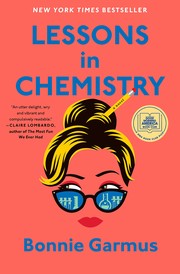
I picked up Lessons in Chemistry because everyone quoted Six-Thirty the dog. The book was published in 2022 by Doubleday. It runs 400 pages. Elizabeth Zott works as a chemist at Hastings Institute in 1960s California. She loves Calvin Evans, loses him, and ends up hosting a TV cooking show called Supper at Six to pay rent. I read it in three nights, laughing and fuming. It is bright, angry, and fond of rowers and dogs.
Elizabeth is prickly and brilliant. She does not smile to please. She corrects men in meetings. She pipettes with care. Calvin Evans, a lonely star chemist who rows at dawn, loves her mind at first sight. They fall fast over beakers and rowing shells. He respects her work. She respects his quiet. They live together without marrying. Colleagues sneer. Hastings fires her after she reports assault by a supervisor and shows pregnancy. Calvin dies in a cold morning run accident before Mad is born. Elizabeth is left with a baby, a mortgage, and a dog Calvin left as guard. Those early chapters mix joy and gut punch. Love found, then cut.
Hastings rots with familiar villains. Dr Donatti steals work and leers. Miss Frask schmes? No, schemes for favor. The board pays women less for same titrations. Elizabeth fights with memos and data. She is fired anyway for being difficult while pregnant. She takes translation work and tutoring to eat. Neighbor Harriet Sloane, a lawyer's wife with a kind heart, watches Mad and brings casseroles. The dog Six-Thirty, named for a rowing time, understands words and guards. Garmus gives him chapters in plain dog logic. Smells, bells, and loyalty. Those dog pages charm without cutesy fog. He works as family, not mascot.
Supper at Six
TV comes as accident. Walter Pine, a producer father of a friend, sees Elizabeth feed Mad with exact measures and offers a cooking slot. She takes it for money and treats the show as chem lab. She tells housewives to salt at the end, to use sharp knives, to write hypotheses for roasts. She calls them chemists, not dears. Audiences love her refusal to simper. Ratings climb. The station wants smiles and sponsor soups. She uses sponsor slots to teach fair pay. She brings Mad on set. She brings Six-Thirty. The show becomes a classroom in aprons. Those studio scenes delight. Cameras hum. Sauces reduce. Women take notes like students.
Mad, her daughter, steals scenes with deadpan smarts. She reads early. She asks why women earn less. She tests her teacher with citations. She loves Six-Thirty and Harriet. She visits her father's rowing club to learn pulls. Garmus writes her as bright without brat. She notices lies adults tell to be kind. She calls them out with love. Her school chapters show 1960s rules for girls, skirts measured, speaking soft. Mad breaks them politely with data. Those pages satisfy because a child says what adults swallow. Salt, stir, and ask why.
Harriet's own fight runs beside. Her husband preaches, her kids mock, and her street wants a freeway through homes. Harriet chains herself to fences and files suits. Elizabeth covers her protest on TV though bosses forbid politics. That alliance of neighbor and chemist gives the book spine beyond romance. Two women with different kitchens back each other. Harriet watches Mad for night shoots. Elizabeth testifies at hearings. Six-Thirty growls at bulldozers. The freeway fight ends mixed, as real fights do. Some homes saved. Some lost. Friendship stays paved.
Calvin lives on in flashbacks and rowing shells. He taught Elizabeth to scull at dawn. He left her his house and dog. He wrote letters she reads late. His death in a run, hit by a truck on icy road, feels random as real deaths do. No villain caused it. Cold and speed did. Grief sits in Elizabeth's hands when she rows alone to think. She keeps his sweaters. She teaches Mad his strokes. Those grief pages avoid melodrama. Work continues. Soup simmers. Oars dip. Love persists in routines, not speeches. That restraint gives early joy weight when TV noise rises.
Hastings Reckoning
Hastings faces Elizabeth again when Supper money lets her sue for back pay and credit. Donatti forges data to keep grants. Elizabeth proves theft with notebooks dated and witnessed. Miss Frask flips sides after years of fetching coffee for men. The board settles with cash and a lab offer. Elizabeth takes money for Mad's school and declines the lab with conditions. She will return only to lead and to hire women at fair rates. That counteroffer thrills readers tired of quiet fixes. Data wins over smiles. Paper beats charm. The win feels partial as real wins do. Whispers call her troublemaker. Citations rise anyway.
Six-Thirty narrates a few chapters with dog sense that works. He smells fear, hears bells, and guards Mad from streets. He learns words like stay, go, and love. He mourns Calvin in his way by sleeping on his shoes. Garmus risks twee here and mostly lands. Dog logic stays simple. Food, walks, and pack. His rescue of Mad from a cold pool cements him as family. Those pages move fast because danger is plain. A child slips. A dog jumps. Neighbors run. No speeches about loyalty needed. Splash and bark prove all.
The end ties with warmth that some call neat. Elizabeth keeps the show on her terms with science first. Mad wins a spelling prize with chem words. Harriet saves half her street. Walter retires with ratings high. Donatti falls to audits. Elizabeth rows at dawn with Mad watching from dock. She does not marry again. She keeps Calvin's name on the house and her own on papers. The last image is a family of three plus dog eating soup while notebooks dry. No Nobel, just supper shared. For a book about fair pay, that table feels like prize enough.
Rowing Dawns and Dog Logic
Rowing dawns hold grief and joy in one shell. Calvin taught Elizabeth to scull on cold water before work. They pulled in sync without talking. After his death she rows alone to think through formulas and loss. Oars dip. Fog lifts. Sweat dries. Mad watches from docks with hot chocolate. Six-Thirty barks at ducks. Those mornings do more than backstory. They show love as practice kept after loss. Work continues. Soup simmers. Boat glides. Elizabeth keeps Calvin's sweaters folded and his seat empty for a season. Then she teaches Mad the stroke. Rites pass hand to hand.
Six-Thirty narrates a few chapters in plain dog sense that works. He smells fear in sweat. He hears bells before booms. He guards Mad from streets and pools. He mourns Calvin by sleeping on his shoes. He learns words like stay, go, supper, and love. Garmus risks twee here and mostly lands because dog logic stays simple. Food, walks, pack. His rescue of Mad from cold water cements him as family beyond mascot. Neighbors bring treats. The station lets him nap by cameras. Those pages move fast because danger is plain. A child slips. A dog jumps. Splash proves loyalty better than speeches.
Hastings rots with familiar faces that never shade. Donatti steals data and leers at skirts. The board nods in unison over pay gaps. Miss Frask fetches coffee for years before flipping with files. A pastor condemns Elizabeth on radio without meeting her. Good men shine without flaws. Calvin webb? No, Calvin Evans kind to the end. Walter Pine decent to the core. A young priest listens. The world splits into lab coats good or bad. Readers wanting gray may skim board sneers. I did and lost nothing. The show plots loop too. Cook, teach pay, scold sponsor, repeat. Shorter seasons would still feed full tables.
Hastings Paper Wars
Hastings paper wars decide more than beakers. Donatti forges data to keep grants flowing. Elizabeth proves theft with notebooks dated and witnessed by Calvin's hand. Miss Frask flips sides after years of fetching coffee and files the right memos at last. The board settles with cash and a lab offer hedged with rules. Elizabeth takes money for Mad's school and declines the bench unless she leads and hires women at fair rates. That counteroffer thrills readers tired of quiet fixes. Data wins over smiles in rooms that count. Paper beats charm when dates hold. The win feels partial as real wins do. Whispers call her trouble. Citations rise anyway.
Mad's school fights mirror labs in small chairs. She reads early and asks why girls earn less in math books. Teachers measure skirts and speaking soft. She answers with citations and polite smiles that infuriate. She tests adults with questions they dodge. Garmus writes her as bright without bratty airs. She notices lies adults tell to be kind and calls them out with love. Her prize for spelling chem words delights the station. Those pages satisfy because a child says what grown labs swallow daily. Salt, stir, and ask why things cost. Small voice, large echo in halls.
Walter's station balances ratings and truth with sweat. He books Elizabeth for money and keeps her when sponsors balk at science talk. He cuts tapes to save her best lines. He retires with numbers high and conscience itchy. His daughter's friendship with Mad ties homes together. Those studio deals show media math plain. Butter pays bills. Truth keeps viewers. Both can share a half hour with care. Walter picks both when he can. When forced, he picks Elizabeth over soup sponsors. That pick costs him bonus and earns him sleep. Decent men in bad systems can still choose doors to hold open.
What Fizzes and What Flattens
Garmus fizzes with voice and righteous jokes. Elizabeth narrates lab life with dry lines about men who repeat her ideas louder. Six-Thirty thinks in smells. Mad speaks in footnotes. Harriet sighs in casseroles. Those voices carry 400 pages fast. Rowing dawns smell of fog and sweat. Studio lights smell of butter. You can finish in a weekend smiling through anger. That mix is the aim. Laugh while tallying wrongs. Take notes like viewers do.
It flattens where villains stay cardboard. Donatti leers and steals without shade. The board frowns in unison. A pastor condemns without listening. Good men, Calvin, Walter, and a young priest, shine without flaws. The world splits into lab coats good or bad. Readers who want gray may skim. I skimmed ten pages of board sneers and lost nothing. The show plots also loop. Cook, teach pay, scold sponsor, repeat. Shorter seasons would still feed. The book prefers plenty to spare, which suits bestseller aims.
There are notes worth stating. The book shows assault with an attempted rape Elizabeth fights off, pregnancy firing, and grief after sudden death. It shows 1960s sexism as routine, not exception. Young readers should know the assault scene is brief but stark. Older readers should not dismiss the book as cozy. Anger runs under jokes. The dog chapters, though loved, anthropomorphize past sense for some. Take Six-Thirty as family member, not manual. Labs need more than good dogs and brave women. They need systems that hear first reports. Garmus nods to this without solving. Bench by bench.
Even with flat villains, the debut holds as a kind, furious kitchen lab tale. Elizabeth keeps data, daughter, and say. Mad keeps questions. Harriet keeps street. Six-Thirty keeps watch. Supper at Six teaches salt and solidarity in one stir. I closed it hungry for soup and fair pay slips. Hypotheses need tests. Kitchens need thermometers. Hearts need rowers who show up at dawn. All passed here with laughs and a dog asleep on shoes.
FAQ
How does Elizabeth end up on TV in the book?
Elizabeth Zott works as a chemist at Hastings, loves Calvin Evans, and is pushed out after assault and pregnancy. She hosts Supper at Six to pay rent.
What does her cooking show do for viewers?
Her show teaches women to salt, stir, and ask for fair pay. Daughter Mad, neighbor Harriet, and dog Six-Thirty back her while bosses scheme.
When was Lessons in Chemistry published?
It was published in 2022 by Doubleday in a 400-page edition. The summary follows that text.
Similar books
More like Lessons in Chemistry →
A Short History of Nearly Everything
Bryson asks how we know what we know, from atoms to continents, with humor and awe.
2,134-word summary · 9 min read

Bossypants
Tina Fey moves from Pennsylvania childhood through improv and SNL to 30 Rock in this funny 2011 memoir. Expect backstage stories, jokes about work and…
2,301-word summary · 10 min read
White Oleander
Astrid cycles foster homes after mother Ingrid murders boyfriend.
2,569-word summary · 11 min read
Tom Lake
Lara tells daughters about young love with actor Peter Duke at Tom Lake.
2,600-word summary · 12 min read

Things Fall Apart
Proud Igbo wrestler Okonkwo rises in 1890s Umuofia, then loses standing through hard exile, a son's conversion, and British missionaries and courts remaking…
2,518-word summary · 11 min read

Their Eyes Were Watching God
Janie Crawford tells Pheoby about Eatonville life with Logan Killicks, Joe Starks called Jody, and Tea Cake.
2,230-word summary · 10 min read