
The Road
3,243-word summary 14 min read 287 pages in the book
- First published
- 2006
- Publisher
- Alfred A. Knopf
- Pages
- 287
- ISBN
- 9780307265432
Reading options
What's inside (9 sections)
I did not want to read The Road for a long time. I knew the outline too well. A father and a son walk through a dead America. Everything is gray. People eat people. It won big prizes. Friends told me it wrecked them. Cormac McCarthy published it in 2006 with Alfred A. Knopf, a short novel listed at 287 pages in the standard edition, and it took the Pulitzer the next year. That made me respect it from a distance. It also made me keep it on the shelf. I finally read it over three cold nights with the heat ticking, and I finished it feeling scraped out and oddly tender. It is the bleakest book I have read in years. I still think about the boy asking if they are the good guys.
The setup is simple. Some unnamed disaster has burned the world years before the story starts. The sun stays hidden behind ash. Trees fall. Rivers run gray. Crops fail. Animals are gone. Birds are gone. Most people who remain steal and kill. The man and the boy, never named, push a shopping cart south toward the coast. They carry blankets, plastic sheeting, cans found in empty houses, a pistol with two bullets, and each other. The man coughs blood. The boy was born after the fire fell, so he has never seen a green leaf or a normal sky. His mother is gone. She walked out one freezing night and killed herself rather than face starvation and assault, and her absence sits over every page.
What hooked me was not the premise. It was the daily work. McCarthy stays close to hands and feet. They wake cold. They shake ash off a tarp. They boil water. They check shoes. They tape plastic over broken windows. They read a tattered map. They argue softly about whether to risk a house off the road. The man keeps watch while the boy sleeps. The boy watches while the man coughs into his sleeve. They say they are carrying the fire. They say they are the good guys. They repeat it the way tired people repeat a prayer, to keep moving when food is gone and the road climbs into snow.
Cold ash and the cart they push south
The first stretch takes them through mountains in early winter. Ash falls like snow and gets in everything. It coats their faces. It blackens snot and spit. They wear masks cut from cloth. They wear coats found in houses. They sleep under an overpass or in woods, curled together under layers. The cart rattles. One wheel wobbles. They stop to fix it with wire. They lose time. They find a stream and filter brown water through cloth. They eat the last of some beans, dividing them with care.
I liked how physical this part feels. You learn what they own by weight. A tarp. A bottle of water. A can of pears. A spoon. A blanket with a burned edge. A pistol wrapped in a rag. The man counts bullets the way other fathers count change. He has taught the boy how to hold the gun against his own head if men take them, which is awful to read and awful to understand. He would rather the boy die fast than be taken by the gangs on the road. The boy knows this. He does not like it. He asks if they would ever have to do that. The man lies a little, then tells the truth, then holds him.
They meet almost no one at first, which is worse. Empty towns pass by with open doors and looted stores. A dog seen far off, thin and wild. A truck stopped with dead people inside. Charred shapes in houses. The man tells the boy to stay close and not look too long. The boy looks anyway. He is young but he understands hunger. He asks why the bad people do what they do. The man says they got hungry and stopped trying to be good. It is not a full answer. It is the only answer the man has after walking this far with blood on his handkerchief.
The cold gets into the prose here. McCarthy writes short bursts. No quotation marks. Fragments. He said. The boy said. Okay. People who hate spare style will struggle. I struggled for twenty pages, then my pace matched theirs. Short steps. Stop. Look. Short steps again.
Men on the road and the rule about the fire
The gangs arrive as noise first. Trucks. Shouts. Dogs barking. The man and the boy hide in ditches and watch boots pass. These groups hunt people. They keep women to breed children for food. They roast infants on spits. McCarthy does not hide this. One scene shows a camp with a small blackened body on a skewer, and I had to put the book down. It is not gore for shock. It tells you why the man sleeps with the pistol in his hand and why he will not build a fire at night unless they are hidden deep in trees.
One afternoon a lone man finds them in the woods. He grabs the boy and holds a knife to his throat. The father shoots him in the head without pause. Blood gets on the boy. They run, leaving most of their things, coughing and stumbling, until they are far away. Later the boy cries and asks if they are still the good guys. The man says yes, they are still the good guys, they are carrying the fire. The boy does not fully believe him. Neither did I, at that point. That is the point. The rule sounds thin when you have just killed a man in front of your child, even to save that child. They keep saying it because without it they would stop walking.
Carrying the fire means they do not eat people. They do not steal from people who need it. They try to help when they can, even when it risks them. It also means the boy lives. The man tells him the fire is inside him. The boy repeats it back when he is scared. It becomes their code and their bedtime story at once.
A short note on style. McCarthy uses almost no names for places, no dates, no clear cause for the disaster. Some readers want answers. You will not get them. A flash in the sky. Clocks stopped at 1:17. That is all. I found that freeing after a while. The book cares about what a father does with two cans of food, not about what caused the ash.
The house where people are kept in the basement
The worst scene comes in a grand old house they think might hold food. It looks lived in. Clothes folded. A padlock on a door to the basement. The man breaks the lock with the boy behind him. The smell hits first. Inside are naked men and women, thin to bone, held on mattresses, missing limbs where their captors have cut meat from living bodies. One man moves his mouth but cannot speak. The boy screams. The man pulls him out and they run into the woods and hide while the owners, a group of armed men, return in a truck.
I still remember the boy begging to help them. He keeps saying they should have helped those people. The man says there was nothing they could do, that those men would have killed them and eaten them too. He is right in practical terms. He knows it. The boy knows it. It still stains them. They sit in rain under plastic and shake. The boy asks why they cannot help everyone. The man has no good reply except that they have to keep going or they will die in those woods.
This is where the book earns its fame and where some readers will quit. It does not look away. It also does not linger to enjoy horror. McCarthy gives you enough to understand, then pulls back to the road, to wet shoes and cold hands. I appreciated that restraint. Other writers would have staged a rescue or a fight. McCarthy lets them flee. Fathers who pride themselves on courage may feel judged here. I felt judged. That seems honest. You cannot save a basement full of starving people when you can barely feed one child.
After that they find apples in an old orchard, hard and small but real. They find water in a well. For a day they eat and laugh a little. The boy asks again about the people in the basement. The man tells him they are the good guys and they tried. The boy accepts it for now because children must accept things to sleep.
The bunker with cans and a hot bath
When they are near starving, the man finds a hidden bunker in a field. A metal door under leaves. Steps down. Inside are shelves of canned fruit, vegetables, soup, beans, coffee, crackers, clothes, blankets, soap, a stove, a water tank, even a small toilet with chemicals. It feels like finding a store that time forgot. They eat slowly so they do not get sick. They heat water and wash. They cut each other's hair. They sleep in real beds. The boy asks if they can stay. The man says no, people who built this may come back, and smoke from a fire would give them away.
Those three or four days are the warmest in the book and the saddest for me. You see who they could be if the world worked. The boy plays with found toys. The man reads old magazines. They drink coffee together. They argue about nothing. Then the man makes them leave most of it hidden and pack only what the cart can hold. He leaves the place as he found it. He writes nothing. He thanks no one. Walking away from safety hurts more than any cold night because you know another hungry stretch waits outside that steel door.
Critics sometimes call this section too lucky, a break that softens the pain. I see why they say that. It is a sharp rise after long hunger. For me it worked because it shows what comfort costs now. They cannot rest without fear. Every good meal ends with listening for boots. Still, if you like hard realism with no relief, you may roll your eyes here. Fair enough. I needed the bath scene to keep going.
They load the cart high and push on. New shoes for the boy. New coat for the man. Cans clinking under a tarp. For a little while the wheels turn easy.
Ely and the thief on the gray road
South of the bunker they meet Ely, an old man on the road with ragged clothes and filmed eyes. The boy begs to feed him. The man resists, then shares food and builds a small fire. Ely says his name may not be Ely. He says he has lived like an animal for years. He talks about God in a tired way, saying there is no God and they will see in time. He thanks them without warmth, eats, sleeps, and leaves in the morning. The boy cries because Ely will die alone. The man tells him Ely will be fine, which is clearly false.
I found Ely important because he answers the boy's hope with flat age. The man protects by force. Ely survives by giving up on people. The boy wants a third way, to share and still live. McCarthy does not pick a winner in talk. He shows it in acts. The boy's kindness does not save Ely, but it keeps the boy himself human. That matters more to the book than fixing the world.
The thief scene tests this harder. Near the coast, after the boy recovers from a fever, they leave the cart to look at the beach and return to find a man running off with everything they own. They catch him on the road. The father puts the pistol to his head and makes him strip naked in the cold as payment, then takes the cart back. The boy wails that this will kill the man, that they are not the good guys if they do this. The father leaves the thief naked and shaking. Later, shamed by the boy, he goes back and leaves clothes and shoes on the road. The thief is gone.
This is the moral center for many readers. Was the father right to punish theft with likely death when theft meant death for his son? I went back and forth. On one hand, the thief stole food from a sick child. On the other, stripping a man in freezing ash is close to murder. The book lets both truths sit. The boy's tears win a partial return of mercy, but not a rescue. That feels true to exhausted people. You do the cruel thing fast, then regret it slow.
Ocean water, the boat, and the shot in the town
They reach the ocean expecting relief and find more gray. Waves roll in slow and cold. Foam looks dirty. The sky presses low. The boy is let down. The man tries to hide his own letdown. They camp in dunes. They sift sand for nothing. Still, the man swims out to a sailboat drifted near shore and climbs aboard. Inside are lockers with food, a first aid kit, a flare pistol, fuel, rope, and dry clothes. He ferries goods back in trips, coughing between swims. They eat. They fire the flare one night into black sky, a brief color no one answers.
The ocean chapters drag for some readers, and I will admit the pace sags here. Beach, cart, camp, beach again. McCarthy repeats searches and meals. Hunger, find, eat, walk. I think the repeat is on purpose, to show how hope thins when the goal proves empty, but purpose does not always make pages turn fast. I skimmed a little on the second dune camp. Then the thief theft snapped me awake, so the slow part serves the shock.
Leaving the coast road through a ruined town, a man in a high window shoots the father in the leg with an arrow. The father answers with the flare pistol through the window. He drags himself out bleeding, burns the wound, limps on. The wound festers. His cough grows worse. Blood comes thicker. He cannot hide it now. The boy watches him wrap the leg and knows.
They turn inland a little, seeking shelter from wind. The man weakens daily. He cannot push the cart far. He sleeps more. He tells stories about his own childhood house, which they had passed earlier on the trip, with a fireplace and a bed he remembered. He tells the boy he can talk to him after he is gone, in prayer or in memory. The boy begs him not to die. The man says he will not leave him in the way that counts, which is both comfort and evasion.
His death is quiet. Under trees off the road, wrapped in blankets, with the boy beside him. No music. No last rescue. He tells the boy to keep carrying the fire, to keep going south, to be careful and brave. Then he dies in the night. The boy stays three days, covering him, sitting with him, refusing to leave. I read those pages slowly. After all the ash and fear, the tenderness lands hard because McCarthy has not spent tenderness cheaply.
The ending brings a veteran, a scarred man with a shotgun and a ski parka, who has been tracking them with his family. He tells the boy his wife and children wait nearby. He says they do not eat people. The boy asks hard questions. Do you carry the fire? Are you one of the good guys? Do you have kids? The man answers yes as best he can. The boy, after long grief, goes with him. A woman hugs him like a mother. There are two children. He has a new small group. The last image widens to trout in mountain streams, a memory of a living world, held in the boy's mind like an ember.
Some readers find that ending too soft after such hard pages. I did not. It does not fix the dead world. It only gives one child a chance to keep kindness alive among four people. That feels right in scale. A full happy rescue would have betrayed the book. This small handoff honors the father's work without pretending the road is safe now.
What wears thin and who should skip it
Fair criticism belongs here because love for this book can sound like worship. The Road is bleak in a way that can flatten mood for days. If you are low, wait. The repeat structure tires even willing readers. Cold camp, search house, eat or starve, walk, hide, cold camp again. McCarthy varies details, a bunker here, Ely there, a boat later, but the rhythm stays. The spare punctuation also divides people. No quotes for speech can blur who says what in fast exchanges. I got used to it, but I had to reread lines twice early on.
The wife's choice will upset many. She leaves a baby and a husband, walks into the dark to die by her own hand, saying she will not face what is coming. The book presents this as clear eyed rather than cruel. Some will read it as abandonment. Some will read it as the only control she had left. McCarthy does not judge her in text. He lets the man remember her with anger and love mixed. I wished for one more scene showing her care for the boy before she left, to balance the memory of her leaving. Without it she becomes mostly an idea, the woman who gave up while the man kept going.
There is also little plot in the usual sense. No plan beyond south and warm. No villain with a scheme. No fix for the ash. If you need momentum from twists, this will feel slow. If you accept that each can of food is a twist when you are starving, the stakes stay high.
Who should read it? Fathers and sons often find it hits close, but mothers and daughters will too. Readers who liked spare survival stories, post war novels, or plain prose with weight will feel at home. Readers who need warm worlds, humor, or clear answers about the disaster should skip it or save it for later. At 287 pages in the standard edition it reads fast in hours but sits long in mind. I finished angry at the father sometimes, proud of him other times, and glad the boy kept asking for mercy when mercy cost food.
I keep returning to small acts. The man washing the boy's hair in the bunker. The boy sharing crackers with Ely though they have little. The man leaving clothes on the road for the thief after taking them. The boy covering his father with a blanket and staying three days. None of these fix the ash. All of them carry the fire in the only way people can now, hand to hand, one cold morning at a time.
FAQ
Who are the man and the boy in The Road?
They are an unnamed father and son walking to the coast after the world burned. The man is sick and coughing blood, the boy is small and kind, and they call themselves the good guys who carry the fire.
What happens at the house with the basement?
They find people locked in a basement being kept for food by cannibals. The father grabs the boy and runs, leaving everything behind to get back to the road before the owners return.
Is The Road too bleak to finish?
It is bleak and repeats cold camps and hunger for long stretches. Readers who stay for the bunker, Ely, the thief, and the ocean scenes often find the ending tender enough to make the hard parts worth it.
Similar books
More like The Road →
The Scorch Trials
Thomas and the Gladers cross a burned wasteland to reach haven while WICKED watches.
2,097-word summary · 9 min read

The Death Cure
Thomas refuses WICKED's final test, remembers too much, and runs with the Gladers toward a last cure and a ship north.
2,955-word summary · 13 min read

The 5th Wave
Cassie Sullivan crosses ruined Ohio to save Sammy after four alien waves, trusting Evan Walker while doubting him.
3,063-word summary · 14 min read
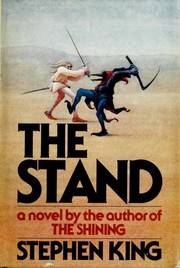
The Stand
A superflu wipes out most people as good and evil gather in two towns.
1,959-word summary · 9 min read
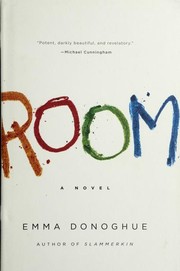
Room
Five year old Jack narrates life with Ma in an 11 foot locked room.
1,960-word summary · 9 min read

The Ballad of Songbirds and Snakes
Young Coriolanus Snow mentors Lucy Gray in the 10th Hunger Games.
3,983-word summary · 18 min read