
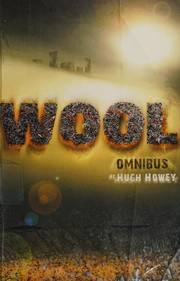
Wool Omnibus
2,095-word summary 9 min read 539 pages in the book
- First published
- 2011
- Publisher
- CreateSpace
- Pages
- 539
- ISBN
- 9781469984209
- Series
- Silo (#1)
Reading options
What's inside (11 sections)
I binged Wool Omnibus on a weekend when the sky was gray, which suited a book about living underground. Hugh Howey first self published Wool in parts in 2011 and collected them as an omnibus in 2012. The CreateSpace omnibus I cite runs 539 pages with ISBN 9781469984209. It is book one of the Silo series. A hundred plus floors buried in earth. Rules about going outside. A sheriff who asks to leave and a mechanic who asks why. Mystery stacked on mystery with action that never stops to lecture. For an indie book that launched a career, it reads remarkably assured.
The silo is the star before any person. One hundred forty four floors down a central stair. Farms on some levels. Markets on others. IT at the top with servers and suits. Mechanical at the bottom with oil and noise. Everyone wears overalls with colors for jobs. Everyone recites the Pact about cleaning. When someone says they want to go out, they are sent out in a suit to clean the sensors with wool pads and die on a hill where everyone can watch. Children are taught the outside is toxic and the view on screens is dead gray. No one remembers who built the silo or why. History stops at the last rebellion, erased on purpose.
Sheriff Holston opens the book by asking to go out. His wife Allison died cleaning three years earlier after discovering something in the servers. He has grieved into curiosity. Mayor Jahns lets him. Holston cleans, walks over the hill, and dies as all cleaners do, but not before seeing something the audience does not. His death shakes Jahns and her deputy Marnes. They need a new sheriff who will not ask questions but who can keep order. They go down, far down, to Mechanical to recruit Juliette, a mechanic who fixes machines others gave up on and who speaks bluntly to power because she never learned not to.
Juliette
Juliette is one of the best science fiction heroines of the 2010s because she is competent rather than chosen. She maintains generators that keep air moving. She dives in oil filled sumps. She leads a crew that trusts her because she works harder than anyone. When Jahns offers her the sheriff star, she refuses until Marnes appeals to loyalty. Her investigation into Holston death is mechanical in method. Follow the wire. Check the seal. Ask who ordered the part. That practicality makes her dangerous to IT chief Bernard, who runs the silo through information control. Juliette does not want revolution. She wants machines to work and people to stop dying for no reason. Wanting that is revolution enough.
Jahns and Marnes journey down is the book warmest stretch. An old mayor and her deputy walking a hundred floors through markets and farms, seeing how the deep levels live, remembering their own youth. Howey takes time here. Food stalls. Barbers. A child who trades a toy for a badge. It is a tour of class as vertical geography. Up top is clean and paranoid. Down deep is dirty and generous. Marnes, who loved Jahns quietly for decades, gets a gentle late romance that ends too soon. Their deaths, when they come, hurt because the walk made them real rather than titles.
Bernard is the villain who believes he saves. Head of IT, keeper of servers, enforcer of the Pact, he orders cleanings to prevent rebellion. He is not sadistic. He is certain. Certainty makes him lethal. He manipulates elections, controls the view on screens, and sends Juliette out when she learns too much. His scenes with the shadowy man behind IT hint at larger design without info dumping. You learn enough to fear him and little enough to keep turning. Later books explain more. Here he works as a manager who will kill to keep the schedule.
Cleaning
Cleaning is the central ritual and Howey stages it perfectly. The condemned is suited, given wool pads, sent through an airlock to scrub the outside sensors. Crowds watch on screens. The cleaner always cleans, even rebels who swore they would smear. Why. That question drives Juliette. Holston cleaned. Allison cleaned. Her friends will clean if sent. Juliette suit, when her turn comes, is secretly sabotaged with good tape by friends in Mechanical, and that small kindness lets her walk farther. Over the hill she sees what Holston saw. Green. Blue. Other silos on the horizon. The view on silo screens was a lie. The air is bad but not instant death. The lie is control.
The walk over the hill is the book iconic image for good reason. A lone figure in a bulky suit cresting a ridge while thousands watch, expecting collapse, seeing instead a wave or a gesture. Howey withholds full explanation. Is the air cleaner now. Did tape save her. Are there many silos. Juliette does not know. She keeps walking because stopping means dying on camera. That forward motion is the series engine. Do not look back at the lie. Walk toward the next truth.
What works and what strains
What works is pace and place. Howey wrote Wool as serials, and each part ends with a pull. A death. A promotion. A tape swap. You can feel the weekly rhythm in the best way. The silo is mapped clearly enough to picture. Stairwell as spine. Levels as ribs. Mechanical heart at the bottom. IT brain at the top. That body metaphor helps a long book stay oriented. Action is physical and clear. Fix this valve. Climb these floors. Hold this breath. No confusing battles. Work as plot.
The strain is prose and people. Howey sentences are plain to a fault, with repeated words and flat dialogue tags. Secondary characters blur. Dozens of mechanics, porters, and deputies get names and die before you learn faces. Romance between Juliette and a doctor is thin, there to give her something to lose rather than to live. IT conspiracy hints frustrate because answers wait for Shift. Readers who want literary science fiction may find this airport paced. Readers who want a world that pulls you down its stairs will not mind.
Politics are simple but effective. Who controls history controls cleaning. Bernard erases rebellions by deleting servers. Juliette restores hope by fixing a suit. That contrast, deletion versus repair, gives the book a maker ethic that resonated with indie readers. Howey self published, fixed his own files, and sold millions. Juliette would approve. Make it work. Share the fix. Do not ask permission from IT.
Who it is for
Read it if you like dystopias about enclosed societies, or if you want science fiction that respects blue collar work. It pairs well with The Hunger Games for its arena ritual and with 1984 for its memory holes, but it is warmer than either about coworkers. Content notes include state murder by exile, suicide by request, claustrophobia, drowning and fall deaths, and birth control coercion through lotteries discussed without graphic detail. Suitable for teens and up.
I finished thinking about stairs. Juliette climbs a hundred floors to take a job she does not want because two old people asked kindly. That climb, step by step with aching knees, is the book in miniature. No teleport. No chosen glow. Just work and curiosity. Wool earns its classic indie status not through perfect writing but through a world you can feel in your legs and a heroine you trust with tools. Keep walking. The hill is not the end. There are more silos out there, and Howey will show you each one if you keep turning.
Series note
Wool continues in Shift, a prequel about the silo builders, and Dust, which resolves Juliette walk. Read in publication order. Wool first for mystery, then Shift for history, then Dust for payoff. Skipping to Shift spoils the hill reveal. The omnibus collects Wool parts one through five only. Later volumes are separate.
Mechanical love
Mechanical deserves a closer portrait because Howey writes work better than almost anyone in modern science fiction. The deep levels run on oil, sweat, and improvisation. Juliette crew includes Walker, an older woman who fixes radios and mothers everyone without softening, and Shirley, a young mechanic who idolizes Juliette and questions her when she leaves for sheriff duty. Their shop talk is full of real detail. Stripped threads. Welds that hold. Pumps that fail at the worst hour. When Juliette is taken upstairs, the crew keeps machines running while plotting to help. That loyalty is earned through shared shifts, not speeches. Readers who fix things for a living will feel seen. Intelligence here is in hands as much as heads.
The stair walk
Jahns and Marnes walk down deserves a second mention for what it teaches about power. They start at the top where orders are given and descend through levels where orders land. Each floor shows a consequence. A school with outdated books because IT deleted history. A farm short on light because Mechanical parts were diverted. A clinic reusing bandages. Jahns, who signed budgets without seeing faces, meets the faces. She does not give a speech about justice. She listens, takes notes, and promises specific fixes. A shipment moved. A part released. That practical repentance makes her death hit harder. She learned too late to save herself but just in time to choose Juliette. Power in Wool is distance from consequences. Walking the stairs closes the distance.
The servers and the lie
IT control runs on a simple trick with deep roots. The screens show a dead gray hill. Cleaners who go out see green and blue before dying from bad air and poor suits. Which view is true. Juliette learns both are edited. The screens show old footage. The suits fail by design after a set distance. Bernard knows and maintains both lies because a hopeless outside keeps order inside. That double lie is why Holston and Allison had to die. They saw the edit. Howey, writing before deepfakes, nailed a modern fear. Images as governance. Whoever controls the feed controls cleaning. Juliette answer is maker based. Fix the suit. Walk farther. Bring back proof in your body rather than on a screen. Truth you can walk through beats footage you watch. Readers who work with media will feel the chill. We live on feeds. Wool asks who cleans their sensors.
Lukas and the stars
Lukas, the stargazer in IT who befriends Juliette, deserves mention because he represents curiosity inside the machine. Assigned to watch stars that may be fake lights, he maps patterns and shares them with Juliette in secret. He is timid, kind, and brave in the specific way of nerds who risk jobs for facts. His punishment, when Bernard catches him, is swift and quiet. A reassignment. A threat to family. Yet he keeps leaving star charts where Juliette will find them. That persistence matters in a book about workers. Not everyone resists with wrenches. Some resist with pencils. Lukas charts prove the sky is wrong the way Juliette tape proves suits are wrong. Two kinds of repair. Same hill. Look up and walk on.
Juliette relationship with her father, the silo doctor, adds a quiet family thread worth naming. He wanted her safe in Medical. She chose grease in Mechanical. They argue in clipped sentences at funerals and reunions. He signs papers that send people out. She fixes suits that let them walk farther. Neither approves of the other job. Both love stubbornly. When Juliette is sent to cleaning, her father watches on screen with hands that have healed hundreds and cannot help his daughter. That helplessness breaks his distance. He leaves his post to help friends smuggle tape. Love here is not reconciliation speeches. It is a doctor risking rank for a mechanic daughter. Howey writes it sparely, which makes it land harder than any speech about freedom.
The lottery birth control in the silo deserves a plain paragraph because young readers ask. To control population, women carry implants that must win a lottery to remove for pregnancy. Juliette refused one for years to stay free for work in deep levels. That choice cost her a relationship and marked her as difficult. Howey presents it without lectures. A system that rations birth rations futures. When Juliette later considers motherhood, the question turns civic as well as personal. Who gets to decide. The silo. Or the woman. Her answer, to keep the choice herself even at cost, fits everything else she fixes. Her body. Her tools. Her call.
FAQ
When was Wool published?
First self published in parts in 2011 and collected in 2012. The omnibus runs 539 pages and the ISBN is 9781469984209.
Who are the main characters in Wool?
Sheriff Holston, Mayor Jahns, deputy Marnes, mechanic Juliette, and IT chief Bernard.
Is Wool part of a series?
Yes. It is book one of the Silo series, followed by Shift and Dust.
Similar books
More from Silo first, then related titles.

The Maze Runner
Maze Runner retold: Thomas wakes in Glade, walls move, Grievers sting, Teresa triggers end.
1,907-word summary · 8 min read

The House of the Scorpion
A clone raised in a drug lord's poppy fields learns what he was made for and chooses what to do with the life he was given.
2,527-word summary · 11 min read
I Who Have Never Known Men
Forty women in a cage, one child who remembers nothing, and a nearly empty world above the bunker. Harpman's quiet, unexplained dystopia.
2,025-word summary · 9 min read

Wither
In a future where women die at twenty, sixteen-year-old Rhine is sold as a bride to a wealthy stranger and plots an escape from a beautiful prison.
2,395-word summary · 11 min read

Never Fade
Ruby, now a leader in the Children's League, must track down the boy whose memories she erased, because he holds the only proof of what caused the disease that…
2,188-word summary · 10 min read
The Twelve
The middle volume of the Passage trilogy braids the year America died, a picnic massacre decades earlier, and the survivors' war against the twelve master…
2,089-word summary · 9 min read
The Caves of Steel
Detective Elijah Baley must solve a Spacer's murder in a domed New York, partnered with R. Daneel Olivaw, a humaniform robot built in the victim's image.
2,445-word summary · 11 min read

The Year of the Flood
Toby and Ren live through the plague apart, guided by God's Gardeners, then join to find Amanda.
2,422-word summary · 11 min read

Life As We Knew It
Sixteen-year-old Miranda keeps a diary while an asteroid strike on the moon brings tsunamis, blackouts, and a frozen year of hunger to her Pennsylvania town.
2,485-word summary · 11 min read
Among the Hidden
Twelve-year-old Luke, an illegal third child, befriends Jen and faces the cost of stepping out of hiding.
2,923-word summary · 13 min read
The Running Man
Out of work in a broken 2025, Ben Richards enters a televised manhunt where each hour alive pays cash.
2,922-word summary · 13 min read
The Infinite Sea
Cassie and Squad 53 wait out winter in a hotel while Ringer is retaken and learns the truth behind the 5th Wave.
2,985-word summary · 13 min read

Pines
A Secret Service agent wakes hurt in Wayward Pines, Idaho, hunting two missing agents, and finds a town that will not let him leave.
2,452-word summary · 11 min read
Parable of the Sower
Lauren Olamina flees burning Robledo with her Earthseed verses and walks north to plant a new faith.
2,311-word summary · 10 min read
The Passage
A failed Army experiment makes blood-hungry virals, and a quiet girl named Amy may hold the answer a century later.
2,755-word summary · 12 min read
The Kill Order
Mark survives flares and Flare virus as WICKED forms thirteen years before maze.
2,129-word summary · 9 min read
Attack on Titan, Vol. 1
Humanity hides behind three walls until the Colossal Titan breaks Wall Maria and Eren Yeager vows to destroy every Titan.
2,357-word summary · 10 min read
The City of Ember
Two twelve-year-olds trade jobs and chase a chewed-up note to save their fading underground city before its lights fail.
2,998-word summary · 13 min read
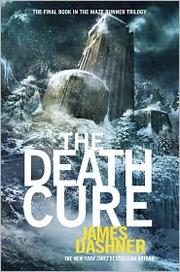
The Death Cure
Thomas refuses WICKED's final test, remembers too much, and runs with the Gladers toward a last cure and a ship north.
2,955-word summary · 13 min read
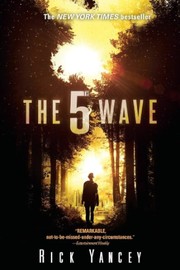
The 5th Wave
Cassie Sullivan crosses ruined Ohio to save Sammy after four alien waves, trusting Evan Walker while doubting him.
3,063-word summary · 14 min read

The Scorch Trials
Thomas and the Gladers cross a burned wasteland to reach haven while WICKED watches.
2,097-word summary · 9 min read
The Hunger Games
Suzanne Collins's The Hunger Games explained: the reaping, Rue, the tracker jackers, the nightlock berry standoff, and what the arena is really for.
2,295-word summary · 10 min read
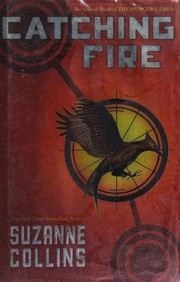
Catching Fire
Suzanne Collins's Catching Fire explained: the Quarter Quell, the arena's secret, Finnick and Johanna, and the moment the Games turn into a rescue.
2,459-word summary · 11 min read
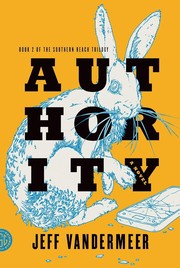
Authority
The new director of the Southern Reach takes over an agency that is hiding the truth about Area X, and the building starts to change around him.
2,029-word summary · 9 min read
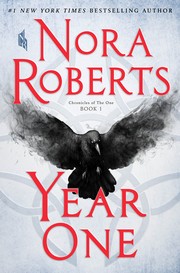
Year One
A plague released in Scotland kills most of humanity, and the survivors discover magic, build a town, and wait for a child who may save them.
2,029-word summary · 9 min read

Iron Widow
Wu Zetian enlists to avenge her sister, kills her pilot, and becomes an Iron Widow in a mecha Huaxia where the machines are built to kill women.
2,444-word summary · 11 min read