
Number the Stars
2,032-word summary 9 min read 137 pages in the book
- First published
- 1989
- Publisher
- Houghton Mifflin
- Pages
- 137
- ISBN
- 9780395510605
Reading options
What's inside (7 sections)
I first read this in school and remembered only the handkerchief. Rereading as adult, I found a careful book about a ten year old learning courage in steps. Number the Stars was published in 1989 by Houghton Mifflin, 137 pages in hardcover, ISBN 9780395510605, author Lois Lowry. Annemarie Johansen helps her best friend Ellen Rosen escape Nazi occupied Copenhagen for Sweden in 1943. It won the Newbery Medal in 1990. I finished in an afternoon and sat quiet after.
Annemarie is ten, with a younger sister Kirsti who chatters and an older sister Lise who died young in an accident that was really Resistance work, though Annemarie learns that later. She lives with her mother and father in Copenhagen under German occupation. Soldiers on corners. Curfews. Shortages. Her best friend Ellen is Jewish, with dark hair and a Star of David necklace she hides. The girls race home from school, get stopped by soldiers for running, learn to walk calmly. Fear as etiquette learned early.
When Nazis plan to round up Danish Jews, Ellen's parents flee and Ellen stays with Johansens pretending to be their daughter. Soldiers search the apartment at night. They see Ellen's dark hair and doubt she is Lise. Annemarie's mother shows a baby photo of Lise with dark hair as infant. The lie holds. That photo trick stayed with me. Truth as baby picture, fragile and enough. The family breathes but cannot rest. Hiding one girl in a small flat with neighbors listening is daily risk.
The Johansens take the girls to Uncle Henrik's coastal house for a fake funeral for a great aunt Birte who never existed. Mourners gather, casket closed, psalms read. Soldiers arrive and demand to open casket. Mrs. Johansen says typhus inside. They leave. That lie about disease to men with guns takes more nerve than any battle. Lowry writes it plainly. No hero music. Just a mother lying well to save lives. After, Jewish families slip to Henrik's boat for Sweden. Ellen says goodbye to Annemarie with her necklace. Annemarie promises to keep it till return.
The packet run
Annemarie's mother breaks ankle on path back, leaving Annemarie to carry an important packet to Henrik alone through woods with soldiers and dogs. The packet holds a handkerchief dosed to confuse dogs' smell, crucial for boat escape. Lowry builds this run with child's logic. Basket with bread and cheese on top to look like lunch. Shoes that pinch. Dogs barking. Soldiers stopping her, teasing, searching basket but not unfolding handkerchief. She answers with truth wrapped in omission. She is bringing lunch to uncle. True. She does not mention packet. That omission as courage is the book's lesson. Brave does not mean unafraid. It means telling part to protect whole.
Henrik explains later that handkerchief with rabbit blood and cocaine, though the book says it gently for kids, dulls dogs' noses. Science as resistance. Annemarie understands she saved lives by walking fast and lying well. She grows up in that walk from girl who races to girl who carries. No transformation speech. Just sore feet and pride mixed with fear.
Peter, Lise's fiancé and Resistance member, threads through. Handsome, kind, brings gifts, teases Kirsti. He helps move families, guards funerals, is later executed and buried unmarked. Annemarie learns Lise died in Resistance work, not accident. That reframes family grief. Pride replaces confusion. Peter's death after liberation news hurts because hope arrived too late. Lowry does not soften. Good people die. Evil loses eventually but takes.
Kirsti as younger sister provides relief and truth. She tells soldiers her sister is pictures, blurts about Ellen's hair, sings. Adults hush. Her innocence risks and saves by turns. A scene where she runs to soldiers to show new shoes distracts at key moment. Children as cover and risk both. Henrik as fisherman uncle is steady and funny, teasing Annemarie about bravery while teaching boat knots. His house smells of fish and salt. Safety as work, not magic.
Why it lasts for kids
Lowry writes for middle grade without condescending. Short chapters. Clear sentences. Fear named but not graphic. Soldiers are menacing, not monsters. One strokes Annemarie's cheek. Another laughs. Evil as ordinary men following orders, which is scarier and truer for kids than demons. Violence off page. Blankets,psalms, boats. A child can picture and bear. Adults reading alongside can fill history.
Historical notes matter. Danish rescue of Jews in October 1943, fishermen ferrying thousands to Sweden, handkerchief trick based on real resistance science, Resistance costs. Lowry researched in Denmark, visited Gilleleje, talked to survivors. An afterword in many editions explains what was true and what imagined. That honesty models how historical fiction works. Story to feel, sources to check. Classrooms pair it with nonfiction well. My school did and I remembered handkerchief decades later, proving method.
Length at 137 pages fits young readers. No sag. Every chapter moves. Race home. Search. Funeral. Run. Liberation. Illustrations in some editions help. Language is plain with Danish words sprinkled. Annemarie's interior thoughts about courage, that it is not knowing but doing despite not knowing, give theme without preaching. Teachers love it for that line. Kids remember run more than maxim, which is right.
Limits are worth naming. Told from Christian Danish view by choice, as Lowry explains, to avoid appropriating Jewish perspective. That choice centers helpers over victims, which some critics question. Ellen is vivid but less interior than Annemarie. Jewish families appear briefly. The focus on kind Danes risks softening Danish complicity elsewhere. Lowry nods to danger and collaborators but keeps tone hopeful. For young intro to Holocaust, that hope is developmentally apt. Older readers should seek Jewish voices alongside. Number the Stars as start, not whole.
Another limit is simplicity. Soldiers fooled by baby photo and typhus lie may feel easy. Real operations had more terror and failure. Lowry protects young readers from full implications, as Kirkus noted, while keeping suspense. That protection is intentional. Adult readers may want more depth on occupation politics. Pair with histories for full picture.
Still, I closed admiring craft and care. A ten year old carrying lunch that saves lives. A mother lying about typhus. A fisherman with dosed handkerchief. A necklace kept till return. Small acts aggregated into rescue of thousands. Courage as daily, not grand. For a child learning what bravery means, that message endures. For an adult, it reminds that helping often looks like lying well to armed men at a door.
If you teach or parent, read together and talk. Who decides to help. What does it cost. How does Annemarie change. Visit a map of Copenhagen to Sweden. Touch a handkerchief. Keep Ellen's necklace in mind. History as basket carried carefully.
Kirsti, Henrik, and Peter
Kirsti as five year old lens deserves love. She tells soldiers about Ellen's hair, sings, shows shoes. Adults hush and she pouts. Her innocence risks exposure and also disarms. Soldiers laugh at her chatter and look away from casket. That distraction saves lives without her knowing. After war she will learn what she carried. For now she plays. Lowry respects child's view without making her prop. Fear through small eyes, questions about why friends hide, pride at running errands. A scene where Kirsti gives Ellen her own doll for the trip broke me quietly. Sharing as courage at five.
Henrik as fisherman uncle balances fear with humor. He teases Annemarie about city hands, teaches knots, smokes pipe, pretends funeral grief while winking. His house smells of salt and nets. He times tides for escape, not heroics. When Annemarie delivers packet, he hugs hard then sends her home fast to protect. No speech about bravery. Soup and blanket and go. Those practical kindnesses model resistance as work. Bail water. Mend nets. Ferry at night. Ordinary jobs turned holy by context.
Peter as Resistance link bridges family and history. Handsome, teasing Kirsti, bringing Annemarie books. He moves families, guards funerals, is caught and executed. News arrives after liberation joy, tempering. Annemarie learns Lise died in same work, hit by truck fleeing Nazis, not accident. That reframes older sister from perfect memory to brave actor. Grief gains pride. Peter's unmarked grave gets flowers from girls. No monument, just visits. Memory as place tended.
Mrs. Johansen's broken ankle on path forces Annemarie's solo run and shows maternal cost. She crawls to hide, sends daughter into danger to save many. That choice, mother risking child for others' children, is the book's hardest ethic. She does not hesitate. Later she limps for weeks without complaint. Fathers fix necklace. Mothers bear breaks. Both love in verbs. Annemarie wearing Ellen's Star till return is promise kept in metal. Faith kept across absence.
Classroom use works because the book invites mapping and making. Draw Copenhagen to Gilleleje to Sweden. Time the boat crossing. Hold a handkerchief. Discuss lying to soldiers. When is lying right. Lowry lets kids debate without prescribing. My class did and remembered. Courage as decision to act despite fear, not absence of fear. That definition, stated simply by Mr. Johansen early, carries whole novel. Tell it to yourself when dogs bark on path.
A final note on protection. Lowry shields young readers from camps and death details, focusing on escape and help. That shield is pedagogically sound for middle grade and historically incomplete by design. Pair with survivor accounts later. Start with Annemarie's run, then widen to those who did not escape. Hope as entry, not end. The book knows and points forward in afterword. Follow it.
Shoes, psalms, and sea
Shoes as detail carry weight for kids. Annemarie runs in worn shoes that pinch on packet run. Kirsti shows new shoes to soldiers to distract. Ellen removes shoes to run quiet in house. Henrik lends boots too big stuffed with paper. Footwear as status and strategy. Poor with tight shoes. Soldiers with polished boots. Refugees barefoot on boats. Lowry notes who wears what without lecturing. Readers feel ground through feet. Sore feet as proof of courage walked.
Psalms at fake funeral work as cover and comfort. Mourners sing while soldiers listen. Words about valleys and shadows fit fear literally. Mrs. Johansen's voice steadies. Peter's bass joins. Annemarie mouths without sound, scared to be heard. Faith as camouflage and truth both. After war, same psalm at real funeral for Peter hurts differently. Songs keep tune, change meaning. Ritual holds grief when explanation fails. I hummed along in mind and felt throat tighten.
Sea crossing to Sweden happens off page for Annemarie, told later by Henrik with spare words. Dark boat. Kids quiet with blankets. Dogs confused by handkerchief. Lights of Sweden as dawn. That restraint suits middle grade. Horror implied, not shown. Refugees safe without spectacle. Annemarie imagines Ellen seeing new shore and smiles through worry. Imagination as bridge while separated. Letters later confirm. Necklace kept till return becomes promise across water. Sea as wall and road both.
Lise, Peter, and necklace
Lise as older sister dead before story starts shapes all. Photos on wall. Piano closed. Parents quiet when her name comes. Annemarie learns she died running for Resistance, hit by truck fleeing Nazis. That truth turns perfect memory into brave actor. Grief gains pride and fresh pain. Peter, her fiance, brings news gently while guarding funeral. He loved Lise and now protects her family. His execution later with unmarked grave mirrors her loss. Young love cut by war twice in one family. Annemarie inherits both stories as younger sister who must live. Keeping necklace for Ellen while mourning Lise and Peter braids private and historic loss. No child should carry so much, yet many did. Peter's gifts, a beret, a book, jokes, make him vivid in few pages. He teases Kirsti, respects parents. After liberation, news of his death arrives with flag. No funeral detail. Just absence at table. Annemarie places flowers where he might lie. Ellen's necklace kept till return is promise across sea. Father fixes clasp. Daughter wears till friend back. Faith kept by other hands awhile. Return imagined, not shown, leaving hope open.
Facts held: first published in 1989 by Houghton Mifflin in the United States, 137 pages in hardcover, ISBN 9780395510605, author Lois Lowry. Summary follows that text.
FAQ
When was Number the Stars published?
It was first published in 1989 by Houghton Mifflin. The hardcover runs 137 pages with ISBN 9780395510605.
Who are the main people?
Annemarie Johansen, Ellen Rosen, Kirsti, parents, Uncle Henrik and Peter.
Is it part of a series?
No. It is a standalone novel.
Similar books
More like Number the Stars →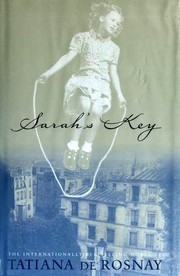
Sarah's Key
In 1942 Paris Sarah locks her brother to save him, then vanishes. Sixty years later journalist Julia traces her, exposing family guilt and silence.
2,591-word summary · 12 min read

The Tattooist of Auschwitz
Heather Morris retells the years of Lale Sokolov as tattooist at Auschwitz Birkenau, his love for Gita Furman, and the food trades and quiet risks that kept…
2,442-word summary · 11 min read

War and Peace
Pierre, Natasha, and Andrei search for meaning amid the Napoleonic wars.
2,536-word summary · 11 min read

Things Fall Apart
Proud Igbo wrestler Okonkwo rises in 1890s Umuofia, then loses standing through hard exile, a son's conversion, and British missionaries and courts remaking…
2,518-word summary · 11 min read

The Three Musketeers
Young dArtagnan joins Athos, Porthos and Aramis to recover the queens diamonds and face Milady.
2,569-word summary · 11 min read

The Thorn Birds
Meggie loves priest Ralph across decades on Drogheda sheep station.
2,280-word summary · 10 min read