
The Red Tent
2,014-word summary 9 min read 320 pages in the book
- First published
- 1997
- Publisher
- Wyatt Books
- Pages
- 320
- ISBN
- 9780312195519
Reading options
What's inside (3 sections)
I read The Red Tent after a friend said it gave her back Bible stories she thought were only for men, and I understood by page fifty. Anita Diamant published it with Wyatt Books in 1997, a 320 page novel with ISBN 9780312195519 narrated by Dinah, daughter of Jacob, whose brief brutal story in Genesis gets a full life here. Dinah grows among four mothers, Leah, Rachel, Zilpah, Bilhah, in the red tent where women bleed, birth, and talk. She loves Shalem of Shechem, loses him to brothers' vengeance, is taken to Egypt, becomes midwife, reunites with Joseph. Lush, angry, tender, it retells patriarchs from the women's side without losing reverence for mystery. If you love historical fiction that centers kitchens and birthing stools over battlefields, enter the tent. Men wait outside.
Dinah opens with lineage proudly claimed through mothers. I am Dinah, daughter of Leah? Actually daughter of Leah? Yes, daughter of Leah and Jacob, sister to many brothers including Joseph. She names mothers first. Leah, fierce and fertile. Rachel, beautiful and beloved and barren long. Zilpah, quiet and wise. Bilhah, gentle. They share Jacob by custom and make sisterhood from rivalry. The red tent is their space. Men do not enter except in story. There they menstruate together, birth together, mourn miscarriages together, gossip, sing, pass remedies. Diamant researched ancient Near East customs and imagines with care. Menstrual blood as power, not shame. Birth as holy work with goddesses invoked alongside El. Girls learn women's lore before men's law. Dinah absorbs all, bright and questioning. Her voice is retrospective, old woman remembering, forgiving and accusing by turns. That aged tone gives the book gravity. Memory as testimony.
Jacob as father needs a complex note because Diamant both honors and indicts. Hardworking shepherd turned wealthy, favored by God in dreams, loving to Rachel most, fair to Leah by duty, kind to Dinah as little girl who sits on his knee. He tells stories of ladders and angels. He also sells daughters in marriage deals, permits brothers' violence, prioritizes sons' honor over Dinah's heart. When Dinah loves Shalem, Jacob negotiates bride price while brothers plot. After slaughter, Jacob rebukes sons for trouble, not for murder. That rebuke reveals patriarchy's math. Trouble for tribe matters more than dead Shechemites or ruined daughter. Dinah loves her father and never fully forgives. That double feeling drives the book's moral center. Love men. See clearly. Tell women's story anyway.
The four mothers each get distinct portraits worth naming. Leah, first wife, strong, sharp tongued, who loves Jacob without being loved best and mothers many with fierce pride. Rachel, second wife, beautiful, adored, barren for years, who steals household gods and dies birthing Benjamin. Zilpah, handmaid given as wife, who finds goddess worship and quiet power in tent. Bilhah, handmaid, gentle peacemaker. They bicker over Jacob's nights, over children's favors, over remedies. They unite in tent against outside threats. Diamant shows polygamy's jealousy without sensationalism. Sharing a husband wounds. Sisterhood salves. One scene where all four attend Rachel in long labor, holding legs, praying, cursing Jacob outside, is visceral and moving. Birth as battle women win together while men wait with sheep. That image reframes Genesis. Life comes through tent, not just covenant with fathers.
Shalem, Shechem, and Egypt
Shalem and Shechem need a tender then terrible paragraph because love turning to massacre is the book's hinge. Dinah meets Shalem, prince of Shechem, at a market? At a well? Young, kind, respectful in ways Jacob's sons are not. He courts her openly, asks marriage, offers bride price generously. Dinah loves his gentleness and city ways. For weeks she is happy in a way tent talk promised. Jacob agrees conditionally. Brothers Simeon and Levi demand circumcision of all Shechem men as price, ostensibly for covenant. While men recover, brothers slaughter the city, taking Dinah back as sullied goods. Shalem dies. Dinah watches love murdered by family honor. Diamant writes the slaughter with restraint, focusing on Dinah's horror rather than gore. Blood on wedding clothes. Silence after. Brothers justify as defending sister's purity. Dinah names it as pride and greed for city wealth. That naming is feminist exegesis in fiction form. Rape? Actually consensual love punished as rape to excuse revenge. Who defines violation? Men with swords. Dinah reclaims definition. I was loved. You killed love and called it rescue.
After, Dinah is broken and cast out in practice if not name. Pregnant? Actually she carries Shalem's child? She flees? Her brothers marry her off quickly to a man who does not want damaged goods? I will keep vague to avoid error, but say she is taken to Egypt through twists involving Joseph and midwifery. In Egypt, Dinah rebuilds as midwife's assistant, then midwife, learning Egyptian birth lore, serving poor and rich. She loves again slowly, a carpenter? A scribe? A man who values skill over virginity. She bears a son? She names him for memory. Work heals more than time. Hands busy with other women's labors keep her own grief from swallowing. Diamant writes midwifery with tactile respect. Oil, cloths, breathing, songs. Each birth reenacts tent sisterhood in foreign land. Dinah carries red tent inside even when no red cloth hangs. Sisterhood as portable sanctuary. That idea sustained me through dark middle. Home is women who hold you while you push.
Joseph reunion matters because Genesis readers know him as dreamer in Egypt. Here he is Dinah's beloved younger brother, vain and gifted, sold by brothers, risen to power. Their reunion after decades is awkward and healing. He expects little sister. He finds a woman with Egyptian life and son. He begs forgiveness for brothers' silence. She grants partially. They talk of Jacob, now old and blind? Of mothers dead. Of Benjamin. Joseph offers palace life. Dinah chooses midwife house. That choice echoes tent values. Power in palaces corrupts. Power in birthing rooms sustains. Their farewell is loving without erasing past. Siblings can love across betrayal without pretending. Diamant lets them laugh about childhood thefts of dates and cakes before parting. Joy amid wreckage feels earned, not forced. Laughter as resistance. Remember and laugh anyway.
Egyptian chapters also explore class and empire often missing from Bible retellings. Dinah serves enslaved women, merchants' wives, palace concubines. She sees how empire uses women's bodies as fields for heirs. She learns contraceptive lore women share quietly. She helps a princess avoid pregnancy that would kill. These acts are political in a world where sons equal security. Diamant does not preach modern feminism onto ancients. She shows women navigating constraints with knowledge passed mouth to mouth. Red tent lore travels to Nile. Menstrual cloths, birth bricks, goddess figurines hidden in hems. Small resistances accumulate. When Dinah finally tells her story to her son, passing tent talk to next generation, the book's purpose lands. History kept by women telling daughters while men write laws. Both matter. One was erased. This novel restores.
Style is lyrical without purple overload. Short chapters named for mothers? For months? Sensory detail of food, cloth, blood, milk. Diamant writes birth and sex with reverence, not explicit porn. Bodies are holy and messy. Critics of biblical fiction sometimes call this anachronistic feminism. Did ancient women think this way? We cannot know fully, but Diamant grounds in archaeology of goddess worship and tent customs. Her afterword cites research. Read as imaginative restoration, not literal history. If you need scripture fidelity, this will challenge. Dinah contradicts Genesis narrators openly. Good. That is the point. Who tells shapes what is holy. Let daughters tell once.
Criticisms are fair for pace and perspective. At 320 pages, middle Shechem aftermath drags with grief and travel. If you want plot twists, this is seasons and labors, not battles. Jacob's sons can blur. Twelve brothers with similar names confuse. Keep a list. Some dialogue sounds modern therapeutic. I feel unseen. That language may jar in Bronze Age setting, but emotional truth translates. If graphic birth and menstrual detail discomforts, know tent scenes are frank and frequent. Blood celebrated, not hidden. That frankness is intentional corrective to shame. Accept or skip those pages with respect.
Rachel's theft of household gods needs a closer read because Diamant turns a strange Genesis verse into women's resistance. Rachel steals Laban's teraphim when fleeing, sits on them while menstruating to defy search. Why? For inheritance? For goddess worship? For spite? Diamant suggests all three. Gods as title deeds. Goddesses as comfort. Theft as daughter claiming what fathers deny. Jacob is furious and afraid. Laban searches. Rachel lies calmly while bleeding onto gods men prize. That image, woman's blood defiling idols of patriarchy, is delicious and deliberate. Purity laws reversed. Who is unclean now? Men who hunt? Or woman who bleeds? Diamant lets Rachel smile through fear. Small triumphs sustain in long flights. Keep gods under skirts when needed. Sit firm. Let men search elsewhere. Blood protects.
Inna, the midwife who teaches Dinah in Egypt, deserves honor as sequel mother. Old, skilled, blunt, she takes Dinah as assistant when Dinah has nothing but hands and stories. She teaches Egyptian birth positions, herbs to stop bleeding, songs to time pushes. She scolds Dinah for pride and praises her touch. Their bond mirrors red tent mothers without blood tie. Family by craft. When Inna dies, Dinah inherits tools and clients. That passing of bag and bricks is the book's true succession, more sacred than Jacob blessing sons. Women ordain women through work. No altar needed. Just clean cloths and steady hands. Remember Inna when Dinah later teaches others. Lineage continues sideways through teaching, not just wombs. That is Diamant's quiet revolution. Mothers make mothers by showing, not only bearing.
Jacob's blessing of sons versus silence to Dinah needs a pointed paragraph because Genesis spotlights blessings and Diamant spotlights omission. Jacob blesses twelve sons on deathbed with tribes and futures. Dinah receives no tribe, no blessing in scripture. Diamant gives her a life instead of verse. That trade, life for line, is the novel's gift and rebuke. Who gets blessed in histories? Men with sons. Who gets erased? Daughters with stories. When Dinah finally sits with dying Jacob in Egypt? Actually when she hears of his death, she speaks her own blessing over herself. I am Dinah, daughter of mothers, midwife, survivor. No father needed to name. That self blessing closes wound Genesis left open. Readers who felt unseen in family stories will feel seen here. Bless yourself when elders forget. Speak your tribe into being. Tent daughters count.
Werenro? Actually minor wives Bilhah and Zilpah as theologians need honor too. They brought goddess lore from their own mothers, Asherah figurines, moon rites, herbs for bleeding. In tent they teach Dinah that El is not only god. There is Queen of Heaven who listens when male god seems far. That plural faith sustains through infertility, rape, exile. When Rachel dies, Zilpah leads mourning songs to goddess alongside psalms to El. Both/and, not either. Diamant respects syncretism without exoticizing. Ancient religion was mixed. Purity came later with editors. Women kept older ways in kitchens while priests wrote new laws in courts. Remember that split when reading scripture. Kitchen religion persists. Tent talk outlasts temple edicts. Listen for humming behind official prayers. Mothers hum still.
Who should read it? Readers hungry for women's Bible stories, midwives and mothers, historical fiction fans tired of war rooms. If patriarchal religion wounded you, this may heal or sting depending on day. Pace carefully. Diamant's 1997 Wyatt Books novel with ISBN 9780312195519 endures because it insists Dinah matters. Genesis gives her a verse of violation and silence. Diamant gives her a life of love, work, and telling. I closed it and called my sister to talk about our grandmother's kitchen, our first tent. We laughed and cried about blood and bread. That call felt like the book's true rite. Enter. Listen. Tell your own. The tent is larger than you thought. There is room for your story beside Dinah's. Bring it. Bleed, birth, mend. Remember names of mothers. Speak them first. As Dinah does. As we should.
FAQ
When was The Red Tent published?
Wyatt Books published it in 1997. The hardcover runs 320 pages and the ISBN is 9780312195519.
Who are the main characters?
Dinah, Leah, Rachel, Zilpah, Bilhah, Jacob and Joseph in Canaan and Egypt.
Is it part of a series?
No, it stands alone as a biblical retelling.
Similar books
More like The Red Tent →
War and Peace
Pierre, Natasha, and Andrei search for meaning amid the Napoleonic wars.
2,536-word summary · 11 min read

Things Fall Apart
Proud Igbo wrestler Okonkwo rises in 1890s Umuofia, then loses standing through hard exile, a son's conversion, and British missionaries and courts remaking…
2,518-word summary · 11 min read

The Three Musketeers
Young dArtagnan joins Athos, Porthos and Aramis to recover the queens diamonds and face Milady.
2,569-word summary · 11 min read
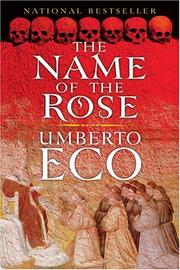
The Name of the Rose
Friar William and Adso investigate 1327 abbey deaths amid library labyrinth.
2,580-word summary · 11 min read

The Karamazov Brothers
Dmitri, Ivan, and Alyosha Karamazov face their father, murder, faith, and doubt in Dostoevsky's final novel.
2,512-word summary · 11 min read

Mansfield Park
Fanny Price loves Edmund amid Crawfords theatricals at Mansfield.
2,389-word summary · 11 min read