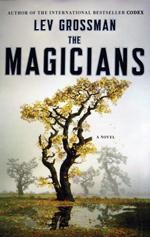
The Magicians
1,995-word summary 9 min read 402 pages in the book
- First published
- 2009
- Publisher
- Viking Press
- Pages
- 402
- ISBN
- 9780670020553
- Series
- The Magicians (#1)
Reading options
What's inside (7 sections)
I started The Magicians expecting Harry Potter for adults and got something sadder and stranger. It came out in 2009 from Viking Press, 402 pages in hardcover. It is the first book in The Magicians trilogy. Quentin Coldwater is seventeen, smart, depressed, and obsessed with a series of kids fantasy novels about Fillory, a magic land with talking animals and quests. Then he finds out magic is real, gets into a secret college, and learns that getting what you want does not fix you.
That last part is the whole book. Quentin gets into Brakebills, learns spells, drinks too much, falls in love badly, graduates, and still feels empty. Then he gets to go to Fillory and finds it is not the books.
Brakebills exams
Quentin lives in Brooklyn with parents who are kind but distant. He goes to a good high school with his friends James and Julia. James is charming and popular. Julia is brilliant, funny, and the one Quentin loves without telling. Quentin aces tests without joy. He magics himself through days with Fillory books reread to falling apart.
A strange man talks to him in a park about an exam. Quentin follows and ends up at Brakebills, a college for magicians hidden in upstate New York. The entrance test is odd. He must make a bird go into a box, answer questions that have no answers, stitch a wound with air. He passes. Julia does not. She is wiped from memory and sent home. Quentin forgets her for months, which will matter later.
Brakebills is strict and lovely. Students are sorted into disciplines, like physical magic, knowledge, healing. Quentin discipline is physical, moving objects with mind and hands. He learns finger positions, old languages, how to draw power without burning out. Lessons are hard. Failure means pain or humiliation. Teachers are tired and brilliant. The Dean is kind in a way that hides steel.
Quentin friends here are Eliot and Janet, older students who drink wine at lunch, wear odd clothes, and speak like they are bored with the world. They take Quentin in. Alice, a quiet girl from a magician family with a dead brother, likes Quentin but keeps distance. Penny is angry and gifted with travel between worlds. Josh is goofy and kind. The group parties, studies, cheats a little, grows up.
I liked how Grossman writes school as work. Spells require practice, memorization, hand strength. Quentin stays up late drilling. He gets nosebleeds. He fails a test and must repeat. Magic does not make life easy. It adds homework to sadness.
Julia absence hangs. Quentin has flashes of a girl he should know. He calls a wrong number and cries without knowing why. When memory returns later, guilt hits. He got in. She did not. He forgot. That guilt drives much of his need to prove the world is fair, or at least interesting enough to forgive him.
Love, drink, and wasted talent
The middle of the book is college life with magic. Quentin sleeps with Janet, then pines for Alice, then sleeps with someone else while drunk. He drinks too much at Eliot cottage, a magical house that expands and hides. They play games, have long dinners, avoid talk of after graduation. Everyone is talented and scared.
Alice and Quentin slow build is tender. Alice lost her brother Charlie to magic gone wrong. Her parents are famous magicians who treat her as a second chance. She studies hard to avoid his fate. Quentin likes her focus. She likes his Fillory love, even though she teases it. They date quietly, study together, fix each other tea during exams. Sex is awkward and sweet. They say the wrong thing and laugh.
Then Quentin ruins it. At a graduation party, drunk and self pitying, he sleeps with Janet while Alice is in the next room. Alice finds out. She leaves without screaming, which is worse. Quentin tries to apologize with letters and spells. She burns the letters. Eliot tells Quentin he is an idiot in the precise way only a friend can. Quentin agrees and keeps drinking.
This stretch will annoy readers who want heroes. Quentin is selfish, moody, and often boring in his sadness. Grossman knows it. He lets other characters say so. Janet calls him a tourist in his own life. Eliot says brilliance without kindness is just trivia. Penny says magic does not owe you joy. Those lines keep Quentin bearable because the book does not excuse him.
Julia story runs parallel and darker. Wiped from Brakebills, she remembers enough to know magic is real. She seeks hedge witches, street magicians who teach for cash and risk. She learns rough spells that hurt. She joins a group that promises power, is used, degraded, and discarded. By the time Quentin finds her again, she is powerful and broken. Her chapters are short, cold, and hard to read. They show the cost of a system that picks a few and drops the rest.
I found Julia sections the strongest writing. Grossman drops the witty college tone and writes plainly about exploitation. No jokes. A girl who did everything right is told she is less, then preys upon by men who sell secrets. Her survival is not triumphant. It is scarred. It reframes Brakebills privilege sharply.
Graduation into nothing
After Brakebills, the group moves to New York with money from a spell and no purpose. They live in a loft, drink, do small magic for fun, avoid jobs. Quentin works a dull office temp job and hates it. Eliot drinks through afternoons. Janet shops. Alice is gone. Penny left earlier after a falling out. Josh drifts.
Grossman writes this post college drift well. Days blur. Magic tricks that once thrilled now impress no one because there is no one to impress. Quentin thinks about Fillory books and wonders if quests would give shape. He calls Julia number, gets silence. He writes Alice emails he does not send.
A chance comes through Penny, who returns with news. He found a way to Fillory, or thinks he did. The old magic buttons that travel between worlds still work. The group, plus Julia who knows hedge routes, decides to go. Not for noble reasons. For boredom, curiosity, and a hope that a magic land will feel like the books.
The travel sequence is fun and scary. Buttons, neitherlands, fountains, rules about giving and taking. They pass through a city of magicians who trade memories. They lose time. They argue. Quentin feels alive for the first time in months, which scares him because aliveness should not require leaving Earth.
They reach Fillory and it is beautiful and wrong. Talking animals exist but are tired and afraid. The landscape matches books in places, meadows, rivers, a castle, but with rot underneath. Crops fail. Rivers run low. The Chatwin children from the books, now old or gone, left messes. Magic here is thin.
Fillory and the Beast
The quest forms. Ember and Umber, the ram gods of Fillory, are missing or weak. A figure called the Beast rules a dark wood and eats magic. The group splits to find weapons from the books, swords, horns, crowns. They bicker about who leads. Quentin assumes it is him because he read most. Janet points out reading is not ruling.
They find the swords. They find a questing beast that is not cute. They meet talking animals who do not trust humans because past human kings hunted for sport. Alice returns here, having tracked them through magic she barely survived learning. She does not forgive Quentin, but she fights beside him because the job needs doing.
The Beast reveal lands hard. He is Martin Chatwin, the youngest Chatwin child who stayed in Fillory and learned too much. He became something that eats magic to stay young and in control. He knows the books. He quotes them while killing. The final fight in a castle courtyard is not elegant. Spells misfire. Hands shake. Blood ruins good coats.
Alice saves them at high cost. She has studied a dangerous spell that turns magicians into raw power. She warned Quentin never to use it. In the fight, with Quentin pinned and the Beast about to kill, she uses it herself. She becomes a niffin, a wild magic creature, and destroys the Beast, then flies away beyond reach. Quentin screams her name. She does not turn back. It is not a noble sacrifice with music. It is a bright, awful burn that leaves ash and silence.
Quentin survives because Alice chose. He knows it. That knowledge sits in him like a stone. He wanted to be a hero. He watched the person he hurt most become the weapon that saved him.
After, Ember appears and judges them. He tells Quentin that quests do not fix people. He offers them kingship of Fillory as repair, not reward. Quentin, Eliot, Janet, and Julia stay as kings and queens. It feels less like triumph and more like a job no one else will do.
Kings who do not heal
The last section follows their rule. They hold court, judge disputes about wells and fences, hunt, feast. For a while it works. Eliot makes wine. Janet makes laws with jokes. Julia heals quietly and avoids crowds. Quentin rides out to see the land and feels useful for an hour at a time.
But sadness follows. Quentin still thinks of Alice as light in corners. Julia still flinches at touch from her hedge years. Eliot drinks to blur mornings. Janet acts happy and writes long letters home she never sends. Ruling a sweet land does not cure depression, addiction, or trauma. Grossman is clear about that without lectures.
The book ends with Quentin returning to Earth briefly and choosing to go back, not because he is healed, but because Fillory needs work and he can do work. He visits his parents, who are proud and confused. He sees James, who moved on. He does not see Julia family because there is nothing to say. He steps through again, older in a way school never made him.
What worked for me was honesty about gifted depression. Quentin has everything smart kids are told to want, selective school, power, friends, a magic kingdom, and still wakes sad. Grossman does not say magic is fake or useless. He says it does not replace purpose, amends, or care. That message will hit readers who did everything right and feel flat after.
What dragged was pace in the New York drift. Fifty pages of loft parties feel long. I get that boredom is the point, but reading boredom still tests focus. A tighter cut would keep the ache without the yawns. Some Fillory travel also leans on book references that new readers will miss. If you never read Narnia, and this riffs on Narnia hard, jokes about fauns and talking beavers land softer.
Quentin likability is a hurdle. If you need to like the lead, you may quit early. I stayed because Alice, Julia, Eliot carry chapters with clearer hearts. By the end I cared for Quentin the way you care for a friend who keeps messing up but keeps showing up to fix fences. A small scene near the end sealed it for me. Quentin helps a Fillory farmer reset a broken well pulley in rain, without magic, because magic would crack the old stones. His hands blister. The farmer offers soup. They eat without talk. No quest update, no prophecy. Just work done right. For a boy raised on chosen one stories, that soup mattered more than crowns.
Content notes. There is heavy drinking and drug use, depression and self loathing, infidelity and messy sex with frank detail but not erotica, abortion mentioned in passing, sexual exploitation and assault in Julia hedge storyline off page but described in impact, violence with swords and spells leading to death, animal harm in hunts, and grief after Alice transformation.
FAQ
Is this the first book in a series?
Yes, as book one of The Magicians trilogy. It ends with them ruling Fillory but damaged. Later books follow the cost and Alice fate.
What happens to Alice in the final fight?
She uses a forbidden spell to become a niffin of raw magic, destroys the Beast, and flies beyond reach. Quentin lives because she chose.
Similar books
More like The Magicians →More from The Magicians first, then related titles.

The Atlas Six
Six rival magicians join the Alexandrian Society where five survive.
2,028-word summary · 9 min read

Fairy Tale
A grieving teen cares for a recluse and his old dog, then finds a shed well leading to Empis, a fading world at war.
3,203-word summary · 14 min read

Babel
A Chinese orphan trained in translation magic at Oxford must choose between empire and resistance as Britain drives toward war with China.
3,696-word summary · 16 min read

A Wizard of Earthsea
A proud goatherd becomes the wizard Ged, looses a shadow at Roke, and must hunt it across Earthsea to name it. Le Guin's lean 1968 series opener.
2,972-word summary · 13 min read

Ninth House
Dropout Alex Stern sees ghosts and monitors Yale secret societies after a townie murder.
2,271-word summary · 10 min read

Assassin's Apprentice
Bastard Fitz trains Skill Wit as assassin for Buckkeep.
2,518-word summary · 11 min read