
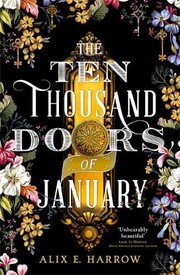
The Ten Thousand Doors of January
2,573-word summary 11 min read 384 pages in the book
- First published
- 2019
- Publisher
- Redhook
- Pages
- 384
- ISBN
- 9780316421997
Reading options
What's inside (8 sections)
I picked up The Ten Thousand Doors of January because a friend kept telling me it was for people who grew up loving portal stories and never quite stopped checking the backs of wardrobes. She was right, but the book surprised me. Alix E. Harrow published it with Redhook in 2019, a 384 page debut that starts like a lonely childhood memoir and turns into a chase across continents and worlds. It is about a girl who finds doors to other places, and about the men who collect those places the way other men collect stamps. I finished it in three nights and spent the fourth thinking about who gets to keep stories.
January Scaller is seven when we meet her properly, though the book is told by her older self looking back. She lives as the ward of William Cornelius Locke, a rich white collector in Vermont who runs W. C. Locke and Company and helped found the New England Archaeological Society. Her father Julian Scaller works for Locke, traveling for months to find rare objects and ship them home. January has copper brown skin that does not fit the boxes people want to put her in, and Locke seems to enjoy explaining her origin differently depending on the room. She learns early to be quiet, to sit still while members of the Society pat her head and study her like one more artifact.
Locke House is full of things from everywhere. Spears. Masks. Stones that hum if you stand close. January wanders the halls when her father is gone, which is most of the time. Her companions are few. Samuel Zappia is the son of the local grocers, a boy who brings supplies and lends her adventure novels. When she is thirteen he gives her a puppy she names Sinbad, called Bad for short, who grows into a huge loyal dog with strong opinions about people. When she is almost fifteen, her father sends Jane Irimu, a tall Black woman from East Africa, to live at Locke House as a sort of governess and guard. Jane does not fuss. She teaches January to run, to notice exits, to stand her ground.
The first door appears during a business trip. Locke takes January to Ninley, Kentucky, and while he talks money she walks into a field and finds a blue door standing alone. She opens it and steps onto a pebbled shore by a strange sea, facing an island city that smells of salt and smoke and flowers she cannot name. She pockets a coin with an unfamiliar face on it and runs back when she hears Locke calling. That night she sneaks out to see it again and finds only burned wood and ash. Locke tells her she imagined it. She keeps the coin anyway. It still smells of the sea years later, and she hides it like proof that she is not making things up.
For the next ten years January tries to be what Locke wants. She takes lessons from a neighbor named Miss Wilda. She learns manners, French verbs, how to pour tea without spilling. She stops asking when her father will come home. Part of her believes Locke, that the door was a childish dream. Part of her keeps the coin in a drawer and touches it when no one watches.
A chest that should have stayed shut
Everything shifts in the spring when January is seventeen. She is poking around the Pharaoh Room, a display space full of Egyptian things, and finds a small blue chest that was not there before. Inside is a book with a worn leather cover, titled The Ten Thousand Doors. The pages smell of dust and oleander. Before she can read far, Locke calls her to his office and tells her that Julian has vanished on an expedition in East Asia and is probably dead.
Grief makes her reckless. She takes the book to her room and starts reading, and the story inside swallows her whole.
The book has two threads. One follows a woman named Adelaide Lee Larson, called Ade, born in 1866 on a farm run by women. The other is a fake scholarly study about doors, with footnotes about myths and travelers who vanished. The study claims our world is full of doors to other worlds, and most stay shut because people stop looking or because someone shuts them.
Ade is the heart of it. She grows up restless. Near an old cabin on family land she meets a strange boy with odd clothes who says he came through a door. They talk all afternoon about his home, a place of Scholars and written magic, and agree to meet again. That Sunday a pale man with cold eyes asks about buying the haunted field behind the farm. She tells him about the boy without thinking. When she returns, cabin and door are burned to nothing.
I loved these early Ade chapters. Harrow writes a girlhood that feels physical. Ade loses her grandmother, who was her anchor, and decides she will find another door if she has to cross the continent.
Ade goes looking for the way back
Ade leaves home with little money. She works passage on a steamer while dressed as a man. She joins Dr. Carver's Rocky Mountain and Prairie Exhibition for a stretch and has a brief affair with a trick rider, an episode Harrow treats with warmth rather than shame. She chases rumors of impossible places, trading labor for boat fare.
Her search leads to Colorado, to stories about an ocean on top of Mount Silverheels. She builds a boat she names The Key in full view of miners, hauls it up the mountain, finds a door in the cold thin air, and sails through.
What happens next reframes the novel. Ade reaches the world the boy came from. She finds him grown. They marry. They have a child. That child is January. Her father Julian is really Yule Ian Scholar, a historian from that other world, and he wrote The Ten Thousand Doors to leave a record.
The family tries to come back to visit Ade's people when January is a baby. The crossing goes wrong. Ade is left behind in one place while Julian and the baby end up in another. Locke, who has been buying fields and burning doors for decades, makes sure the door they used is destroyed. He hires Julian to hunt doors and objects for his collection, holding January as a kind of promise. Julian accepts because each new door might be the one that leads back to his wife.
Reading this as January reads it is strange. She starts thinking it is fiction. Slowly she sees her own coin, her own blue door, her own father in its pages. Someone left this book for her in that chest on purpose.
Words that change what is true
January has always had a small odd power she hid. When she speaks with complete conviction, or writes something with full attention, the world bends a little. A lock clicks. A man steps aside. As a child she used it by accident and got scolded. As a teenager she pushed it down to be proper.
After Locke tells her Julian is dead, the power comes back. She writes a sentence to get out of a locked room and the door opens. Harrow never gives this a tidy system. It works when January believes completely in what she says, and fails when she doubts. That looseness bothered me where I wanted clearer limits, but it fits the theme. Her strength is voice.
The Society party brings this to a head. Each year Locke hosts the New England Archaeological Society at Locke House. This year, for her seventeenth birthday, Locke offers to make January a member, proof that even someone like her can be improved. He gives a speech using her as an example of taming.
She has had champagne on an empty stomach. She finds Samuel working as a server. When another young guest corners her outside, Samuel steps in. Shaken, January walks into the smoking room and refuses the membership. She tells them what she thinks of their talk about order and proper places. Then she runs.
Locke does not forgive scenes. Men with guns watch the halls. Jane tells her it is time to go, and they run with Samuel and Bad into the night, taking the book and the coin and little else.
This flight section moves fast. Jane knows routes and safe houses, proof she was sent to protect January long before January understood the need. Samuel learns doors are real and stays anyway.
Collectors who close the world
The middle of the book explains what the Society really does. They are not preserving history. They are closing doors.
Locke is not simply a rich American. He came through a door in 1764, from a cold place called Ifrinn where certain families can remove a person's will with a look. His pale eyes mark that ability, which Harrow calls the Birthright. He destroyed his own door after passing through. Since then he has bought land with doors on it, burned cabins and fields, taken objects from other worlds, and funded men like Julian to find more. In China he found a jade cup that stretched his life, which gave him time to close hundreds of doors.
His motive is plain. An open world means change and mixture. A closed world stays ordered, with men like him deciding what counts as proper. He tells January she could help him seal doors for good. He offers safety and status. It is the same offer he always made, only now she hears the lock in it.
There is a colonial edge Harrow does not soften. Locke and his friends take masks and stones from other worlds, label them, and put them behind glass. They take January too, dress her well, and show her off. When she was small this felt like attention. At seventeen she understands it as ownership.
Jane and Samuel get space to be more than helpers. Jane is patient, funny in a dry way, lethal when needed. Samuel is brave but out of his depth. He believes January because he knows her. Their affection grows slowly on the road, which I found more convincing than a sudden grand romance.
My main criticism sits here. The reveal about Locke comes late in a rush of explanation. The Birthright rules stay vague. Harrow cares more about what the power means than how it works, which suits this story, but readers who like firm magic may feel shortchanged. A tracker named Ilvane with a feather and a compass that points to whoever he wants flashes by too quickly.
Still, the emotional logic holds. January has to choose between a safe cage and a dangerous open world. She chooses open, even though she knows open means loss.
Going back to Ninley with blood on her shoes
The last third is a road story. January travels alone toward Kentucky, toward the field where she saw the blue door at seven. She has the book, the coin sharpened into a blade, and the compass she took from Ilvane. She works as a laundress for cash. She rides in segregated cars. Shopkeepers follow her. Conductors order her to move. Harrow writes this without speeches. A look. A moved bag. A door closed in her face.
She stops at the Larson farm and meets her great aunt Lizzie, who mistakes her for Ade at first. Lizzie tells her about the man with cold eyes who bought the back field years ago and still comes to check it.
She writes Locke a letter saying she is alive, which she regrets. He arrives at the burned field with men and guns. He has Samuel with him, emptied out, his memory of doors and of January wiped clean. January refuses him again. She kneels, presses her bloody hand into the earth, and writes the door open. Locke tries to shoot Bad. January takes a bullet in the hip. Bad bites Locke. Locke falls into the space between worlds, a black nothing Harrow calls the Threshold, and comes apart. It is messy and loud. I liked that.
January drags herself and Bad through to the island city she saw as a child. The city is called Nin, built on water and stone. The compass pulls her to a house where her grandparents live, and there is Ade, older, still fierce, who spent years trying to find a way back. Their meeting is awkward and tender. Ade does not know how to mother a seventeen year old she last saw as a baby.
Then Julian comes home. No long speeches. A man walking up a hill, stopping, dropping his bag. They eat. January learns to sail. For a few chapters the book breathes.
She does not stay hidden. Locke closed many doors and the Society still guards its maps. January decides to go back, to open what she can, to return stolen objects, to find Samuel and try to wake his memory. The ending stays open. Bad stays with her, limping but still judging character better than any human.
If you want every rule explained, this will frustrate you. The doors work by need and belief as much as by geography. I accepted it because Harrow earns feeling through detail. The coin smelling of the sea. The boat built on a mountain. The dog leaning against January's leg.
Readers should know the book does not flinch from racism of the early 1900s, and from polite men who think they own people. There are guns, blood, a dog hurt but alive, memories wiped, homes burned. None of it feels gratuitous.
I closed it thinking about my own shelves. I like to think I keep them with care. January made me ask when keeping becomes hoarding, when loving a place becomes fencing it.
What drags and what shines
No book of this size moves perfectly. The Ade travel section runs long. After the steamer and the mountain, I skimmed to get back to January. The scholarly interludes repeat their point. I got it early and wanted more plot.
Samuel can feel thin next to Jane and Ade. He is kind and steady, but we learn little about what he wants apart from January. A few escapes rely on January's voice working exactly when needed, which can feel convenient.
What shines outweighs that. January is willful and kind and sometimes selfish. Jane is the friend I wanted to keep. Ade is allowed to be a mother who left and still deserves love. Harrow likes small things, bread and ink and dog hair and salt, that make other worlds feel touchable.
I would hand this to anyone who likes stories about stories, to readers who grew up on Lewis or Pullman and now want those doors examined. I would warn away readers who need hard systems. Dog lovers can relax a little. Bad is hurt and brave and makes it through.
For me the image that remains is simple. A girl kneeling in a burned field, writing with blood on dirt, choosing ten thousand risks over a house with locked cabinets. She opens the way because she remembers being seven and believing what she saw.
FAQ
When was The Ten Thousand Doors of January published?
Redhook published it on September 10, 2019. The hardcover runs 384 pages and the ISBN is 9780316421997.
Who are the main characters?
January Scaller, her mother Ade, her father Julian, Jane Irimu, Samuel Zappia, the dog Bad, and Mr. Locke.
Is it part of a series?
No, it is a standalone debut with no series. Start here and finish in one volume.
Similar books
The Once and Future Witches
Three estranged sisters bring witchcraft back to an 1893 city where magic hides in nursery rhymes and the fight for the vote is also a fight for power.
2,132-word summary · 9 min read
The Power of One
A boy in apartheid South Africa decides to become welterweight champion of the world, and the novel follows every mentor, fight, and loss that gets him there.
2,145-word summary · 10 min read

Little Town on the Prairie
In the spring after the Long Winter, fifteen-year-old Laura sews shirts, studies for a teaching certificate, and helps send her blind sister Mary to college.
2,071-word summary · 9 min read
Once Upon a River
A wounded man stumbles into a riverside inn carrying what appears to be a drowned child who is not quite dead, and the story braids the guesses of everyone who…
2,173-word summary · 10 min read
Euphoria
Three anthropologists in 1930s New Guinea turn fieldwork into a love triangle, and a real history breathes behind them.
2,048-word summary · 9 min read

Wide Sargasso Sea
Jean Rhys gives the first Mrs. Rochester a Caribbean childhood, a marriage built on money and suspicion, and a voice that Charlotte Bronte left in the attic.
2,021-word summary · 9 min read
Magician: Apprentice
An orphan kitchen boy and a smith's son grow up in a frontier castle just as invaders from another world open a rift and begin a war that will change both of…
2,114-word summary · 9 min read
In the Hand of the Goddess
Alanna, still disguised as a boy, survives war, court plots, and a death duel as the Goddess's chosen warrior in the second Song of the Lioness book.
2,018-word summary · 9 min read
A Painted House
In 1952 Arkansas, seven-year-old Luke Chandler picks cotton with his family and learns how quickly poverty, violence, and adult secrets can end a childhood.
2,060-word summary · 9 min read
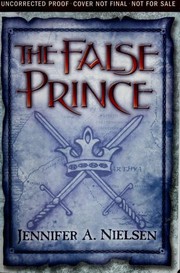
The False Prince
A nobleman buys four orphans and tells them only one will survive to impersonate the missing prince. The narrator, a defiant thief named Sage, has other plans.
2,044-word summary · 9 min read
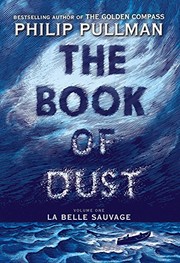
La Belle Sauvage
Philip Pullman's prequel to His Dark Materials follows eleven-year-old Malcolm Polstead as a secret message, a hunted baby, and the flood of the century carry…
2,530-word summary · 11 min read
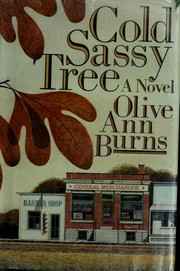
Cold Sassy Tree
In 1906 Georgia, fourteen-year-old Will Tweedy watches his widowed grandfather marry a much younger woman three weeks after his grandmother's funeral.
2,154-word summary · 10 min read
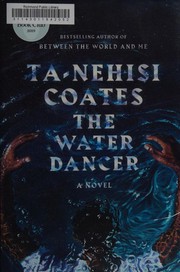
The Water Dancer
An enslaved man with a strange power for travel fights to free himself and rescue those he loves.
2,910-word summary · 13 min read
The Buried Giant
An old couple crosses a misty post Arthur Britain searching for a son.
2,593-word summary · 12 min read

Rebel Angels
Gemma returns to the realms to bind magic while facing Circe and London season.
2,708-word summary · 12 min read
Grave Mercy
Convent assassin Ismae spares Gavriel and hunts traitors in Brittany.
2,357-word summary · 10 min read
Chain of Gold
Cordelia and James hunt demons in Edwardian London while hearts tangle.
2,364-word summary · 11 min read
The Rules of Magic
Franny, Jet, and Vincent Owens test strict family rules and a love curse in 1960s Manhattan and Massachusetts in Alice Hoffman's warm prequel about love, loss,…
2,686-word summary · 12 min read
The Golem and the Jinni
A clay woman and a fire spirit hide in 1899 New York, passing as immigrants while their makers' pasts close in.
2,726-word summary · 12 min read
Fever 1793
Philadelphia, 1793: fourteen year old Mattie Cook nurses family, buries neighbors, and keeps a coffeehouse through yellow fever.
2,259-word summary · 10 min read
Ariadne
A Cretan princess helps Theseus kill the Minotaur, is abandoned on Naxos, and rebuilds her life while her sister faces tragedy in Athens.
2,350-word summary · 10 min read
All the Pretty Horses
John Grady and Rawlins ride to Mexico for ranch work, finding love, prison, and a code that costs all.
2,677-word summary · 12 min read
Alanna: The First Adventure
Twins swap roles so Alanna trains as boy page Alan for knighthood while Thom studies sorcery.
2,107-word summary · 9 min read
The Goose Girl
A shy princess loses her name on the road to her wedding and must earn it back as a palace goose girl in this Grimm retelling.
2,357-word summary · 10 min read
Tell the Wolves I'm Home
A grieving fourteen year old secretly befriends her late uncle's boyfriend in 1980s New York, testing family loyalty and love.
3,014-word summary · 13 min read
Summer of '69
Four Levin siblings split for summer 1969 as Vietnam, pregnancy and first love pull the family apart.
2,886-word summary · 13 min read
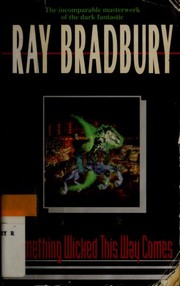
Something Wicked This Way Comes
Two boyhood friends meet a late October carnival that feeds on secret wishes, while Will's father learns how to fight it.
2,869-word summary · 13 min read

Black Butler, Vol. 1
A twelve year old earl and his demon butler keep a Victorian manor running by day and handle dark work for the Queen.
2,877-word summary · 13 min read
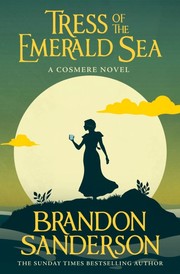
Tress of the Emerald Sea
A cup collecting girl stows away on pirates to rescue Charlie from a sorceress.
1,976-word summary · 9 min read
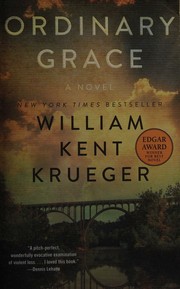
Ordinary Grace
In 1961 Minnesota, thirteen-year-old Frank Drum faces a summer of deaths that tests his minister family and forces him to weigh truth, guilt, and mercy.
2,948-word summary · 13 min read