Reading options
What's inside (6 sections)
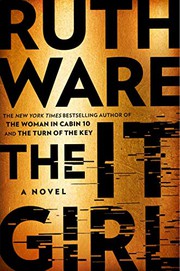
I have read all of Ruth Ware books, and The It Girl felt like her most Oxford one. It came out in 2022 from Gallery Scout Press, 464 pages in the US edition tied to ISBN 9781982155278. Hannah Jones was a student at Oxford ten years ago. Her friend April was murdered in their college rooms. The porter son was convicted. Now he dies in prison, a journalist says he was innocent, and Hannah, pregnant and married, must rethink everything she thought she knew.
If you like slow mysteries with college nostalgia and present day fear, this fits. Past and now alternate. Friends remember differently. No one is fully likable, which is the point.
Hannah now
Hannah lives with her husband Will, who was also at Oxford with April. They expect a baby. Life is careful and happy until the news. Hannah works part time and arranges her hours around nausea. Will cooks plain food and reads aloud from baby books. Their flat has a second room turning slowly into a nursery with boxes half unpacked. Friends send congratulations cards she tapes to the fridge. That ordinary build up makes the prison death call land harder. A quiet evening, tea going cold, a phone that shows an unknown number Zoe will later use again. Hannah saves the voicemail for weeks, replaying the flat voice that says Neville is dead and questions remain. John Neville, convicted of April murder, dies in prison. His lawyer claims new evidence. A journalist, Zoe, contacts Hannah for a podcast. Hannah says no, then listens, then cannot stop. She listens to the first episode while folding baby clothes, hands still. Neville voice from an old interview says he liked watching students because they had futures. The host calls that creepy. Hannah hears loneliness instead, which unsettles her more. She replays while Will showers, then deletes the app, then reinstalls at midnight.
Present chapters show pregnancy realistically. Nausea. Tiredness. Fear of stairs. Will is kind but controlling in small ways. He does not want her to talk to press. He does not want her to visit Oxford. He says stress harms the baby. Hannah hears love and also a lid. She goes anyway because doubt grows.
Their flat feels safe and then not. A pram brochure arrives. A window is left open. Hannah gets messages from unknown numbers. She tells herself hormones make her jumpy. She also buys a new lock. Ware writes this balance well. Pregnancy makes Hannah vulnerable and sharp at once. She notices who stands too close on the Tube. She remembers April laugh in a corridor and cries in a shop.
Will has secrets. He was with April the night she died? He says he left early. He says Neville followed. Hannah believed him for ten years. Now she replays. Why did Will change his shirt that night. Why did he avoid the porter lodge camera. Loving a man while auditing memory is the core tension. Ware does not make Will a villain outright. He makes him a husband who edits.
I liked Hannah as a narrator because she admits poor memory. She drank a lot at Oxford. She took pills to sleep. She wanted April approval so badly she agreed with lies. An unreliable narrator who warns you is more trustworthy than one who pretends clarity.
Oxford then
Past chapters go to 2012? Actually ten years before 2022, so 2012. Hannah arrives at Pelham College, Oxford, shy and northern. She shares a suite with April Clarke-Cliveden, beautiful, rich, magnetic, cruel in the way confident girls can be. April takes Hannah shopping, lends dresses, mocks her accent, then defends her fiercely at parties. It is intoxicating and uneven.
The friend group forms. Will, handsome and steady. Hugh, funny and loyal. Ryan, intense. Emily, quiet. April at center. They eat in hall, drink in rooms, study little. April borrows money and forgets. April sleeps with someone boyfriend and cries when confronted. April is the It Girl of the title, the one everyone watches. Hannah watches most.
Ware captures Oxford without postcard shine. Damp staircases. Shared bathrooms. Porters who know everything. Tutorials where dons ask impossible questions. Money differences that shape friendships. Hannah works a job to afford books. April buys new coats without looking. That gap matters. Hannah owes April for dresses and dinners, which makes saying no harder.
April death happens mid book in past timeline. She is found dead in their rooms after a party. Neville, the porter son with a history of staring, is seen nearby with blood. Police arrest him. The group testifies about his odd behavior. He is convicted. College grieves and moves on. Hannah leaves Oxford early? She finishes but never returns.
The past chapters work because dread builds in ordinary scenes. A fire alarm at 3 a.m. A missing key. April crying about a man following her, then laughing it off. Hannah hearing footsteps and assuming drunk students. Hindsight makes small moments glow. Ware plants without flashing. A scarf left in a library. A phone charged in the wrong room. A tutorial essay April never turned in because she said the don hated pretty girls who argued. You will want to flip back. On reread, April fear reads clearer. She stops walking alone after dark weeks before death. She asks Hannah to wait outside bathrooms at parties. She sleeps with lights on and jokes about electric bills. Those are not quirks. They are warnings Hannah at eighteen did not know how to read.
What dragged in past sections was party repetition. How many dinners with wine and barbs. After the fourth, faces blur. Hugh jokes. Ryan broods. Emily refills. April performs. I skimmed one dinner to get to tutorials. The point, that group loyalty covered cracks, lands early.
Reopening
In the present, Hannah returns to Oxford with Will protesting. She walks Pelham staircases with a bump, breathless. The porter is older. The rooms are repainted. April room is someone else study space with posters. Hannah stands in the doorway and feels sick.
She meets the journalist Zoe, who is pushy but not wrong. Zoe has prison letters, phone logs, a new witness who saw Neville elsewhere near the time. She has April phone data showing calls to an unknown number. She asks Hannah about Will movements that night. Hannah defends, then checks. Phone records do not match Will story fully. A taxi receipt is off by twenty minutes. Small gaps, big enough. Zoe also plays Hannah a clip of Neville mother describing the night police took him. The old woman says they did not let him bring his medication. That detail, small and human, cracks Hannah certainty more than any timestamp. A boy who needed pills at night was kept awake answering questions until he agreed with suggestions.
She also meets Hugh, now a teacher, Ryan, now in finance, Emily, now a mother. Each remembers differently. Hugh says April feared Neville. Ryan says April feared someone she knew. Emily says April planned to leave Oxford after exposing something. No one agrees on the night timeline. Memory, Ware suggests, is a story we edit to live with. Hugh meets her in a school library during lunch, surrounded by kids projects. He cries when he says April name, then apologizes for crying in front of students work. Ryan meets in a glass office, offers expensive coffee, checks his watch. He admits he loved April and hated Will for having her. Emily meets in a park with a toddler on her hip. She says April told her she kept copies of messages from a man who would not stop. That detail, copies kept, becomes key later. Each meeting costs Hannah sleep. She drives home replaying who looked away when.
The investigation is not police procedural. Hannah is not a detective. She asks for coffee, looks at old diaries, finds April letters in a storage box her mother kept. One letter names a man who hurt April and begs Hannah not to tell. The name is not Neville. Hannah hands shake. She calls Will. He does not pick up. She calls Zoe. Zoe says do not go home alone.
The middle sags a little with podcast transcripts. Zoe episodes quote Hannah out of context. Comments pile. Hannah reads them at 2 a.m. while Will sleeps. Cruel words about April, about Hannah weight, about the baby. Internet noise adds realism but slows plot. Two transcript pages would suffice. We get more. I skipped half of one.
Still, the reopening feels earned. New evidence is modest, not magic DNA. A timestamp. A sighting. A phone that was supposed to be broken but called. That modesty suits Ware. Justice fails on small errors, not conspiracies.
What happened that night
Without naming the killer outright in a way that spoils unfairly, the solution involves someone in the friend group, not Neville. Motive mixes money, sex, and shame. April knew something about a man assault and threatened to tell. She was killed to silence, then staged to look like an outsider. Neville, odd and poor, made an easy suspect. Police stopped looking. College wanted closure. Friends wanted to believe a stranger did it because the alternative meant one of them did.
The final confrontation happens in an Oxford room during a reunion weekend. Hannah, heavily pregnant, faces the person with Zoe nearby and Will arriving late. There is no gunfight. There is talk, denial, a lunge, a fall. Someone confesses in pieces. I found it believable because the killer does not monologue. They minimize. It was an accident. She fell. I did not mean. Those lines ring truer than mastermind speeches.
After, Neville name is cleared posthumously, which feels hollow. His mother gets an apology and no son back. She tells Hannah she kept his room as it was, with bus timetables and a bird book. Hannah visits once with flowers and cannot speak. The old woman makes tea and says he liked watching students because they looked like they knew where they were going. That sentence reframes every creepy report into loneliness. Hannah drives home crying, not just for Neville, but for how easily she accepted the easy story at eighteen to protect her friends and her place among them. Hannah gives birth. She names the baby something April would mock and then love. She tells Will everything she now knows about that night, including his smaller lies. He cries. They decide to stay together with counseling, not with clean slate. That qualified hope felt adult.
What worked was theme. Who gets believed. April, rich and beautiful, was believed in life and doubted in death when convenient. Neville, poor and odd, was doubted in life and condemned on thin proof. Hannah, shy and female, was ignored then and is ignored now by police who call her hormonal. Ware shows class and gender shaping justice without lectures. Details do it. Who gets a lawyer within hours. Who gets a headline with a pretty photo. Who gets called troubled versus evil in court papers. Hannah keeps a list in her notebook of these differences and stares at it during night feeds after the baby comes. The list does not bring April back. It keeps her honest about what to teach her child about speaking up.
What tested was length. At 464 pages, the book could lose forty. Oxford dinners, London pram shopping, podcast comments all repeat. A tighter cut would keep dread without bloat. The pregnancy countdown also telegraphs the finale. You know confrontation must come before labor. That structure removes some surprise.
Still, for Ware fans, it satisfies. Atmosphere, memory gaps, a final turn that reframes friendships. For new readers, start with The Woman in Cabin 10 for pace, then come here for depth.
Content notes. Murder of a young woman with neck injury and blood described moderately. Pregnancy with anxiety and medical scenes. Gaslighting and coercive control in relationships. Class prejudice. Stalking behavior. Alcohol and drug use at college. Grief and guilt. No explicit sex beyond adult references. Language is mild to moderate.
FAQ
Was April killed by a stranger?
A friend from the Oxford group, not an outsider. April knew something about assault and threatened to tell. Neville was an easy suspect police stopped past.
Is Neville cleared?
Posthumously cleared after new timestamps and witness accounts. His mother gets an apology but no son back, which Hannah visits to face.
Similar books
More like The It Girl →
In a Dark, Dark Wood
Writer Nora joins hen party Clare in glass house where a murder happens.
2,253-word summary · 10 min read

Killing Floor
Ex-military policeman Jack Reacher is arrested for murder in Margrave, Georgia, then learns the victim was his brother.
2,872-word summary · 13 min read

The Only One Left
Caregiver Kit tends mute Lenora Hope accused of 1929 family murders.
2,592-word summary · 12 min read

The Maidens
Therapist Mariana hunts Cambridge professor Edward Fosca after a Maidens murder.
2,234-word summary · 10 min read

The Locked Door
Surgeon Nora Davis hides serial killer father while patients die.
2,465-word summary · 11 min read

The Coworker
When odd accountant Dawn vanishes, star salesperson Natalie becomes the prime suspect in a tense office thriller with turtles, lies and revenge.
2,511-word summary · 11 min read