
Still Life
1,996-word summary 9 min read 312 pages in the book
- First published
- 2005
- Publisher
- St. Martin's Minotaur
- Pages
- 312
- ISBN
- 9780312352554
- Series
- Chief Inspector Armand Gamache (#1)
Reading options
What's inside (5 sections)
I started Still Life because cozy mystery friends kept saying Gamache is different. It came out in 2005 from Headline in the UK, with the US St. Martin Minotaur edition in 2006 running 312 pages tied to ISBN 9780312352554. It is book one in the Chief Inspector Armand Gamache series. A beloved retired teacher is found dead in the woods in Three Pines, Quebec. It looks like a hunting accident. Gamache knows better.
If you like village mysteries with food and kindness alongside murder, this fits. Short chapters. Many suspects. No gore for shock. The village itself is a character you will want to visit, though it does not exist on maps.
Three Pines
Three Pines is a small village south of Montreal that does not appear on official maps. Artists live there. A bistro serves duck and tarte. A bookstore holds signings. Jane Neal, seventy six, taught generations, painted naive pictures, and was kind to strays of all species. She is found dead in the woods with an arrow through the heart on Thanksgiving weekend. Hunters fill the woods that time of year. Accidents happen. Gamache, called from Montreal, looks at the angle and says no accident is this neat.
Penny builds the village person by person. Myrna, the Black bookstore owner and retired therapist who gives books like prescriptions. Clara and Peter Morrow, artists married long, she warm and messy, he controlled and jealous. Gabri and Olivier, who run the bistro and B&B, bickering and loving in equal measure. Ruth Zardo, the elderly poet who drinks and insults and hides a good heart under verse. Each gets habits. Coffee orders. Dogs. Gossip. You learn streets by who waves.
Gamache arrives with Inspector Jean Guy Beauvoir and Agent Yvette Lacoste. Beauvoir is young, ambitious, attached to screens, dismissive of village slowness and sentiment. Lacoste is calm, observant, kind to witnesses without missing details. Gamache leads by listening first and ordering second. He asks about Jane paintings over coffee. He eats duck in the bistro slowly. He walks the woods where she fell with eyes down. He tells Beauvoir to put the phone away and watch how people pour tea when nervous. That mentoring runs through the book in small corrections. Slow down. Notice hands. Ask twice with different words. Write down what they do not say.
I loved how food works here as method. Meals are not background color. Duck confit with crisp skin. Maple pie with coffee refills. People talk over dishes in ways interviews never allow. A suspect mentions Jane recent mood while passing bread without looking up. Another recalls an argument about money while clearing plates too fast. Gamache learns by breaking bread slowly, not breaking doors quickly. He compliments cooks sincerely and asks for recipes. That gentleness never feels soft or naive. It is technique refined over decades. Fed people with warm hands talk. Hungry scared people shut down.
The paintings
Jane painted naive village scenes that locals found sweet and worthless. After her death, a gallery in Montreal values one painting very high. Suddenly motives multiply. Who knew. Who inherits. Jane niece Yolande arrives with grievances and plans to sell everything. A local artist admits jealousy. A neighbor recalls Jane giving paintings away free. Money changes how the village remembers kindness.
The investigation follows art. Gamache visits the gallery. He learns about folk art markets. He asks why one painting matters more. The answer involves a hidden detail in the brushwork, a face or a house that should not be there. I will keep the exact reveal light to avoid spoiling the final turn. What matters is that Jane saw more than people knew. Her sweet scenes recorded truths. Someone needed those truths hidden.
Beauvoir chases forensics with energy that helps and blinds. Arrow angle measured twice. Bow type identified by an expert. Footprints cast in the woods. He is good at it and impatient with feelings that slow labs. Gamache lets him run tests while he sits with people over tea. That split shows two valid policings that need each other. Evidence narrows suspects. Talk widens understanding. Both are needed for truth that holds in court and village. A scene where Beauvoir explains trajectory with sticks on a table while Myrna serves cocoa captures the book method. Science and care at one table with a dog asleep beneath. Neither mocks the other by the end.
Clara becomes central because she is an artist doubting herself at midlife. Peter, her husband, paints with technical skill and cold heart, praised by dealers for precision. Their marriage strains around success and envy. She gets attention after Jane death for a solo show with warm colors. He resents being hung beside her as lesser. Those marital cracks mirror the case questions. Who is seen as valuable. Who decides worth. Penny writes artist envy without caricature into studios smelling of turpentine. Critics with knives for words. The fear that kindness costs edge and sales. Clara kindness is her edge in color and subject, though she does not know it yet. Peter polish hides emptiness he fears. Their breakfasts grow silent. He critiques her brushwork. She stops showing him sketches. That quiet distance hurts more than fights.
Ruth adds bite and unexpected depth that rewards patience. She drinks too much sherry and writes poems that cut neighbors to quotes. She mocked Jane paintings in public at shows. Privately she kept one small Jane gave her years ago, hung where visitors cannot see. That contradiction drives a late chapter where Gamache asks why over tea she insults. Her answer about worth and fear of fading is among the book best pages. Cruel people are often scared first of being forgotten. Ruth fear is age and irrelevance after a career of words. Jane kindness threatened her pose of superiority. Understanding that does not excuse cruelty at openings. It explains enough to pity without forgiving. She attends the memorial and stands straight.
Method and mercy
Gamache method gets a name he teaches. The four sentences that open doors. I am sorry. I was wrong. I do not know. I need help. He teaches young agents to say them in interviews. He lives them when he misreads motives, apologizing to villagers without losing authority. That humility opens people who expect arrogance from city police. Suspects correct him with truth they withheld from harder cops. Witnesses trust a man who admits limits in kitchens. It is the opposite of TV genius detectives who never doubt and solve with stares. Gamache doubts constantly, writes doubts in a notebook, and decides anyway with care. That method steadies Beauvoir more than any lecture on procedure.
The book pauses for his home life. His wife Reine Marie. Letters. Phone calls. He misses her. She sends books. Their marriage is steady and warm without drama. That stability lets him face murder without hardening. He calls her when cases sicken. She listens and tells him to eat. Those calls remind that good work needs a good home. Not all detectives must be broken to see clearly.
Beauvoir growth matters too. He starts sneering at village slowness. He ends defending Myrna from a rude reporter. He learns to ask about grief before alibis. A scene where he sits with Jane students, listening to stories about her kindness with a notebook closed, shows change. Evidence can wait. People cannot. Gamache notices and says nothing, which is praise enough.
The arrest comes through talk gathered patiently over weeks, not chase with sirens. Gamache gathers the village in the bistro on a snowy night, Poirot style but warmer with coffee. He lays out what Jane saw in her paintings and who needed that silence to keep money and pride. He shows the valued painting with its hidden face that mourns. He names who moved the bow, who lied about times, who spent suddenly on repairs. The killer confesses in pieces with rationalizations about art deserving better and debts owed. No shootout on the green. No rooftop leap. Just words that land heavy and officers waiting outside with a car running. That restraint suits cozy rules and real Quebec policing where procedure holds. Courts will decide with evidence bagged properly. The village exhales together and orders more coffee. Myrna closes the bookstore early. The bistro stays open late for once. Grief needs company more than sleep that night.
After, Three Pines eats together to remember rightly. A memorial for Jane in the church with her paintings hung properly at eye level, not stacked in corners. Clara gives a short speech about kindness as technique that steadies hands. Peter stands beside her without correcting a word. Ruth reads a poem that is almost kind about brushes and light, and the room goes quiet in surprise. Gamache drives home to Reine Marie with leftovers wrapped in foil. Beauvoir sleeps in the passenger seat with his mouth open. Lacoste files reports that praise villagers by name for help. The series promises more cases in this village readers will miss between books. The room is set with maps. Friends made over meals. A detective to follow who says sorry first.
What worked was kindness shown as strength under pressure. Gamache is brave without cruelty in rooms with killers. He confronts firmly with evidence, then comforts witnesses softly with tea. Penny shows through cases that gentleness solves where force blinds. Villagers tell him things because he brings soup to the scared and sits through crying without checking watches. That ethic never feels naive about evil motives. He knows people kill for money, pride, and love twisted. He simply refuses to become cruel to catch cruelty, holding his four sentences like rails. Apologize. Admit wrong. Admit ignorance. Ask help. Those lines steady young agents more than weapons training.
What dragged was crowd size early that tests memory. How many villagers with studios, grudges, and hyphenated names. After the sixth artist introduced with a dog, I flipped back to track who lived where with what motive. A map at front would help first time readers greatly. Penny knows the risk, so Gamache draws exactly such a map on a napkin in the bistro. Readers can copy the method on their own paper. List names, houses, dogs, studios. That trick saves the middle from blurring into pleasant confusion. Use it and the village opens like a pop up book with murders.
I also wanted less of Yolande shrillness across her scenes. She arrives greedy about inheritance, stays greedy about sales, leaves greedy about commissions. A hint of grief underneath for an aunt she neglected would round her into a person. As written, she functions as noise and obstacle for warmer characters. Given Penny writes difficult women with depth elsewhere, from Ruth to Clara mothers, more here would balance the book. The novel is long enough for one Yolande soft scene with tea. A memory of Jane reading to her as a child. A pause before demanding signatures. Without it, she reads as plot device in heels. With one page, she could ache like the rest.
Still, as a series start with a village to love, it charms deeply and lasts. It sets a village with lanes, a detective with sayings to copy, and a promise that murder will be met with food and fairness rather than cynicism. I finished wanting book two immediately for more bistro meals and Gamache calm, which is the cozy contract kept. Same village with snow. New season with light. Another death to mourn properly with casseroles. The series delivers on that promise for many books. Start here and stay for the people as much as puzzles. Three Pines welcomes patient readers with chairs by fires.
Content notes. Murder with an arrow, body found in woods described without gore. Grief with funerals and memorials. Art fraud and inheritance fights. Alcohol use with Ruth drinking. Mild language. No explicit sex. No central animal harm. Thanksgiving hunting context with guns discussed responsibly.
FAQ
How does Jane Neal die?
A hunting arrow in the woods on Thanksgiving weekend. Angle and scene rule out accident, pointing to village motives around art and money.
Is this a good series starter?
Start here. It introduces Gamache, Beauvoir, Lacoste, and Three Pines with food and fairness. Later books deepen the village without needing prior cases.
Similar books
More like Still Life →More from Chief Inspector Armand Gamache first, then related titles.

All Good People Here
A journalist returns home to care for her uncle and reopens a 20 year old child murder tied to a new abduction.
2,006-word summary · 9 min read
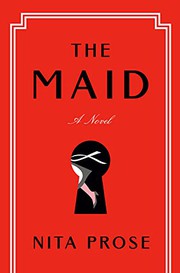
The Maid
Hotel maid Molly Gray finds a dead guest and must use her eye for detail to clear herself.
2,031-word summary · 9 min read

The Lincoln Lawyer
Mickey Haller defends a rich assault suspect from his Lincoln while doubting his innocence.
2,317-word summary · 10 min read

The No. 1 Ladies' Detective Agency
Precious Ramotswe opens a detective agency in Gaborone and solves small cases with tea, patience, and kindness.
2,029-word summary · 9 min read

The Man Who Died Twice
The Thursday club chases missing diamonds as an old spy friend dies and professionals close in.
2,027-word summary · 9 min read
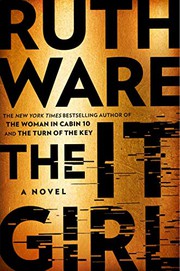
The It Girl
Ten years after April murder at Oxford, new claims of innocence force pregnant Hannah to rethink friends.
2,015-word summary · 9 min read