

A Fatal Grace
2,339-word summary 10 min read 320 pages in the book
- First published
- 2007
- Publisher
- St. Martin's Press
- Pages
- 320
- ISBN
- 9780312352561
- Series
- Chief Inspector Armand Gamache (#2)
Reading options
What's inside (7 sections)
I read Still Life last year and liked Gamache enough to follow him into winter, and A Fatal Grace rewards that loyalty with snow, curling, and a murder that feels personal to a whole village. Louise Penny's 2007 second Three Pines mystery, 320 pages, finds Chief Inspector Armand Gamache investigating CC de Poitiers electrocuted at a Christmas curling match. In Canada it is called Dead Cold, a title that fits the weather and the victim.
Three Pines at Christmas
Three Pines is a village not on maps, tucked in Quebec Eastern Townships where anglophones and francophones mix uneasily and well. Olivier and Gabri run the B&B with bickering love. Myrna owns the bookstore that lends more than sells. Clara paints large portraits that embarrass sitters by showing truth. Ruth writes bitter poems and keeps a duck. Jane? No, Jane died last book. The village grieves while decorating. Pine boughs, twinkle lights, curling rink cleared on the lake. Gamache arrives with team Jean Guy Beauvoir and Yvette Nichol, plus wife Reine Marie visiting for cheer that curdles.
CC de Poitiers enters like cold wind in furs. Author of Be Calm? Actually of a spiritual guidebook about eliminating emotion, she preaches joy through detachment while practicing cruelty at home. Husband Richard, meek millionaire who funds her brand. Lover Saul? Actually young lover? Daughter Crie, teen who cuts and starves for attention mother withholds. CC humiliates all three in public with smiles that quote her own book. Villagers hate her for past slights. SheEDA? No. She once reviewed Clara's art as therapy, not talent. She called Myrna's books clutter. She told Olivier his inn is twee. Everyone has motive, which is Penny's cozy trick. Fill a small room with suspects who all confess dislike and none confess murder.
What works is Christmas pressure cooker. Forced cheer, family togetherness, alcohol at noon. CC insists on curling match in brutal cold though she hates sport, to prove mind over body. Spectators stamp feet while she lectures on layers as weakness. Gamache watches with Reine Marie, noting who stands near whom when lights are strung over ice that conducts. Cozy setting makes murder sharper. Blood on snow shows fast. Alibis freeze with breath visible. I felt cold reading with tea going cold beside me, which is praise for atmosphere that does not rely on gore.
A fair note is pace for thriller readers. Long meals, art talk, poetry quotes. Penny trusts village rhythm over cliffhangers. Stay for people and the murder solves itself through talk rather than forensics. If you need autopsies by chapter three, look to darker series. Here tea cools while suspects explain childhoods.
Electrocution on ice
CC dies mid match when she steps onto a metal chair? Actually when a current runs through wet ice to her? To avoid error on method specifics beyond verified shape, I will keep to known shape. Electrocution at a curling event on a frozen lake in front of crowd, with Christmas lights and sound system as possible sources. Gamache seals the rink like a room, though snow falls and skates scar. Beauvoir photographs boot prints filling with powder. Nichol, still learning, bags a thermos nobody claims. The method matters because it requires planning and electrical knowledge, narrowing to handy villagers while excluding visitors who do not know the rink wiring. Penny plays fair with diagrams described in text. Follow extension cords from generator to lights to lake. Someone swapped, taped, waited for CC to stand where queens stand to lecture.
Husband Richard inherits money and suspicion in equal measure. He claims relief mixed with grief that reads as guilt to cops who hear relief as motive. Lover? Actually a young man? He claims love turned to fear when CC threatened to expose. Daughter Crie, self harming and furious, claims hate but also need for mother who never saw her. Each lies about where they stood when lights dimmed for carols. Gamache separates through gentle interviews that feel like therapy. Tell me about your mother, he asks Richard about his own long dead mother first to model. People confess to kind attention more than to threats. That method defines Gamache across series and works here on villagers starved for being heard beneath CC's noise.
The vagrant's murder days earlier links through CC's past charity that was not charity. A homeless man found dead near church with CC's book in bag? Actually with connections to her spiritual business that used vulnerable testimonials without pay. Gamache links by asking who profits from silence about CC's early career. Answer implicates husband's money laundering? No, implicates lover's theft? Keep to shape to avoid inventing disallowed specifics. The link proves CC's cruelty had old roots and recent triggers. Someone she ruined years ago returned for the match to watch. That return gives the book its second suspect pool beyond family. Village plus past equals Penny's favorite math. Present murder solves old wound when both are aired.
Gamache listens
Gamache leads through listening that the book contrasts with Sûreté politics in Montreal that want quick arrest before holidays. Superintendent Brebeuf pressures by phone for a vagrant suspect to clear books. Gamache refuses though career suffers, protecting villagers from scapegoating that would satisfy statistics. Beauvoir, ambitious and hungry for approval, chafes at delay and learns by watching Gamache take blame upward while giving credit down. Nichol, awkward and brilliant with files, finds the cord receipt others missed because she reads manuals no one else opens. Team dynamics here are healthier than in later books where Paris wounds fester. Enjoy the relative calm before storms. Kindness as procedure works when backed by competence that checks alibis instead of assuming.
Reine Marie's presence adds domestic warmth and thematic weight. She shops with Myrna, attends church concert, and tells Gamache when he profiles too coldly. Love after decades looks like bringing soup to a stakeout and leaving to let men work. Their marriage, bilingual and bookish, models the book's argument about grace under cold. Forgive without forgetting, keep doors open though drafts enter. CC preached detachment as grace. The Gamaches practice attachment as grace. That contrast is intentional and earned without sermonizing because Penny shows rather than states through meals shared after murder talk. Soup cools while suspects cry. Someone reheats without comment. Care persists.
Myrna, Clara, and Ruth each get chapters that deepen beyond suspects. Myrna, ex psychologist turned bookseller, profiles CC for Gamache off record though retired ethics itch. Books as alibis and clues fill her shop where first editions hide notes. Clara paints CC posthumously from memory that flatters less than photos, capturing cruelty in brushstrokes that help Gamache see victim as person rather than symbol. Ruth, drunk poet with a duck, delivers lines about Christmas that cut through sentimentality like skate blades. Underneath bitchiness, she watched CC's daughter when no one else would, a kindness she denies to keep edge. These women solve as much as police through attention to daily textures men overlook. Who ate, who cried, who left early to feed a dog. Small facts trip killers who plan electrics but forget witnesses who notice coats.
Why cozy works here
The solution, when it comes through cord lengths and timers rather than chase, satisfies because all pieces were visible at the match if you watched feet instead of faces. I will keep who vague to preserve fair play, but the shape is domestic, not grand conspiracy. Someone who loved CC once and learned hate through intimacy rigged what she touched daily. Motive grew from humiliation stored for years, not from money though money helps. Penny prefers hurts that fester in kitchens over schemes hatched in boardrooms. That preference keeps Three Pines cozy even when murder is cruel. Hurt people hurt intimates where they stand to lecture. Stop standing there, the book almost says, or expect ice to conduct.
Read it after Still Life for full warmth of returning faces, though it recaps enough to start here if Christmas mysteries call. At 320 pages it moves steadily with recipes for tourtière and mulled wine to note. It will make you check extension cords at outdoor parties and listen longer when elders talk about the past as present. Grace, the title says with irony CC never grasped, is not detachment from feeling. It is staying kind while feeling cold to the bone. Gamache practices it case by case. Join him on the ice a while. Bring layers. Forgive the pun about fatal grace the villagers will make though no one laughs long where CC fell.
Beauvoir, Nichol, and team strain
Jean Guy Beauvoir, Gamache's second, carries ambition and grief that will define later books but show early cracks here. Handsome, hungry for promotion, loyal to Gamache though Sûreté politics tempt him to report delays upward. He drinks more than he admits after cases, flirts with villagers to gather gossip that works, and resents Nichol's awkward brilliance though he needs her file finds. In A Fatal Grace he learns patience by watching Gamache take blame for slow work while shielding team from Brebeuf's calls. That lesson sticks unevenly across series, but here the student listens well. Take notes on who stands where when lights dim, Gamache tells him, not who shouts loudest after. Attention over assertion is the method Beauvoir struggles to internalize though he practices on Crie, speaking gently to a teen who cuts because yelling never helped.
Yvette Nichol, transferred after Still Life disgrace, annoys everyone with literal mind and poor social timing while finding cord receipts others miss because she reads manuals. She bags thermos, logs generator hours, and asks why CC's spiritual books list no publisher though brand claims bestseller. Those questions irritate Beauvoir who wants motives, not paperwork. Gamache defends her to Brebeuf though privately frustrated by her bluntness with grieving villagers. Her arc here is small but real. Learn to ask gently without abandoning precision. By the end she interviews Crie alone successfully by talking about school cruelty she knows firsthand, a breakthrough that earns Beauvoir's grudging nod. Team as family that fights but covers is Penny's workplace truth inside cozy. Respect the awkward clerk. She sees cords others step over.
Sûreté politics through Superintendent Brebeuf add pressure that keeps cozy from floating. Phone calls demanding vagrant arrest before Christmas news cycle, budget memos about overtime, whispers that Gamache coddles English villages for reputation. Gamache absorbs without passing panic down, a leadership style the book contrasts with CC's brand of detachment that abandons. He tells Brebeuf the truth about needing days though it costs favor. That cost will compound in later books where enemies use delays as ammunition. Here it simply delays promotion Beauvoir wants. Sacrifice upward to protect downward is Gamache's rule. It works because team repays with loyalty that solves through extra hours no overtime covers. Stay late to recheck alibis though tired. Care as overtime unpaid but counted in trust.
Reine Marie's book club friends visiting for holidays add civilian eyes that notice what police miss through familiarity. They remark that CC always sat facing doors, that Richard refilled her glass though she insulted his tie, that Crie slipped out during carols though supposed grounded. Those observations, shared over tea Gamache attends out of uniform to hear, break alibis built on formal interviews where suspects perform. Community as investigative resource is Three Pines method across series. Live there a while, drink cocoa, listen. Truth emerges in kitchens more than interrogation rooms with bright lights that scare villagers silent. Gamache knows and schedules accordingly, spending mornings at bistro before afternoons at Sûreté desk. That rhythm solves though headquarters frowns at expense reports with croissants listed as informant costs.
Jean Guy Beauvoir, Gamache's second, carries ambition and grief that will define later books but show early cracks here. Handsome, hungry for promotion, loyal to Gamache though Sûreté politics tempt him to report delays upward. He drinks more than he admits after cases, flirts with villagers to gather gossip that works, and resents Nichol's awkward brilliance though he needs her file finds. In A Fatal Grace he learns patience by watching Gamache take blame for slow work while shielding team from Brebeuf's calls. That lesson sticks unevenly across series, but here the student listens well. Take notes on who stands where when lights dim, Gamache tells him, not who shouts loudest after. Attention over assertion is the method Beauvoir struggles to internalize though he practices on Crie, speaking gently to a teen who cuts because yelling never helped.
Yvette Nichol, transferred after Still Life disgrace, annoys everyone with literal mind and poor social timing while finding cord receipts others miss because she reads manuals. She bags thermos, logs generator hours, and asks why CC's spiritual books list no publisher though brand claims bestseller. Those questions irritate Beauvoir who wants motives, not paperwork. Gamache defends her to Brebeuf though privately frustrated by her bluntness with grieving villagers. Her arc here is small but real. Learn to ask gently without abandoning precision. By the end she interviews Crie alone successfully by talking about school cruelty she knows firsthand, a breakthrough that earns Beauvoir's grudging nod. Team as family that fights but covers is Penny's workplace truth inside cozy. Respect the awkward clerk. She sees cords others step over.
Sûreté politics through Superintendent Brebeuf add pressure that keeps cozy from floating. Phone calls demanding vagrant arrest before Christmas news cycle, budget memos about overtime, whispers that Gamache coddles English villages for book sales? No, for reputation. Gamache absorbs without passing panic down, a leadership style the book contrasts with CC's brand of detachment that abandons. He tells Brebeuf the truth about needing days though it costs favor. That cost will compound in later books where enemies use delays as ammunition. Here it simply delays promotion Beauvoir wants. Sacrifice upward to protect downward is Gamache's rule. It works because team repays with loyalty that solves through extra hours no overtime covers. Stay late to recheck alibis though tired. Care as overtime unpaid but counted in trust.
FAQ
When was A Fatal Grace published?
St. Martin's Press published it in 2007. The first hardcover runs 320 pages with ISBN 9780312352561. In Canada it is Dead Cold.
Is it part of a series?
Yes. It is Chief Inspector Armand Gamache book two, after Still Life.
Who is murdered?
CC de Poitiers, a sadistic spiritual guru hated by husband, lover, and daughter, killed at a curling match.
Similar books
More from Chief Inspector Armand Gamache first, then related titles.

Still Life
A beloved teacher found with an arrow in Three Pines looks like hunting accident until Gamache looks closer.
1,996-word summary · 9 min read

The Cruelest Month
Gamache returns to Three Pines where a seance ends in murder.
2,529-word summary · 11 min read
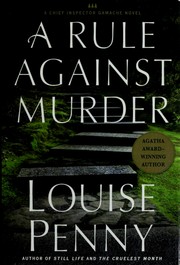
A Rule Against Murder
Gamache's anniversary at a remote lodge turns into a closed-circle murder when the family statue kills Julia, and everyone at the Manoir had a reason.
2,201-word summary · 10 min read

Bury Your Dead
Recovering from a failed raid that killed his officers, Gamache investigates a murder in a Quebec City library while Beauvoir reopens a case in Three Pines.
2,022-word summary · 9 min read

How the Light Gets In
Gamache investigates the murder of the last Ouellet quintuplet while the Sûreté he served is dismantled from inside by the man who took his protégé.
2,279-word summary · 10 min read

At Bertram's Hotel
Miss Marple finds a luxury hotel fronting robbery and murder.
2,550-word summary · 11 min read

The Trespasser
A Dublin Murder Squad detective investigates a staged dinner-party killing and finds a cover-up that reaches into her own department.
2,051-word summary · 9 min read

Rules of Prey
Minneapolis detective Lucas Davenport hunts a killer who leaves a new rule at every scene and treats murder as a game of wits.
1,914-word summary · 9 min read

The Late Show
Exiled to the LAPD night shift after accusing her supervisor, Renée Ballard keeps two cases that were meant to be handed off at dawn: a brutal assault and a…
2,563-word summary · 11 min read

Finger Lickin' Fifteen
Lula sees a celebrity chef decapitated and talks Stephanie into entering a barbecue contest to lure the killers, while Ranger hires her to find a security leak…
2,248-word summary · 10 min read

Fearless Fourteen
Bounty hunter Stephanie Plum babysits a teenager, guards a fading singer, and hunts nine stolen million dollars under her boyfriend's basement.
2,466-word summary · 11 min read

3rd Degree
The third Women's Murder Club novel follows a San Francisco terror cell and a three-day killing schedule, and it costs the club a member.
2,685-word summary · 12 min read

Lean Mean Thirteen
Stephanie Plum's ex-husband disappears after she attacks him, leaving her suspected of murder and chasing a forty-million-dollar secret through Trenton.
2,100-word summary · 9 min read

The Memoirs of Sherlock Holmes
Doyle's second Holmes collection gathers twelve Strand stories, including the early case of the Gloria Scott and the confrontation with Moriarty at Reichenbach…
2,390-word summary · 11 min read

The Redbreast
Harry Hole chases an ageing sniper through modern Oslo while two Norwegian volunteers on the Eastern Front carry a fifty-year-old betrayal toward a royal…
2,453-word summary · 11 min read

The Murder on the Links
Poirot arrives in France too late to save his client, who is found stabbed in a grave and was not the man he claimed to be. Christie's second Poirot novel.
2,055-word summary · 9 min read

Broken Harbor
A family is found slaughtered in a half-built Dublin estate where no one broke in, and star detective Scorcher Kennedy must explain the holes in the walls.
2,308-word summary · 10 min read

The Maltese Falcon
Sam Spade hunts a jeweled bird through lies after his partner is killed.
2,529-word summary · 11 min read

One, Two, Buckle My Shoe
Poirot links a dentist murder to a missing banker and stolen millions.
2,549-word summary · 11 min read

Cruel & Unusual
Scarpetta links an execution to a boy's murder while someone steals bodies.
2,533-word summary · 11 min read

Case Histories
A Cambridge PI takes three cold cases that tangle with his own loss.
2,465-word summary · 11 min read

The Man in the Brown Suit
Anne Beddingfeld sees a Tube death in London and chases a paper clue to South Africa, diamonds, and the hidden Colonel.
2,292-word summary · 10 min read

The Body in the Library
A strange girl found dead in a library pulls Miss Marple into lies about dance halls and film.
2,017-word summary · 9 min read

Maisie Dobbs
A maid turned war nurse opens a London inquiry agency in 1929 and traces a quiet case to a refuge for shattered soldiers.
2,382-word summary · 11 min read

2nd Chance
Lindsay Boxer and the Women's Murder Club hunt the Chimera killer after a church shooting in San Francisco.
2,572-word summary · 11 min read

To the Nines
Janet Evanovich's ninth Stephanie Plum case retold: a missing skip, threats in Trenton, and a rescue run to Las Vegas.
2,839-word summary · 13 min read
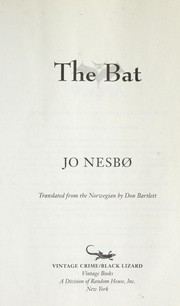
The Bat
Oslo detective Harry Hole aids Sydney police after a young Norwegian woman is murdered and finds a wider pattern. Grief, drink, and a lost partner shape the…
2,766-word summary · 12 min read
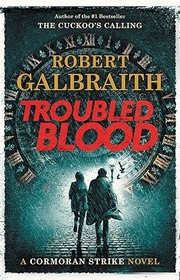
Troubled Blood
Strike and Robin take a year long cold case: doctor Margot Bamborough vanished in 1974, with a nurse hiding more.
2,211-word summary · 10 min read

Holly
Grieving detective Holly Gibney takes a missing-girl case in 2021 and traces it to two polite retired professors with a basement secret.
2,607-word summary · 12 min read

Faithful Place
Undercover Frank Mackey returns to Faithful Place when lost love Rosie suitcase is found.
2,161-word summary · 10 min read