
Reading options
What's inside (5 sections)
I had only read Tess and Jude in school and remembered them as bleak, so I put off Far from the Madding Crowd for years thinking it would be more punishment. It is not. First published in 1874, originally in Cornhill Magazine then in book form by Smith, Elder, the Penguin Classics edition I used runs 433 pages, ISBN 9780141439655, edited with notes by Rosemarie Morgan. It is Hardy's sunniest novel that still breaks your heart in places, about a woman who inherits a farm and three men who love her differently, set in Wessex farm country that Hardy makes feel like the whole world.
Bathsheba Everdene is young, beautiful, and, crucially, competent. When we meet her she is poor, living with an aunt, saving a haystack with a stranger's help. That stranger is Gabriel Oak, a shepherd with his own small flock, sensible, musical, plain spoken. He proposes. She refuses, not unkindly, because she does not love him and does not want to be kept. Then Gabriel loses everything when his sheepdog drives his flock off a cliff, and he becomes a hired hand. Bathsheba inherits her uncle's farm at Weatherbury and becomes mistress of men, accounts, markets, and weather.
Three suitors and a farm
The triangle, really a square, structures everything. Gabriel loves Bathsheba steadily and tells her so once, then works for her without scheming. William Boldwood, a neighboring farmer in his forties, respectable and repressed, falls obsessively after Bathsheba sends a valentine as a joke. Sergeant Francis Troy, a handsome cavalryman with a sword and a past, flatters her with displays and promises. Bathsheba, twenty and new to power, enjoys being admired and misreads attention as affection.
Hardy is wonderful on farm work as work. Sheep washing, shearing, haymaking, corn markets, hiring fairs, storms that threaten ricks. Gabriel knows these things in his body. Bathsheba learns fast because she must. She rides out at dawn to check stock, argues prices with men who expect her to defer, stays up during lambing. Some of my favorite pages are just harvest descriptions. Sweat, beer, songs, the specific weight of a sheaf. You understand why Bathsheba loves the farm even when it exhausts her. It is hers in a way no husband can be.
Gabriel's patience could feel saintly and dull. Hardy saves it by letting Gabriel be angry and wrong at times. He scolds Bathsheba about vanity when she needs encouragement. He leaves when pride is hurt. He returns because work needs him, not only love. His musicianship, playing flute alone in lofts, gives him interior without speeches. When he tells Bathsheba she is in danger with Troy, he does it plainly and then steps back. That restraint reads as respect, not passivity, though modern readers may wish he said more sooner.
Boldwood is the tragic figure I did not expect to pity so much. He has lived orderly, lonely, respectable, and Bathsheba's valentine cracks him open. He becomes fixated, offers marriage as rescue, watches her every move, spends money to prove worth. Hardy shows how a good reputation can hide starvation for affection. Boldwood is not cruel. He is rigid and then suddenly wild. His Christmas party, where he decorates and hopes and drinks too much, is painful because you see a middle aged man trying to be young for someone who cannot love him back.
Troy is the opposite problem. Charming, skilled with a sword, broke, haunted by a former lover, Fanny Robin, a servant girl he abandoned. His famous sword exercise scene with Bathsheba, cutting around her in a hollow while she stands still, is erotic and terrifying. She mistakes control for love. He mistakes admiration for forgiveness. Their marriage is the book's warning about marrying a performance. Troy gambles, flirts, neglects the farm, and still Bathsheba defends him because leaving would admit mistake.
Fanny Robin and the road
Fanny is the moral center even though she barely appears. A young servant who loves Troy, pregnant, poor, trying to walk to meet him, turned away from the wrong church by a mistake about parishes, then walking to the workhouse in Casterbridge to give birth. Her chapters, walking in rain, resting on stiles, being refused, are among Hardy's best. She does not preach. She endures. When she dies with her baby and is brought back to Weatherbury, the truth about Troy breaks open.
I found these pages harder than any storm or fire. Hardy does not sensationalize. He counts miles, pennies, hours. Fanny's boots, her cloak, the workhouse routine. Bathsheba, who has been jealous of an imagined rival, must face a real dead girl and a child in coffins side by side. Her reaction, insisting the coffins be opened, looking, then covering her face, is devastating because it is practical. She needs to see to believe, and then she wishes she had not. Troy's reaction, kissing the dead Fanny and rejecting Bathsheba, ends their marriage in all but law.
The farm crisis chapters show Hardy at his most cinematic. A great storm threatens the ricks just as Troy, drunk, sleeps and laborers flee to a dance. Bathsheba and Gabriel work all night in rain and lightning to thatch and rope. No speeches about love. Just two people who know how to tie a knot working side by side while thunder cracks. I read those thirty pages faster than any thriller chase. You can smell wet straw and feel rope burn. It is also where Bathsheba finally sees Gabriel clearly, not as a rejected suitor but as the person who shows up.
For language, Hardy can be dense. Latinate sentences, classical allusions, chorus like commentary about fate and chance. Some paragraphs about nature go long. I skimmed one description of clouds because I wanted the storm to start. But his eye for rural class is precise. Who eats with whom at harvest supper. How a mistress gives orders without sounding like a master. How servants judge her while obeying. Those details carry the love story without needing modern psychology.
What the title means and who should try it
The title comes from Gray's Elegy, far from the madding crowd's ignoble strife. Hardy means Weatherbury as retreat from city noise, but also shows the crowd lives inside people. Bathsheba wants independence and admiration at once. Gabriel wants love without losing self. Boldwood wants order to hold feeling. Troy wants pleasure without cost. None of them get to stand apart. The madding follows on horseback and in letters.
The ending, after Troy's death at Boldwood's hands at another Christmas party and Boldwood's arrest, pairs Bathsheba and Gabriel at last. Some readers find it too neat. I found it earned because so much time passes and so much work happens between proposal one and wedding. Gabriel has his own farm prospect by then. Bathsheba has learned to ask for help without surrendering. Their marriage is not rapture. It is partnership. Hardy, who rarely allows happiness, allows this one quietly. They marry with little fuss and go back to work.
For criticism, Troy's backstory with Fanny, while moving, relies on coincidence about churches that feels contrived on first read. Boldwood's obsession tips into stalking that Hardy treats as love sick rather than dangerous until late. A modern editor might ask for more interior from Bathsheba about money. She inherits, spends, borrows, but ledgers stay vague. And the chorus narrator sometimes tells you what to feel about chance versus character when the scenes already show it.
Still, at 433 pages in this edition it reads faster than its reputation. Short chapters, market days and fairs to mark time, letters that change everything. I read it across a wet week and kept looking out at fields differently. If you bounced off Tess as a teen, try this as an adult. It is warmer, funnier about rural pride, and more generous to a young woman learning power. Bathsheba makes mistakes that cost lives and still deserves the farm and the love she finally chooses. Gabriel waiting without waiting, working, playing his flute alone, is one of literature's best quiet heroes. I closed it thinking about haystacks saved just in time, which is as good a metaphor for attention as any.
It also helped me to track money more carefully on this read, because Hardy hides plot in accounts. Gabriel starts with savings enough for a small flock and loses it in one night through no fault except a young dog left unsupervised. That single accident decides his class for years. He goes from owner to hired hand and must ask for work from the woman who refused him. Bathsheba inherits a farm with debts, stock, leases, and laborers to pay. Every romantic choice she makes has a ledger consequence. Marrying Troy means his debts become hers. Refusing Boldwood means losing a neighbor who would have helped at harvest for free. Keeping Gabriel means paying fair wages to a man who loves her, which complicates authority. Hardy never gives a balance sheet, but he shows enough to make love feel economic without making it cynical.
The hiring fairs and markets deserve mention too. At Greenhill Fair, servants stand with straws in hats to signal trade, farmers walk rows inspecting hands and shoulders like livestock. Bathsheba goes to hire and must perform mastery in front of men who test her with jokes and low offers. Gabriel watches from the workers' side, now one of them, and sees how she handles it. She overpays one good shepherd to signal fairness and underpays no one to signal control. Those five minutes tell you she will survive as mistress even before she proves it at lambing. I liked that Hardy lets work scenes do character work that dialogue cannot. How someone hires says who they are.
One more note on Fanny that deepened for me. Her walk to Casterbridge is often taught as pathos, but on this read it felt like labor history. She walks because she cannot afford a cart, rests because her body forces it, is turned away from one church because of a clerk's error about parishes, then walks on because the workhouse is the only place that must take her. Each step is a system failing in small print. When Bathsheba later walks the same roads in grief, shorter distances but with the same rain, you feel Hardy linking them. Mistress and servant share weather even when they share nothing else. That linkage is why the coffin scene hits. Bathsheba finally sees Fanny as a worker like herself, not as a rival ghost.
The two Christmas parties that frame Boldwood's arc deserve a closer look because Hardy stages them as mirrors. The first, where Boldwood hopes Bathsheba will announce engagement, is bright with evergreens, music, neighbors watching for a glance. He has ordered extra food, hired fiddlers, worn his best coat. Bathsheba comes out of politeness and leaves early with Troy's name on her lips. The second, years later, where Boldwood again decorates and hopes, is heavier with drink and age. Same house, fewer illusions. Troy shows up uninvited and Boldwood shoots him. I found the repetition deliberate rather than lazy. Hardy shows a man trying the same ritual to get a different outcome, which is how obsession works. The details change. The hope does not learn.
Gabriel's flute playing also returns at key moments and I started listening for it. He plays alone after losing his flock, not for money but to hear something he controls. He plays at harvest suppers where others dance. He stops playing when Bathsheba marries Troy, as if music would be disloyal or wasted. He starts again quietly near the end, practicing scales while watching weather. Those small music cues tell you where he stands with hope without Hardy stating it. Work and music are his two prayers. Both require breath and patience. Both keep him human while waiting.
FAQ
Who are Bathsheba's three suitors?
Gabriel Oak the shepherd, William Boldwood the farmer, and Sergeant Francis Troy the soldier. Gabriel waits and works, Boldwood fixates, Troy performs.
When was Far from the Madding Crowd published?
It ran in Cornhill Magazine then in book form in 1874 by Smith, Elder. The Penguin edition cited runs 433 pages with ISBN 9780141439655.
Who is Fanny Robin?
Fanny Robin, pregnant and poor, walks to the workhouse and dies with her baby. Her coffins force Bathsheba and Troy to face truth.
Similar books
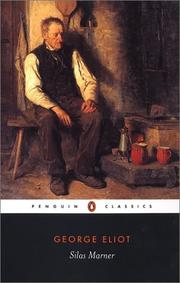
Silas Marner
A falsely accused weaver hoards gold in Raveloe until a stolen hoard and an abandoned child remake his narrow life.
2,699-word summary · 12 min read
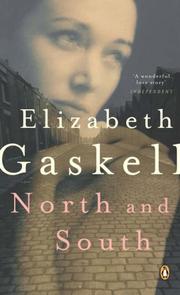
North and South
Margaret Hale moves from rural Helstone to industrial Milton and clashes with mill owner John Thornton amid strikes and loss. A slow burn romance grows through…
3,098-word summary · 14 min read

A Room with a View
Lucy Honeychurch meets the odd Emersons in Florence, gets engaged to the proper Cecil Vyse, then must choose.
2,637-word summary · 12 min read
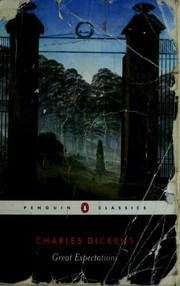
Great Expectations
Orphan Pip chases wealth and Estella through London fog and prison ships.
2,117-word summary · 9 min read
Emma
Emma Woodhouse matchmakes Harriet Smith in Highbury while missing Mr Knightley beside her.
3,369-word summary · 15 min read
Jane Eyre
Charlotte Bronte's Jane Eyre retold: Lowood, Thornfield, the attic secret, and Jane's refusal to shrink.
2,325-word summary · 10 min read

Tess of the D'Urbervilles
Tess Durbeyfield seeks work and love in Wessex, but assault and harsh judgment follow her from Marlott to Stonehenge.
3,726-word summary · 17 min read
Austenland
A New York graphic designer obsessed with Mr. Darcy inherits a trip to a Jane Austen theme park, where the fantasy of Regency romance collides with the men…
2,030-word summary · 9 min read

The Shadow Sister
Star D'Apliese steps out of her sister's shadow and follows a bookshop clue into the Edwardian life of Flora MacNichol, a woman who gave up love for duty.
2,260-word summary · 10 min read

Howards End
Forster's 1910 novel follows two families, a house in Hertfordshire, and a burned note, asking whether money and feeling can ever be connected.
2,187-word summary · 10 min read
Devil in Winter
A shy heiress with a stammer proposes a marriage of convenience to London's most notorious rake, then makes him prove he can be faithful.
2,548-word summary · 11 min read
The Moonstone
A cursed yellow diamond vanishes on the night of a birthday party, and eight witnesses tell what they saw.
2,603-word summary · 12 min read
The Lottery
In Jackson's 1948 story, a village draws lots to keep the corn heavy, and the chosen person is stoned by her neighbors.
3,080-word summary · 14 min read

On Chesil Beach
Two newlyweds spend one terrible night on Chesil Beach in 1962, and the rest of their lives is decided by it.
2,456-word summary · 11 min read

Ivanhoe
A disinherited Saxon knight, a great tournament, a besieged castle and a trial by combat. Scott's most famous novel, set in England in 1194.
2,834-word summary · 13 min read

Doctor Zhivago
A doctor and poet lives through revolution, war, and love in Pasternak's novel of private life under the pressure of Russian history.
2,213-word summary · 10 min read
The Memoirs of Sherlock Holmes
Doyle's second Holmes collection gathers twelve Strand stories, including the early case of the Gloria Scott and the confrontation with Moriarty at Reichenbach…
2,390-word summary · 11 min read
Anne of Windy Poplars
Anne spends three letter-filled years as principal of Summerside High, outlasts the Pringle clan, and warms a lonely vice-principal and a dreaming little girl…
2,599-word summary · 12 min read
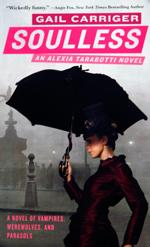
Soulless
A soulless spinster in Victorian London nullifies supernaturals and solves disappearances.
2,362-word summary · 10 min read
I Capture the Castle
Cassandra journals six months of love and money trouble in a castle.
2,402-word summary · 11 min read
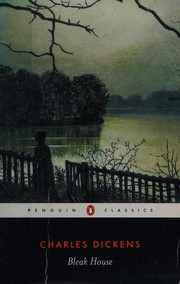
Bleak House
Jarndyce and Jarndyce grinds through Chancery while Esther finds her family.
2,480-word summary · 11 min read
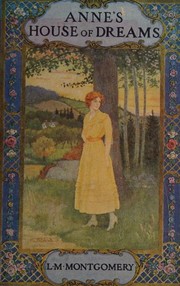
Anne's House of Dreams
Newlyweds Anne and Gilbert start in a seaside house with kind neighbors.
2,465-word summary · 11 min read
The Tenant of Wildfell Hall
Helen flees a cruel marriage, hides as Helen Graham at Wildfell Hall, and tells her full story through a long diary young Gilbert Markham must read before…
2,838-word summary · 13 min read
Lady Chatterley's Lover
A baronet's wife, starved in a marriage the war broke, takes the gamekeeper as her lover. Lawrence's banned 1928 novel of class and touch.
2,566-word summary · 11 min read
The Scarlet Pimpernel
A foppish baronet rescues aristocrats from the guillotine while his French wife hunts the hero she scorns.
2,980-word summary · 13 min read
The Woman in White
A drawing teacher and Marian Halcombe fight a forged register to prove Laura is alive.
1,915-word summary · 9 min read
The Constant Princess
Catalina of Spain becomes Katherine, outlasts poverty and spies, and wins Flodden as Henry's queen.
2,065-word summary · 9 min read

So Long, and Thanks for All the Fish
Arthur Dent finds Earth back again and meets Fenchurch, who sensed the planet's odd moment, in Adams's softer fourth Hitchhiker novel from 1984.
2,448-word summary · 11 min read
Anne of the Island
Anne leaves Avonlea for Redmond College, shares Patty's Place with friends, and learns to tell admiration apart from love.
2,766-word summary · 12 min read

White Nights
A lonely dreamer spends four summer nights with Nastenka in Petersburg, listening, hoping, then losing her at dawn.
2,927-word summary · 13 min read