

Everything is Illuminated
2,616-word summary 12 min read 288 pages in the book
- First published
- 2002
- Publisher
- Mariner Books
- Pages
- 288
- ISBN
- 9780544484009
Reading options
What's inside (8 sections)
I picked up Everything is Illuminated on a rainy Saturday because a friend told me it was funny. That sounded wrong for a book about the Holocaust in Ukraine. I kept waiting for the joke to fall flat. Instead I found myself laughing in the first twenty pages at letters from a Ukrainian translator, then feeling sick a few chapters later when the same road trip reached an empty field. That swing between comedy and grief is the whole engine of the book. It never quite settles, and that is both why it works and why parts of it annoyed me.
The novel came out in 2002 as Jonathan Safran Foer debut. It runs 288 pages in the Mariner Books edition. It has two threads that trade chapters. In one, a young American writer named Jonathan comes to Ukraine to find a place called Trachimbrod. In the other, we get a made up history of that same shtetl going back more than two hundred years. The two stories press against each other until the trip in the present changes how you read the old stories, and the old stories change how you hear the jokes in the present.
Jonathan in the book is a stand in for the author. He carries a photograph of a woman named Augustine. Family lore says she saved his grandfather from the Nazis. He has almost nothing else. No address he trusts. Only the name of a vanished village. He hires a local service in Odessa that promises to help Jews find lost places. What shows up is Alex. Alex is young and loud and desperate to seem American. His grandfather drives. Their dog comes along. The dog is named Sammy Davis Jr Jr. Jonathan is quiet and careful. Alex writes sections of the book in letters to Jonathan. Those letters become half the novel.
Hiring Alex in Odessa
Alex introduces himself through letters that are hard to forget. His English is broken in a way that is clearly built for comic effect. He mixes formal phrases from a thesaurus with slang from pop culture. He calls Jonathan a hero. He brags about his car and his plans to leave Ukraine. He apologizes and then brags again. At first I laughed out loud. He describes his grandfather as blind in some ways and sharp in others. He describes the dog as wild and loving. He promises his family business will find Trachimbrod.
The humor has a purpose beyond showing off. Alex wants to please an American writer. He wants money and a good review. He also wants to be seen as more than a driver. His letters keep asking Jonathan to change things in the story. He wants his grandfather to look kinder. He wants himself to look smarter. He admits he invents parts. That admission matters later. When the trip turns dark, you remember Alex has been editing all along. His voice filters much of what Jonathan sees.
The grandfather barely speaks at first. He keeps his eyes on the road. He is said to be hard on Alex. He is said to love the dog more than people. He claims to be blind to certain things. Jonathan notices the old man flinch at particular names. Nothing is explained yet. The car smells of old food and cigarettes. Sammy Davis Jr Jr pants in the back and barks at stops. Jonathan clutches his photograph of Augustine. The group drives out of the city into flat country with small towns and long roads.
The road to Trachimbrod
The search is simple on paper and strange in practice. Trachimbrod does not appear on current maps the way Jonathan expects. People in villages shake their heads. Some never heard the name. Some grow quiet when they hear it. Alex translates loosely. He admits when he does not know a word. He fills gaps with guesses. He tells Jonathan not to worry. The car eats miles of rough road. They stop for food Jonathan barely recognizes. They sleep badly.
There is a scene at a small house where an old woman answers the door. I will keep details loose because the power sits in the slow reveal. She invites them in. She feeds them. She listens to the story about Augustine. She does not react like a stranger would. Alex notices first that something is off in how she looks at the grandfather. The dog, wild the whole trip, goes quiet. That quiet scared me more than any loud scene earlier. You understand before Jonathan does that the trip he planned is over, and a different talk is about to start.
Foer handles this stretch with restraint that surprised me. After so much wordplay, the prose thins out. Sentences get shorter. Alex stops showing off in his account of that afternoon. Jonathan stops taking notes like a researcher. The grandfather finally speaks at length. What he says reframes the photograph Jonathan carried. Augustine was no simple rescuer in a simple story. She belonged to a moment when choices were narrow and terrible. The grandfather had been near that moment. He had told no one in his family.
Brod rises from the river
The other thread starts long before any car. A man crashes his carriage into a river in Trachimbrod. He drowns. A baby girl floats up in the wreckage and survives. The town takes her as a sign. They name her Brod, after the place where she appeared. From there Foer builds generation after generation in short bursts. Marriages. Births. Feuds. Businesses. Rabbis arguing. Lovers missing each other. A mill that creaks. A field that floods. The tone is playful and sad at once, like stories told at a table long after the people in them died.
Brod grows up strange and bright. She is raised by many hands. She marries a man called Kolker. Their life together is one of the longer sections in the old history, and it shows Foer at his most inventive and also his most indulgent. Kolker has an accident with a mill. He changes after it. He becomes withdrawn. He sleeps in strange places. Brod tries to reach him through food and routine and stubborn care. She also wants more than care. She wants attention that feels alive. The book follows her longings without turning her into a symbol. She reads as a person stuck inside a folk tale, pushing at the edges.
I found these chapters easy in small doses and heavy in a long sit. Foer piles invention on invention. A family argues about a wheel. A neighbor keeps a list of hates. A wedding lasts for pages. Some of it sings. Some of it feels like showing off. The language wants to sound old and new at the same time. When it works, you feel the density of a real place where everyone knows whose cow ate whose fence. When it does not, you feel a young writer enjoying his thesaurus a little too much.
The point of the shtetl history is not accuracy. Foer is open about that inside the book. Alex complains Jonathan invents too much. Jonathan answers that invention is the only way to fill a gap left by murder. That exchange states the method plainly. Trachimbrod was destroyed. Few records remain. So Jonathan writes people to stand where names used to be. Brod stands for beginnings. Kolker stands for damage that does not heal cleanly. Later figures stand for greed and faith and book learning. It is schematic if you step back, but moving while you are inside it.
Kolker and the long middle years
Kolker deserves a longer pause because his section tests patience in a useful way. After his injury, he cannot return to the man he was. He works less. He talks less. He hides. Brod keeps the house going. She raises children. She manages money. She keeps up appearances for a town that watches wives with sharp eyes. Foer writes their meals with close attention. Soup cooling. Bread torn. A chair left empty and then filled. These small details do more than the magical bits around them. They make the marriage feel lived in.
What builds under the comedy is a sense of ending the characters cannot see. Readers know what happened to villages like this in the war. The people inside the story do not. So a joke about a new fence carries extra weight. You read with dread. Foer knows this and uses it. He lets a chapter end on a birth or a wedding while you think about what year it must be. He does not need to name the coming violence yet. The date does the work.
I should say plainly that this middle can drag if you do not enjoy pastiche. There are stretches where the shtetl voice feels put on, where every sentence reaches for sparkle. I skimmed a few pages on first read and felt guilty, then realized Alex felt the same in his letters. He tells Jonathan the old stories are too dreamy and too far from the muddy road they are on. That complaint inside the book gave me permission to admit fatigue without dismissing the project. The excess is part of the point, but it is still excess.
Some books tell you what happened. This one asks what you owe the dead when you cannot even find their graves.
That line stayed with me through the second half. Foer cares less about clean history than about the debt Jonathan feels. The shtetl chapters are Jonathan trying to pay that debt with imagination. Alex letters are Alex trying to pay a different debt with honesty about his own family. Both efforts fail in places. Both still matter.
The woman who remembers
Back in the present, the old woman who takes them in changes the temperature. She lives alone near where Trachimbrod used to be. She has jars and photographs and habits built around solitude. She recognizes the grandfather in a way that makes Alex uneasy. She speaks to Jonathan with care, as if he is both guest and intruder. She confirms Augustine existed. She explains what happened to the village in plain terms that need no decoration.
I will not lay out every fact she gives, because the book earns force by pacing them. The shape is this. Trachimbrod was rounded up and shot. Houses were burned. A few hid. Choices about who to hide were made in minutes and lived with for decades. Augustine tried to protect Jonathan grandfather when he was young. The grandfather survived. Others did not. The woman survived by luck and help she does not romanticize. She has lived with the field behind her house ever since.
The field is the image Foer returns to. It looks like nothing. Grass. Dirt. Maybe a piece of metal. Maybe a stone. Alex describes it without jokes for once. Jonathan walks it and finds nothing to photograph that would satisfy anyone back home. The grandfather stands apart. Sammy Davis Jr Jr digs and then stops. The woman watches. No music swells. That refusal felt right. A place where hundreds died should not offer a clean view.
What happens between the grandfather and the woman is the moral center. He admits what he did and failed to do during the war. He had stayed silent when speech mattered. He had lived because someone else died. He tells Alex he is not the man Alex thought he was. Alex, who spent the book trying to make his family look good, has to hear it without editing. Jonathan, who came for a story about a rescuer, has to accept a story about a survivor who is also guilty. It is uncomfortable and well done.
Letters and what cannot be fixed
The last movement belongs mostly to Alex letters after the trip. He writes to Jonathan with less swagger and more need. He reports his grandfather has withdrawn. He reports fights at home. He reports he cannot sleep. He asks Jonathan to keep writing the shtetl history even if it is invented, because the alternative is nothing. He also says he cannot write the same way anymore. The broken English remains, but the jokes thin out. You hear a young man trying to grow up fast enough to carry what he learned.
Jonathan answers by sending more chapters. Those chapters grow darker and shorter. Brod is long gone by then in story time. Kolker is gone. The village nears its end. Foer writes the destruction without hiding behind magic. People gather. Shots sound. Houses burn. A few escape to the woods. Most do not. The folk tale voice cracks. That crack is intentional. Invention cannot cover murder. It can only mark the space where people were.
Now for fair criticism, because admiration should not block clear sight. Alex voice starts as a delight and ends as a strain in places. The broken English is a high wire act. Foer keeps it up for hundreds of pages. Sometimes the errors feel observed and true to how a smart kid overuses a dictionary. Sometimes they feel built to get a laugh on every line, and the laugh comes at Alex expense rather than with him. A few letters in the middle made me wince. I wanted Alex allowed plain sadness without a joke tucked inside.
The sentimentality is the second problem. Foer loves big feelings and big gestures. A dog that seems to understand everything. A photograph kept like a relic. A grandfather silent until the exact right scene. These work because the actors commit, but they lean soft if you resist swelling music in prose. I felt moved and steered in the same paragraph more than once. The book wants tears. It often earns them. It sometimes reaches for them.
The third issue is the shtetl pastiche. When Foer writes as folk chronicler, he borrows rhythms from older writers and from translation. It can sound rich. It can also sound secondhand, like a clever student imitating a master. Brod birth and Kolker middle age hold pages I admire and pages I wanted to cut. A stricter edit would have kept the history thread tight and left more air for Alex and Jonathan in Ukraine. Still, even the baggy parts show a mind trying hard to honor people he never met.
Why read it despite those flaws. Because the structure does something few debuts manage. It makes translation itself the subject. Alex translates language. Jonathan translates loss into story. The grandfather translates silence into confession too late to fix anything. Even Trachimbrod as a name moves from living town into a field and then into a book. And Augustine moves from a face in a photo into a person with limits. That chain felt true to how families handle the past, with errors and wishes mixed in.
I closed thinking about Sammy Davis Jr Jr asleep in the car while the humans talked. That dog carries no guilt and no history. He pants and barks and loves whoever feeds him. In a novel crowded with meaning, he is a small pocket of mere life. Without that dog, the road trip would be unbearable. With him, you remember ordinary days kept happening before and after the horror, with food and jokes and bad music. That memory does not excuse anything. It makes the loss specific. Mine were Alex and Brod. Alex because he grows from clown to witness without losing hunger to be liked. Brod because she begins as a miracle and ends as a woman who kept a house together while a town watched.
FAQ
Who travels to Ukraine in Everything is Illuminated?
Jonathan, an American writer, hires Alex as translator, with Alex grandfather driving and the dog Sammy Davis Jr Jr along for the search for Trachimbrod.
What are the shtetl chapters about?
They retell Trachimbrod from Brod rising from a river through marriages and daily life, including figures like Kolker, in a style that mixes folk tale and history.
Is Everything is Illuminated part of a series?
No. Published in 2002, it stands alone as Foer debut novel. The Mariner Books edition cited here runs 288 pages.
Similar books

The Idiot
A Turkish-American freshman at Harvard falls in love through email with a Hungarian math student and spends a summer in Hungary trying to turn correspondence…
2,019-word summary · 9 min read

Sophie's Choice
A young Southern writer in 1947 Brooklyn befriends a brilliant, unstable couple and slowly learns the story of the Polish Catholic woman at the center of their…
2,798-word summary · 12 min read

Dance Dance Dance
A divorced Tokyo writer returns to a Sapporo hotel that has been rebuilt, then follows a woman who may be a ghost and a teenage girl through a mystery about…
2,407-word summary · 11 min read

Eligible
Austen's Bennet sisters move to modern Cincinnati, where marriage is a reality show and the house is losing its value.
2,293-word summary · 10 min read

Big Swiss
A transcriptionist for a sex coach falls for one of his clients, the tall Swiss gynecologist she calls Big Swiss, in a funny novel about work and secrets.
2,523-word summary · 11 min read

The Bone Clocks
A teenage runaway, a Cambridge con artist, a war reporter and a dying novelist circle a hidden war between immortals across sixty years, with Holly Sykes at…
2,125-word summary · 9 min read

And Every Morning the Way Home Gets Longer and Longer
An elderly grandfather, his son, and his grandson share memories and fears as the old man's mind begins to fade, in a short novel about grief and love.
2,078-word summary · 9 min read

The Memory Police
On an unnamed island, ordinary things keep vanishing from memory, and a novelist hides her editor from the police who make sure the vanished stay forgotten.
2,440-word summary · 11 min read
I Capture the Castle
Cassandra journals six months of love and money trouble in a castle.
2,402-word summary · 11 min read
Post Office
Chinaski drifts through postal shifts, cheap rooms, horse tracks and rough love in Bukowski's 1971 debut about work, drink and survival.
2,444-word summary · 11 min read
This Is Not About Us
Sisters Sylvia and Helen Rubinstein feud over apple cake in linked stories spanning divorces, bat mitzvahs and three generations of family life.
2,064-word summary · 9 min read
The Humans
An alien borrows Andrew Martin's life to erase a proof, then a dog, peanut butter, and a tired family win him over.
2,959-word summary · 13 min read

The History of Love
An elderly locksmith and a grieving teenage girl in New York are joined by a lost manuscript published in Spanish under another man's name.
2,805-word summary · 12 min read

South of the Border, West of the Sun
A married Tokyo bar owner reunites with his lost childhood sweetheart and must choose between steady family life and a haunting first love.
2,844-word summary · 13 min read
Departure(s)
Barnes mixes memoir and invention as old writer Julian revisits Stephen and Jean, lost love, a loyal dog, and last goodbyes.
2,133-word summary · 9 min read

White Teeth
Archie and Samad's wartime bond tangles their London families across generations, genes, and faith.
2,110-word summary · 9 min read
The Sense of an Ending
Retired Tony Webster inherits money and a diary from an old girlfriend's mother, forcing him to rethink his youth, a cruel letter, and a friend's death.
2,451-word summary · 11 min read

Commonwealth
An uninvited kiss at a christening breaks two marriages, and six stepsiblings share wild summers until loss and a novel pull them apart.
2,348-word summary · 10 min read
Breakfast of Champions
A Pontiac dealer breaks down while a broke sci-fi writer brings the book that tells him others are robots.
2,013-word summary · 9 min read
The Remains of the Day
Stevens, the perfect English butler, drives west in 1956 and looks back on Darlington Hall, Miss Kenton, and a life spent serving.
2,971-word summary · 13 min read
Never Let Me Go
Kathy looks back on Hailsham, the English school where she and her friends were raised for an unspoken purpose.
2,102-word summary · 9 min read
The Notebook
The Notebook retold: Noah reads to Allie in a nursing home, summer love in New Bern, letters and choice.
1,957-word summary · 9 min read

Lessons in Chemistry
Lessons in Chemistry retold: Elizabeth Zott fired, TV cooking with science, Six-Thirty helps.
1,951-word summary · 9 min read

Extremely Loud and Incredibly Close
Nine year old Oskar searches New York for a lock matching his father's key after 9/11.
2,999-word summary · 13 min read

Violeta
A woman born in 1920 writes her life story to her grandson, from one pandemic to another, through wealth, ruin, passion, and dictatorship in South America.
2,555-word summary · 11 min read
The Zookeeper's Wife: A War Story
The directors of the Warsaw Zoo hid roughly three hundred Jews in empty cages and outbuildings after the German invasion, while Jan worked for the resistance.
2,065-word summary · 9 min read
The Orphan's Tale
A Dutch teenager rescues a Jewish baby from a death train and joins a German circus, where a Jewish aerialist teaches her to fly.
2,943-word summary · 13 min read
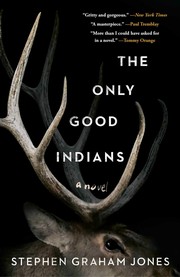
The Only Good Indians
Four Blackfeet men who killed a pregnant elk are hunted by her spirit a decade later, and the only person who can end the cycle is a teenage girl who was not…
2,010-word summary · 9 min read
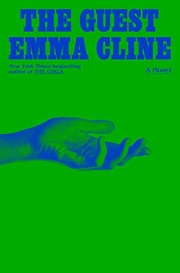
The Guest
Cast out of her wealthy boyfriend's Hamptons house, twenty-two-year-old Alex spends five days talking her way through other people's homes and accounts.
2,165-word summary · 10 min read

The Crying of Lot 49
A California woman named executor of her ex-lover's estate follows a muted post horn into a possible centuries-old postal conspiracy, and Pynchon refuses to…
2,003-word summary · 9 min read