
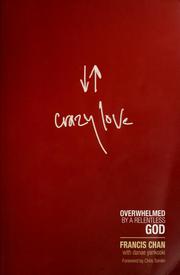
Crazy Love: Overwhelmed by a Relentless God
2,240-word summary 10 min read 205 pages in the book
- First published
- 2008
- Publisher
- David C. Cook
- Pages
- 205
- ISBN
- 9781434768513
Reading options
What's inside (9 sections)
A friend pressed this book on me after I admitted that my faith had gone flat. Not dead, just flat, the way a song goes flat when everyone in the room knows the words and nobody means them anymore. He said this short book had shaken his church. I expected a pep talk. What I got was closer to a doctor's visit: uncomfortable, direct, and hard to dismiss. Crazy Love is a 2008 Christian book by Francis Chan, then the pastor of a large church in Simi Valley, California, written with Danae Yankoski and introduced by Chris Tomlin. It asks one question from a dozen angles. If God is real and His love is wild, why do so many of us live such careful little lives?
The book is short. The first edition runs 205 pages, and the chapters are built for reading in sittings rather than sips. Chan writes like he preaches, in plain sentences, sudden stories, and direct second person address. You will either find that voice bracing or bossy, and your answer probably predicts how you will feel about the whole book. I found it bracing on first read and bossier on the second, which seems worth admitting up front.
Stop praying and look at God
The first chapter has a title that sounds like a gimmick. Stop Praying. Chan's point is not that prayer is useless. He asks the reader to pause before babbling, and to consider who is supposedly listening. Page after page, he piles up the strangeness of God: eternal when we are brief, holy when we are compromised, the maker of galaxies who also made nerve endings and pine sap. The effect is deliberate. Most of us pray to a God our minds have shrunk to manageable size, and Chan wants the size restored before a single request is made.
I rolled my eyes at the title and then found the chapter genuinely useful. There is a difference between starting prayer with my shopping list and starting it with wonder, and Chan describes that difference better than most writers I have read. He is not subtle about his method. He tells stories about creation's scale, about history's length, about heaven's attention, and each one is aimed at shrinking the reader in the right way. Smallness, in this chapter, is a gift. Once you feel how brief and derivative your life is, gratitude stops being a duty and starts being the only sane response.
A criticism belongs here, because it applies to the whole book. Chan leans on awe the way some speakers lean on volume. The illustrations are vivid, but they come fast, and a skeptical reader may feel herded rather than persuaded. If you dislike being told what to feel, the opening chapters will test you. If you can set that aside, the core claim is solid and shared across centuries of Christian writing. Prayer goes wrong when it begins with us.
You might not finish this chapter
The second chapter is the one people quote. Chan asks the reader to imagine dying before the chapter ends. He pictures the funeral, the tears, the food table in the next room, and then, within months, life moving on without you. The tone is blunt. Your church will replace you. Your projects will continue. Your possessions will be sorted, donated, or thrown away. The life you treat as permanent is, set against eternity, closer to a breath.
This is the chapter that made me put the book down and stare at the wall. Not because the idea is original. Every tradition has a version of remember you will die. Chan's version works because it is specific. He names the ordinary props of a comfortable American life, the house, the retirement account, the reputation at church, and shows how little weight they carry past the grave. The chapter's famous image of eternity does its work quietly. Picture a rope going on forever, he suggests, and your life is a tiny marked section near one end. Then ask what you are living for.
Fairness requires a counterweight. Used carelessly, this kind of writing becomes a pressure tactic, scaring people toward decisions they have not understood. Chan mostly avoids that trap by aiming the chapter at complacency rather than at outsiders. He is writing to comfortable church people, himself included, not to the grieving or the depressed. Still, readers carrying fresh loss may want to skip or skim here. The medicine is strong, and the dose assumes a healthy patient.
Crazy love and the profile of the lukewarm
The middle of the book holds its two most famous chapters, and they work as a pair. First Chan describes the love of God, relentless and unearned, moving toward people who do nothing to deserve it. Then he turns the lens around and profiles the lukewarm believer, the churchgoer who admires Jesus without following Him. The contrast is the engine of the whole book. God gives everything. We give, at best, our leftovers.
The chapter on God's love is gentler than its surroundings. Chan writes about grace with real warmth, about a Father who runs toward failures, about forgiveness that does not keep accounts. Readers who expect only scolding are often surprised here. The tenderness is the point. Without it, the next chapter would be mere bullying. With it, the diagnosis lands as grief rather than contempt. God loves like this, Chan says, and look what we hand Him in return.
The lukewarm profile is where the book made its reputation and its enemies. Chan walks through the habits of halfhearted faith: church attendance without transformation, generosity that costs nothing, obedience that stops where comfort begins, a mouth that praises God on Sunday and a life that ignores Him on Monday. He writes each trait as a small mirror and invites the reader to look. Congregations reportedly went silent when pastors read these pages aloud. I can see why. There is nowhere to hide in this chapter, and Chan refuses to offer hiding places.
Here is where my admiration and my unease meet. The diagnosis is piercing. Much of Western church life fits it too well. But lists like this can wound the wrong people. The scrupulous reader, the anxious teenager, the tired mother doing her best, they read a profile of lukewarmness and assume it is about them, while the truly complacent nod along thinking of someone else. Chan tries to guard against this by stressing grace, but the chapter's force runs the other way. Read it slowly. Argue with it. Do not let a diagnostic list do the work that belongs to prayer, friends, and time.
Leftovers to a holy God
The next chapters press the money question, and Chan does not flinch. Serving Leftovers to a Holy God argues that most of us give God what costs us nothing: spare hours, spare change, spare attention. He reaches for the old stories of offerings to make the point. Cain brought something. It was not enough, because it was not first and not best. The principle carries straight into budgets and calendars. What gets your first fruits, your freshest energy, your real money? The answer to that question, Chan says, is the truest statement of what you worship.
This is the least comfortable section for readers like me, and probably the most necessary. Chan tells stories from his own church: people who downsized houses to free money for the poor, members who gave away cars, a congregation that started measuring itself by sending capacity rather than seating capacity. Some stories will strike you as inspiring. Others may strike you as extreme. Chan's reply is that the New Testament reads as extreme to comfortable people in every century, and he has a point. The question is not whether every reader should copy these exact choices. It is whether your own choices cost you anything at all.
When You're in Love follows, and the shift in tone feels like air after a locked room. Chan compares devotion to God with the early days of romance, when attention is total and sacrifice feels like privilege. Lovers do not calculate the minimum. They compete to give more. Transfer that energy to faith, he says, and watch how fast the arithmetic of minimums looks absurd. Nobody in love asks how little texting the relationship requires. Nobody in love schedules affection into leftovers. The analogy is simple, almost too simple, and that is why it sticks. I kept catching myself doing minimum math in the week after reading it.
Your best life later
The hinge of the book's second half is a chapter aimed at one of the most popular ideas in American Christianity: that God mainly wants you healthy, wealthy, and comfortable right now. Chan answers with a phrase that became the book's slogan. Live your best life later. Eternity is real, he argues, so trading present comfort for future treasure is not loss but wisdom. The chapter commends sacrifice, simplicity, and generosity as rational moves for people who actually believe heaven exists.
I agree with the doctrine and winced at some of the packaging. Chan writes with total confidence that costly choices will feel worth it, and for readers in genuinely tight places, that confidence can sound glib. The single mother working two jobs does not need to be told to want less. The retiree who tithed faithfully for forty years does not need a lecture on comfort. To his credit, Chan's examples include wealthy people giving up much, not poor people giving what they lack. But the chapter lands hardest on the comfortable, which means comfortable readers like me should hear it as addressed to us, and everyone else should feel free to read with a filter.
The Profile of the Obsessed mirrors the earlier lukewarm chapter beat for beat. Where the lukewarm believer calculates, the obsessed believer risks. Chan sketches the traits of wholehearted faith: quick obedience, openhanded money, time spent with the poor, prayer that expects answers, a reputation for being extreme. The chapter reads like fresh air after the diagnosis. It also raises the question the whole book must answer. Fine, we say. But who actually lives like this? Chan knows the objection is coming. He built the next chapter to meet it.
Who really lives that way, and the crux of the matter
The ninth chapter answers with real people. Chan profiles believers who gave up incomes, moved into hard neighborhoods, adopted children nobody wanted, and poured their lives into forgotten places. He keeps the stories short and concrete, which helps. These are not heroes with halos. They are pastors, nurses, business owners, and students who took the book's logic seriously and changed addresses, budgets, and careers. Skeptical readers will ask the fair question: are these stories checked, typical, or repeatable? Chan presents them as witnesses, not statistics, and that is the right way to take them. They prove possibility, not prescription.
The final chapter, The Crux of the Matter, brings the argument home. Chan refuses to let the reader end as an admirer of radical faith. He presses for a decision: examine yourself, repent where the lukewarm profile stung, and take one concrete step before the feeling fades. He writes about his own church's changes with unusual candor, admitting fear, mistakes, and slow progress. The closing conversation included in the book, a question and answer session with Chan, lets him answer objections in his own voice. It is the warmest part of the book, and it softened my view of the harder chapters that came before.
My criticism of the ending is also my criticism of the genre. Books like this measure faithfulness in motion: go, give, move, quit, start. Motion matters. But staying can be obedience too. The teacher who stays in a hard school for twenty years, the son who cares for a declining parent, the neighbor who simply shows up for decades, these lives rarely make radical faith highlight reels, and Chan gives them less attention than they deserve. A fuller book would honor both the sent and the staying. This one mostly celebrates the sent.
Should you read it
So where do I land? Crazy Love is not a careful theology textbook, and judging it as one misses the point. It is a pastoral alarm, short and loud, aimed at comfortable Christians who mistake attendance for discipleship. As an alarm, it works. The chapters on awe, eternity, and lukewarmness have changed real budgets, real calendars, and real churches, including people I know by name. The book won Christian retailing awards and spent time on the New York Times bestseller list for a reason. It says what many pastors think and few say plainly.
Read it if your faith feels managed rather than alive. Read it with a friend, because the discussion questions practically demand company, and because a friend can tell you when conviction slides into shame. Skip it if you are in a season where guilt already shouts louder than grace, or save it for later. And whatever season you are in, read the ending in light of the whole counsel of Scripture, not this book alone. Chan would agree. His final plea is not to admire his book but to open the Bible, believe what it says about eternity, and let your money, your hours, and your address catch up.
FAQ
When was Crazy Love first published?
In 2008 by David C. Cook in Colorado Springs. The first edition paperback runs 205 pages with ISBN 9781434768513, and a revised edition followed in 2013.
Does Chan tell every reader to quit their job or move overseas?
No. He presses for examined obedience, which for some readers means staying put and giving generously where they already are.
Is the book only for evangelicals?
It was written by an evangelical pastor for churchgoers, but its themes of awe, eternity, and generosity suit any Christian reader.
Similar books
Love Does
A lawyer and activist tells stories of saying yes, showing up, and loving people through ordinary, often ridiculous actions.
2,411-word summary · 11 min read
90 Minutes in Heaven: A True Story of Death and Life
A pastor declared dead at a 1989 crash scene describes ninety minutes he says he spent in Heaven, then thirteen months of surgeries, depression, and recovery.
2,246-word summary · 10 min read
Same Kind of Different as Me
An art dealer and a formerly homeless sharecropper tell the story of the friendship that began at a Fort Worth mission and the woman who insisted on it.
2,023-word summary · 9 min read
The Magnolia Story
How Chip and Joanna Gaines met, closed their first shop, nearly lost everything in a housing development, and built Fixer Upper.
2,994-word summary · 13 min read
A Voice in the Wind
A young Christian slave in Rome serves a spoiled patrician daughter and catches the eye of her brother, while a captured German gladiator fights for freedom.
2,322-word summary · 10 min read
God Is Not Great
Hitchens argues religion poisons life across history and texts.
2,545-word summary · 11 min read
Blue Like Jazz
Donald Miller leaves youth group faith in Texas for Portland and Reed College, where a confession booth and shared house life reshape his view of Christian…
2,366-word summary · 11 min read
The Case for Christ
An atheist journalist cross-examines scholars on the Gospels, the tomb, and the resurrection to test the evidence for Jesus.
2,882-word summary · 13 min read
The Hiding Place: The Triumphant True Story of Corrie Ten Boom
The Ten Booms hide Jews in Haarlem, suffer Ravensbruck, lose Betsie, and learn forgiveness.
2,593-word summary · 12 min read
The Screwtape Letters
A senior devil advises his nephew Wormwood on tempting an ordinary Englishman away from faith and attention.
2,489-word summary · 11 min read
The Five Love Languages
Chapman maps words, time, gifts, service, and touch through counseling stories and the empty love-tank idea.
3,122-word summary · 14 min read
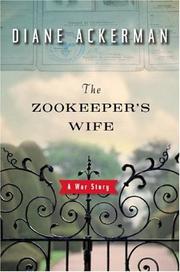
The Zookeeper's Wife: A War Story
The directors of the Warsaw Zoo hid roughly three hundred Jews in empty cages and outbuildings after the German invasion, while Jan worked for the resistance.
2,065-word summary · 9 min read
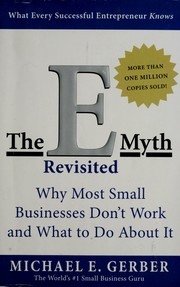
The E-Myth Revisited
Gerber argues that most small businesses are run by technicians who own a job rather than a business, and that the fix is a system that runs without them.
2,169-word summary · 10 min read
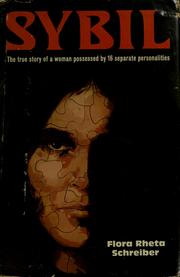
Sybil
A 1973 case study of a woman treated for multiple personalities, and the book that made dissociative identity disorder a household phrase.
2,054-word summary · 9 min read
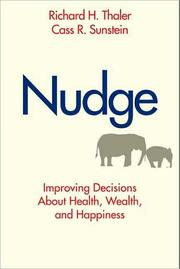
Nudge: Improving Decisions About Health, Wealth, and Happiness
Thaler and Sunstein show how defaults, framing, and social cues steer choices, and argue for choice architecture with an opt-out.
3,146-word summary · 14 min read

Long Walk to Freedom
Mandela's account of a Thembu childhood, a law practice, a banned movement, twenty-seven years in prison, and the negotiation that ended apartheid.
2,454-word summary · 11 min read
1491: New Revelations of the Americas Before Columbus
Charles C. Mann gathers archaeology, ecology, and demography to argue that the Americas before Columbus were older, fuller, and more deliberately shaped than…
2,712-word summary · 12 min read
What Happened to You?
Oprah Winfrey and psychiatrist Bruce Perry explain how early experience shapes the brain, and why asking what happened to someone works better than asking what…
2,238-word summary · 10 min read
The DaVinci Code: A Quest for Answers
A short 2006 dialogue in which three friends test Dan Brown's claims about Jesus, Mary Magdalene, Nicaea, and the canon.
2,088-word summary · 9 min read
The Courage to Be Disliked: The Japanese Phenomenon That Shows You How to Change Your Life and Achieve Real Happiness
A philosopher and an angry young man argue over five nights about Adlerian psychology, trauma, approval, and the freedom to be disliked.
2,054-word summary · 9 min read
Nothing to Envy
Barbara Demick follows six defectors from Chongjin through the North Korean famine, showing how ordinary people lived, believed, and finally left.
2,068-word summary · 9 min read

In Order to Live: A North Korean Girl's Journey to Freedom
A young North Korean girl crosses the Yalu, survives trafficking in China, and rebuilds her life in Seoul in this unsparing memoir.
2,027-word summary · 9 min read
Too Much and Never Enough: How My Family Created the World's Most Dangerous Man
Mary L. Trump's 2020 memoir traces how a cold, zero-sum Queens household shaped her uncle, and uses family tax documents to challenge his self-made story.
2,059-word summary · 9 min read
Moonwalking with Einstein: The Art and Science of Remembering Everything
A journalist spends a year training for the U.S. Memory Championship and discovers that extraordinary memory is mostly technique, attention, and a lot of…
2,027-word summary · 9 min read

Infidel
Ayaan Hirsi Ali's memoir of a Somali childhood, a forced marriage, a Dutch asylum claim, and the political fight that followed the murder of Theo van Gogh.
2,041-word summary · 9 min read
The Total Money Makeover: A Proven Plan for Financial Fitness
Dave Ramsey lays out seven Baby Steps, from a $1,000 starter fund to a paid-off house, with the debt snowball at the center.
2,663-word summary · 12 min read
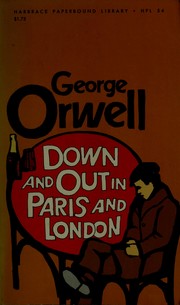
Down and Out in Paris and London
Orwell's account of washing dishes in Paris hotels and tramping through London does not ask for pity, only for a clear look at how poverty actually works.
2,282-word summary · 10 min read
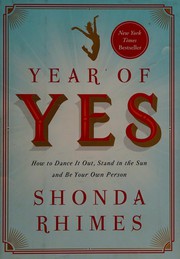
Year of Yes: How to Dance It Out, Stand in the Sun and Be Your Own Person
Shonda Rhimes takes her sister’s accusation seriously and spends a year saying yes to the things that frighten her, from live television to her own reflection.
2,585-word summary · 11 min read
The Girl with Seven Names: A North Korean Defector's Story
Hyeonseo Lee crossed the frozen Yalu River at seventeen, spent years hidden in China, escaped to South Korea, and later returned to rescue her family.
2,404-word summary · 11 min read
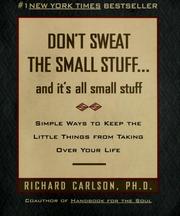
Don't Sweat the Small Stuff ... and It's All Small Stuff: Simple Ways to Keep the Little Things from Taking Over Your Life
Richard Carlson’s 1997 bestseller offers one hundred short chapters on lowering the volume on daily irritations, and it is more pragmatic than its title…
2,502-word summary · 11 min read