
The Screwtape Letters
2,489-word summary 11 min read 224 pages in the book
- First published
- 1942
- Publisher
- Geoffrey Bles
- Pages
- 224
- ISBN
- 9780060652937
Reading options
What's inside (8 sections)
I picked up The Screwtape Letters because a friend kept bringing it up whenever I complained about feeling distracted at church. She did not describe it as theology. She said it was funny in a dry way and a little uncomfortable to read. That turned out to be exact. The book first came out in 1942 from Geoffrey Bles, back when England was in the middle of the war, and it still reads like letters from an office worker who happens to work in Hell. It is short on the shelf at 224 pages, but I read it slowly because almost every page made me pause.
The setup is simple. An older devil named Screwtape writes to his nephew Wormwood. Wormwood has been assigned one man, called only the Patient, an ordinary young Englishman who has just started to take Christianity seriously. Screwtape advises him on how to pull the man back. God is never called God in these letters. He is the Enemy. Satan is Our Father Below. That flip in language does most of the work. You start to see familiar habits from the other side.
What surprised me was how little Screwtape cares about big sins. He does not want Wormwood to arrange a murder or some dramatic fall. He wants him to keep the Patient busy and dull and slightly annoyed. That felt personal. I recognized myself in the descriptions of half attention and petty irritation more than I expected.
Letters to Wormwood
Screwtape sounds like a tired manager. He is polite to Wormwood in the way older relatives are polite when they think you are hopeless. He praises him when Wormwood does something right and scolds him when he gets excited about the wrong thing. Wormwood wants grand results. Screwtape keeps telling him to aim lower.
The Patient himself is not remarkable, and that is the point. He is a young man living with his mother, reading, thinking about joining the church, wondering what to do with his life. Early in the letters he becomes a Christian. Screwtape treats this as a setback but not a disaster. People who have just converted, he says, are still full of old habits. They can be nudged.
Lewis gives the Patient a small circle. There is his mother, who loves him but knows how to press his buttons. There are clever friends who enjoy mocking faith over drinks. Later there is a young woman from a Christian family, sensible and kind, who Screwtape hates on sight. There is also war in the background, with blackouts and air raids and talk of service. The Patient eventually joins civil defense work and walks the streets during bombing.
I liked how little we learn about the Patient directly. We see him only through Screwtape complaining about him. When Screwtape says the man prayed for his mother or noticed a sunrise, you have to flip the insult around to understand what happened. That structure keeps you active. You are always translating.
Bold idea that stayed with me: Screwtape fears clear attention more than strong feeling.
One thing I had to adjust to is the voice. Screwtape is witty and grumpy. He makes jokes about human fundraising and newspapers and church music. Some of the jokes are dated to the early 1940s, but most still land because people still get bored in the same ways.
The small tricks that work best
The middle letters are where the book earns its fame. Screwtape explains that the safest road away from faith is gradual. Keep the Patient from thinking too hard about anything. Fill his day with noise. Encourage him to read the right sort of books, not bad books exactly, but books that make him feel clever while he learns nothing.
Prayer gets a lot of attention. Screwtape tells Wormwood to make the Patient focus on his own feelings during prayer instead of the person he is praying to. If the man feels flat one morning, let him conclude that prayer does not work. If his mind wanders to lunch, let him feel guilty enough to quit but not honest enough to laugh and start again. I found that section uneasy to read because I have done both versions.
Screwtape also loves the word mine. My time. My money. My weekend. He says humans start to feel ownership over things they only borrowed. Once the Patient feels possessive about an hour of the day, any interruption feels like theft. That makes him easy to anger. A delayed bus becomes a moral issue. A noisy neighbor becomes proof that the world is against him.
There is a long bit about humility that I had to reread. Screwtape does not want the Patient to become openly proud. He wants him to become proud about being humble. Let him think about how well he handled a compliment. Let him compare himself to louder Christians and feel quietly superior. It works because it looks like virtue from outside.
Sleep and food and health come up a lot. Screwtape says physical states can be used to shape spiritual states. If the Patient is tired, push him to make big decisions. If he is well fed and cheerful, push him to assume he no longer needs help. If he catches a cold, let him use it as a reason to skip the habits that were helping him. None of this requires lying. It only requires timing.
I kept thinking about my phone while reading this part. Lewis did not know about feeds and alerts, yet his description of a mind that cannot sit still for five minutes fits perfectly. That overlap between 1942 and now gave me a chill.
Wormwood makes mistakes here. He tries to produce strong emotions when mild confusion would do better. Screwtape corrects him again and again. Do not try to prove Christianity false, he says. Just make the Patient stop thinking about whether it is true.
Church and the girlfriend
When the Patient starts going to church, Screwtape changes tactics. He cannot keep the man away, so he tries to spoil the visit. Look at the people in the pews, he suggests. Notice the bad singing. Notice the odd shoes. Notice the sermon that goes too long. Turn worship into a review of the performance.
I laughed at first because I have had those thoughts. Then I felt caught. Lewis knows that church disappointment often has less to do with belief and more to do with mood and taste. Screwtape wants Wormwood to keep the Patient shopping for the ideal congregation instead of learning to love actual people.
The friends matter too. The Patient knows a pair of witty, skeptical men who make faith seem dull. Screwtape loves this. He tells Wormwood not to argue with them. Just let the Patient spend enough evenings with them that their tone becomes his tone. Nobody needs to refute anything. Laughter does the job faster than logic.
Then the girlfriend arrives, and Screwtape panics a little. She is young and Christian and comes from a household he despises, full of charity and plain habits and laughter. She takes walks. She cares about poor families in the parish. She prays without making a show of it. Screwtape calls her kind insipid, but you can tell he finds her dangerous because she is steady.
Her family home becomes a test. The Patient visits and feels out of place because the furniture is worn and the talk is simple. Screwtape wants him to feel socially superior. If that fails, Screwtape wants him to pretend to be simpler than he is, to play at humility to win approval. Either way, attention shifts from other people to himself.
His mother gets some painful pages. She and the Patient love each other and irritate each other in the exact way only family can. Small things like the way she asks for tea or clears her throat become huge. Screwtape coaches Wormwood to keep both of them focused on tone rather than meaning. She means one thing. He hears another. Neither asks. I found this the most convincing part of the book because it needs no demons to work. Most of us can run that script alone.
War and how the story ends
War sits behind everything. Bombs fall. Friends join up. The Patient worries about being brave and useful. Screwtape sees opportunity in both fear and safety. If the Patient is afraid, let fear fill his mind so prayer feels impossible. If he is safe for a stretch, let comfort convince him that danger has passed and he can relax his conscience.
There is a striking set of letters about time. Screwtape says humans live in time but want to live outside it. They brood over the past with regret or pride. They dream about the future with anxiety or greed. The present is the only place where obedience and joy can happen, so the task is to keep the Patient away from it. Make him live in headlines about tomorrow. That advice hit hard. I spend a lot of evenings planning and replaying instead of noticing the room I am in.
Toward the end the Patient changes. He becomes less easily flattered. He prays more simply. He does his civil defense duties without complaint. He falls more deeply for the girl. Wormwood tries harder tricks, including pushing him toward lust without love, and pushing him to be overly scrupulous about small rules. Screwtape warns that both can backfire if they drive the man to honesty.
I will not hide the ending since these summaries cover full plots. The Patient is killed during an air raid while doing his duty. One moment he is on a street in danger, the next he sees what Christians would call Heaven. Lewis describes the moment from Screwtape's furious point of view, watching his nephew lose. Wormwood, who failed, faces punishment from his own side. Screwtape ends almost hungry at the thought of eating him, which is a grim joke about how Hell treats its own.
I found the death scene moving even though I knew it was coming. It is not written as tragedy. It is written as rescue. The Patient who spent so many pages distracted and anxious suddenly sees clearly. The fears about career and reputation fall off. What remains is love and attention. After so much talk about small failures, the mercy feels large.
What dragged and what stayed with me
Not every letter works now. Some passages about 1940s church parties and literary cliques feel distant. I had to look up a few references. Lewis also assumes a reader who knows basic Christian terms. If you do not, parts about charity and faith and the Enemy may feel coded. A short intro edition helps, but the plain text alone can leave you guessing.
I also struggled with one fair criticism. Screwtape is so clever that real evil starts to look clever too. Lewis knew this risk. He added a preface warning readers not to take devils as charming guides. Still, I caught myself admiring a well turned insult and forgetting what it was defending. The wit can distract from the warning. Younger readers in particular might miss how serious the last letters are if they treat the whole book as satire.
The handling of women feels of its time. The mother is mostly a voice and a set of habits. The girlfriend is good but thin, seen only through hostile eyes. She exists to help the Patient grow rather than as a person with her own story. I wished Lewis had let her speak. Modern readers will notice the gap. It does not ruin the book, but it dates it.
What stayed with me was practical. I started noticing when I review worship instead of joining it. I noticed when I turn tiredness into an excuse. I noticed the possessive word mine creeping into my day. Those small catches feel more useful than any grand resolution. I now pause before I scroll when I meant to pray.
I also liked the short preface and the toast at the end in some editions, where Screwtape gives advice to young devils at a banquet. It repeats some points, but it shows how Hell in this book feeds on bureaucracy and rivalry. Everyone wants credit. Nobody wants to serve.
Would I press this on a friend? Yes, with a note. Read it slowly, maybe one or two letters a night. Keep a pencil nearby. Argue back. If 1942 language feels stiff, try reading aloud. The sentences were built for voice, and Screwtape sounds even better out loud, petulant and precise and a little pleased with himself.
I closed the book thinking less about devils and more about attention. Who gets mine when I am tired or bored or with family? What do I actually love, shown by hours rather than words? Lewis never answers those questions for me. He lets an angry old devil complain until I hear my own habits in the complaint. That reversal is why people still pass this short book along, more than eighty years after Geoffrey Bles first put it out, and why my copy is already marked up for a second read.
How to read it without missing the point
A friend asked if this book is only for Christians, and I said no, though it helps to know the basics. The psychology works even if you do not share the faith. Anyone who has tried to build a habit and watched it dissolve into busyness will recognize the moves. Substitute study or practice or care for prayer and the advice still tracks. Distraction is equal opportunity.
It helps to read with some knowledge of Lewis himself. He was an Oxford scholar who came back to Christianity as an adult, and he wrote these letters for a newspaper before they were collected. That explains the quick pace and the topical jokes. He was writing for tired readers on buses and in kitchens, not for scholars. The plain style is on purpose.
I made one rule that helped. After each letter I asked what Screwtape wants the Patient not to notice. Sometimes the answer was God. Sometimes it was the girlfriend. Sometimes it was simply lunch getting cold while he rehearsed an argument. That question turns satire into practice. You start to watch your own day differently.
If you try it, do not rush the last five letters. They move fast because Wormwood is desperate and the war is loud. Read them in a quiet room if you can. The shift in tone is deliberate. Jokes thin out. Screwtape gets angrier. The Patient gets clearer. By the final page the comedy is gone, and what is left feels like relief mixed with fear, which seems honest about how change often feels at the close.
FAQ
Who are Screwtape, Wormwood, and the Patient?
Screwtape is the senior devil writing advice, Wormwood is his nephew tempter, and the Patient is the ordinary young Englishman they target.
When was The Screwtape Letters first published and by whom?
It was first published in 1942 by Geoffrey Bles in England during the war.
How does the Patient die?
He is killed in an air raid while doing civil defense work and enters Heaven.
Similar books
More like The Screwtape Letters →
Brave New World
Huxley's Brave New World retold: hatcheries, soma, Bernard and Lenina, John the Savage, and the lighthouse.
2,513-word summary · 11 min read
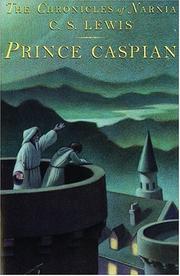
Prince Caspian
The Pevensies return to ruins at Cair Paravel and help Caspian take back Narnia from Miraz.
2,304-word summary · 10 min read

War and Peace
Pierre, Natasha, and Andrei search for meaning amid the Napoleonic wars.
2,536-word summary · 11 min read

The Trial
Josef K. is arrested one morning on an unknown charge and pulled into an endless court he can never leave.
2,318-word summary · 10 min read

The Prince
Machiavelli advises Lorenzo on rule through fear and love, fortune, cruelty and mercy.
2,204-word summary · 10 min read

The Name of the Rose
Friar William and Adso investigate 1327 abbey deaths amid library labyrinth.
2,580-word summary · 11 min read