
Reading options
What's inside (7 sections)
I read And Then There Were None on a rainy weekend, which the book deserves. It was published in 1939 by Collins Crime Club in the UK. It runs 272 pages in common editions. Ten strangers take boats to Soldier Island off Devon. A voice accuses each of past killings gone free. Then they die one by one as a rhyme on the wall says. I finished it in two sittings with doors locked. It is the best selling mystery for a reason. No detective saves. Only pattern remains.
The ten arrive with false hosts and thin lies. Justice Wargrave, old and ill, seeks rest. Vera Claythorne, a former governess, takes a secretary job. Philip Lombard, a soldier of fortune, brings a gun for pay. Dr Armstrong, a Harley Street man, consults on nerves. Emily Brent, stern and religious, rents cheap. General Macarthur, retired, hopes for old friends. Anthony Marston, rich and reckless, drives fast. Mr Blore, ex police, poses as a major. Thomas and Ethel Rogers serve as butler and cook. No host U.N. Owen appears. Dinner is served. A record plays. A voice names each guest's buried dead. Glasses stop mid lift.
The rhyme hangs in rooms as Ten Little Soldiers. Nine little soldier boys sat up very late, one overslept himself and then there were eight. Each verse marks a death to come. Marston chokes first on poisoned whiskey. Mrs Rogers dies in sleep after a dose. Macarthur is struck on the beach. Rogers is axed stacking wood. Brent is pricked with a bee in the garden. Each death matches the china soldiers that vanish from the table one by one. The survivors smash the record and search the island. No boat waits. No wireless works. Storms rise. The house holds fear like damp.
Accusations and Fear
Accusations spill after the record. Wargrave, a judge, runs talks like court. Who drove sons to death. Who denied care. Who shot tribesmen. Who let a sister drown. Each guest holds a story with excuses. Vera drowned a boy she watched by swimming past. Lombard left tribesmen to starve. Armstrong killed a patient drunk. Brent fired a maid who drowned herself. Blore beat a man who died in jail. The judge sentenced a man most call guilty though proof thinned. Macarthur sent a rival officer to death in war. Marston ran down kids with a car. Rogers let an old mistress die for money. No one is clean. That is the point. The island collects the unpunished.
Fear splits them into watches and locks. Men pair off. Women lock doors. Guns move from pockets to drawers to hands. Food is counted. Rooms are searched. Vera clutches a gun. Lombard keeps his. Blore guards stairs. Armstrong checks windows. Trust frays with each dawn and one less soldier. They try to stay in groups. The killer slips drinks, axes, and needles between. Paranoia does the killer's work half the time. A guest vanishes and all assume flight, not death, till bodies show in cliffs and curtains. Christie writes fear as logistics. Who holds keys. Who cooks. Who sleeps where. Those details scare more than screams.
Vera and Lombard emerge as leads by surviving, not solving. Vera is clever and guilty. She keeps a diary. She faints and steadies. Lombard is brave and shifty. He admits his gun and keeps it. They flirt under doom with distrust. He saves her from a bee sting. She doubts his alibis. Their bond feels frayed rather than romantic. Doom strips charm. Both watch hands. Both count spoons. Readers will pick sides and switch. Christie wants that churn. No Poirot explains. Only nerves remain. The island keeps score in china.
The middle deaths quicken. Rogers axed at dawn. Brent stung in garden with a syringe mark. Wargrave shot in the head dressed in red curtains, seemingly dead. Armstrong vanishes from cliffs. Blore is crushed by a bear shaped clock pushed from a window. Lombard is shot by Vera with his own gun. Vera hangs herself after moving a chair like the last verse. The house empties in days. Storms break boats. Police arrive to ten corpses and no footprints off. The puzzle locks. How did all die with no killer left. The answer waits in a bottle past the end.
Letter and Law
The epilogue letter in a bottle explains all from Wargrave's hand. Dying of illness, the judge sought a perfect murder none could solve. He lured the guilty with lies, killed by rhyme with tricks, and faked his own death with Armstrong's help before killing Armstrong. He hanged Vera by staged fear and then shot himself as last verse demands. The letter details each trick with pride. Poison, dose, axe, syringe, curtain, cliff push, clock drop, gun swap, noose. No supernatural hand. Only planning and knowledge of law's gaps. The confession chills because it is calm. Justice as vanity project. Murder as art with footnotes.
The law theme runs deeper than tricks. Wargrave judged in courts and found them soft on the clever guilty. He built an island court with no appeal. Each guest escaped legal punishment by luck or class. The island punishes without trial. Christie, who loved courts, shows their limits and the horror of fixing them by murder. The judge becomes the killer he condemned. His letter boasts of mercy in giving quick deaths. Victims felt no such mercy. Readers will argue if any deserved death. The book refuses to absolve. Guilt varies. Marston's reckless driving differs from Vera's cold swim past. The rhyme flattens all to soldiers. That flattening is the crime beyond kills.
Soldier Island itself works as locked room at scale. No causeway at high tide. No boats after storm. One house with ten rooms and a dining table of china. Christie maps it with care. Beach where Macarthur waits for a son who will not come. Garden where Brent reads psalms. Hall where Rogers stacks wood. Cliffs where Armstrong falls. Each death uses place. The island shrinks as numbers fall. Survivors rattle in big rooms. Storms cut wires. Food thins. Those constraints do more than gore. Hunger and damp break nerves before hands do. Place kills as surely as poison.
The original title history needs plain note. First published as Ten Little Niggers after a minstrel song, then Ten Little Indians, now Ten Little Soldiers with Soldier Island. Modern texts revise slurs and rhymes. The plot's island and verse changed names with editions. This summary follows current text with Soldier wording. Readers should know the past title to grasp publishing shame. Christie used common language of 1939 Britain that now reads as vile. Later editions fixed words, not story. The mystery survives the rename. The shame should stay noted, not hidden.
Table, Storms, and Searches
The dining table keeps score in china soldiers that vanish one by one. Ten sit down to cold soup. Nine after Marston chokes on whiskey. Eight after Mrs Rogers sleeps past waking. Each morning the staff, then survivors, count figures on the mantel. Christie makes the count a drumbeat. Short chapters end on numbers. Rooms are searched between. Guns move from pockets to drawers to locked boxes. Food is counted in tins. Storms cut boats and wires. Hunger and damp break nerves before hands do. Place kills as surely as poison here. The house shrinks as numbers fall.
Storms lock the island with high tides and cut wires. No boat can land. No wireless calls out. Survivors try signal fires that hiss in rain. They search cliffs, sheds, and the village that holds only gulls. Wargrave runs talks like court in the drawing room. Who drove sons to death. Who denied care. Who shot tribesmen for sport. Each guest holds a story with excuses ready. Vera keeps a diary. Lombard keeps his gun. Blore keeps stairs. The killer slips drinks, axes, and needles between watches. Paranoia does half the work after. A missing guest means flight till a body shows in curtains or cliffs.
Searches follow each death with grim routine. Men pair off with candles. Women lock doors with chairs. Kitchens are checked for poison. Gardens for syringes. Halls for axes. Vera clutches a gun she barely knows. Lombard keeps his with ease. Armstrong checks windows with doctor hands. Those logistics scare more than screams because they show order failing. Keys do not hold. Groups do not save. The rhyme on the wall gives the only order left. Verse by verse. Soldier by soldier. Christie maps the house so readers can track. Beach, garden, hall, cliff. Each death uses place it was given.
Wargrave's Court and Missed Mercy
Wargrave judges in courts and finds them soft on clever guilty faces. He builds an island court with no appeal and no press. Each guest escaped legal punishment by luck, class, or lies. The island punishes without trial or mercy. Christie, who loved courts and procedure, shows their limits here and the horror of fixing them by murder. The judge becomes the killer he once condemned with black cap. His letter boasts of mercy in giving quick deaths by poison and sleep. Victims felt no such mercy in throats and lungs. Readers will argue if any deserved death at all. Guilt varies widely. Marston's reckless driving differs from Vera's cold swim past a drowning boy. The rhyme flattens all to soldiers marching off. That flattening is the crime beyond kills counted in china.
Missed mercy haunts every room after. Armstrong could have reported Wargrave's odd calm. Vera could have told Lombard of the noose dream. Blore could have guarded stairs without drink. Each misses one small act that might have broken pattern. Christie plants those near misses with care. A locked door left ajar. A gun left loaded. A letter unopened. The island runs on such slips. Survivors blame luck after, but choices stacked the table. That moral sits under tricks. Watchfulness might have saved two. Fear spent watchfulness on locks instead of faces. The killer counted on exactly that trade.
Title history needs plain note for new readers. First published as Ten Little Niggers after a minstrel song, then Ten Little Indians, now Ten Little Soldiers with Soldier Island in current texts. Modern printings revise slurs and rhymes throughout. The plot's island and verse changed names with editions and countries. This summary follows current Soldier wording found in shops. Readers should know past titles to grasp publishing shame of 1939 Britain. Christie used common language then that now reads as vile hate. Later editions fixed words, not story bones. The mystery survives the rename. The shame should stay noted in reviews, not hidden in praise.
What Locks and What Creaks
Christie locks with pace and fairness. Short chapters end on china counts. Ten, nine, eight. Clues sit plain. Guns, syringes, axes, curtains. You can solve with the guests if you track verses. Red herrings abound but rules hold. No secret twin. No poison unknown to science. The best locked room of the genre earns its fame in craft. You can finish in a weekend with lights on and still check locks. That grip is the aim. Pattern over personality. Song over soul.
It creaks where people stay types. The judge judges. The doctor drinks. The soldier smirks. The governess faints. Brent prays. Blore blusters. Rogers serves. Marston speeds. Macarthur broods. Backstories arrive as files, not lives. Dialogue repeats fear in same lines. Readers who want depth may find rhyme instead. Christie chooses mechanism over minds here. The island is the character. Guests are verses waiting to drop. Take it as machine and it thrills. Take it as novel and it thins.
There are notes worth stating. The book shows strangling, poisoning, drowning implied, and a hanging. It shows past child deaths by neglect and crash. Young readers should wait. Older readers should know past titles and slurs to avoid surprise in old copies. The book sides with no guest. It lets a murderer judge them and then judges him by his own rope. Some will find that justice. Some will find it vanity. I found it both. A dying judge proving he could outwit all proves only that cleverness can kill ten and still die alone with a letter in a bottle.
Even with creaks, the mystery holds as the locked room all others measure. Ten arrive by boat with lies. One china soldier breaks each night. No detective steps from fog. Only a letter explains after tides. I closed it listening to rain on windows and counting soldiers in my head. Ten, nine, eight, none. Christie leaves the table empty and the rhyme complete. For mystery lovers, that empty table is plenty. For others, it chills as warning. Guilt unanswered finds islands. Better to answer in courts while doors stand open.
FAQ
How do the ten reach the island?
Ten strangers get letters offering work or rest on Soldier Island. A voice at dinner names each past death they dodged.
How do the murders follow the rhyme?
Guests die one by one as the Ten Little Soldiers rhyme says. The killer fakes death, then hangs as last verse demands.
When was it published?
It was published in 1939 by Collins Crime Club in a 272-page edition. The summary follows that text.
Similar books
More like And Then There Were None →
The Mysterious Affair at Styles
Hastings reunites with refugee Poirot at Styles Court after Emily Inglethorp is poisoned in her locked room.
2,856-word summary · 13 min read
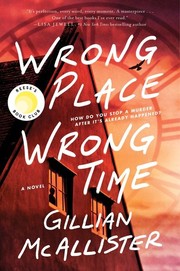
Wrong Place Wrong Time
Jen sees her son Todd kill a stranger, then wakes the day before, slipping back in time to stop the murder.
2,522-word summary · 11 min read

The Outsider
Coach Terry Maitland's DNA and witnesses point to an impossible murder, until Ralph Anderson and Holly Gibney trace it to El Cuco.
2,586-word summary · 11 min read

The Only One Left
Caregiver Kit tends mute Lenora Hope accused of 1929 family murders.
2,592-word summary · 12 min read
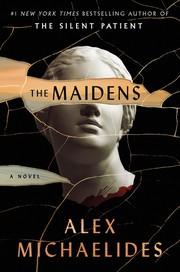
The Maidens
Therapist Mariana hunts Cambridge professor Edward Fosca after a Maidens murder.
2,234-word summary · 10 min read

The Locked Door
Surgeon Nora Davis hides serial killer father while patients die.
2,465-word summary · 11 min read