
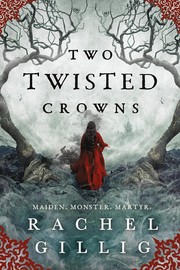
Two Twisted Crowns
2,052-word summary 9 min read 480 pages in the book
- First published
- 2023
- Publisher
- Orbit
- Pages
- 480
- ISBN
- 9780316312714
- Series
- The Shepherd King (#2)
Reading options
What's inside (7 sections)
I finished One Dark Window late at night and immediately wanted the second half, which is a good sign for a duology. Two Twisted Crowns by Rachel Gillig was first published on October 17, 2023 by Orbit, a 480 page edition with ISBN 9780316312714. It is book two of The Shepherd King, after One Dark Window. I read it in three evenings with a pencil for the card list, because Gillig expects you to remember what each Providence Card does and what it costs.
Blunder, the misty kingdom, is still sick. The Spirit of the Wood was sealed long ago into cards by the Shepherd King, and those cards grant power while taxing the user. Elspeth Spindle carries the most dangerous one. The Nightmare, a centuries old presence who lives in her mind and speaks in a low voice only she hears. In book one she teamed with Ravyn Yew, a captain of the Destrier guard, to gather cards and to resist King Rowan. In this book the hunt continues while the kingdom tips toward open fight.
What I love is how Gillig splits the story without losing heat. Elspeth and Ravyn run one thread, hiding, bargaining, and falling harder. Elm, Ravyn younger brother with a bad reputation and a good heart, runs the other, forced to court allies he once mocked. A third voice, Ione, a maiden with her own ties to the magic, braids them together. Three views, one dwindling deck.
The deck and the debt
Providence Cards are the engine. Twelve cards, each a bargain. The Well gives strength but drains years. The White Eagle gives sight at the price of pain. The Black Horse carries travelers but bruises the body. The Nightmare, the thirteenth hidden card, gives Elspeth power and counsel while eating her future. Every use has a toll, which keeps magic from feeling free.
Elspeth starts this book weaker and sharper. The Nightmare talks more, takes the front of her mind longer, and remembers being a king who did terrible things to save his people. He likes Elspeth stubbornness and hates her love for Ravyn because love gives her reason to resist him. Their internal dialogues are the best writing in the duology. Dry, intimate, and scary. He teaches her old words. She teaches him, unwillingly, what it is to care for someone now rather than centuries ago.
Ravyn starts grimmer. His father is dead, his brother Elm is a liability in his eyes, his mission to unite the cards feels impossible with soldiers hunting them. He loves Elspeth plainly and fears what love costs her. Every time she uses the Nightmare to save him, he flinches, because he knows the price posts to her, not him. Their fights about this feel real. Not will they, but how much can they spend to stay together.
Elm thread surprised me most. In book one he read as a drunk prince, cruel to hide fear. Here Gillig gives him work. Win over the barons. Apologize without groveling. Learn the cards from Ione, who sees through him. His chapters have more politics, fewer kisses at first, and a slow change that earns the romance later. I went from tolerating Elm to rooting for him by page two hundred.
A small hurdle. If you did not just reread book one, the first eighty pages throw many names. Hauth, Yew, Emory, Nya, Jespyr. Keep the family tree handy. Once the quest lines set, it smooths. The cards become characters you recognize on sight.
Elspeth and Ravyn on the run
The run plot is classic and well done. Elspeth and Ravyn move through woods, barns, and safe houses with a small band, trading cards with people who do not know their value. A farmer holds the Maiden and uses it to heal a child at the cost of his own sight. A tax collector holds the Twin Alders and will not sell for gold, only for a pardon. Each trade forces a moral math. Take by force and become what they fight, or pay a price they cannot afford.
One sequence in a market town shows Gillig at her best. Ravyn poses as a merchant while Elspeth, hooded, reads the crowd for card burn signs. Gray hair early, trembling hands, a cough that tastes of magic. They find a boy with the Iron Gate who has been using it to hide his sister from soldiers. Taking it would save the kingdom and doom the sister. Leaving it risks everything. Elspeth finds a third way that costs her a day of her own life through the Nightmare. Ravyn fury after is not about tactics. It is about watching the woman he loves shorten her life for strangers.
Their romance deepens under this pressure. Not grand speeches, but small care. Ravyn braiding Elspeth hair to keep it from soldiers eyes. Elspeth saving him the last bread. A night in a hayloft where they agree to stop counting who owes whom. The Nightmare mocks these moments, which makes them sweeter and sadder. He knows tenderness makes Elspeth harder to keep.
I did wish for one quiet chapter with no cards, just the two of them talking about after. Gillig gives glimpses, a cottage, a garden, a normal name, then yanks them back to the hunt. That restraint fits the stakes, but I craved breath. The Elm and Ione slow burn gets more air, perhaps because their danger is courtly rather than immediate.
A fair criticism. The middle run repeats a pattern. Find card, debate price, Elspeth pays, Ravyn angers, reconcile, move. Three times in a row. Each trade differs in detail, but the rhythm shows. I stayed engaged because the Nightmare toll rises each time, so repetition builds dread. Still, a tighter middle would have helped.
Elm learns to rule
Elm Yew has the best arc. Younger son, known brawler, sent to win the loyalty of houses that hate his family. He arrives expecting sneers and meets Ione Hawthorn, a highborn maiden tied to the stones and to old magic in ways the court dismisses. She is calm where he is loud, devout where he is skeptical, and unimpressed by his title, which infuriates and steadies him.
Their plot is politics as courtship. Attend a feast. Listen more than drink. Settle a border dispute without swords. Learn which lord fears the mist and which profits from it. Elm fails early. He jokes at the wrong moment, insults a priest, and nearly duels a cousin. Ione corrects him in private with blunt kindness. You cannot punch a famine. He listens, which is new for him.
Ione own story adds depth. She tends a shrine, hears old songs in stone, and knows the Shepherd King history the palace rewrote. Her faith is not naive. It is a record. Through her, Gillig reframes the villain myth. The Shepherd King was not only a tyrant. He was a man who made brutal trades to cage something worse. That gray history complicates Elm duty. Obey the crown or mend the land.
Their romance is slow and class aware. He is a prince with a stained name. She is a lady with little dowry but deep roots. A dance where he counts steps aloud. A ride where she shows him blighted fields he never visited. A prayer he does not mock. When they finally kiss, it feels like alliance as much as desire. Two people choosing a harder loyalty than family.
If there is a drag here, it is council talk. Several chapters of lords arguing about grain and mist tolls. Necessary for stakes, but dry after the woods chases. I skimmed one feast debate and missed nothing. The payoff, when Elm calls in those debts for soldiers and sanctuary, justifies the setup. Your patience is rewarded at the siege.
The Nightmare bargain
The horror core is Elspeth bargain. The Nightmare was once the Shepherd King himself, sealed into a card after atrocities. He wants out through her. He offers knowledge, strength, and time, always with interest. He saves her from soldiers by taking her hands. He finds a lost card by borrowing her eyes. Each time he stays a little longer at the front, tasting food, feeling rain, remembering what it was to be alive.
Gillig writes possession with sad intimacy rather than gore. Elspeth wakes with mud on her boots she did not walk through. She finds a note in her hand in handwriting not hers. She argues with him while Ravyn sleeps beside her, whispering so as not to wake him. The fear is not jumps. It is erosion. Who will be left to love if he keeps paying her bills with her self.
The lore answer to how the cards were made deepens the dread. The Shepherd King split the Spirit and bound pieces with blood and rhyme. Undoing it requires not only gathering the deck but speaking the old words in order at the right place, with a willing vessel. Elspeth realizes she may be that vessel. Ravyn refuses to hear it. Elm, learning the same history from Ione stones, arrives at the same conclusion from another road. The siblings must agree to risk the woman they both now count as kin.
I found the magic rules clear enough to follow and loose enough to allow surprise. Cards combine in ways not taught. The Mirror plus the Nightmare shows truth at a cost. The Well plus the Iron Gate holds a door no army can break for one night. Gillig plays fair, showing each combo once before it matters. Readers who love systems will be satisfied. Readers who love mood will forgive the lectures because the mist descriptions are gorgeous.
The theme sharpens here. Power borrowed is power owed. Every house in Blunder owes the Wood. Every use of a card is a loan. Elspeth final choice is not how to win without paying, which is impossible, but who pays and for what. That moral clarity lifts the finale above twist counting.
Crowns and costs
The last hundred pages move like a storm. Armies gather at the capital. Rowan forces press the gates. The Destriers split between king and kin. Elspeth, Ravyn, Elm, and Ione converge with an incomplete deck and a desperate plan. Speak the binding backward at the Heart Tree, unmake the cards, free the Spirit, and hope the mist lifts without drowning the land.
Gillig stages the siege well. Short cuts between walls, woods, and the tree hollow. Betrayals that were seeded, not shocked. A captain who chooses his village over orders. A priest who finally reads the old rhyme right. Action stays legible. You know where each card is and who holds it, which makes each play feel like chess with blood.
The ending demands sacrifice and Gillig does not blink. Elspeth must let the Nightmare come fully forward to speak the words only he remembers, knowing he may not step back. Ravyn must let her, trusting love over control. Elm must spend his new political capital in one night to buy them minutes. Ione must sing the shrine song that unmakes her own status. Each pays in the currency the book established. Life years, titles, safety, self.
I will not spoil who lives in what form, but the duology closes its arc. The mist thins. The cards lose their hunger or are destroyed. Couples earn quiet rather than thrones. The final image of a garden planted where a gallows stood feels earned, not pasted. Hope with dirt under nails.
What wears after finishing is mostly middle repetition and name density, noted earlier. What works is voice, romance with respect, and a magic system where cost means something. Elspeth wry narration, the Nightmare dry menace, Ravyn steady devotion, Elm rough growth, Ione calm steel. I closed the book missing them, which is the best test.
Read One Dark Window first, keep a card list, and give Elm time. He starts as the brother you would avoid at weddings and ends as the man you want negotiating for your town. And when Elspeth goes quiet to listen inward, pay attention. The scariest and tenderest lines in the book happen in that silence between girl and king, where two twisted crowns finally learn to set each other down.
FAQ
When was Two Twisted Crowns published?
Orbit published it on October 17, 2023. It runs 480 pages and the ISBN is 9780316312714. It is book two of The Shepherd King duology.
Is it part of a series?
Yes. It is book two of The Shepherd King, after One Dark Window. Read that first for the magic rules and romance.
Is it dark?
Yes, in the gothic sense. Curses, bargains, possession, and battles drive it, but the horror stays romantic rather than graphic.
Similar books
More from The Shepherd King first, then related titles.
One Dark Window
Elspeth Spindle hides a monster in her head and joins a treasonous hunt for twelve magic cards to save mist-locked Blunder.
3,040-word summary · 14 min read

Magic Burns
A magic flare hits Atlanta, and mercenary Kate Daniels must recover stolen maps, find a missing witch, and keep a teenage girl alive while Celtic gods try to…
2,021-word summary · 9 min read

Blood Bonds
Oleander is chained in a Resistance camp, and her five Bonds have to find her before Silas Davies finishes what he started in this third Bonds that Tie book.
2,018-word summary · 9 min read

The Siren
Saved from a shipwreck in 1930, Kahlen becomes a siren who sings men to their deaths for the Ocean, until a boy in a college library makes her want a life she…
2,369-word summary · 11 min read
Homeland
Drizzt Do'Urden is born into the cruel drow city of Menzoberranzan, where his father teaches him to fight and to doubt everything his family believes.
2,303-word summary · 10 min read
Nettle & Bone
Marra, a princess in a convent, leaves to save her abused sister, but first she must finish three impossible tasks: a bone dog, a nettle cloak, moonlight in a…
2,061-word summary · 9 min read

The Rose & the Dagger
Shahrzad is pulled from her Caliph husband and left in a desert camp of rebels, needing to break his curse and end a war before it ends her.
2,520-word summary · 11 min read

We Hunt the Flame
In a fractured Arabia-inspired world, a disguised huntress and a prince-assassin race to find a magic-restoring book and confront an ancient evil.
2,195-word summary · 10 min read
The Hazel Wood
Alice Proserpine has spent her life running from bad luck. When her mother vanishes, she follows a trail of fairy-tale clues to her grandmother's estate and…
2,064-word summary · 9 min read
Blue Moon
Ever Bloom tries to save her immortal boyfriend, Damen, from a mysterious illness while a new student named Roman quietly takes control of her school and her…
1,998-word summary · 9 min read
An Enchantment of Ravens
Isobel, a mortal artist in the fairy town of Whimsy, paints a portrait of the autumn prince and falls in love with him, breaking the laws of her craft.
2,087-word summary · 9 min read
A Fate Inked in Blood
In Norse-inspired Skaland, a fish gutter hiding a goddess's blood is claimed by a jarl, bound by oath, and guarded by the son she cannot want.
1,971-word summary · 9 min read
Savage Bonds
Oli's deadly gift is out in the open, her Bond runs the show, and the Resistance is closer than ever in the second Bonds that Tie novel.
2,431-word summary · 11 min read

The Indigo Spell
Sydney Sage hunts an aging witch, learns forbidden magic, and finally admits she loves Adrian, while the Alchemist tattoo on her cheek may be controlling her.
2,604-word summary · 12 min read
A Deal with the Elf King
A village herbalist is exposed as the hidden Human Queen, married to a cold elf king, and given three months to save his dying kingdom or be bound to it…
2,094-word summary · 9 min read
When the Moon Hatched
An assassin who hears air takes a job that throws her to dragons and a hunter.
2,083-word summary · 9 min read
A Winter's Promise
Ophelia reads objects and is sent to marry Thorn on a cold ark.
2,502-word summary · 11 min read
Broken Bonds
Oleander returns after five years on the run to face the five men she is bonded to, in J. Bree's 2021 opener of resentment, training, and slow trust.
2,582-word summary · 11 min read
A Light in the Flame
Held by Nyktos in the Shadowlands, Sera faces trials, Kolis and the Rot while broken trust is tested.
2,577-word summary · 11 min read
The Rules of Magic
Franny, Jet, and Vincent Owens test strict family rules and a love curse in 1960s Manhattan and Massachusetts in Alice Hoffman's warm prequel about love, loss,…
2,686-word summary · 12 min read
The Golden Lily
Sydney Sage guards Jill at Amberwood Prep in Palm Springs, studies forbidden magic, favors Adrian over Brayden, and faces Alchemist custody in this second…
2,988-word summary · 13 min read
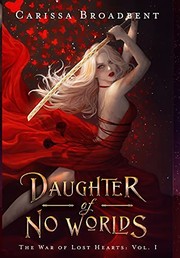
Daughter of No Worlds
A former slave with rare magic hires exiled warrior Max to train her for a daring rescue, sparking slow burn love and wider war in this big 520-page fantasy…
2,529-word summary · 11 min read

Belladonna
Poison-immune orphan Signa Farrow hunts a gothic killer at Thorn Grove with Death as ally and suitor, while cousin Blythe fades and her ghost mother asks for…
2,868-word summary · 13 min read
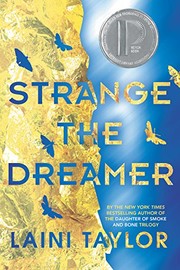
Strange the Dreamer
Orphan librarian Lazlo Strange joins a quest to the lost city of Weep, where blue-skinned godspawn haunt dreams.
2,221-word summary · 10 min read
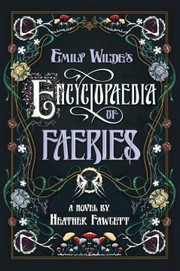
Emily Wilde's Encyclopaedia of Faeries
Grumpy scholar Emily studies Hidden Ones in snowy Hrafnsvik with rival Bambleby.
2,153-word summary · 10 min read
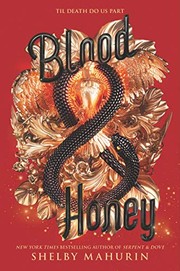
Blood & Honey
Married witch Lou and hunter Reid flee church and coven while dark magic tempts Lou to save them.
2,280-word summary · 10 min read
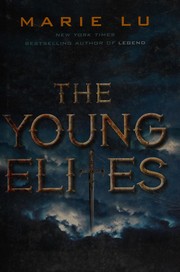
The Young Elites
Adelina survives fever and execution to join a secret group of gifted malfettos plotting against the queen of Kenettra.
3,310-word summary · 15 min read
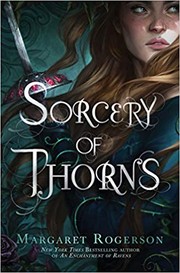
Sorcery of Thorns
An apprentice librarian framed for sabotage joins a sorcerer and his demon servant to stop attacks on the Great Libraries.
2,926-word summary · 13 min read
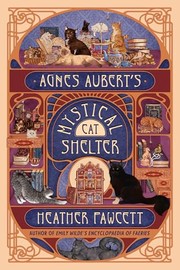
Agnes Aubert's Mystical Cat Shelter
A 1920s Montreal cat rescuer rents above a disgraced dark magician and must team up with him when a glamorous rival threatens both.
2,227-word summary · 10 min read
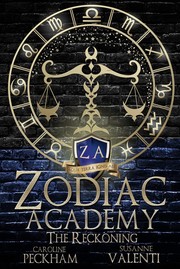
The Reckoning
Twin heirs survive trials and hazing at Zodiac Academy while the heirs start to split.
1,984-word summary · 9 min read