
Hyperbole and a Half
2,103-word summary 9 min read 384 pages in the book
- First published
- 2013
- Publisher
- Gallery Books
- Pages
- 384
- ISBN
- 9781451666175
Reading options
What's inside (7 sections)
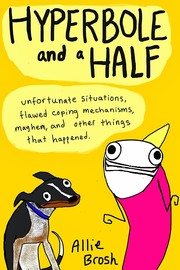
I bought this for the dog pictures and stayed for the most honest pages on depression I have read in comics. Hyperbole and a Half by Allie Brosh was first published on October 29, 2013 by Gallery Books, a 384 page illustrated paperback with ISBN 9781451666175. Brosh drew a cult blog with crude Paintbrush figures, a pink dress, a massive triangle ponytail, and dogs that look like lopsided seals. I read it on a couch in one afternoon, laughing loud, then quiet in the two chapters everyone warns you about.
The book mixes old blog favorites and new long pieces. Childhood stories. Dogs. Cake. Moving. Adulthood failures. Then two chapters on depression that shift tone without breaking voice. Simple drawings carry complex feelings because Brosh refuses to pretty them up. Motivation as a dead fish. Grief as a neighbor who will not leave. It works precisely because the art stays silly while the words go serious.
Dogs, cake, and childhood logic
Early chapters are pure comedy of kid brain. Brosh as a child is feral, literal, and unstoppable. She eats an entire cake meant for a party and tries to hide it by smearing frosting like nothing happened. She gets lost in woods and decides the solution is to run faster in the wrong direction. Her mother finds her with the calm of someone who has seen this before and will see it again.
The dogs steal every scene. Helper dog, a big black lab mix who is earnest and dim, who gets stuck behind furniture and panics at his own farts. Simple dog, the younger one, who is nervous and sweet and afraid of everything including leaves. Brosh loves them without sentimental filter. She shows the chaos of living with animals who do not understand rules. Chewed couches. Stolen food. Walks that become chases. Dog people will see their own pets and laugh in recognition.
My favorite early piece is the Move story. Brosh must move apartments and decides to do it all herself in one day with no plan. She carries a bookshelf down stairs alone, gets pinned, and yells for help to no one. The drawings of her tiny arms versus furniture physics are perfect. Anyone who has moved in their twenties will feel the shame and pride. We all thought we could do it alone. We all called someone crying by noon.
The humor style is specific. Long setups. Caps for emphasis. Digression into what she thought at age seven versus what was true. Pictures that undercut narration. She says she was graceful. The drawing shows her face down in mud. That gap does the work. No punchlines needed. Recognition is the joke.
A small note. If you dislike internet voice, all caps and run ons, the first thirty pages may grate. Stick through dogs. The voice settles as stories lengthen. By cake part two, you will hear it as speech, not text.
More messes I kept thinking about
A few pieces deserve their own praise because they show Brosh range beyond dogs and depression. The goose story, where adult Brosh is chased by geese and responds with disproportionate military planning, is slapstick with a point. Fear does not need to be rational to run your day. She maps escape routes, arms herself with a rake, and still screams. I laughed because I have done the same with spiders, preparing like a general for an enemy the size of a grape.
The identity theft story is quieter and sharper. Someone steals her details, and Brosh must prove she is herself to bored phone reps. She draws herself shrinking in a chair while hold music plays. Anyone who has fought a bank or a clinic will feel the specific helplessness. Systems ask you to be calm while treating you as a case number. Brosh turns that afternoon into a parable about adulthood paperwork. Keep copies. Write names down. Cry after you hang up, not during.
The birthday party story from childhood also stuck with me. Young Allie wants to be good at parties and instead eats all the cake, lies badly, and learns that adults know but let you save face sometimes. Her mother cleans up without a lecture that day, which teaches more than scolding would. That parental patience runs through the book. Brosh parents rarely yell. They watch, sigh, and hand her paper towels. As a parent now, I took notes. Sometimes cleanup teaches better than shame.
There is also a short piece about trying to be a good girlfriend who remembers anniversaries and fails. She sets five alarms, writes notes on hands, and still forgets. Her boyfriend laughs because he knows her love looks like showing up with snacks, not cards. That reframe helped me. Care has many shapes. If your shape is snacks and dog walks rather than flowers, that still counts.
What links these messes is Brosh refusal to pose as reformed. She does not end each story with I learned to be tidy or brave. She ends with I am still like this, but I cope a little better. The cake in the fridge still grows. The geese still rule the park. Progress is bringing gloves next time, not conquering fear. That modesty makes the book trustworthy. She is not selling a system. She is sharing notes from the floor.
I also appreciated how she writes about money without preaching. Moving alone to save cash. Eating weird combos to avoid shopping. Taking freelance work that pays late. Young adult precarity is background, not plot, which feels true. No villain landlord speech. Just math that does not work and friends who help carry shelves for pizza. If you lived that decade, you will see your own apartment in her drawings.
How the art does the work
It is worth pausing on craft, because crude is a choice here, not a limit. Brosh draws in Microsoft Paint with a wobbly line, flat colors, and copy paste rooms. Faces are simple until feeling spikes, then she adds shaking lines, huge tears, or a mouth that takes half the face. That contrast controls pace. A small figure in a big white room reads as lonely instantly. A close up of dog eyes reads as guilt without a caption.
Timing is everything. She holds a beat with three identical panels, then changes one eyebrow. She speeds with stacked small frames of running, then stops on a wide shot of a mess. Comics teachers could use the cake sequence to show cause and effect. Each bite gets a panel. Each lie gets a wider eye. By the time mother enters, you already feel stomach ache.
The pink dress avatar matters too. Same dress in every story signals same self across ages. Child Allie and adult Allie wear it, which collapses time. You see the kid inside the adult when she panics about mail. You see the adult inside the kid when she tries to hide cake with confidence. That visual rhyme says what words do not. We do not outgrow our wiring. We learn to dress it a little better.
Blog to book changes help as well. Old posts are tightened, with better pacing and fixed typos that fans will notice. New pieces are longer and sadder, allowed by print where scrolling comments cannot interrupt. Reading on paper, without links and ads, lets depression chapters breathe. I recommend print over screen for this one, even though the blog is free. The weight of pages suits the weight of those middle chapters.
A last craft note. Brosh lettering, all caps with sudden size shifts, sounds like speech in my head. WHOA. NO. OKAY. It is not elegant, but it is precise about panic. When she whispers, text shrinks. When dogs bark, text fills the frame. You hear the house. That sound design keeps 384 pages moving fast despite simple pictures.
The depression chapters
Then the book turns. Brosh writes two long pieces, Depression Part One and Part Two, that many readers call the reason to own the book. Part One describes numbness from inside. Not sadness, but absence. Food tastes like cardboard. Jokes do not land. Friends try to help with advice that assumes a working reward system. Just exercise. Just think positive. She draws herself on a floor, unable to move toward things she knows should help.
What makes it land is refusal to moralize. She does not say she was brave or that pain taught her. She says depression stole her ability to care, which scared her more than sadness. She kept the blog going because structure helped, not because she had wisdom. The drawings of her with dead eyes and a flat mouth hit harder than any paragraph about neurochemistry.
Part Two covers going on medication, feeling worse before better, and the weird guilt of not being grateful enough when numbness lifts a little. She describes trying to feel better as dragging a dead fish on a leash. You know walks help. You know the fish will not walk. You drag it anyway while strangers judge your fish. It is the best metaphor for anhedonia I have seen, funny and bleak at once.
She also writes about other people with care. Her boyfriend who sits with her without fixing. Her mother who sends food. Her own fear that she is a burden. No heroes. Just patient presence. If you love someone depressed, these chapters teach more than pamphlets. Show up. Do not demand progress on schedule. Bring soup. Leave the door open.
I cried reading Part Two on a sunny day, which embarrassed me in a good way. Brosh gives language without slogans. If you are in it now, the chapters will feel seen. If you are out, they will remind you how thin the floor can get. Either way, take them slow. They are longer and denser than dog stories for a reason.
A content note. These chapters discuss suicidal thoughts and self harm ideation plainly but not graphically. Brosh is honest about intrusive thoughts and about deciding to stay. Readers in crisis should read with support and skip to help resources at the end if needed. The book does not replace care, but it can reduce shame enough to seek it.
Adulthood as continued mess
After the heavy center, Brosh returns to comedy, but it lands differently. Stories about identity theft, grammar pedantry, and fear of geese feel like someone practicing joy again. The drawings get a little looser. The captions admit tiredness. Laughs come with relief.
One strong late piece is about her inability to be a proper adult who cleans. She describes a moldy piece of cake in the fridge that becomes a roommate. She negotiates with it. She names it. She finally throws it away and feels like a champion for one hour. Anyone with executive dysfunction will recognize the cycle. Small tasks become quests. Victory lasts until the next dish.
Another is about dogs aging. Helper dog slows. Vet visits increase. Brosh faces the fact that love for animals includes watching them fade. She writes about it without resolving it, which fits the book. Some messes do not clean up. You feed, walk, and stay.
The art throughout stays intentionally crude. Wobbly lines. Copy paste backgrounds. Faces that are dots and slashes until emotion needs more, then suddenly detailed hands or eyes. That choice keeps focus on timing. A pause frame. A zoom on a dog guilty face. Comics students could study how little she needs to land a beat. Three panels and a stare does it.
If there is a flaw, it is unevenness by design. Blog collections always feel patchy. New long pieces tower over short old ones. Readers who came for dogs may resent depression chapters for changing mood. I think the mix is the point. A life has cake theft and numb months. Brosh refuses to split them into separate books.
What stays with me is her ethics of storytelling. Exaggerate for clarity, not to impress. Admit when you were the problem. The cake was your fault. The move was your fault. Depression was not your fault, but staying silent helped no one. That honesty, drawn in pink and black, feels braver than most memoirs with glossy photos.
Read it in order, not sampled. Let silly build trust before heavy asks for it. Keep tissues near dogs chapters too, because joy can sting when you are tired. And after, check on your helper dogs, human or canine. Feed them. Walk them. Thank them for staying while you learned to move again.
FAQ
When was Hyperbole and a Half published?
Gallery Books published it on October 29, 2013. It runs 384 pages and the ISBN is 9781451666175.
Is it a series?
No. It collects blog favorites plus new long pieces, including two on depression. It stands alone.
Similar books
Travels with Charley
Steinbeck drives across America with his poodle Charley, looking for the country he remembers and finding a place that has changed.
2,039-word summary · 9 min read
Reasons to Stay Alive
Matt Haig's memoir of the breakdown that nearly killed him at twenty four and the three years of unglamorous recovery that followed.
2,065-word summary · 9 min read
Born Standing Up: A Comic's Life
Steve Martin's memoir of how a shy Disneyland magician's assistant built a strange avant-garde act, and why he walked away from stand-up at his peak.
2,034-word summary · 9 min read
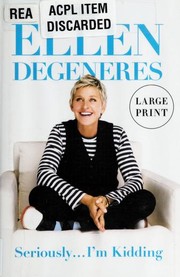
Seriously...I'm Kidding
DeGeneres strings show stories and home jokes into light life advice.
2,292-word summary · 10 min read
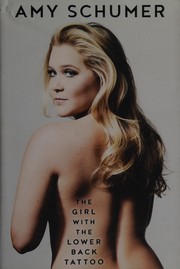
The Girl with the Lower Back Tattoo
Amy Schumer mixes raunchy jokes with frank essays on family, dating, body image, and the shooting that pushed her into gun control advocacy.
2,259-word summary · 10 min read
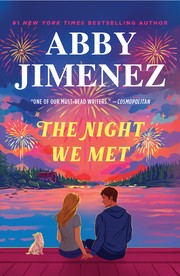
The Night We Met
She picked the wrong ride home; now her best friend might be the right man.
1,981-word summary · 9 min read
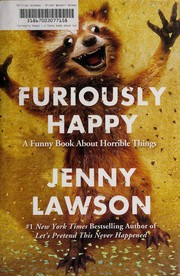
Furiously Happy: A Funny Book About Horrible Things
Jenny Lawson mixes blunt talk about depression with wild stunts and taxidermy to argue for grabbing joy on purpose.
2,963-word summary · 13 min read
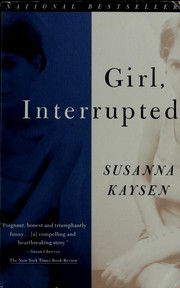
Girl, Interrupted
In 1967, 18-year-old Susanna enters McLean Hospital for two years on a ward, probing sane versus insane.
2,396-word summary · 11 min read

The Woman in Me
Britney Spears tells her own story from teen stardom to a thirteen year conservatorship, and how she fought to reclaim her voice and freedom.
2,505-word summary · 11 min read
Marley & Me
A young couple learns marriage, parenthood, and goodbye through thirteen years with Marley, their wild and loving Labrador.
2,167-word summary · 10 min read
Yes Please
Amy Poehler moves from Boston childhood through UCB and SNL to Parks and Recreation in this 2014 memoir. Funny essays on work, motherhood, divorce, and saying…
2,668-word summary · 12 min read
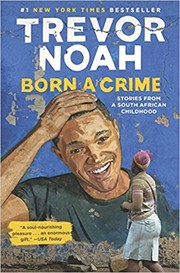
Born a Crime
Noah's memoir of growing up mixed-race under apartheid, raised by a fearless mother in Soweto.
1,980-word summary · 9 min read

Bossypants
Tina Fey moves from Pennsylvania childhood through improv and SNL to 30 Rock in this funny 2011 memoir. Expect backstage stories, jokes about work and…
2,301-word summary · 10 min read

Long Walk to Freedom
Mandela's account of a Thembu childhood, a law practice, a banned movement, twenty-seven years in prison, and the negotiation that ended apartheid.
2,454-word summary · 11 min read
Brown Girl Dreaming
Jacqueline Woodson retells her childhood in verse, moving from Ohio to South Carolina to Brooklyn while the civil rights movement reshapes the world around her.
2,727-word summary · 12 min read
Alone With You in the Ether
Two people in Chicago agree to six conversations, and the experiment becomes a love affair that is also a study of bipolar disorder, obsession, and the shape…
2,713-word summary · 12 min read
A Long Way Down
Four strangers meet on a London rooftop on New Year's Eve, each planning to jump, and end up making a pact to stay alive until Valentine's Day.
2,145-word summary · 10 min read
What Happened to You?
Oprah Winfrey and psychiatrist Bruce Perry explain how early experience shapes the brain, and why asking what happened to someone works better than asking what…
2,238-word summary · 10 min read
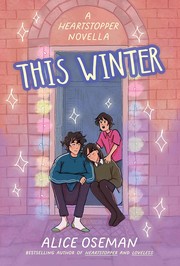
This Winter
On one difficult Christmas Day, Tori, Charlie, and Oliver Spring try to hold their family together while Charlie's eating disorder makes every tradition a test.
2,034-word summary · 9 min read
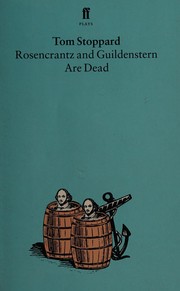
Rosencrantz and Guildenstern Are Dead
Stoppard's 1966 play retells Hamlet from the wings, where two minor courtiers wait, joke, and walk toward a death they cannot see.
2,021-word summary · 9 min read

In Order to Live: A North Korean Girl's Journey to Freedom
A young North Korean girl crosses the Yalu, survives trafficking in China, and rebuilds her life in Seoul in this unsparing memoir.
2,027-word summary · 9 min read
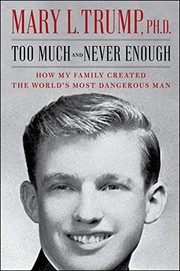
Too Much and Never Enough: How My Family Created the World's Most Dangerous Man
Mary L. Trump's 2020 memoir traces how a cold, zero-sum Queens household shaped her uncle, and uses family tax documents to challenge his self-made story.
2,059-word summary · 9 min read
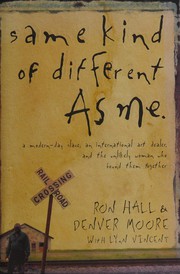
Same Kind of Different as Me
An art dealer and a formerly homeless sharecropper tell the story of the friendship that began at a Fort Worth mission and the woman who insisted on it.
2,023-word summary · 9 min read
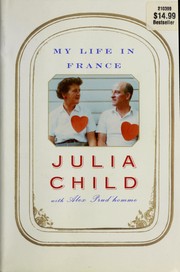
My Life in France
Julia Child's memoir of learning to cook in Paris, testing recipes for nine years, and becoming the teacher who changed how America thought about French food.
2,038-word summary · 9 min read

Infidel
Ayaan Hirsi Ali's memoir of a Somali childhood, a forced marriage, a Dutch asylum claim, and the political fight that followed the murder of Theo van Gogh.
2,041-word summary · 9 min read

Witches Abroad
Three Lancre witches fly to Genua to stop a fairy godmother from forcing a servant girl into a storybook marriage, and find a city arranged around a happy…
2,651-word summary · 12 min read
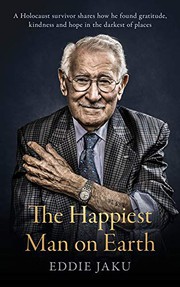
The Happiest Man on Earth
Eddie Jaku's memoir follows a Leipzig childhood, Buchenwald, Auschwitz, a death march, and the slow rebuilding of a life in Australia.
2,597-word summary · 12 min read
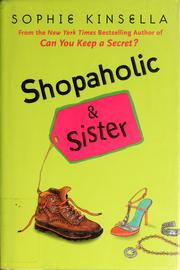
Shopaholic and Sister
Becky Brandon returns from a ten-month honeymoon to meet the half-sister she always wanted, then discovers that Jess is thrifty, prickly, and nothing like the…
2,591-word summary · 12 min read
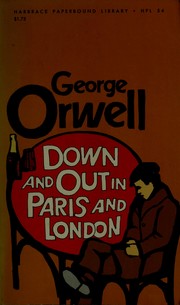
Down and Out in Paris and London
Orwell's account of washing dishes in Paris hotels and tramping through London does not ask for pity, only for a clear look at how poverty actually works.
2,282-word summary · 10 min read
Clifford the Big Red Dog
Emily Elizabeth picks the smallest puppy in the litter, loves him as hard as she can, and wakes up to a dog the size of a house.
2,092-word summary · 9 min read