
Reading options
What's inside (8 sections)
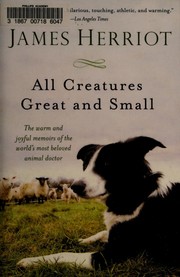
I picked up All Creatures Great and Small after a friend who grew up on a farm told me it was the only book that got lambing season right. James Herriot published it in 1972 with St. Martin's Press. My reading follows the 448 page edition. It follows a young vet from Glasgow learning mixed practice in 1930s Yorkshire, under an erratic boss, alongside farm folk who pay late and remember everything. It is warm, funny, episodic, and frank about muck and failure.
Herriot, real name James Alfred Wight, calls himself James Herriot on the page and arrives in Darrowby with a new diploma, a battered suitcase, and confidence that lasts about a day. The dales are beautiful in the way that hides how cold they are. Stone walls. Mist that sits in the valley till noon. A surgery with old instruments and older habits. Farmers who watch a new man the way they watch a new bull, waiting to see if he will be useful or dangerous. He is both, by turns.
His first jobs go wrong in useful ways. He misjudges doses. He gets kicked, soaked, sworn at, and sent home with tea he did not earn. What saves him is not brilliance. It is willingness to listen, to get out of bed at 2 a.m., to admit when a calving is beyond him and send for help. The farmers, slow to praise, notice who turns up in rain. That is the book's moral engine. Show up. Keep your hands warm if you can. Learn.
A Glasgow lad in Darrowby
Darrowby is the fictional name for Thirsk, the market town where Wight really worked. Herriot rents rooms, learns bus times, learns which pubs serve farmers and which serve travelers, learns that a Yorkshireman saying “aye, could be” means no. His Glasgow training taught anatomy and theory. It did not teach how to talk a farmer into letting you wash your hands before you put your arm inside his cow.
I liked how openly Herriot admits fear. His first solo calving has him sweating through his shirt in a freezing byre, feeling for legs in the dark, trying to remember diagrams while the cow groans and the farmer's sons watch. He gets the calf out, barely, and stands there shaking with relief while the farmer says something short that means well done. Those small approvals matter more than any exam pass.
The practice itself is Skeldale House, tall and drafty, smelling of disinfectant and dog. Siegfried Farnon owns it. Mrs Hall keeps it alive with cooking and common sense. The phone rings at all hours. Herriot learns to sleep in his clothes, to eat fast, to carry twine and soap and a spare shirt. He learns that country practice is part medicine, part driving, part diplomacy. You treat the animal, but you must also handle the owner who thinks vets charge too much and feed too little.
Money is tight for everyone. It is the 1930s. Farmers pay when they can, which is often months later. Herriot bills carefully and feels awkward chasing debts from men who just lost a heifer. Siegfried waves money worries away until they cannot be waved away, then panics. That push and pull feels true to small business life. Pride on both sides. Work done on trust.
Siegfried, Tristan, and Mrs Hall
Siegfried Farnon is the kind of boss you would quit and then miss terribly. Brilliant with animals, hopeless with routine, generous one hour and thundering the next. He forgets appointments, loses instruments, shouts at Tristan, then buys everyone drinks. Herriot never quite knows which Siegfried will walk through the door. What holds the partnership together is respect for skill. When Siegfried works, he works fast and clean. He can calm a dangerous horse with voice alone. He can diagnose by smell and glance where Herriot still needs tests.
Tristan, Siegfried's younger brother, is supposed to be studying to qualify as a vet. Supposed to be is doing heavy work in that sentence. He is charming, lazy, funny, always revising for exams he keeps failing, always ready with a story that gets him out of a night call. Herriot is annoyed by him and fond of him in the same paragraph. Tristan knows pubs, girls, shortcuts, and how to make Mrs Hall laugh when the house is tense.
Mrs Hall deserves a longer mention than she usually gets. Housekeeper, cook, manager, referee. She feeds young men who forget to eat, tells Siegfried when he is being a fool, mothers Herriot when he is homesick, and keeps Skeldale House from sliding into chaos. Her kitchen is the warm center of the book. Trays of tea after midnight returns. Puddings that make grown men hurry home. Advice given short and plain. Without her, the practice would have collapsed into dirty bottles and lost bills.
The three men bicker like brothers. Siegfried lectures Tristan about study. Tristan hides behind Herriot. Herriot tries to stay neutral and fails. Then a bad case arrives and they function as a team without talk. One holds, one injects, one soothes the owner. That rhythm, fight then work, gives the middle of the book its domestic comedy. You live with them. You learn their footsteps on the stairs.
Calvings, horses, and midnight calls
The farm work is the heart of it, and Herriot writes it with hands-on detail that still reads fresh. Calvings in dark byres with only a lantern. A cow down with milk fever, legs folded, breath shallow, needing calcium into the vein while the farmer holds the lamp and prays without moving his lips. Horses with colic, huge and sweating, dangerous to handle, needing a decision about whether to walk them or let them lie. Ewes lambing on the fells in sleet, Herriot kneeling in mud with sleeves rolled, finding a tangled twin and easing it free while the ewe pants against his arm.
He is honest about pain and death. Not every animal lives. A valuable bull dies despite everything. A farmer weeps without shame and then asks about the bill in the same breath because life goes on. Herriot carries those losses home and replays them. Did he act too late. Did he use the wrong drug. Siegfried tells him bluntly that vets bury mistakes and learn, which sounds harsh until you see it is kindness. Perfection would break you. Care keeps you going.
Driving makes up half the job. Long runs over moor roads, headlights picking out walls and sheep, Herriot half asleep and then wide awake when he reaches the farm. Farmers meet him with lanterns. Sons in boots. Wives who put the kettle on without asking. He describes those kitchens with love. Flag floors. Dogs under the table. Clocks ticking loud. Tea strong enough to stand in. Payment in eggs or potatoes when cash is short, accepted without fuss.
What I appreciated is how much he learns from farmers rather than the other way around. Old men show him how to turn a calf, how to rope a leg without hurting, how to read a cow's eye. He arrives with college words and leaves those words in the car. Plain speech works better. “She'll do” means more than a lecture. That humility, earned in manure and rain, is why country readers trusted him. He did not pose as expert. He became useful.
Tricki Woo and the Nugent pig
Between the hard farm calls come the small animal stories that made Herriot famous, and none more than Tricki Woo. Mrs Pumphrey is a rich widow in a big house who treats her Pekingese like a frail prince. Cream cakes. Ringside seats by the fire. Meals served on time with more care than most humans get. Tricki Woo grows round as a barrel, suffers vomiting and listlessness, and Herriot is called in to save the darling.
Herriot's solution is beautifully simple and hard to sell. No cakes. Plain food. Long walks. Time with other dogs. Mrs Pumphrey agrees with tears, phones daily for news, sends hampers the staff eat, and visits with new coats for a dog who needs less coat and more road. At the surgery Tricki Woo transforms. He plays with the terriers. He fights for scraps. He sleeps hard after running. When he goes home sleek and lively, Mrs Pumphrey credits Herriot with a miracle and goes right back to spoiling, which sets up the next crisis. The cycle repeats because love without limits does that.
I laughed out loud at the stationery detail. Tricki Woo has his own paper for thank you notes. Mrs Pumphrey writes in his voice about Uncle Herriot and ringside comforts. Herriot reads these with a straight face while Tristan howls. It would be easy to mock her, but Herriot does not. He sees loneliness under the fuss. A widow with money and no one to feed finds purpose in feeding. He respects that while trimming the diet.
The Nugent pig gives a different kind of comedy, earthier and tenser. Mr Nugent is a smallholder whose pig means bacon and rent money, not pet love. When the pig sickens, Nugent hovers, anxious and blunt, convinced the vet will charge a fortune and fail anyway. Herriot must diagnose in a cramped sty with poor light, a squealing patient, and an owner narrating disaster. The cure involves basic medicine, better feeding, and firm talk about clean bedding. Nugent argues about every shilling and then glows when the pig eats. That shift from suspicion to pride shows Herriot's tact. Treat the pig. Spare the man's dignity.
Other cases fill the gaps. Dogs with thorns in paws. Cats who vanish and return. A cow that eats something absurd. Each story runs short, ends clean, leaves one image. A farmer's hand on a calf's head. A dog leaning into a bandage. Herriot understood that readers remember touch more than technique.
Helen and a home taking shape
Helen Alderson enters as more than a romance interest, though romance is surely part of it. Daughter of a farmer, practical and pretty without vanity, she meets Herriot on calls and at socials where Darrowby youth dance and eye each other. He is shy with her in a way he never is with cows. He fumbles invitations. He borrows Tristan's advice, which is a mistake. He turns up late because a foaling ran long, boots muddy, apology ready.
Their courtship moves at the pace of the place. Walks after Sunday lunch. A trip to the pictures. Conversations about whether she could stand a vet's hours. Herriot likes that she knows farm life and will not romanticize it. She knows what a night call costs. She has seen her father lose stock and keep going. That shared base matters more than flowers.
There are rival worries and missed chances. Helen is popular. Herriot is poor and overworked. He assumes she will choose someone steadier. She assumes he loves the practice more than people. Both are partly right, which is why their talks feel grown up for such a gentle book. He does not promise shorter hours he cannot give. She does not pretend worry will vanish. They agree to try, which is braver than vows.
Marriage, when it comes near the book's close, does not fix everything. Lodgings are small. Money is still tight. Siegfried still shouts. But Herriot has someone to come home to who understands why he smells of carbolic and why he cannot stay for supper. That domestic anchor steadies the episodic drift. The lad who arrived alone has made a home, not just a living.
I liked that Helen has work and opinions. She is not a prize. She argues, teases, calls Herriot out when he is pompous. The book could have given her more page time, and modern readers may wish it had. Still, for its era, she reads as partner rather than decoration, someone who chooses with eyes open.
What charms and what creaks
What charms is tone. Herriot writes like a man grateful for his life, even the frozen parts. He loves dogs without sentimentality, respects farmers without flattery, laughs at himself first. His sentences are plain and musical, full of weather and smells. Cold air off the moors. Iodine. Hay. Wet wool. Tea. You finish a chapter feeling you have been out and come in again.
The episodic shape charms and limits. Each chapter stands alone, which suits bedtime reading and makes the book easy to dip into. It also means little builds across 448 pages beyond Herriot growing competent and marrying. Readers who want a driving question may drift in the middle. I found the cases varied enough to carry it, but I admit I skimmed one or two horse calls that blurred together.
Fair criticism must name dated gender roles. Women are mostly wives, housekeepers, or rich doting owners. Mrs Hall cooks and soothes. Helen waits while men work. Mrs Pumphrey fusses. Men do the skilled labor and make decisions. Herriot himself is kind, but the world he shows assumes separate spheres. It reflects 1930s Yorkshire truly enough, yet it can grate now. Read with that lens on.
Some vet detail is dated too. Drugs have changed. Welfare standards have changed. A few handling methods described casually would raise eyebrows in a modern clinic. That is history, not advice. Do not dose from these pages.
Give All Creatures Great and Small to animal lovers who want comfort without lies, to memoir readers who like work stories, to anyone curious about Yorkshire before tourism smoothed it. It suits slow evenings, one chapter at a time, dog at feet. At 448 pages I read it across a week, marking Tricki Woo pages for a niece. Herriot starts as a nervous graduate and ends as a trusted vet with a wife and a place. That change, earned through mud and mercy, is why the book lasts past nostalgia.
FAQ
When was All Creatures Great and Small published?
James Herriot published it in 1972 with St. Martin's Press. The modern paperback runs 448 pages and the ISBN is 9781250057839.
Is it a true story?
It reads like memoir built from his vet cases. Names were changed, with Darrowby standing in for Thirsk and Herriot himself really James Alfred Wight.
Who will enjoy it most?
You do not have to own pets, but you should like episodic stories. Readers who want a tight plot or modern views on gender may find parts slow or dated.
Similar books

Make Way for Ducklings
A pair of mallards raise eight ducklings on the Charles River and lead them across Boston to the Public Garden, with a little help from a friendly policeman.
2,044-word summary · 9 min read
The Mitten
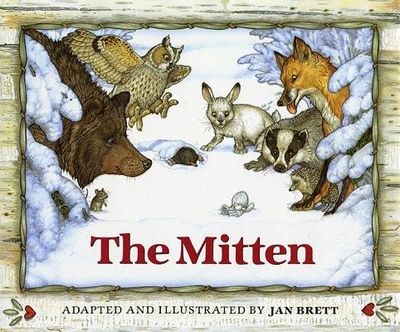
Jan Brett retells a Ukrainian folktale about a boy, a lost white mitten, and the woodland animals that crowd inside until a bear sneezes.
2,609-word summary · 12 min read

Clifford the Big Red Dog
Emily Elizabeth picks the smallest puppy in the litter, loves him as hard as she can, and wakes up to a dog the size of a house.
2,092-word summary · 9 min read
The Story of Ferdinand
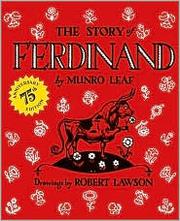
A gentle Spanish bull would rather smell flowers than fight, and when he is taken to the bullring he simply sits down among the flowers in the ladies' hats.
2,135-word summary · 9 min read
Caps for Sale
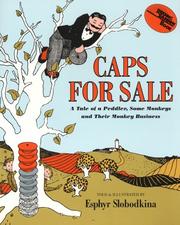
A peddler balances his caps on his head, naps under a tree, and wakes to find monkeys wearing his stock in this 1940 picture book.
2,787-word summary · 12 min read
Ham on Rye
Henry Chinaski grows up rough in Depression Los Angeles and finds writing.
2,244-word summary · 10 min read
Twelve Years a Slave
Free violinist Solomon Northup tells how Brown and Hamilton lured him south into twelve years of Louisiana bondage until Bass letters brought rescue in January…
2,931-word summary · 13 min read
The Jungle Book
Mowgli, raised by wolves in the Seeonee Hills, learns the Law from Baloo and Bagheera while Shere Khan circles. Kipling's 1894 story collection.
2,799-word summary · 12 min read
Narrative of the Life of Frederick Douglass
Douglass names names from Maryland slavery to his 1838 escape, showing how literacy, wages, and faith were policed, then answers with defiance.
2,630-word summary · 12 min read
The Twits
Mr. and Mrs. Twit trade vile pranks and torment caged monkeys until the birds and monkeys flip the house on them.
2,864-word summary · 13 min read
The Story of My Life
Deafblind Keller learns water at pump through Sullivan finger spelling.
2,149-word summary · 10 min read
Fantastic Mr. Fox
Mr. Fox raids three cruel farmers to feed his family, then outdigs tractors and a siege to host a feast underground.
2,910-word summary · 13 min read
Curious George
Curious George retold: a monkey sails from Africa to the city, phones the fire station, floats off on balloons, and finds home.
2,979-word summary · 13 min read
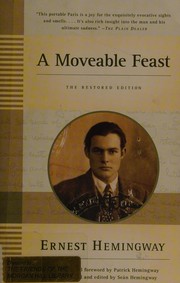
A Moveable Feast: The Restored Edition
Young Hemingway writes hungry in Paris cafes among Stein, Pound and Fitzgerald.
2,116-word summary · 9 min read
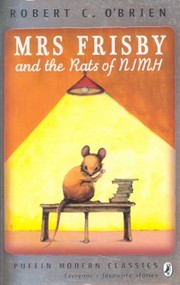
Mrs. Frisby and the Rats of NIMH
A widowed mouse races the spring plow to save her sick son Timothy, and finds help from the intelligent rats of NIMH hiding under the rosebush.
3,159-word summary · 14 min read
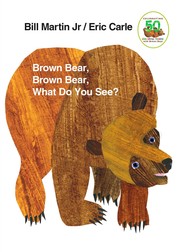
Brown Bear, Brown Bear, What Do You See?
A rhythmic animal parade teaches colors and names, from brown bear to schoolchildren.
3,226-word summary · 14 min read
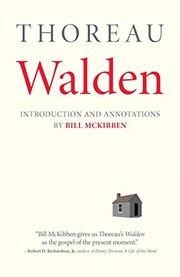
Walden
Thoreau builds a cabin at Walden Pond and spends two years testing what a person really needs to live well.
2,986-word summary · 13 min read
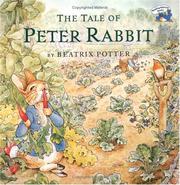
The Tale of Peter Rabbit
Peter Rabbit disobeys his mother, squeezes under the gate into Mr. McGregor garden, and ends in a chase back home to chamomile tea.
2,157-word summary · 10 min read
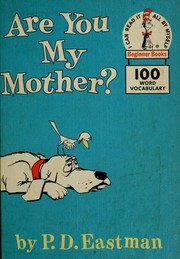
Are You My Mother?
A newborn bird falls from the nest and asks a kitten, a hen, a dog, a cow, a plane and a giant Snort if any will be his mother.
2,351-word summary · 10 min read
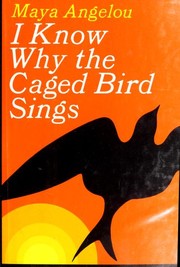
I Know Why the Caged Bird Sings
Angelou recalls Stamps, St Louis and San Francisco, from childhood silence after trauma to voice through books and work.
2,607-word summary · 12 min read
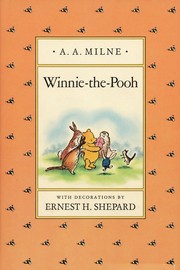
Winnie-the-Pooh
Edward Bear comes downstairs bump-bump-bump and into the Hundred Acre Wood for honey, hunneys, and heffalumps.
2,068-word summary · 9 min read
The House at Pooh Corner
Tigger bounces into the Hundred Acre Wood while Pooh builds Eeyore a house and Piglet does a grand thing.
2,022-word summary · 9 min read
Charlotte's Web
E. B. White's Charlotte's Web retold: Wilbur the pig, Charlotte the spider, and the words that save him.
2,059-word summary · 9 min read
The Zookeeper's Wife: A War Story
The directors of the Warsaw Zoo hid roughly three hundred Jews in empty cages and outbuildings after the German invasion, while Jan worked for the resistance.
2,065-word summary · 9 min read

The Long Winter
Dakota Territory, 1880: seven months of blizzards cut a town off from the railroad, and a family survives on twisted hay, ground wheat, and a dangerous wheat…
2,210-word summary · 10 min read

The Crying of Lot 49
A California woman named executor of her ex-lover's estate follows a muted post horn into a possible centuries-old postal conspiracy, and Pynchon refuses to…
2,003-word summary · 9 min read
Silas Marner
A falsely accused weaver hoards gold in Raveloe until a stolen hoard and an abandoned child remake his narrow life.
2,699-word summary · 12 min read
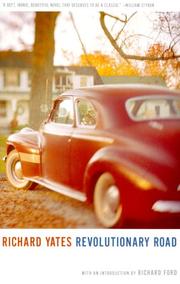
Revolutionary Road
A Connecticut couple who believe they are too good for the suburbs plan to move to Paris, and the plan slowly exposes everything they cannot say to each other.
2,085-word summary · 9 min read

Long Walk to Freedom
Mandela's account of a Thembu childhood, a law practice, a banned movement, twenty-seven years in prison, and the negotiation that ended apartheid.
2,454-word summary · 11 min read
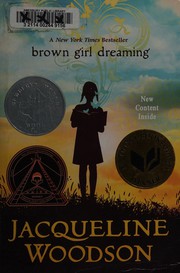
Brown Girl Dreaming
Jacqueline Woodson retells her childhood in verse, moving from Ohio to South Carolina to Brooklyn while the civil rights movement reshapes the world around her.
2,727-word summary · 12 min read