
Charlotte's Web
2,059-word summary 9 min read 192 pages in the book
- First published
- 1952
- Publisher
- Harper & Brothers
- Pages
- 192
- ISBN
- 9780061124952
Reading options
What's inside (7 sections)
I came back to Charlotte's Web because I wanted a short book that still felt full. I had read it as a kid and remembered the web words and the fair. I did not remember how much of the book sits in the barn watching small things happen. The book was published in 1952 by Harper and Brothers, and it runs 192 pages in the illustrated edition. E. B. White wrote it in plain sentences with Garth Williams drawings in the margins. It reads fast but it stays with you in an odd way.
The farm at the start feels real and a little cold. Fern Arable is eight and she hears her father plan to kill a runt pig. She stops him by asking if he would have killed her if she had been small at birth. That line lands. Mr Arable gives in and lets her feed the pig from a bottle. She names him Wilbur. She treats him like a baby, pushes him in a doll carriage, takes him to the woods. Her mother worries she spends too much time alone with animals. Her father says Fern is just growing.
Wilbur grows fast. Soon he drinks three quarts of milk a day and outgrows the house box. Fern's father sells him for six dollars to her uncle Homer Zuckerman, who lives down the road. Fern can still visit. The move matters because Wilbur leaves a girl who talks to him for a barn full of animals who mostly ignore him. White does not rush this. He lets Wilbur feel the loss on the first night.
Wilbur in the Barn
Zuckerman's barn is the center of the book. Upstairs is hay. Downstairs are stalls for a horse, cows, sheep, geese, and Wilbur's pen in the manure pile corner. Wilbur tries to make friends. The goose tells him to mind his own business in a bossy way. The sheep say he will be killed at Christmas. That news hits Wilbur hard. He cries. He runs around. He says he does not want to die.
The animals here each have a clear voice. The horse is calm. The cows chew and repeat gossip. The sheep are blunt. Templeton the rat lives under the trough and only helps if food is promised. He comes out at night, steals eggs and grain, and speaks in a sour grumble. The goose keeps laying eggs and announcing them. White gives them short lines that sound like neighbors, not cartoons.
Fern still comes, but less. She sits on a stool and watches. Avery, her brother, swings a rope and hunts for eggs and gets in trouble. The adults talk about the farm while the kids watch the animals. I liked how White keeps both levels going. The kids hear the animals. The adults do not. The reader sits between them.
Wilbur's low point comes when he tries to spin a web himself and fails. He gets tangled. He looks foolish. Charlotte, the gray spider in the corner above his pen, laughs kindly and speaks to him. She is small and calm. She tells him she will save him. She does not explain how yet. Wilbur believes her because he has no one else.
Charlotte and the Words
Charlotte A. Cavatica is the best part of the book. She hangs in her web through heat and flies. She eats bugs. She watches. She talks in a dry, motherly way. She calls Wilbur dear and tells him to sleep. When Wilbur panics, she tells him to be still and let her think. Her plan is simple. People prize a pig who seems special. She will make Wilbur seem special by writing about him where everyone can see.
The first word is Some Pig. Charlotte works at night, tearing and rebuilding threads to shape letters. In the morning the Zuckermans find the words in the web. Lurvy the farmhand runs for help. Neighbors come. The minister says it is a miracle. The local paper writes it up. Wilbur did nothing except stand there, but now people bring him extra food and admire him. Mrs Zuckerman washes him with buttermilk to keep him clean for visitors.
The second word is Terrific. Charlotte picks it because she hears the goose use it and likes the sound. Again she writes at night while Templeton hunts for words in feed bags and old magazines. The goose eggs hatch around the same time, which gives the barn something cheerful to watch while Charlotte grows thinner. Visitors keep coming. The Zuckermans start to think Wilbur might live past Christmas.
The third word is Radiant. By now Charlotte is tired. She eats less. She tells Wilbur she has to hurry. Templeton finds the word on a soap wrapper in the dump. Charlotte sews it up. A reporter takes photos. The county fair invites Wilbur to compete. Mr Zuckerman agrees to take him. This stretch shows White's trick. Nothing violent happens. The thrill is just whether a spider can keep writing before her strength runs out.
What I love here is how White treats writing as work. Charlotte gets cramps. She misses threads. She has to rip out a bad R and start over. Wilbur offers to help and cannot. He brings her flies tied with string. He asks dumb questions. She answers without snapping. Their friendship feels uneven in a true way. One friend does all the saving. The other friend mainly watches and thanks her.
The Fair
The fair chapters shift the light. The barn noise drops away. Now there is heat, fried food, rides, and crowds. Avery rides the Ferris wheel and gets sick on the midway. Fern rides with Henry Fussy and barely looks at Wilbur. That hurts Wilbur, though White does not scold Fern for it. She is growing up. The fair is more fun than a pig pen. The book lets her drift without blaming her.
Wilbur goes in a crate with straw. Charlotte rides along on top, though she is weak and near the end of her life. Templeton comes because Wilbur promises him a full night of eating fair scraps. At the fairgrounds Wilbur meets Uncle, a huge pig who will likely win first prize. Uncle is bland and massive. Wilbur looks small next to him. Mr Zuckerman worries.
The judging comes and Uncle wins first. Wilbur gets a special medal for being a famous pig. The loudspeaker praises Charlotte's writing. People cheer. The medal is enough. Zuckerman tells Wilbur he will live as long as he wants. Wilbur weeps with relief. Charlotte tells him quietly that she is dying. She has laid an egg sac and cannot move much. She asks Wilbur to take the sac home, not to leave it in the fair dust.
The night after the prize is my favorite scene. The fair empties. Templeton gorges on trash and bites the egg sac loose for Wilbur in exchange for one last meal. Charlotte stays behind because she is too weak to travel. Wilbur says goodbye. Charlotte says she has had a full life helping him. She dies alone on the fairground while the Ferris wheel lights go dark. White writes it without push. No long speech. Just a spider who did her work and stopped.
Going Home and Paying Back
Wilbur rides home in the crate with the egg sac safe on top. Back in the barn he watches over it through winter. He keeps it warm and dry. He tells Templeton to stay away. In spring hundreds of baby spiders hatch and float off on silk threads. Most leave. Three stay. They are named Joy and Aranea and Nellie. They take Charlotte's corner and start catching flies. Wilbur talks to them and tells them about their mother.
This ending could feel neat, but White keeps it a little rough. Wilbur still misses Charlotte. The new spiders are sweet but they are not her. They ask quick questions and dart around. Wilbur answers the way Charlotte once answered him. He has learned how to be the calm one. The barn settles into a new round. Fern stops visiting because she rides horses with older kids now. Avery stops too. The adults keep farming.
The fair medal hangs over Wilbur's pen. Kids still come to see the famous pig. Wilbur likes the attention less than he thought he would. What he likes is the quiet hour when the barn is warm and the three spiders hum and Templeton mutters under the trough. He thinks about Charlotte without needing to say much. White gives him one short line about her being a true friend and a great writer, and then moves on to chores.
What Works and What Drags
The prose is the reason to stay. White writes short sentences that hold smells and sounds. Manure steam on a cold morning. The slap of a wet rope. The buzz caught in silk. He names tools and feeds without showing off. When he explains how a spider builds a web or how a pig roots, he does it in a few lines and returns to the story. Kids can follow it. Adults can admire the control.
The pace will test some readers. Long stretches pass with no plot. The goose lays eggs. The sheep graze. Templeton steals. Wilbur naps. If you want twists, this is not that book. The big turn, the writing in the web, happens early and repeats. The thrill is in the repeat, in watching Charlotte pick the next word while her body fails. Some readers will find that thin. I found it steady once I gave in to it.
The people are thin by design, and that is both a strength and a flaw. Mr Arable is kind but distant. Mrs Arable worries in one note. Zuckerman is decent but dull. Avery is loud and gets hit with a rotten egg for laughs. Only Fern feels round, and she fades. The book cares about animals more than humans. That choice keeps the barn bright and the farmhouse pale.
Templeton divides people. He is greedy and rude and he saves the day twice for food. Kids may laugh at his lines about eating. Some parents may find him too sour. I think he works because he keeps the book from going sugary. Charlotte gives without asking. Templeton gives only for pay. Wilbur needs both kinds of help to live. That feels honest about how barns and towns run.
There is also the death question. Charlotte dies. Wilbur will one day die too, though not at Christmas. White does not hide this. He says life is like that. Some readers will cry. Some kids will ask why Charlotte could not come home. The book answers in its own way. She gave what she had and trusted Wilbur with what came next. It is sad without being cruel. It does not bring her back or soften it with magic.
One more small thread stayed with me. Fern starts as the heart of the book and then steps back. At first she hears every word in the barn. She tells her mother about the animals talking and her mother takes her to the doctor, worried. The doctor says kids hear such things and will grow out of it. He is right in a plain way. By the fair Fern barely watches Wilbur. She wants the rides and Henry. White lets that change happen without blame. It made me think of summers when I stopped checking a favorite hiding place because friends called from the road. The barn keeps going without her, and that feels true.
I finished the book feeling fond of the barn and a little chastened. I had wanted more fair drama and more medals. White gives one medal and a quiet ride home. He gives three young spiders who stay and many who leave. He gives Wilbur a longer life that is mostly naps and chats and watching flies caught in silk. It is enough. The web words fade, the paint on the medal dulls, and the friendship holds in the way Wilbur tends the corner where Charlotte once hung. On my last page I sat still a minute, hearing the barn settle, glad White trusted a child reader to hold both warmth and loss at once.
FAQ
Who is Wilbur and how does he end up in Zuckerman's barn?
Wilbur is the runt pig Fern saves and raises on a bottle. When he grows too big, he moves to Homer Zuckerman's barn across the road where Charlotte lives above his pen.
What words does Charlotte write and why do they work?
She writes Some Pig, Terrific, Radiant, and Humble in her web. Crowds come to see the writing, Zuckerman enters Wilbur in the fair, and the judge spares the famous pig.
When was Charlotte's Web published and who published it?
It was published in 1952 by Harper and Brothers in a 192-page illustrated edition. The summary follows that text and keeps its facts aligned.
Similar books
More like Charlotte's Web →
Winnie-the-Pooh
Edward Bear comes downstairs bump-bump-bump and into the Hundred Acre Wood for honey, hunneys, and heffalumps.
2,068-word summary · 9 min read

The House at Pooh Corner
Tigger bounces into the Hundred Acre Wood while Pooh builds Eeyore a house and Piglet does a grand thing.
2,022-word summary · 9 min read

The Three Musketeers
Young dArtagnan joins Athos, Porthos and Aramis to recover the queens diamonds and face Milady.
2,569-word summary · 11 min read

Watership Down
Hazel leads a small band of rabbits from a doomed warren to Watership Down, where survival means facing snares, farms and General Woundwort.
2,550-word summary · 11 min read
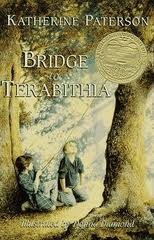
Bridge to Terabithia
Katherine Paterson's Bridge to Terabithia retold: Jess Aarons and Leslie Burke build an imagined kingdom and face sudden loss.
2,673-word summary · 12 min read
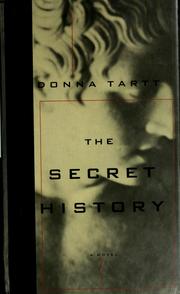
The Secret History
A California outsider joins six classics students whose Greek rite ends in murder.
2,735-word summary · 12 min read