
Olive Kitteridge
2,385-word summary 11 min read 270 pages in the book
- First published
- 2008
- Publisher
- Random House
- Pages
- 270
- ISBN
- 9781400062089
- Series
- Olive Kitteridge (#1)
Reading options
What's inside (8 sections)
I picked up Olive Kitteridge because I kept hearing her name as shorthand for a difficult older woman, the kind of character people love to complain about and secretly recognize. I expected a single sour portrait and a tidy arc toward softness. What I found instead was stranger and better, a whole town told in pieces. Elizabeth Strout published the book with Random House in 2008, a 270 page work built as thirteen linked stories set in Crosby, Maine. It won the Pulitzer Prize for Fiction in 2009 and later became an HBO miniseries in 2014 with Frances McDormand as Olive. I read it slowly, a story or two at night, and that suited it. Each chapter reframes the last, and Olive moves from background bully to grieving wife to lonely widow without ever turning into someone else.
Crosby is small enough that everyone knows whose car is parked where, and large enough to hold private griefs no one names at the grocery store. Olive taught junior high mathematics for years. She is tall, blunt, quick to judge, and often wrong in the way she says a true thing. Henry, her husband, runs the pharmacy on Main Street, knows customers by their refills, and smooths over the moments Olive scorches. Their son Christopher works through his own resentments about being raised by such forceful parents, marries, moves away, divorces, and tries again. Around them orbit former students, coworkers, neighbors, and widows who watch Olive the way people watch weather. The linked story form lets Strout show Olive from the outside first, then from uncomfortably close.
Crosby and the Kitteridge marriage
The opening movement establishes the basic contract of the marriage. Henry is kind in a steady, unshowy way. He hires Denise, a young woman with a difficult past, to work the pharmacy counter, and he treats her with a fatherly care that surprises Olive and irritates her in equal measure. Denise later marries Jerry McCarthy, a plain, decent man who works nearby, and their small happiness runs alongside Henry and Olive's longer, harder union. Henry is not a saint. He has his own tired longings and his habit of avoiding fights. Olive is not a monster. She notices when Henry is low and cooks for him, then ruins the kindness with a sharp remark about weight or manners.
What holds them is time and use. They have shared meals, a house, a child, and the pharmacy counter where town news passes in prescription bags. Strout is good on the texture of that life. Coffee mugs left in the sink. Snow tracked into the entry. The radio playing while Henry counts pills. Olive grading papers at the kitchen table with a red pen and strong opinions about parents who make excuses. Christopher grows up inside that noise. He loves his father easily and loves his mother with guard rails. As a teenager he learns to leave the room when Olive starts. As an adult he calls Henry first.
I liked how little Strout explains. She does not give a childhood trauma to justify Olive. Olive had a father who drank and a mother who endured, mentioned briefly, but the book refuses to turn that into a key that unlocks everything. People in Crosby are shaped by habit, work, and the particular loneliness of living near the sea in winter. Henry understands this. He tells himself Olive means well. Sometimes she does. Sometimes she simply cannot stop herself from saying the hard thing aloud, like commenting on a student's smell or a neighbor's drinking, and Henry pays for it later with extra friendliness.
Pharmacy, Incoming Tide and the piano player
Three early stories show how Strout uses side characters to light Olive from different angles. In Pharmacy, the focus sits mostly with Henry and Denise. Henry watches Denise settle, worries about her first husband's shadow, and feels a quiet lift when she finds steadier ground with Jerry. Olive appears as pressure at home, jealous in a way she would never admit, critical of Denise's clothes and choices. The pharmacy itself feels lived in, with its shelves, its regulars, and its small talk that covers real need. You learn Henry by how he wraps a bottle and asks after a sick spouse.
Incoming Tide shifts to Kevin Coulson, a former student of Olive's who returns to Crosby carrying failure and thoughts of ending his life. He sits in a car by the water, he talks with Patty Howe, and Olive happens into the scene with her usual lack of grace. What could have been a rescue story stays smaller and more honest. Olive does not deliver a speech. She says something awkward, she stays, and her stubborn presence interrupts Kevin's plan without fixing his life. Patty, kind and tired from running a troubled family business, provides the softer counterpoint. I found this story moving because no one is cured. Kevin leaves town still fragile. Olive drives home still Olive.
The Piano Player centers on Angela O'Meara, who plays piano in a bar, drinks too much, and lives with a son who both loves and pities her. Olive and Henry go to hear her, and the night exposes cracks in their own evening out. Angela flirts, misses notes, tells stories that run too long, and Simon, a man who follows her with mixed motives, hovers nearby. The scene in the lounge is specific in a way that stayed with me. Low light, glasses sweating, Angela asking for requests she half remembers. Olive judges her, then recognizes something in her hunger to be looked at. Henry watches Olive watching Angela, and understands his wife feels old and unseen. It is not a kind story, but it is fair to everyone in the room.
Weddings, trips and a robbery
The middle stories press on the marriage from new sides. A Little Burst follows Christopher's wedding to Sue, a strong willed woman Olive instantly dislikes. The rehearsal dinner talk is all smiles with teeth. Sue wants distance. Christopher wants peace and fails to get it. Olive tries to help with shoes and flowers and manages to insult the bride's family. Later, in a motel room, Olive breaks down in a way that shocked me the first time. She is not crying to manipulate. She is crying because her son chose a life that has no chair for her, and she cannot phrase that loss without blaming someone. Henry holds her. He is good in these pages, tired and loyal.
Starving looks at Patty Howe and her daughter in law Marlene Bonney, with Olive off to the side. Patty worries about weight, control, and the way food becomes a language in families that do not say what they mean. Marlene eats little, exercises hard, and keeps a clean house that feels cold. Olive visits, comments too freely, and leaves a bruise she does not intend. I thought of my own relatives while reading it. Advice meant as care lands as judgment when the speaker has never earned trust on that subject.
A Different Road puts Olive and Henry in real danger. Driving home from a trip, they stop and get caught in a robbery at a small hospital or office, held with strangers while young men wave guns and argue. The scene is tense without turning into action. What matters is how the couple reacts under fear. Henry tries to calm others. Olive feels a strange clarity and later a shameful thrill she cannot confess. After they are released, they do not talk about it well. They eat, they sleep, they resume chores. Strout lets the event sit inside the marriage like a stone. It changes the shape of things without giving them language for the change.
Winter concerts, tulips and the basket
As the book moves toward older age, the tone gets quieter and sadder. Winter Concert brings Jane and Bob, a couple dealing with a daughter's struggles, and Olive attending a school concert where she no longer teaches. She sits among parents she once judged, hears children sing off key, and feels time pass in her body. These pages have a patience about ordinary evenings that I came to value. Nothing explodes. Someone coughs. Someone saves a seat. Olive goes home and finds Henry asleep in his chair.
Tulips deals with illness directly. Henry has strokes, plural, small then larger, and Olive becomes a caregiver who is bad at softness but good at showing up. She brings tulips to the hospital, argues with nurses, and sits by the bed with her large hands folded. Strout writes the hospital halls, the bad coffee, the other families waiting, with plain accuracy. Olive talks to Henry even when response is thin. She remembers their early dates, his pharmacy coat, the way he whistled while driving. Critics often cite this story as the emotional center, and I agree. It earns feeling without asking for tears.
Basket, sometimes listed as The Basket or A Basket, sends Olive to visit Christopher and his second family out of state. She flies with a gift, anxious about security lines and new grandchildren who do not know her. The apartment is small and full of rules she does not know. Christopher is polite but guarded. His new wife is careful. Olive tries to be modern, to hold back comments about food and bedtime, and partly succeeds. A simple woven basket she brings becomes a small symbol of wanting to be useful. The visit ends without a blowup, which feels like growth, and without warmth, which feels honest. On the plane home Olive looks out the window and does not cry, but the restraint hurts more than tears would.
Ship in a Bottle and Security continue this late period. Harmon, who runs the hardware store, nurses his own grief after his wife's death and forms a tentative bond with Daisy Foster. Olive watches from a distance, judgmental and envious. In Security, Christopher worries about Olive living alone and tries to set limits. Their phone calls are masterpieces of missed connection. He speaks in therapy language about boundaries. She speaks in practical language about snow shovels and oil bills. Both love each other. Neither translates well.
River, Jack Kennison and old age alone
The final stories, Criminal and River, push Olive into widowhood. Henry dies. The house is too large. Christopher is busy with his own children. Olive starts walking, volunteering in half hearted ways, and accepting rides she once would have refused. She meets Jack Kennison, a retired professor, blunt in his own way, Republican where she is Democrat, proud where she is proud. Their courtship, if you can call it that, is prickly and funny. They argue about politics at a picnic table. They compare ailments. They admit to loneliness without making it pretty.
River is especially strong on the body in old age. Olive is afraid of falling, of smelling bad, of being a burden, of dying unnoticed. She still says the wrong thing to a cashier and still feels sorry ten minutes later. Jack offers company, not rescue. He has lost a wife, made mistakes with his children, and carries his own tab of regrets. Their talks on a bench by the water have a steadiness the earlier marriage scenes lacked, perhaps because both know time is short and pretense wastes it. Olive does not become sweet. She becomes more aware of her size in a room, which for her is a large change.
I appreciated that Strout does not give Olive a grand apology tour. She apologizes once or twice, badly, and means it. She writes a note she should have written years earlier. She sits with a neighbor she once mocked. These small acts matter more than a speech would. The last image of Olive considering suicide and then choosing, for now, to keep living, is handled without drama. She looks at the river, feels its pull, and steps back toward errands and people. It is not hope as greeting card. It is continuance.
What drags and who should read it
No book this loved escapes fair complaint, and this one has three that kept nagging me. First, Olive vanishes for long stretches. Some stories belong almost entirely to Denise, Kevin, Patty, or Harmon, with Olive dropping in for a paragraph like a landlord checking the pipes. If you came for a novel about Olive, those absences can feel like bait and switch. Strout calls it a novel in stories, and the label fits, but readers who want steady forward motion may feel the thread go slack. I often liked the side stories on their own, yet I missed the Kitteridges when they were gone.
Second, the mood is bleak by design. Infidelity, anorexia, suicide attempts, strokes, and lonely aging stack up without much relief. Crosby in winter is beautiful and cold, and Strout rarely lets sunlight linger. Humor appears, mostly in Olive's rude asides, but it is dry and brief. Readers who need warmth or momentum may find the middle section heavy, especially reading several sad stories back to back. I had to pace myself and take walks between chapters.
Third, the connective plot is thin. Christopher moves, marries, divorces, remarries. Henry sickens. Olive ages. That is the arc. There is no mystery to solve, no villain to face, no secret that reframes all. The pleasure is in observation, sentence by sentence, not in events. People who prefer plot will call it slow. They will not be wrong. They will just value a different thing.
Even with those limits, I recommend it to readers who like character work and small town fiction, to anyone who cares for an aging parent, and to writers studying point of view. The HBO version from 2014 is faithful in spirit and worth watching after, with McDormand and Richard Jenkins catching Olive and Henry's physical life well, but the book gives more interior room. At 270 pages it reads longer than its count because so much goes unsaid. I closed it thinking less about likability and more about attention. Olive pays the wrong kind of attention too often, sharp where softness was needed. Strout pays the right kind throughout, noticing how people try, fail, and try again in kitchens and cars and hospital chairs.
FAQ
When was Olive Kitteridge published?
Random House published it in 2008. The first edition runs 270 pages and the ISBN is 9781400062089.
Is Olive Kitteridge part of a series?
Yes, it is book 1 in the Olive Kitteridge series, followed by Olive, Again, with Crosby and the Kitteridge family at its center.
Did Olive Kitteridge win prizes or get adapted?
It won the Pulitzer Prize for Fiction in 2009 and became an HBO miniseries in 2014 with Frances McDormand as Olive and Richard Jenkins as Henry.
Similar books
More like Olive Kitteridge →More from Olive Kitteridge first, then related titles.

The Storyteller
Baker Sage Singer is asked by old Josef Weber to kill him for his SS past, while her grandmother Minka's war story weighs on her.
2,174-word summary · 10 min read
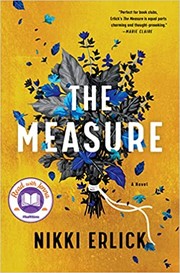
The Measure
Small wooden boxes arrive for every adult, each holding a string that shows life length. Eight people decide if they will open theirs.
2,374-word summary · 11 min read

My Grandmother Sends Her Regards and Apologises
Seven-year-old Elsa loses her granny and best friend, then delivers apology letters to neighbours while holding onto fairy tales of Miamas and the Land of…
2,311-word summary · 10 min read

Girl, Woman, Other
Twelve Black British women and girls link across years and cities, anchored by playwright Amma on her National Theatre premiere night.
2,202-word summary · 10 min read

To Sir Phillip, With Love
Outspoken Eloise writes a grieving botanist, visits unchaperoned, and stays for twins.
2,013-word summary · 9 min read

Truly Madly Guilty
A Sydney barbecue turns when two-year-old Ruby falls in a fountain. Three couples face guilt, marriage strain, and repair.
2,892-word summary · 13 min read