
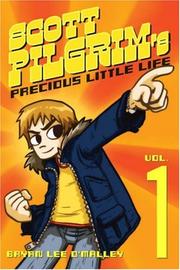
Scott Pilgrim's Precious Little Life
1,937-word summary 9 min read 168 pages in the book
- First published
- 2004
- Publisher
- Oni Press
- Pages
- 168
- ISBN
- 9781932664089
- Series
- Scott Pilgrim (#1)
Reading options
What's inside (4 sections)
Twenty three, in a band, between jobs, and about to fight seven exes for a girl. Scott Pilgrim's Precious Little Life by Bryan Lee O'Malley was first published in August 2004 by Oni Press, a 168 page paperback with ISBN 9781932664089. It is book one of Scott Pilgrim. Scott plays bass badly for Sex Bob-omb, dates high schooler Knives, and falls for Ramona who skates through his dreams. I reread it after the movie and show, forgetting how much the comic trusts readers to accept game logic without tutorials. Coins. Levels. Extra lives. Just play.
Scott is a lovable mess who the book refuses to excuse, which is why it lasts beyond nostalgia. He mooches off Wallace, his gay roommate with perfect comebacks. He practices rarely. He strings Knives along because attention feels good. When Ramona appears with dyed hair and packages, he pursues without considering costs to others. O'Malley draws him slouching through Toronto snow with bass lines as thought bubbles. Funny. Relatable. Kind of awful. The book knows all three at once and lets you sit in discomfort while laughing. Growth will come later volumes. Here, mess reigns.
Ramona Flowers skates in literally and figuratively. Delivery girl for Amazon.ca who travels through subspaces that Scott accesses only in dreams at first. She is American, guarded, and done with boys who need fixing. Her seven evil exes lurk as rumor until the first fight proves the rule. Matthew Patel attacks at a battle of the bands with fireballs and a Bollywood number. Scott wins by accident and bass courage more than skill. Ramona watches with an expression that says you will do, for now. It is not love at first sight. It is interest despite red flags both wave.
Toronto band life
Sex Bob-omb practices carry the book heart between fights, which is why musicians love this series disproportionately. Kim Pine on drums, deadpan and done. Stephen Stills on guitar and vocals, anxious and ambitious. Scott on bass, loud and late. They rehearse in a cold basement, argue about setlists, and play shows where ten people watch, including Knives screaming every lyric. O'Malley, who played in bands, nails the economics. Gas money split three ways. Gear borrowed. Demos that sound like rooms, not studios. Those details ground game logic in indie rock reality. Magic happens between shifts at dish jobs.
Wallace Wells steals every scene he enters by saying what readers think with better delivery. He lets Scott crash rent free, covers for him with Knives, and diagnoses Ramona situation in one look. Gay roommate as fairy godmother could feel dated, but Wallace has his own dates, job, and boundaries. He charges Scott for laundry. He locks the bathroom. When he finally says grow up, it lands because he housed the slacking. Every group needs a Wallace who loves you and keeps receipts. Be grateful if you have one. Pay rent if you are Scott.
Knives Chau is the book moral test that modern readers feel sharply. Seventeen, devoted, and used by Scott as ego boost while he chases Ramona. O'Malley in 2004 played her as sweet and naive. Now she reads as a kid an adult should not date, which the book partly acknowledges by having friends call it out. Stephen says it plainly. Wallace raises eyebrows. Scott deflects with jokes that curdle on reread. That discomfort is productive if you sit with it. First volumes often show heroes at worst to earn growth later. Scott has far to go, starting with ending things cleanly with Knives, which he fails to do here. Watch that failure. It matters more than the Patel win.
The Toronto setting does quiet work that Canadians cherish and others absorb. Snowy sidewalks. Cheap apartments with radiators. Lee Palace gigs. Honest Ed deals. O'Malley draws the city with love that never becomes tourism. Streetcars carry plot. Libraries host research. Casa Loma looms. Readers who know Toronto feel seen. Others feel cold in a good way. Place as third band member. Always present. Never soloing.
A fair note. Black and white digest art can feel sparse if you came from the movie color. Stick through. Fight choreography reads clearly through motion lines and panel breaks. Sound effects do heavy lifting. KRAK. Two hundred dollars in coins showering. Those coins, dropped by defeated exes, teach the book economy fast. Win and get paid in game logic that spends nowhere but matters everywhere. Accept it by page thirty or put the book down. It only gets weirder from here, gloriously.
Games, exes, and growing up
The game logic reveal, that ordinary Toronto runs on video rules, is the volume structural surprise worth naming without spoiling later bosses. Scott dies and respawns at times. Extra lives cost coins he barely has. Levels gate neighborhoods. O'Malley never explains why. Characters accept it like weather. That acceptance is the joke and the point. Twenty somethings already live like games. Grind jobs for coins. Level up bands through shows. Boss fights with exes who have health bars. The metaphor was literal before readers named it adulting. Play poorly and respawn broke. Play better and unlock Ramona route, maybe.
Matthew Patel fight at the rock show sets template with Bollywood flair that still delights. Fireballs. Demon hipster chicks. A bass solo that wins by heart, not skill. Scott does not train. He shows up. That slacker victory troubles later volumes in good ways. Can you coast through exes on charm. Book one says yes once. Later books say no repeatedly. Enjoy the easy win here while noting its cost. Knives watches from crowd and sees Scott choose Ramona publicly. Her face in three panels teaches more about consequences than any lecture. Winning has witnesses. They feel.
Stills and Kim get moments that promise more in later volumes. Stephen worries the band will break if Scott chases girls mid tour. Kim hits drums harder when annoyed, which communicates better than talks. Their band meeting about Scott priorities is funny and firm. Practice or quit flirting during bridges. Scott promises both and means neither yet. That unseriousness will need addressing when rent and exes escalate. For now, the band holds because Wallace mediates with snacks. Small kindnesses keep groups together more than mission statements. Bring food to practice. Universal rule.
What stays with me is not the fights but the roommate talks after. Wallace asking Scott what he wants beyond girls and gigs. Scott answering with lists that avoid the question. Kim saying less with sticks than most say in paragraphs. Those quiet pages between game noise give the series soul that film compresses. Growing up means answering Wallace honestly eventually. Book one ends before Scott can. He gets the girl momentarily. He keeps the habits that will lose her. That dramatic irony fuels the next five volumes. You close wanting him to earn it next time. He will have to. Exes multiply. Rent comes due. Knives deserves better than she gets here, and the book knows it enough to let her anger simmer into later volumes where she gets agency beyond heartbreak. Watch her drumline focus in crowd scenes. She already keeps better time than Scott. That timing will matter when she stops waiting.
Read it if you like indie comics, games, and Toronto snow. Start here, not later, because levels build. It pairs well with loud music and cheap noodles. Do not expect heroes. Expect a mess with a bass who must beat bosses outside and inside. By the last page you will know if you are in for six volumes. If coins and exes delight rather than annoy, keep going. The band gets better. Scott gets worse before better. Wallace stays perfect. That is enough to continue. Bring earplugs for practice. Bring patience for Scott. Both pay off. Knives drums of her own deserve mention as more than heartbreak metronome. She practices with focus Scott lacks, showing up early to load gear Scott forgot. Her anger at being used fuels playing that outpaces his within the volume. O'Malley draws her sticks as blurs while Scott poses with his bass. Skill versus swagger in two panels. Readers who play will notice who works. That work ethic will carry her past Scott in later volumes where she gets agency beyond waiting. Watch her hands, not his pouting. Hands tell the future here. Hers keep time. His keep excuses.
Wallace apartment rules deserve a comic coda that doubles as life advice. Pay rent. Do not eat his food. Knock before entering with girls who are too young for you. Scott breaks all three by page twenty and Wallace enforces with fees and looks. That enforcement, funny and firm, models boundaries the whole book otherwise lacks. Found families need a Wallace who mothers without smothering. Be grateful if you have one. Pay rent if you are Scott. Both lessons stand past the final boss of volume one. Envy Adams, Scott ex with a band of her own, hovers at edges with talent that dwarfs his. Her shadow explains some of his insecurity better than any monologue. Dating someone bigger makes small men perform bigger. Scott performs instead of practicing. That gap will cost him in later volumes when she returns with fame to spare. Note her absence here as presence. Legends do not need stage time to shape setlists. Stephen Stills deserves more than anxious jokes because he holds the band together while Scott drifts. He books shows. He tunes Scott bass when Scott forgets. He worries the band will break if Scott chases girls mid tour. His blowup at Scott halfway through, about commitment to people who count on you, is the book most adult scene in a story about game logic. No fireballs. Just a tired guitarist saying practice matters. Scott hears it and forgets by next page, which is exactly the problem book two will punish. For now, note who does the work while stars flirt. Bands run on Stephens, not Scotts.
Kim Pine drumming communicates what dialogue will not, and her arc starts here in small hits. She plays harder when annoyed, which is always around Scott. She mocks his love life between songs with timing sharper than cymbals. Yet she shows up early to load gear and stays late to count money fairly. That reliability makes her the book quiet spine. When she finally tells Scott he is a bad boyfriend to Knives in plain words, it lands because she never wastes words. Listen to drummers. They keep time for everyone else chaos. Kim keeps this book honest while boys play games with hearts and coins. Her visual design deserves note as storytelling. Short hair that never moves. Flat expression that says everything. Drumsticks held like weapons at rest. O'Malley draws her with minimal lines that hit harder than detailed faces. When she finally smiles, two panels in the whole volume, it lands like a solo. Readers remember it chapters later. Economy as character. Less ink, more meaning. That is comics craft at its best, and Kim is its proof.
Stills anxiety about the band breaking up mirrors Scott romantic flailing in useful parallel. Both fear abandonment. Stephen clutches setlists. Scott clutches girlfriends. Neither holds lightly enough to keep. Wallace mediates both with snacks and straight talk that cuts through self pity. Eat something. Practice on time. Call Knives back with truth. That mediation keeps the group from dissolving before book two. Found families need a Wallace who mothers without smothering. Be grateful if you have one. Pay rent if you are Scott. Both lessons stand.
FAQ
When was Scott Pilgrim volume 1 published?
Oni Press published it in August 2004. It runs 168 pages and the paperback ISBN is 9781932664089.
Is it part of a series?
Yes. It is book one of Scott Pilgrim, followed by five more volumes. Start here.
Similar books
More from Scott Pilgrim first, then related titles.
Saga, Volume 1
Alana and Marko flee a galaxy-wide war with baby Hazel, hunted by both sides.
2,200-word summary · 10 min read
Six Scorched Roses
A dying scholar bargains with a reclusive vampire for blood, and six roses turn a transaction into a slow, dangerous romance.
2,663-word summary · 12 min read

Vow of Thieves
Kazi and Jase return to Tor's Watch to find it occupied, and their marriage is tested by captivity, betrayal, and a war for the town of Hell's Mouth.
2,059-word summary · 9 min read
The Lost Sisters
Taryn Duarte writes a letter to her twin, Jude, explaining how she fell for Locke and why she stayed silent while he used them both.
1,914-word summary · 9 min read

Magic Burns
A magic flare hits Atlanta, and mercenary Kate Daniels must recover stolen maps, find a missing witch, and keep a teenage girl alive while Celtic gods try to…
2,021-word summary · 9 min read
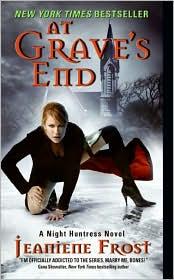
At Grave's End
Cat and Bones face Max, a zombie-raising ancient vampire, and a prophecy that ties their marriage to Patra's death in the third Night Huntress novel.
2,061-word summary · 9 min read
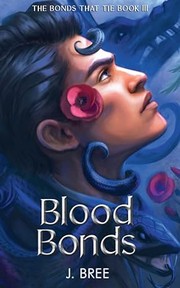
Blood Bonds
Oleander is chained in a Resistance camp, and her five Bonds have to find her before Silas Davies finishes what he started in this third Bonds that Tie book.
2,018-word summary · 9 min read

Archenemies
Nova steals for the Anarchists while Adrian hides his Sentinel identity, and a serum that erases prodigy powers puts them both at risk.
2,485-word summary · 11 min read
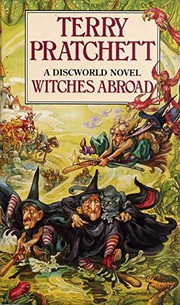
Witches Abroad
Three Lancre witches fly to Genua to stop a fairy godmother from forcing a servant girl into a storybook marriage, and find a city arranged around a happy…
2,651-word summary · 12 min read

The Siren
Saved from a shipwreck in 1930, Kahlen becomes a siren who sings men to their deaths for the Ocean, until a boy in a college library makes her want a life she…
2,369-word summary · 11 min read

Shopaholic and Sister
Becky Brandon returns from a ten-month honeymoon to meet the half-sister she always wanted, then discovers that Jess is thrifty, prickly, and nothing like the…
2,591-word summary · 12 min read
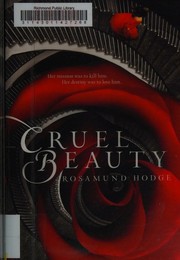
Cruel Beauty
A girl raised to kill the demon prince who rules her cursed land instead falls in love with him, in a retelling that mixes Beauty and the Beast with Bluebeard…
2,669-word summary · 12 min read
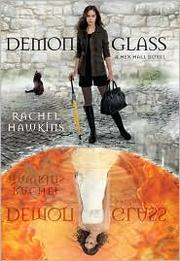
Demonglass
Sophie Mercer spends the summer at the Council's English estate, where two new demons, a suspicious host, and Archer's return complicate her plan to remove her…
2,771-word summary · 12 min read
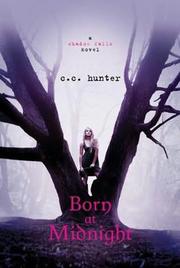
Born at Midnight
Kylie Galen is sent to a camp for troubled teens and discovers it is a haven for vampires, werewolves, and witches, and that she may be something stranger…
2,310-word summary · 10 min read
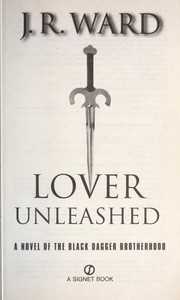
Lover Unleashed
Paralyzed vampire warrior Payne and surgeon Manny Manello collide in an adult paranormal romance, as Xcor's Band of Bastards arrives in Caldwell for revenge.
2,374-word summary · 11 min read

The Rose & the Dagger
Shahrzad is pulled from her Caliph husband and left in a desert camp of rebels, needing to break his curse and end a war before it ends her.
2,520-word summary · 11 min read
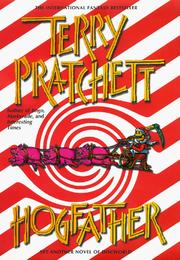
Hogfather
Death fills in for a missing Father Christmas, Susan Sto Helit hunts the Hogfather, and the twentieth Discworld novel turns Santa into a management problem.
2,871-word summary · 13 min read

We Hunt the Flame
In a fractured Arabia-inspired world, a disguised huntress and a prince-assassin race to find a magic-restoring book and confront an ancient evil.
2,195-word summary · 10 min read
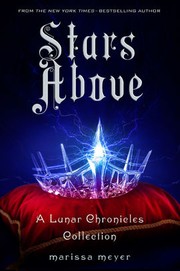
Stars Above: A Lunar Chronicles Collection
Nine Lunar Chronicles stories fill in the histories of Cinder, Wolf, Thorne, Cress, Winter, and Jacin, and end with a wedding after the war.
2,230-word summary · 10 min read

Lore
Lore Perseous, the last of a hunted bloodline, is pulled back into the Agon when a wounded Athena offers her revenge against the god who killed her family.
2,188-word summary · 10 min read
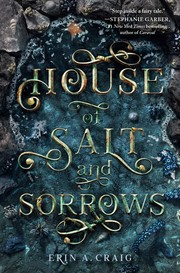
House of Salt and Sorrows
Annaleigh Thaumas investigates her sister's death in a cursed island manor where the balls are illusions and the sea god is always listening.
2,025-word summary · 9 min read
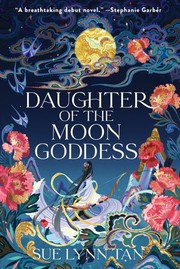
Daughter of the Moon Goddess
The daughter of Chang'e hides in the Celestial Court, trains as an archer, and risks everything to free her mother from the Emperor's punishment.
2,146-word summary · 10 min read
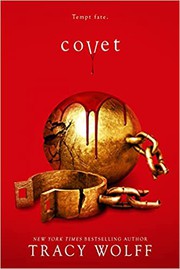
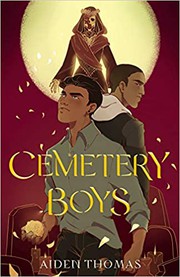
Cemetery Boys
A trans brujo in East Los Angeles summons the ghost of a boy who refuses to move on, and together they uncover a murder hidden beneath Día de los Muertos.
1,997-word summary · 9 min read
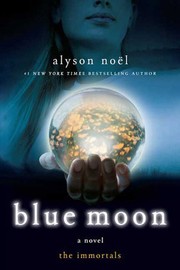
Blue Moon
Ever Bloom tries to save her immortal boyfriend, Damen, from a mysterious illness while a new student named Roman quietly takes control of her school and her…
1,998-word summary · 9 min read
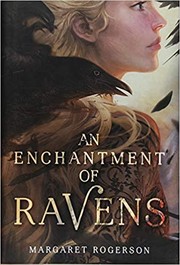
An Enchantment of Ravens
Isobel, a mortal artist in the fairy town of Whimsy, paints a portrait of the autumn prince and falls in love with him, breaking the laws of her craft.
2,087-word summary · 9 min read
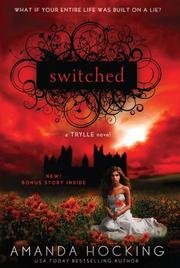
Switched
A Minnesota teenager who can make people obey her discovers she is a changeling troll princess, and the hidden kingdom she came from wants her back.
2,131-word summary · 9 min read
A Reaper at the Gates
The Martial capital falls to an army of ghosts, Elias becomes the Soul Catcher, and Laia and Helene pay brutal prices as the Nightbringer moves to free the…
1,991-word summary · 9 min read
A Fate Inked in Blood
In Norse-inspired Skaland, a fish gutter hiding a goddess's blood is claimed by a jarl, bound by oath, and guarded by the son she cannot want.
1,971-word summary · 9 min read
Savage Bonds
Oli's deadly gift is out in the open, her Bond runs the show, and the Resistance is closer than ever in the second Bonds that Tie novel.
2,431-word summary · 11 min read