
Reading options
What's inside (12 sections)
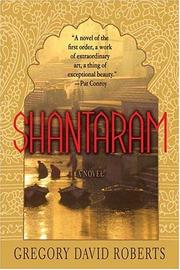
I read Shantaram on a long trip and missed stops, which is the risk with 944 pages that move like a train. Gregory David Roberts published it with Scribe in Australia in 2003. The St. Martin's Griffin paperback I cite runs 944 pages with ISBN 9780312330538. An Australian bank robber escapes prison, flees to Bombay on a false passport, and builds a life in slums, clinics, cinemas, and gang wars. The novel is presented as fiction but draws openly on Roberts own escape and Bombay years. Lin, also called Shantaram, meaning man of peace, searches for that peace through crime, love, and war. Sprawling, romantic, often too much, hard to put down.
Lin opens running. Ex heroin addict, bank robber, prison escapee over a wall in daylight, he lands in Bombay with a false New Zealand passport and a friend who promises help. Prabaker, taxi driver, grin, and guide, names him Linbaba and shows him the city without filters. Crowded trains. Street vendors. Rent scams. Lin is robbed his first night and learns the lesson Bombay teaches newcomers. Smile, pay, watch. Prabaker takes him to his village, then to a slum where Lin, with middle class Australian first aid knowledge, opens a free clinic in a bamboo hut. He treats cuts, fevers, and cholera with saline and calm. Slum dwellers name him Shantaram. Man of peace. He tries to earn it while forging passports on the side.
Karla and Khader
Karla is the beautiful enigma every epic needs and this one critiques. Green eyed, American or Swiss depending on who asks, connected to everyone, loved by Lin from a cafe glance. She moves through art dealers, gangsters, and journalists with secrets she trades carefully. Lin pursues her for hundreds of pages through parties, jails, and absences. She gives him riddles about fate and leaves before answers. Their love scenes are charged and talky. What is love. What is fate. Can a criminal be good. Karla answers with questions. Readers divide hard. Some find her fascinating. Some find her a collection of lines. I landed between. She embodens the expat Bombay that uses newcomers and mourns them with cocktails. Loving her costs Lin years he could have spent free.
Khader Khan, the Afghan don who runs much of Bombay underworld with philosophy and menace, becomes Lin father figure. Old, calm, quoting Rumi between orders for beatings, Khader tests Lin with jobs. Courier. Forger. Fighter. He preaches that good and evil are directions rather than states. Move toward light. Lin believes because prison taught him to crave structure, even criminal structure. Abdullah, Khader enforcer and Lin best friend, loves with lethal loyalty. He kills for Khader and dies for him without speeches. Their brotherhood, forged in raids and prison visits, is the book truest relationship. Men who would die for each other and cannot say so except through action.
Slum clinic
The slum chapters are the best and most debated. Roberts describes lane life with dense affection. Fires for cooking. Monsoon floods. Weddings with borrowed saris. A leper colony visit that humbles Lin more than prison did. His clinic work, treating hundreds with basic supplies, earns him protection that money cannot buy. Critics ask whether a white fugitive savior narrative exploits poverty for redemption. The question is fair. Roberts gives slum dwellers names, jokes, and agency, but the lens stays Lin. Prabaker family, especially his wife and child, get fuller portraits than most. Still, Bombay often serves as backdrop for Lin soul. Read with that awareness. Love the lanes. Notice whose eyes you see them through.
Prison returns halfway. Betrayed by a jealous lover, Lin is taken to Arthur Road Jail where beatings, hunger, and bribes rule. Roberts writes incarceration from memory that feels physical. Concrete heat. Chains that cut. A guard who takes bribes to stop hitting. Lin survives by treating other prisoners and by remembering Khader lessons about will. Those chapters slow the sprawl usefully. After hundreds of pages of parties and deals, confinement forces inward reckoning. What has he become in freedom. A healer who funds healing with crime. The contradiction will drive the rest.
War and leaving
The Afghanistan section divides readers most. Khader takes Lin and Abdullah to fight Soviets with mujahideen he supplies, seeking both profit and purpose. Mountains, snow, ambushes. Abdullah dies. Khader dies. Lin survives with a wound and a emptiness no philosophy fills. Roberts presents it as education in violence that cures romance about gangs. Some find it self mythologizing. An Australian forger turned holy warrior stretches belief. Others accept it as the book turning point where Lin finally sees Khader project as ego dressed as fate. I read it as both. Bloated and necessary. War strips the Bombay adventure of glamour. What remains is a man who must leave or die.
Karla truth arrives late and lands hard. She worked against Khader all along for reasons tied to another man. Lin, who built years around her mystery, must decide whether love survives use. He walks away without killing her, which for Lin counts as growth. The final chapters find him planning to leave Bombay for Africa with forged papers and debts no money settles. Prabaker death in a taxi accident, described with restraint rare in this maximal book, breaks him more than prison did. The guide who named him dies because the city moves too fast for kindness. Lin grieves by working. Clinic shifts. Final favors. A promise to return.
What works and what strains
What works is immersion. Roberts knows Bombay streets, slang, food, and monsoon timing in his body. You smell diesel and jasmine. You hear local trains. You learn slum economics. Rent. Water. Bribes. His dialogue mixes Australian, Indian English, Hindi, and criminal cant without italics fuss. Length, often criticized, allows minor characters to breathe. A film extra. A bar owner. A passport photographer. Each gets a story that pays off hundreds of pages later. That braiding rewards patient readers the way long series do. Keep a character list. Trust returns.
The strain is philosophy and self regard. Lin narrates in aphorisms about fate, love, and destiny that repeat across 944 pages. Some land. Most blur. Roberts love of Rumi quotes through Khader grows heavy. The book also romanticizes crime that harms real people. Forgery, smuggling, and gang beatings are framed as education while victims stay background. Women besides Karla get thin roles. A journalist. A prostitute with a heart. Readers who want critique of expat crime tourism will find the book complicit. It loves its outlaw too much to judge him. Accept that or skip. This is confession as adventure, not reckoning.
Who it is for
Read it if you like maximal travel epics, or want Bombay beyond postcards. It pairs well with The Mountain Shadow sequel, though that book is weaker. Do not read it as history. Names changed. Timelines compressed. Content notes are heavy. Heroin use and withdrawal described, prison torture and beatings, gang violence and murder, sexual assault discussed, child death in slums, and war deaths in Afghanistan. Adult book. Not for teens.
I finished exhausted and unwilling to shelve it, the way you feel after a trip that was too long and exactly right. Lin never quite becomes a man of peace. He becomes a man who knows the price and keeps paying. Prabaker grin stays with me more than any philosophy. A driver who named a fugitive friend and died driving. Cities run on such men. Novels should remember them first. Roberts does, amid all his fate talk, and that memory earns the sprawl. Take the long way through Bombay. Miss your stop. You will be tired and fed.
A note on truth
Roberts insists the novel is fiction with true roots. Prison escape, Bombay years, clinic work, and gang ties draw on his life. Specific crimes and deaths are altered. Read interviews alongside, but do not hunt scorecards. The book works as a novel about a man who ran far to learn what he carried. That lesson needs no passport stamp to hold.
Prabaker
Prabaker deserves the last word among characters because he is the book conscience disguised as comedy. Taxi driver, grin, guide who calls Lin Linbaba and teaches him to eat with fingers, bargain without anger, and smile at chaos. Prabaker family in the slums adopts Lin fully. His wife cooks. His child plays. His death in a taxi crash, sudden and stupid after so much survived violence, breaks the book open. No philosophy explains it. A good man driving too fast on a wet road. Lin grief is physical and lasting. He funds the family quietly. He names choices after Prabaker advice. What would the guide do. The answer is usually laugh, help, keep moving. Critics who call Shantaram self centered should reread Prabaker chapters. Roberts loves this man with full attention and lets him steer scenes Lin cannot. The guide outshines the fugitive. That is deliberate and generous. Remember the driver first. The passenger second.
The clinic as homeland
Lin clinic work deserves a final note because it is the one unambiguously good thing he builds. No papers. No profit. Just a bamboo hut with saline, bandages, and hours posted by need. Slum mothers bring children with fevers. Workers bring crushed hands. Lin treats who comes, learns names, and refers beyond his skill without shame. That clinic outlasts his gang jobs and his romance. When he leaves Bombay, others keep it running with his supplies. It is the only institution in 944 pages that heals without billing. Roberts, who did similar work, writes these scenes with practical detail rare elsewhere. Boil water. Dose by weight. Record in pencil. Those verbs ground the philosophy that floats elsewhere. Fate talk fades. Clean wounds close. If the novel needs justification for its length, the clinic is it. A man who harmed many also eased hundreds. Both can be true. The book insists we hold both without letting one excuse the other.
Bombay monsoon
Monsoon chapters give the sprawl its weather and its mercy. Rains flood slum lanes to knees. Roofs leak. The clinic runs out of dry bandages. Lin carries children through water that hides open drains. Roberts writes rain as relief and threat together. Relief from heat. Threat of cholera. Everyone works in it without pausing. Prabaker drives through sheets of water singing. Karla watches from balconies. Khader plans around flooded roads. That shared endurance bonds the city more than any philosophy talk. Rich and poor both get wet, though only poor get sick from it. Lin learns that difference carrying medicine. Water falls on all. Illness picks the unhoused. The clinic stocks rise before monsoon the way armies stock before battles. Seasons, like gangs, must be prepared for. Bombay teaches both.
Didier the French exile provides the novel comic relief with an edge worth keeping. Addicted, witty, generous with introductions, Didier translates Bombay for newcomers while warning them against translations. Love here means staying, he tells Lin over drinks he cannot afford. Leaving means dying somewhere clean. His apartment hosts parties where deals start and end. His loyalty to Lin survives arrests and absences that end other friendships. When Didier finally leaves Bombay, the farewell hurts more than Karla absences because it is permanent and plain. No philosophy. Just a man at an airport with too many bags. Expats age out of havens. Cities keep their habits. Friends keep the stories for when the rain returns.
Leopold and the expats
Cafe Leopold crowd gives the novel its expat texture and its sharpest satire. Dealers, journalists, prostitutes, and lost Europeans trade rumors over cold beer while Bombay works outside. Roberts writes their banter with affectionate bite. Everyone has a scheme. Everyone claims to love India while planning to leave. Lin moves between Leopold tables and slum lanes with growing discomfort. Which world is real. Both, the book answers. Coffee houses fund clinics. Clinics treat overdoses from parties. That exchange implicates Lin more than any police charge. He profits in one world to heal in another. Leaving Leopold at the end costs him Karla and comfort at once. Necessary and sad. Some cafes you outgrow. Some you carry as warning about who you were when you laughed there.
FAQ
When was Shantaram published?
Scribe published it in Australia in 2003. The St. Martin's Griffin paperback runs 944 pages and the ISBN is 9780312330538.
Who are the main characters in Shantaram?
Lindsay called Lin, Prabaker the guide, Karla, Abdullah, and Khader Khan.
Is it part of a series?
No. It stands alone, followed years later by The Mountain Shadow.
Similar books
The Secret of the Nagas
Shiva hunts the Naga who attacked Sati, discovers her hidden twin sister and lost son, and follows the trail to the Naga capital of Panchavati.
2,442-word summary · 11 min read
The Brethren
Three disgraced judges run a blackmail scam from a federal prison and accidentally trap a presidential candidate, pulling the CIA into their scheme.
1,967-word summary · 9 min read
The Republic of Thieves
Locke and Jean rig an election while Locke faces Sabetha, his lost love and rival.
2,433-word summary · 11 min read

The Immortals of Meluha
Tribal Shiva learns he is fabled Neelkanth prophesied to save Meluha.
1,994-word summary · 9 min read
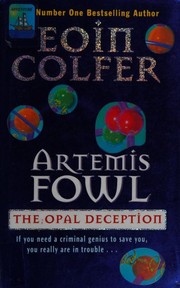
The Opal Deception
Mind-wiped Artemis steals a Munich painting while escaped pixie Opal Koboi frames Holly Short for murder and plots exposure.
2,767-word summary · 12 min read
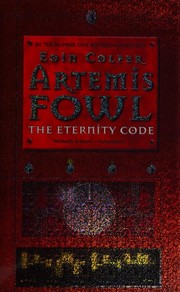
The Eternity Code
Artemis shows fairy tech to Chicago tycoon Jon Spiro, loses Butler to a bullet, and must raid Spiro Needle with Holly to get it back.
2,949-word summary · 13 min read
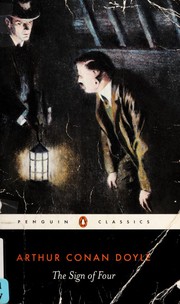
The Sign of Four
Mary Morstan's pearls lead Holmes and Watson from foggy London to Agra treasure and a Thames chase.
2,114-word summary · 9 min read
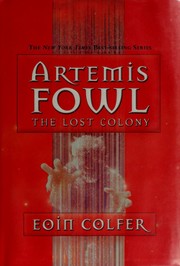
The Lost Colony
Artemis and Holly chase returning demons while a rival genius risks everything for fame.
1,903-word summary · 8 min read
The Arctic Incident
Artemis ransoms his father in Russia while Holly hunts goblin batteries.
1,952-word summary · 9 min read
The White Tiger
A poor driver writes to the Chinese Premier about rich masters, corruption, and murder.
2,251-word summary · 10 min read
The Voyage of the Dawn Treader
Lewis sends Lucy, Edmund and Eustace aboard Caspian's Dawn Treader to find seven lost lords, past dragon gold, dark dreams and the world's edge.
2,330-word summary · 10 min read
A Study in Scarlet
Watson meets Holmes in Baker Street, a Brixton body bears the word Rache, and a Utah revenge tale explains it.
2,208-word summary · 10 min read

Artemis Fowl
Twelve-year-old crime heir Artemis Fowl kidnaps fairy officer Holly Short for gold, triggering a siege at Fowl Manor with time-stops, trolls, and a shifting…
2,692-word summary · 12 min read

What She Knew
Rachel lets her eight-year-old son run ahead in a Bristol park, and the nine-day search turns her into a suspect in the public eye.
2,952-word summary · 13 min read
The Thief
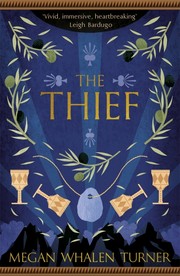
A boastful young thief is pulled from a prison to steal a legendary stone for the king's magus, and the story he tells about himself is not the whole story.
2,514-word summary · 11 min read

The Blinding Knife
Kip trains to join the Blackguard while the Prism hides his true identity, loses his colors, and fights a war against a rogue drafter who wants to birth a god.
2,049-word summary · 9 min read

The Beach House
A young valet is beaten to death at a Hamptons party, and his law-student brother spends a year building a case against the family that covered it up.
2,049-word summary · 9 min read
The Art Forger
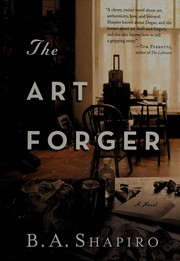
A disgraced Boston painter agrees to copy a Degas stolen from the Gardner Museum, then begins to suspect the original she is copying is itself a forgery.
2,117-word summary · 9 min read

Six Years
A professor who promised to forget the woman he loved sees her husband's obituary and discovers that the wedding, the marriage, and the woman herself may never…
2,076-word summary · 9 min read
Ship of Magic
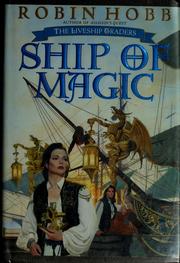
A sentient ship wakes when her captain dies, and the family that owns her starts to come apart over who gets to sail her.
2,026-word summary · 9 min read

Inkdeath
The final Inkworld novel sends Mo into the land of the dead, leaves Meggie choosing between two boys, and ends the Adderhead's immortality with three written…
2,062-word summary · 9 min read

How the Light Gets In
Gamache investigates the murder of the last Ouellet quintuplet while the Sûreté he served is dismantled from inside by the man who took his protégé.
2,279-word summary · 10 min read

Dawnshard
Rysn sails toward forbidden Akinah to save her dying larkin and finds a Dawnshard guarded by the Sleepless.
3,229-word summary · 14 min read

Bury Your Dead
Recovering from a failed raid that killed his officers, Gamache investigates a murder in a Quebec City library while Beauvoir reopens a case in Three Pines.
2,022-word summary · 9 min read

Bone, Vol. 1: Out from Boneville
Three cartoon cousins are run out of Boneville, separated by locusts, and dropped into a valley where rat creatures and an old grudge are waiting.
2,155-word summary · 10 min read

Vow of Thieves
Kazi and Jase return to Tor's Watch to find it occupied, and their marriage is tested by captivity, betrayal, and a war for the town of Hell's Mouth.
2,059-word summary · 9 min read

The Trespasser
A Dublin Murder Squad detective investigates a staged dinner-party killing and finds a cover-up that reaches into her own department.
2,051-word summary · 9 min read
The Icebound Land
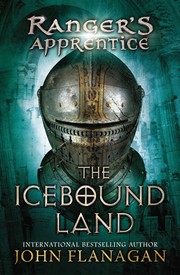
Captured and enslaved in Skandia, Will fights a drug that erases him while Halt and Horace cut a bloody road through Gallica to bring him home.
2,088-word summary · 9 min read
The Field Guide
Three siblings move into a creepy Maine estate, anger a brownie, and find a forbidden guide to the fairy world in the first Spiderwick book.
2,033-word summary · 9 min read

The Beach
A young backpacker follows a dead man's map to a hidden island community, then discovers what the people there are willing to do to keep it secret.
2,067-word summary · 9 min read