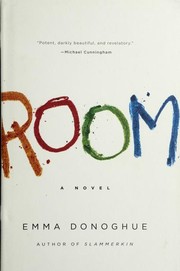
Room
1,960-word summary 9 min read 336 pages in the book
- First published
- 2010
- Publisher
- Little, Brown and Company
- Pages
- 336
- ISBN
- 9780316129114
Reading options
What's inside (7 sections)
I went into Room nervous about the voice. A whole novel from a five year old. Would it feel cute or false. Emma Donoghue published it September 13, 2010 with Little, Brown and Company. It runs 336 pages. It was shortlisted for the Booker and later filmed in 2015. I read it in two sittings and cried on a bus, which tells you the voice works.
Jack narrates. He is five. He lives with Ma in Room, an eleven by eleven foot soundproofed shed in a kidnapper's backyard. He was born there. He has never been outside. For him, Room is the world. Rug is his friend. Table is for meals and hiding under. Lamp gives light. Plant lives by the skylight. TV shows other planets where other people live. Sunday is when Old Nick visits at night, creaks the bed, makes Ma breathe funny. Jack sleeps in Wardrobe then, with the doors cracked, counting creaks.
Ma is twenty six. She was taken at nineteen on her way to college by Old Nick, held seven years. She made a life inside to keep Jack whole. Breastfeeds him still for comfort and food stretch. Teaches him reading, math, songs. Runs laps around Table for exercise. Makes toys from trash. Keeps teeth healthy with routine. Screams into Pillow so Jack hears play not fear. Donoghue never lets Ma lecture about horror. She shows care in chores. Washing. Folding. Measuring Jack against Door to mark growth.
Life inside
Daily rhythm fills the first half and I loved the patience. Wake in Bed. Eat. Exercise. Learn. Quiet time when Old Nick might come. Bath in tiny tub. Story before sleep. Jack names everything with caps because everything matters. Chair. Sink. Skylight. He believes TV people are not real, just colors. He believes dogs on TV cannot bark in Room. Ma plays along where it protects and corrects where Jack can hold it. She tells him about the world in small doses. Trees are real. Wind is real. Other kids are real.
Old Nick is a flat scary shape through Jack's eyes, which fits. He brings groceries on Sundays, sometimes too little, sometimes spoiled. He takes Ma's pain pills. He threatens to cut heat if Ma shouts. He stares at Jack in a way Jack hates. Ma warns Jack never to look at him, never to speak. Jack obeys and also studies shoes and smells. Donoghue keeps assault off page but clear to adults. Ma's bruises. Torn clothes. Money begging for medicine. Jack sees effects and misreads causes, and the gap aches.
Tension builds as Ma's hope thins. Old Nick lost his job. Supplies shrink. The shed loses power for days. Ma fears they will be killed or left. She tells Jack the truth in stages. There is Outside. She came from there. Old Nick stole her. They must leave. Jack refuses at first. Outside is TV. Room is home. Why leave Rug. Ma stays calm and draws maps. She cries when Jack sleeps. She practices the plan until Jack can repeat it.
The plan is bold and simple. Jack will pretend to be dead with a bad fever. Old Nick will carry his rolled rug body to his truck to dump. Jack will unroll, jump out at a stop, run to a stranger, say help. Ma coaches him on what to say. My friend. My Ma. Room. Backyard. Shed. She cuts her wrist a little to make fever look real with blood. Jack is scared of trucks, dogs, strangers, air. He agrees because Ma asks and because he loves her more than fear.
Escape
Escape night is the best long scene in the book. Jack inside Rug, hot and dark, counting breaths. Old Nick carrying him, swearing at weight. Truck door slam. Engine roar. Rug unrolling. Jack falling out onto gravel, seeing sky for the first time, so wide it hurts. Running in underwear with shoes wrong. A man with a dog. Jack shouting lines Ma taught him, half garbled. Police. Lights. Questions he cannot answer. Address unknown. Name Jack. Ma still inside.
Police find Room fast with Jack's clues. The dog man calls. Officers coax. Ma is rescued, blinking, thin, fierce. Old Nick is caught later trying to run. Reunion is not neat joy. Jack is overwhelmed by Outside. Wind too loud. Grass too prickly. People too tall. Ma is overwhelmed by forms, cameras, kindness that feels like interrogation. Donoghue writes hospital days with exact small pains. Bright lights. Beeping. Food Jack refuses because it is not Room food. A nurse who lets him keep Rug.
The second half follows adjustment, and it is harder than captivity in some ways. Ma moves in with her mother and stepfather and brother in a house with stairs and locks Jack tests all day. Grandma loves hard but does not understand breastfeeding a five year old or Jack's need for Wardrobe naps. Grandpa cannot look at Jack because he looks like Old Nick. Uncle Paul tries with toys. Press hounds them. A TV interview goes wrong when the host asks Ma why she kept Jack instead of giving him up to a hospital at birth. Ma, exhausted and shamed, tries to die by pills that night. Jack finds her. That chapter stopped my breath.
After
Ma survives and goes to a clinic to heal apart for a while. Jack stays with Grandma and learns Outside rules one by one. Shoes on. Teeth brushed with mint that burns. Sun that warms. Rain that soaks. School talk. Friends who ask where his dad is. He meets a boy with a skateboard. He learns stairs, elevators, traffic, dogs that are real and lick. He misses Room with guilt. He asks to visit. A therapist says yes when ready.
Donoghue tracks Ma's low with respect. No villain here except Old Nick. Grandma oversteps from love. Doctors mean well and tire. Ma hates that she missed college years, hates that Jack saw too much, hates needing help to parent after parenting alone perfectly for five years. She slowly returns, first by phone, then visits, then home. Breastfeeding ends naturally when Jack finds other comforts. That weaning scene, quiet and without moral noise, felt true.
Jack changes most in language. Inside, his words were few and named. Outside, sentences stretch. He learns lie versus pretend. He learns dead versus gone. He learns that Ma had a name before Ma, Joy, and that she was a girl who liked running and math. He tries calling her Joy once and both laugh and cry. He keeps some Room habits. Saying goodnight to objects. Hiding in small spaces when noise crowds. Those leftovers are not played for cute. They are how a kid carries home inside.
The final visit to Room lands softly. Jack and Ma drive back with police help. The shed is empty, smaller than memory. Jack says goodbye to each thing. Goodbye Table. Goodbye Plant, who died. Goodbye Rug, which is gone. He asks to open Door one last time and closes it. He does not need it. Ma holds his hand. They leave. No speech about healing. Just a kid asking for ice cream and a mother answering yes.
Voice and care
The voice holds because Donoghue limits Jack's view without limiting sense. He misspells in early pages, counts right, misunderstands adult words in ways that reveal more. When Ma says Old Nick cut power, Jack thinks of scissors on wires. When a doctor says trauma, Jack hears drama. Never does Jack explain captivity politics. Adults fill gaps around him. That restraint keeps horror from turning lurid.
What might test readers. First half routine repeats. Wake, eat, run, learn, bath. That sameness is the point, safety built from order, but some will want faster plot. Second half has many helpers with similar kind voices, hard to track. Media ethics and trial details stay light, which some may want more of. And Jack's age means sex and violence stay blurred, which is merciful but may leave adult readers filling blanks.
Ma's teaching and Jack's language
Ma's school inside Room deserves praise. She has no books except a few, no internet, no yard. She makes alphabet games from cereal boxes. She counts with dried pasta. She teaches sounds with songs. She runs spelling races around Table. She tells stories about brave kids to explain sharing and fear. She corrects gently when Jack says mines for mine. That teaching keeps Jack bright enough to plan escape and to talk to police after. It also keeps Ma sane. Lessons mark time when days blur. Donoghue, who has children herself, writes this labor with respect. It is not background. It is survival.
Jack's language grows page by page in ways that reward close reading. Early on verbs miss endings. Nouns wear caps. Questions run simple. Where is Plant going. Is Sunday coming. As Outside enters, sentences stretch and past tense steadies. He learns words like amnesia, testimony, souvenir by hearing adults use them wrong or coldly and asking what they mean. His misunderstandings cut deep. When a lawyer says best interests, Jack hears a place called Best. When a nurse says vitals, he thinks of vegetables. Those slips show how adult talk can hide feeling even while trying to help.
Grandma's house brings new rules that confuse him. Do not stare. Knock before entering. Say please to strangers who bring food for cameras. Jack tests locks because Room taught him doors matter. He hides in Wardrobe because small feels safe when rooms boom. He screams at a flushing toilet, then laughs. He learns stairs by counting, elevators by holding Ma's hand tight, traffic by stopping at every loud engine. Each small win gets a high five. Each meltdown gets patience, mostly. Donoghue lets helpers tire without turning them mean. Grandma snaps once about breastfeeding and then apologizes with dinner. That repair matters more than perfection.
The press thread still angers me in a useful way. A famous interviewer asks Ma to smile for cameras, to forgive Old Nick on air, to explain why she did not give Jack away as a baby. Ma answers honestly and is punished for honesty in headlines. Jack watches himself turned into a symbol, brave boy, miracle child, and hates it. He just wants Rug and Ma and quiet. Donoghue sides with them, not with public curiosity. Healing needs doors closed for a while, she suggests, after years with no doors at all.
I found Room more about mothering than crime. Ma parents without books, money, or rest, in a locked box, and parents well. She teaches manners. She says sorry. She lets Jack be angry. Outside, with help and food and rooms, parenting gets harder because eyes watch and judge. Donoghue seems to say love is not enough without sleep and space, and that needing help does not erase good care before.
I closed it thinking of Skylight. Jack watches a leaf fall through it early on, the only Outside that enters. By the end he watches clouds move without frame. If you can stand a child's view of hard things, read this slowly. Let routine settle. Let escape shake you. Let after take time. It is sad and warm at once, like soup after cold, and Jack's goodnights will stay with you longer than any twist.
I keep thinking about the rug trick too. Ma chooses a rug because Jack knows rugs, trusts them, can breathe inside one. She turns a thing of comfort into a boat out. That is parenting in one move. Use what the child loves to carry him through what he fears. Outside, she keeps doing it with songs, games, and goodnights to new walls until new walls feel like home.
FAQ
When was Room published?
Little, Brown and Company published Room September 13, 2010. It runs 336 pages, was shortlisted for the Booker, and won the Hughes and Hughes Irish Novel of the Year before the 2015 film with Brie Larson.
How old is Jack?
Jack is five when Ma plans escape. He was born in Room to Ma and her captor Old Nick, and has never been outside. The second half follows his hard adjustment to the world.
Is Room based on a true story?
Ma was taken at nineteen by Old Nick and held for seven years in a soundproof shed. Donoghue drew loosely on cases like Fritzl but invented Ma and Jack to focus on parenting and recovery.
Similar books
More like Room →
The Push
Blythe fears daughter Violet is dangerous while husband Fox doubts her.
2,260-word summary · 10 min read

American Dirt
Lydia and Luca flee Acapulco after cartel murder and ride north through Mexico toward the US.
2,079-word summary · 9 min read

The Road
A father and son walk through ash America with a cart and a pistol, repeating carry the fire.
3,243-word summary · 14 min read
Wrong Place Wrong Time
Jen sees her son Todd kill a stranger, then wakes the day before, slipping back in time to stop the murder.
2,522-word summary · 11 min read

The Thorn Birds
Meggie loves priest Ralph across decades on Drogheda sheep station.
2,280-word summary · 10 min read

The Outsider
Coach Terry Maitland's DNA and witnesses point to an impossible murder, until Ralph Anderson and Holly Gibney trace it to El Cuco.
2,586-word summary · 11 min read