

One by One
2,173-word summary 10 min read 384 pages in the book
- First published
- 2020
- Publisher
- Scout Press
- Pages
- 384
- ISBN
- 9781501188817
Reading options
What's inside (7 sections)
I read One by One on a snowy weekend, which was either perfect planning or a mistake, because this is a book about people trapped by snow and I kept glancing out of the window. Ruth Ware has made a career out of locked room setups, and this one might be her purest version of the form. A group of coworkers, a luxury chalet in the French Alps, a blizzard that cuts off every road, and then the guests start dying.
It came out in 2020 from Scout Press, runs 384 pages in hardcover, and was shortlisted for the Crime Writers Association Steel Dagger award. Ware is the British author behind In a Dark, Dark Wood and The Woman in Cabin 10, and her books keep getting compared to Agatha Christie. The comparison fits here more than anywhere. Ten strangers under one roof, no police coming, everyone watching everyone else. If you know Christie, you know the shape. Ware fills it with startup money, office politics, and a storm that does half the killing for her.
The story alternates between two narrators. Erin is the young woman looking after the chalet for the week. Liz is a shareholder in the company who arrives a day late and spends the whole trip feeling like an outsider. Their voices take turns, chapter by chapter, and the tension comes from what each of them knows that the other does not.
The retreat nobody wanted to attend
The company is Snoop, a small London music tech startup with an app that lets friends listen to the same songs at the same time. It started in a flat with four friends and a joke name, and now a giant corporation has offered to buy it for an absurd amount of money. Every shareholder is about to get rich. All they have to do is vote yes at the company's winter retreat.
The retreat is the founders' idea of bonding. They have rented an entire chalet above a French ski village for a week of skiing, catered dinners, and mindfulness sessions, followed by the formal vote. A coach has been brought in to run trust exercises, which tells you how bad things already are. Nobody who trusts each other needs a stranger to teach them falling backwards into each other's arms. The vote itself needs a majority of shares, and the holdings are split closely enough that even small slices count. That is why Liz, with her tiny leftover stake from the early days, got invited at all. Her few percent could tip the whole sale, and everyone knows it, which makes her the most courted and the most resented person in the building. Eight shareholders plus their partners and hangers on make up the guest list. On paper it sounds generous. In practice it is a pressure cooker, because the money has split the group into camps. Some want to sell and cash out. Some think the offer is too low or hate the idea of their scrappy app becoming one more product inside a giant. Old friendships have curdled into something colder, and everyone arrives carrying a grudge.
Erin watches them arrive with the weary eye of service staff everywhere. She and the chalet chef are the only employees on site, hired through an agency to cook, clean, light fires, and stay invisible. The guests barely look at her. They argue about valuations in the hot tub and leave wet towels on heated floors. She notices things the way invisible people always do. Who is sleeping with whom. Who drinks too much. Who smiles at the founder and rolls their eyes the second he turns around. The rich are strange up close, and Erin has seen enough seasons in the Alps to know that money makes people worse guests, not better ones.
Liz, meanwhile, barely makes it there at all. Her flight is cancelled, her connection fails, and she ends up on an overnight train and a long taxi ride, arriving exhausted a full day after everyone else. She owns a tiny slice of Snoop from the early days, when she worked there briefly before leaving on bad terms. Nobody quite includes her. She is not a founder, not a partner, not staff. She is the extra person at every dinner, smiling too hard, and Ware writes that specific discomfort so well it almost hurts. You know immediately that being the outsider will either save Liz or doom her.
The storm closes in
For the first third of the book, the menace is mostly weather. Snow falls harder each day. The ski lifts close. The road down to the village disappears under drifts. Phone signal comes and goes, and the chalet wifi dies entirely, which for a group of tech people feels like losing oxygen. The mindfulness coach tries to run a session about trust while the wind howls against the shutters. Nobody is mindful. Everyone is checking the vote count in their heads.
Ware is good at making comfort feel threatening. She spends pages on the chalet itself, all pine and glass and roaring fires, and then shows how each cozy feature becomes a problem. The fire needs wood carried through waist deep snow. The hot tub steams in minus fifteen degrees. The boot room fills with wet gear that never dries. The mountains that looked gorgeous on arrival start to look like walls. I found myself admiring how patient she is here. She lets the isolation build one small failure at a time, a dead phone, a cancelled supply run, a snowplow that never comes, until you realize with a chill that these people are genuinely on their own.
Then someone goes missing. One of the shareholders does not come down for breakfast, and is not in their room, and their skis are still by the door. The group searches the chalet, then the grounds, telling each other there must be a simple explanation. There is not. What they find out in the snow changes the trip from an awkward corporate holiday into something much darker, and the vote that everyone was obsessing over suddenly stops mattering at all.
Below stairs and above suspicion
What keeps the middle of the book moving is the double perspective. Erin and Liz see the same events from opposite ends of the social ladder, and Ware uses that gap to hide things in plain sight.
Erin knows the building. She knows which doors stick, where the fuse box is, how the staff quarters connect to the rest of the chalet, and how long the walk to the village takes when the path is buried. She also knows the guests are lying about small things, because she cleans their rooms. She finds the crumpled letter, the second phone, the pills that do not match the person carrying them. Servants in country house mysteries have always known everything, and Erin belongs to that tradition, except she is also broke, far from home, and quietly furious at the waste and arrogance around her. Her chapters have an edge the guest chapters lack. She is not afraid of these people. She is tired of them.
Liz knows the company. She understands what the buyout means, who stands to lose if the vote fails, and which partnerships have rotted underneath. She remembers the early days of Snoop, the all night coding sessions and the jokes that stopped being funny once money appeared. Her chapters work like a guided tour of the motives. Every shareholder has a reason to want someone else gone, or at least silenced. The founder needs the sale to clear his debts. The holdout wants to protect the app. The spouses want the payout. The lawyer smells a lawsuit. By the time the second body is found, Liz has built a mental chart of hatreds that covers nearly everyone, including herself.
The two women circle each other without quite meeting. Erin thinks Liz is just another rich guest. Liz barely registers Erin as a person. That mutual blindness matters later, and it is one of the cleverer things Ware does. In a house full of people watching each other, the person nobody watches is the most dangerous person of all.
One by one
I will not lay out every death in order, because untangling them is half the pleasure, but the pattern follows the title. The storm keeps the group sealed in. Help cannot reach them. Each death looks at first like an accident, which in a blizzard is always believable. People fall. People freeze. People ski into whiteouts and never come back. But accidents start clustering in ways that strain belief, and supplies of food, firewood, and medicine run lower with every day.
The paranoia Ware builds here is the best part of the novel. The group tries to stick together and fails. They lock their bedroom doors and then wonder what the locks are for, since the danger is inside. They hold a meeting to share information and every person holds something back. Food goes missing. A torch disappears. Someone hears footsteps in the staff corridor at three in the morning. Liz starts sleeping with a ski pole by her bed. Erin starts counting knives in the kitchen block.
There is a genuinely frightening sequence in the middle where the remaining guests attempt to walk out for help and have to turn back, defeated by the storm, and you feel the last exit closing. From that point the chalet is a sealed box in the classic style, and Ware plays fair with the clues. The falling ski pole, the state of the bodies, the timing of the power cuts, all of it is there to be noticed. I worked out part of the truth before the reveal and missed the rest completely, which is exactly the ratio a good mystery should give you.
What makes this stretch work is how ordinary the survival details feel. Nobody turns into an action hero. They argue about rationing the good cheese. They burn furniture legs when the log pile runs low and then feel guilty about it. The chef tries to keep cooking proper dinners as if routine will hold panic back, and there is something touching about a person plating food nicely while everyone at the table wonders who will die next. Erin, who knows the building best, becomes quietly important, fetching candles, checking the generator, keeping count of supplies. Competence becomes its own kind of power, and the guests who never learned her name start depending on her completely.
The truth in the snow
The final act moves fast, and this is where I have to be careful, because the ending is the reason to read the book. What I can say without spoiling it is that the killer's identity reframes everything Erin and Liz thought they saw. Motives that looked financial turn out to be personal. The company's history holds an older, uglier secret than the buyout fight, and the retreat was never just about the vote. When the two narrators finally compare notes, the pieces lock together with a click you can practically hear.
The confrontation in the snow is brutal and physical in a way Ware's earlier books sometimes avoid. No drawing room speech, no detective explaining the timeline. Just cold, exhaustion, and people making desperate choices with numb hands. Someone survives who you feared would not. Someone does not survive who you assumed was safe. The last chapters deal with the aftermath, the police, the press, and what Liz and Erin each carry away, and the final pages land an emotional punch I did not expect from a puzzle plot.
Now the fair criticism, because the book earns its flaws honestly. The opening is slow. Liz's travel chaos goes on long enough that I checked how many pages were left before the interesting part started. The cast is large, and for the first hundred pages I kept mixing up the shareholders, especially the men, who blur into one block of expensive knitwear and loud opinions. A couple of the red herrings feel planted rather than grown, and one late coincidence made me raise an eyebrow.
There is also a matter of taste. If you dislike stories where unpleasant people die in scenic places, this will not convert you. Nobody in the chalet is admirable for long stretches. Ware wants it that way. The book is partly about how money poisons friendship, and she needs the friendships to look poisoned.
But the machinery works. The storm is real, the clues are fair, the two voices stay distinct, and the ending replays the whole week in your head in a new light. Readers who liked In a Dark, Dark Wood will feel at home, and anyone who loves a sealed room mystery with modern manners should clear a weekend. Just do not read it in a mountain cabin during a blizzard. I can confirm from experience that this was a mistake.
FAQ
When was One by One published?
Scout Press published it on September 8, 2020. The hardcover runs 384 pages and the ISBN is 9781501188817.
Is One by One part of a series?
No, it is a standalone thriller with no series order, though it shares Ware's locked room style with her other novels.
Who narrates One by One?
Chapters alternate between Erin, the chalet host, and Liz, a minor shareholder who arrives late and never quite belongs.
Similar books
The Woman in Cabin 10
Journalist Lo sees a body thrown from a luxury cabin, then learns no passenger is missing.
2,002-word summary · 9 min read

Still Missing
A realtor is abducted at a Vancouver Island open house and held for more than a year. Told through therapy sessions, the novel follows her escape and the hunt…
2,466-word summary · 11 min read
The Lying Game
Isa returns to Salten with her baby when bones surface in the marsh and force four school friends to face what they buried.
2,277-word summary · 10 min read
The Turn of the Key
A nanny writes from prison about a smart Highland house, four girls, and the night one child died.
3,207-word summary · 14 min read

What She Knew
Rachel lets her eight-year-old son run ahead in a Bristol park, and the nine-day search turns her into a suspect in the public eye.
2,952-word summary · 13 min read

The End of Her
A sleep-deprived mother of twins faces a stranger's accusation that her husband murdered his first wife in Shari Lapena's domestic suspense novel.
2,383-word summary · 11 min read

Strange Sally Diamond
Sally Diamond takes her dying father's joke literally and burns his body, then learns her whole childhood was built on a kidnapping and a lie.
2,411-word summary · 11 min read

The Widow
A widow of a suspected criminal faces reporters and police while hiding what her marriage really cost.
2,599-word summary · 12 min read

The Therapist
A couple moves to a gated street where the previous therapist was murdered in their house.
2,437-word summary · 11 min read

The Night Swim
A true crime podcaster covers a rape trial while probing an old drowning in a small town.
2,260-word summary · 10 min read
The Last House on Needless Street
A lonely man, a cat and a mysterious neighbor pull you into a house full of buried trauma.
2,627-word summary · 12 min read

In My Dreams I Hold a Knife
College friends reunite ten years after a murder with a trap set.
2,252-word summary · 10 min read

Twenty Years Later
A TV host reinvestigates a 20-year-old murder after a 9/11 victim ID names the accused, and the case pulls her own hidden past into view.
2,726-word summary · 12 min read

Before the Fall
A private jet falls off Martha's Vineyard. A painter and a small boy survive, then face grief and the news cycle.
2,185-word summary · 10 min read

The Good Lie
A psychiatrist and a grieving lawyer reopen a closed serial killer case in California and find the profile points somewhere painful.
2,964-word summary · 13 min read
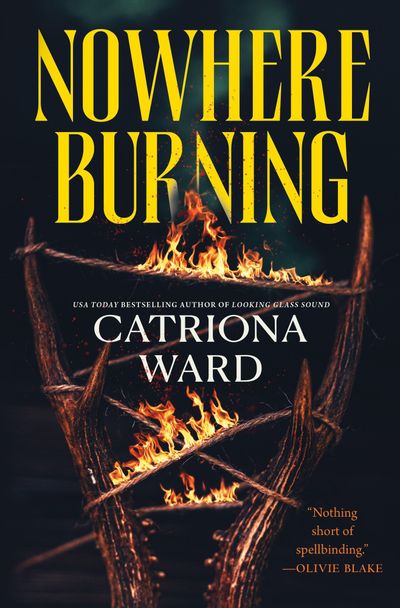
Nowhere Burning
Siblings flee to a burnt ranch commune in the Rockies where old fires still smolder.
2,232-word summary · 10 min read
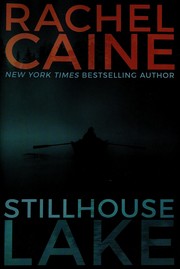
Stillhouse Lake
Acquitted wife of a serial killer becomes armed Gwen Proctor, but trolls and followers find her lake refuge.
2,086-word summary · 9 min read

The Sanatorium
A detective on leave joins her brother's engagement trip at a remote Alpine hotel, and a storm traps everyone inside with a killer.
2,346-word summary · 10 min read
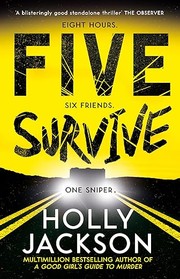
Five Survive
Six teens on spring break get a flat tire, a red dot sight, and one ultimatum in an RV.
2,867-word summary · 13 min read

The Wives
A woman who sees her husband only on Thursdays tracks down his other wives and learns her marriage is not what she believed.
2,454-word summary · 11 min read

Final Girls
A survivor of a cabin massacre tries to live normally until another Final Girl dies and a second one shows up at her door.
2,176-word summary · 10 min read
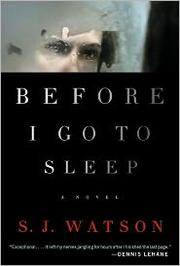
Before I Go to Sleep
Christine wakes each day with no memory, and her secret journal reveals her husband lies.
2,577-word summary · 11 min read

Into the Water
A drowning pool, eleven narrators, and sisters divided in Hawkins's murky second thriller.
2,598-word summary · 12 min read

The Paris Apartment
Jess finds her brother missing in Paris where every neighbor hides something.
2,040-word summary · 9 min read

Verity
Colleen Hoover's Verity explained: Lowen, injured Verity Crawford, the hidden autobiography, and the letter that flips everything.
2,593-word summary · 12 min read

The Silent Patient
Alex Michaelides's The Silent Patient retold: Alicia's silence, Theo's obsession, the Alcestis clue, and the final flip.
2,412-word summary · 11 min read
The Girl on the Train
Paula Hawkins's The Girl on the Train retold: Rachel's commute, Jess and Jason, Megan missing, and what really happened that night.
2,391-word summary · 11 min read

Gone Girl
Gillian Flynn's Gone Girl fully retold: Nick and Amy Dunne, the diary, Desi, the treasure hunt, and why the ending stays ugly.
2,334-word summary · 10 min read
The Death of Mrs. Westaway
Broke tarot reader Hal claims a Cornish inheritance and finds attic locks and lies.
3,313-word summary · 15 min read
The It Girl
Ten years after April murder at Oxford, new claims of innocence force pregnant Hannah to rethink friends.
2,015-word summary · 9 min read