

The Sanatorium
2,346-word summary 10 min read 400 pages in the book
- First published
- 2021
- Publisher
- Pamela Dorman Books
- Pages
- 400
- ISBN
- 9780593296677
- Series
- Detective Elin Warner (#1)
Reading options
What's inside (8 sections)
I bought The Sanatorium on the strength of the setting alone. A luxury hotel high in the Swiss Alps, built inside a converted sanatorium, cut off by a storm with a killer inside, that is the kind of pitch that gets me to the checkout before I have even read the back. Locked room mysteries are my comfort food, and a whole hotel as the locked room, with the snow doing the locking, sounded like exactly my thing on a grey weekend.
The setup delivers on that promise, though not at the speed I expected. Elin Warner is a detective, currently on leave from her job in England, and she has not taken the leave for rest. Her brother Isaac died, and Elin carries a knot of guilt about it that she has not untied and cannot put down. When her other brother Will invites her to a celebration at a remote Alpine hotel for his engagement to Laure, Elin goes mostly because staying home feels worse. She brings her grief with her like extra luggage, and the mountains do not care.
What follows is a snowbound murder mystery in the classic mold, updated with glass architecture and dead phone batteries. A woman is found dead. The storm seals the roads. The police can barely reach the place. Elin, who came here to avoid being a detective for a while, finds herself the only person in the building who knows how to ask the questions that need asking. The hotel used to be a sanatorium with an ugly history, and the past turns out to be closer than the brochures suggest.
A hotel above the clouds
Le Sommet perches high in the Swiss Alps, all glass and pine and vertigo, the kind of place where the staff carry your bag and the windows frame the peaks like paintings. It was built inside the shell of an old sanatorium, the kind of clinic where tuberculosis patients were sent a century ago to breathe thin air and hope. Pearse has fun with that contrast. The lobby glows with firelight and designer furniture while the bones of the building remember wards and operating rooms and the people who never walked out.
Elin arrives already frayed. She has not been sleeping well since Isaac died, and the circumstances of his death left her with questions she asks herself on rotation. Being on leave means she has no case to hide inside, no procedure to lean on, just her own thoughts in a hotel room with too good a view. Her relationship with Will is loving but strained by everything unsaid about Isaac. He wants this trip to be a fresh start, an engagement celebration with the people he loves most. Elin wants to get through it without breaking anything.
Will's fiancee Laure is the person Elin knows least and watches most. She is poised and polite and clearly under strain, the way people are when they are hosting a version of happiness for an audience. Little frictions show early. A sharp word at dinner. A smile that arrives late. Elin clocks all of it with a detective's eye she cannot switch off, then feels guilty for clocking it, since this is her brother's happy occasion and she is supposed to be celebrating.
The guest list fills out around them. There are friends of the couple, a handful of other hotel guests, and the staff who keep the machine running, from the manager down to the people who clear the paths and tend the fires. Pearse sketches them quickly, a habit here, a tension there, enough that you start your own private suspect list before anything has even happened. The altitude itself becomes a character. The air is thin, the drops are sheer, and the weather report carries a warning nobody quite believes.
Cracks in the engagement
Before the storm, the novel is really a family drama wearing a thriller's coat, and I found these early chapters slower than the marketing suggests. Elin drifts through drinks and dinners, noticing things, remembering Isaac, failing to relax. Will is eager for everyone to get along, with the particular eagerness of a man who senses they might not. Laure keeps herself composed, but her composure has visible seams, and Elin keeps catching glimpses of something worried underneath.
The Isaac wound shapes everything Elin does. Flashes of memory interrupt her days, the brother she lost, the guilt she cannot name plainly even to herself. She second guesses her instincts and then second guesses the second guessing. If you have ever grieved someone while trying to act normal at a family event, these chapters will feel painfully accurate. As thriller pacing, though, they meander. People arrive, unpack, eat, ski, chat. The sanatorium history gets teased in passing remarks and odd details, a corridor that feels wrong, a local who goes quiet when the old days come up.
What kept me reading through the slow stretch was the atmosphere Pearse builds out of small wrongnesses. A door that should be locked and is not. A staff member who seems rattled. The building's old bones showing through the renovation in ways that unsettle Elin without her knowing why. The hotel feels like a beautiful mask over something unhealed, and Elin, raw as she is, senses it before she has any reason to. Her detective brain keeps filing things away while her grieving brain tells her she is imagining it.
There are also the first hints that the past is not past. Guests mention the sanatorium days. Someone knows more than they say about what went on in the wards. Elin hears a story, then another, and the stories do not line up neatly. Tuberculosis clinics were places of long stays and strict routines, and this one apparently had its share of whispers, about treatments that crossed lines and patients who vanished from the records. Pearse doles this out in crumbs, which is effective even if you start wishing the crumbs would form a loaf.
The storm closes the road
Then the weather turns, and the book shifts into the gear you came for. Snow comes down hard and fast, the way it does at altitude when a system parks itself over the peaks. The road down the mountain becomes impassable. Power flickers. Phones and signals go patchy, then mostly gone. Le Sommet, which felt like a showcase that morning, starts to feel like a jar with the lid on. The staff stay professional, but you can see the calculations behind their eyes.
And then a woman is found dead. I will keep the particulars light, because the discovery lands better cold, but it is staged in a way that makes accident hard to swallow. There is a detail involving a mask that chills the scene beyond ordinary murder into something stranger, something that feels pointed at the hotel itself. Fear moves through the guests the way smoke moves through a building, finding every gap. People who were laughing together at dinner start watching each other over breakfast.
This is where Elin's leave officially ends, at least in her own head. She is the only trained investigator on site, and the local police, contacted through failing lines, can do little more than advise and promise to reach them when the mountain allows. The storm is both a gift to the mystery and the thing I had to forgive the book for. It arrives exactly on schedule, sealing everyone in at exactly the right moment, with the tidiness of a stagehand lowering a curtain. Convenient, yes. It still works, because isolation is the engine this whole genre runs on, and Pearse uses it well once it is in place.
What the old wards remember
With the hotel sealed, Elin's attention turns backward, into the sanatorium years, and the novel grows a second spine. The building was once a place where the sick were sent to be cured and where, if the whispers are true, some of them were used instead. Old records, older gossip, and the memories of people connected to the area point toward crimes buried under the renovation. Unethical treatments. Patients who never left. Money and reputation protecting whoever was responsible.
Pearse connects this history to the present with patience. Elin starts asking what the hotel owners knew, what was paved over, literally and otherwise, when the wards became suites. She learns that the conversion was not just architecture. It was a kind of forgetting, expensive finishes laid over rooms where people suffered. Someone in the present seems very interested in that forgetting, or very angry about it. The mask detail at the crime scene starts to read less like random menace and more like a message with roots in the building's past.
I liked this strand a lot, partly because medical history is inherently creepy and partly because it gives the mystery weight beyond the puzzle. A killer with a motive rooted in old injustice is more interesting than a killer who just snapped. That said, Pearse keeps some of this at arm's length. The historical crimes stay blurry, described in general terms rather than pinned down, which preserves the mood but left me wanting one solid, documented horror to hold onto instead of several suggestive shadows.
Family secrets braid into the old crimes as Elin digs. The engagement party brought these particular people to this particular hotel, and the more Elin learns about why, the less coincidental the gathering feels. Will and Laure have their own pressures and silences. Things Isaac knew, things the brothers shared and did not share, start surfacing in ways that make Elin's grief newly raw. The past is not just the building's. It belongs to her family too, and the investigation keeps stepping on bruises she came here to rest.
Elin starts asking questions
Cut off from backup, Elin begins working the case the only way she can, by talking to people. She interviews guests and staff, compares accounts, walks the hotel's corridors and service passages to learn how someone could move unseen. The local police remain a voice on a bad line, supportive but far away, which leaves Elin in the strange position of carrying authority she does not officially have. Some guests cooperate. Some close ranks. Everyone is scared, and scared people lie even when the truth would serve them better.
The suspect pool is generous, maybe too generous. Nearly every guest gets a chapter or a scene that deposits a fresh secret, a debt, an affair, a grudge, a reason to have wanted someone harmed. On one hand this is classic locked room fun, and Pearse plays fair with clues if you pay attention. On the other, the rotation of revelations starts to feel mechanical after a while. Just as you settle on a theory, another guest's hidden motive surfaces to knock it over. I guessed correctly in the end, then incorrectly, then correctly again, which I suppose is the genre working as intended.
Elin herself is uneven company in this stretch. Early on she is oddly passive for a detective protagonist, watching and worrying more than acting, and I found myself wishing she would take charge sooner. Grief explains it, and Pearse is honest about how loss hollows out competence, but honesty does not always equal momentum. The good news is that she sharpens as the bodies and the stakes mount. By the later interviews she is asking the hard follow up questions, catching the small contradictions, using her leave status as cover to get people talking. The detective was in there all along. She just needed the case to drag her back.
The middle of the book belongs to these interviews and to the hotel's geography. Pearse maps Le Sommet carefully, the suites, the old wings, the service routes, the drops and drifts outside, so that movements and alibis can be tested. Readers who like to solve along will appreciate the care. There is a stretch where the investigation circles, new information reframing old scenes, and the storm keeps everyone pressed together so tensions compound. It is the strongest part of the novel, patient and claustrophobic in the right measure.
The truth in the snow
I will not spell out the ending, since untangling it is the pleasure of the thing, but the resolution ties the two strands together. The killer is someone under the same roof, as the setup demands, and the motive reaches back into both the sanatorium's buried crimes and the private wounds of the engagement party. The final confrontation plays out against the storm at its worst, with the mountain itself as a hazard, and Elin has to act as a detective and as a sister at the same time, which costs her.
What lingers after the reveal is less the cleverness of the puzzle than what it does to the family. Will's celebration lies in ruins. Laure's composure finally cracks into something realer and sadder. Elin faces the Isaac guilt she carried up the mountain, not resolved so much as confronted, and the book is wise enough not to cure grief with a solved case. The hotel reopens to the world eventually. The snow melts. The building keeps its history whether the brochures mention it or not.
So where does that leave it? The Sanatorium is a strong debut with real flaws, and I say that as someone who stayed up past midnight to finish it. The opening is slow, full of scene setting that takes its time finding the story. The storm is a mighty convenient device, arriving with suspiciously perfect timing. Elin spends too long passive before she catches fire. And at four hundred pages, the book could have shed some guest backstory without losing anything. But the atmosphere is genuinely chilling, the sanatorium history adds weight most thrillers lack, and once the snow starts falling the pages turn themselves. If you like your mysteries snowed in and your hotels haunted by their pasts, pack for Le Sommet. Just check the weather first.
FAQ
Is The Sanatorium part of a series?
Yes. It is book 1 in the Detective Elin Warner series, first published in 2021 by Pamela Dorman Books.
Where is the book set?
Mostly at Le Sommet, a luxury hotel converted from an old sanatorium in the Swiss Alps, cut off from the world by a storm.
Who is Elin Warner?
She is a detective on leave after the death of her brother Isaac, visiting the hotel for her brother Will's engagement to Laure.
Similar books
More from Detective Elin Warner first, then related titles.

The Trespasser
A Dublin Murder Squad detective investigates a staged dinner-party killing and finds a cover-up that reaches into her own department.
2,051-word summary · 9 min read

Rules of Prey
Minneapolis detective Lucas Davenport hunts a killer who leaves a new rule at every scene and treats murder as a game of wits.
1,914-word summary · 9 min read

The Late Show
Exiled to the LAPD night shift after accusing her supervisor, Renée Ballard keeps two cases that were meant to be handed off at dawn: a brutal assault and a…
2,563-word summary · 11 min read

3rd Degree
The third Women's Murder Club novel follows a San Francisco terror cell and a three-day killing schedule, and it costs the club a member.
2,685-word summary · 12 min read

The Vanishing Stair
Stevie Bell returns to Ellingham Academy under a secret bargain, chasing the truth about a 1936 kidnapping while a new death makes the school feel smaller and…
2,026-word summary · 9 min read

The Redbreast
Harry Hole chases an ageing sniper through modern Oslo while two Norwegian volunteers on the Eastern Front carry a fifty-year-old betrayal toward a royal…
2,453-word summary · 11 min read

Broken Harbor
A family is found slaughtered in a half-built Dublin estate where no one broke in, and star detective Scorcher Kennedy must explain the holes in the walls.
2,308-word summary · 10 min read

Cruel & Unusual
Scarpetta links an execution to a boy's murder while someone steals bodies.
2,533-word summary · 11 min read

The Man in the Brown Suit
Anne Beddingfeld sees a Tube death in London and chases a paper clue to South Africa, diamonds, and the hidden Colonel.
2,292-word summary · 10 min read

2nd Chance
Lindsay Boxer and the Women's Murder Club hunt the Chimera killer after a church shooting in San Francisco.
2,572-word summary · 11 min read

The Bat
Oslo detective Harry Hole aids Sydney police after a young Norwegian woman is murdered and finds a wider pattern. Grief, drink, and a lost partner shape the…
2,766-word summary · 12 min read
Troubled Blood
Strike and Robin take a year long cold case: doctor Margot Bamborough vanished in 1974, with a nurse hiding more.
2,211-word summary · 10 min read

Holly
Grieving detective Holly Gibney takes a missing-girl case in 2021 and traces it to two polite retired professors with a basement secret.
2,607-word summary · 12 min read

Faithful Place
Undercover Frank Mackey returns to Faithful Place when lost love Rosie suitcase is found.
2,161-word summary · 10 min read
End of Watch
A dying Bill Hodges and Holly Gibney face Brady Hartsfield again, as rigged game consoles push hurt teens toward suicide.
2,923-word summary · 13 min read

Finders Keepers
A boy finds a murdered writer's notebooks while the killer leaves prison hunting them and Hodges closes in.
2,157-word summary · 10 min read

The Likeness
A detective poses as her murdered double and moves in with four graduate students to find the killer.
2,751-word summary · 12 min read

One by One
Shareholders snowed into a French chalet for a buyout vote start dying, and two outsiders piece together the truth.
2,173-word summary · 10 min read
Career of Evil
A severed leg delivered to Robin forces Strike to face four men from his past as a London killer stalks, testing the agency and her wedding plans ahead.
2,887-word summary · 13 min read
The Silkworm
A missing novelist and a cruel manuscript pull Strike and Robin into London publishing.
3,583-word summary · 16 min read

Mr. Mercedes
Retired Hodges hunts Mercedes killer Brady Hartsfield concert plot.
2,281-word summary · 10 min read

Kiss the Girls
Cross hunts Casanova kidnapping women including niece Naomi.
2,397-word summary · 11 min read

1st to Die
Lindsay, Claire, Cindy and Jill hunt a honeymoon killer terrorizing San Francisco.
2,536-word summary · 11 min read

In the Woods
A detective investigates a girl's murder in the woods where his own friends vanished twenty years earlier.
2,773-word summary · 12 min read

Along Came a Spider
Detective Alex Cross hunts Gary Soneji after two children vanish from a Washington school and a Lindbergh echo grows.
2,523-word summary · 11 min read

The Paris Apartment
Jess finds her brother missing in Paris where every neighbor hides something.
2,040-word summary · 9 min read
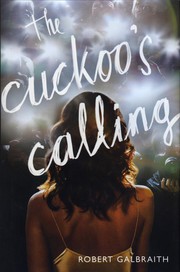
The Cuckoo's Calling
Broke detective Strike and temp Robin investigate a supermodel's fatal fall in London.
2,006-word summary · 9 min read

The Woman in Cabin 10
Journalist Lo sees a body thrown from a luxury cabin, then learns no passenger is missing.
2,002-word summary · 9 min read
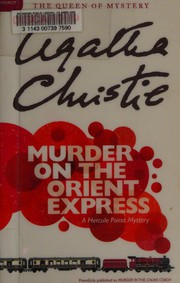
Murder on the Orient Express
Poirot is trapped by snow with thirteen strangers after an American is found stabbed in his berth.
2,004-word summary · 9 min read

What She Knew
Rachel lets her eight-year-old son run ahead in a Bristol park, and the nine-day search turns her into a suspect in the public eye.
2,952-word summary · 13 min read