

Done and Dusted
2,274-word summary 10 min read 368 pages in the book
- First published
- 2023
- Publisher
- Dial Press
- Pages
- 368
- ISBN
- 9780593732427
- Series
- Rebel Blue Ranch (#1)
Reading options
What's inside (8 sections)
I picked up Done and Dusted because cowboy romance kept showing up in my feed and I wanted to know if the hype had any weight. Lyla Sage published it in 2023 with Dial Press, and my reading follows the 368 page paperback. It is the first book in the Rebel Blue Ranch series. Clementine Emmy Ryder, a professional barrel racer sidelined by injury, comes home to Meadowlark, Wyoming and falls for Luke Brooks, her older brother's best friend and the town bar owner. It is a small town western romance with a slow burn and open door spice, cozy more than sweeping.
Emmy arrives in Meadowlark with her life in boxes. For years she measured herself by lists. Leave town. Go to college. Ride horses for a living. She did all of it. Then a bad fall in the arena took riding away, at least for a while, and the structure she built around training schedules and travel collapsed. Coming home was not the plan. It felt like failure dressed as rest. Sage writes that part well, the particular shame of moving back into a room you worked hard to leave, smiling at people who love you while wondering if they can see how lost you feel.
Her injury is not described as one clean break with a tidy recovery date. It is the kind of damage that lingers in confidence as much as in the body. Doctors clear her in stages. Her own nerve does not. Anyone who has ridden or played a sport after getting hurt will recognize the gap between being allowed to do something and trusting yourself to do it. Emmy fills that gap with odd jobs around the ranch, with helping family, with avoiding the barn more than she admits. The book never pretends this is a medical drama. It keeps the focus on identity. If you are not the girl who rides, who are you in a town that always knew you as exactly that.
Meadowlark itself gets drawn in quick strokes that still land. A main street you can walk end to end. A bar that functions as living room. A ranch that needs constant labor. Neighbors who notice your truck before you park it. Sage grew up around this kind of place in the way she writes it, or studied it closely, because the details feel lived in. Dust on boots. Cold mornings. Horses fed before people eat. Gossip that travels faster than cell service. If you like small towns as comfort settings rather than traps, this one will feel like a blanket.
Luke Brooks and the oldest rule
Luke Brooks is the reason the book exists. Bar owner, confirmed bachelor by reputation, unofficial fifth Ryder sibling, and the boy who spent his teens teasing Emmy mercilessly. He is also her brother Weston's best friend, which puts him squarely in off limits territory. The brother's best friend setup is one of romance's most worn paths, and Sage does not try to reinvent it. She leans into it. He watched her grow up. She remembers him as the annoying older boy at the table. Now she walks into his bar after years away and both of them have to deal with the fact that the old categories no longer fit.
What makes Luke work is that he is steady underneath the teasing. He runs a business. He shows up for the Ryder family. He remembers how Emmy takes her coffee and also when to leave her alone. His reputation as Meadowlark's bad boy turns out to be mostly talk and old stories. Women flirt with him. He deflects most of it. The book gives him a past with enough rough edges to explain why he keeps people at arm's length, but it never turns him into a project Emmy has to fix. He is already a functioning adult. That choice keeps the romance on equal footing. Two people with baggage, not one rescue mission.
Their early scenes run on banter. He calls her by nicknames she pretends to hate. She fires back. Regulars at the bar watch like it is a sport. Underneath, both are careful. Emmy tells herself she is too unsettled for anything new. Luke tells himself Weston would kill him, and that Emmy deserves someone without his history. Neither belief survives contact for long, but Sage stretches the denial enough to earn the slow burn label. Glances held too long. Hands brushing over beer glasses. A ride home that feels charged. If you need constant plot motion, this stretch may test you. If you enjoy tension built from proximity, it delivers.
The Ryder family table
The best parts of the book happen around the Ryder table. Weston, Emmy's older brother and Luke's best friend, anchors that dynamic. He loves his sister fiercely and trusts Luke completely, which is exactly why the romance has to stay quiet at first. Teddy, the younger sister, brings sharp humor and a different kind of ambition. Gus, the youngest brother, adds warmth and chaos. Their father looms as the ranch patriarch who taught them work ethic and stubbornness in equal measure. Meals are loud. Chores get assigned. Feelings get deflected with jokes until they cannot be.
Weston deserves attention because brother's best friend books live or die on whether the brother feels real. He does here. He is protective without being controlling, at least most of the time. He noticed Emmy pulling away after the accident. He worries in the way older brothers do, by fixing fences near her and asking casual questions with studied indifference. His friendship with Luke reads as genuine history, not a device. They grew up together. They work cattle together. They drink together. That depth is why Luke's guilt about wanting Emmy feels earned rather than performative. Betraying that bond would cost something.
Teddy and Gus prevent the ranch from feeling like a backdrop. Teddy has her own edges and her own book later in the series, and Sage plants seeds without hijacking this story. Gus is younger, funny, openly soft in ways his siblings are not. Scenes of all four Ryder kids plus Luke crammed into a kitchen, arguing about music and stealing food, give the book its coziest texture. Emmy spent years away trying to become someone else. Sitting back at that table forces her to see what she missed and what she outgrew. Both truths can sit side by side.
Slow burn, small town, open door
Sage labels this a slow burn and she means it. Emmy and Luke circle each other for a large part of the book. There are reasons beyond the trope. She is injured and uncertain. He is loyal to Weston. Meadowlark is small enough that a wrong step becomes everyone's business by morning. So they build something in plain sight that looks like friendship. Helping at the bar during rushes. Feeding horses together. Late talks on porches when the air goes cold. The attraction stays present but unacted on, which makes small moments carry weight. A hand on the small of a back while passing through a crowd. Standing too close in a barn aisle.
When the physical relationship starts, the book shifts into open door territory and does not apologize for it. This is an adult romance with explicit scenes, roughly in the last third, written in a warm and enthusiastic style rather than a clinical one. Consent gets checked. Laughter shows up in bed, which I appreciated. These are two people who like each other, not just two bodies. Readers who prefer closed door or fade to black should know what they are getting. Readers who want spice with emotional continuity will find it. The scenes connect to the larger arc about Emmy trusting her body again, though the book does not oversell that parallel.
Pacing outside the romance stays gentle. There is no villain, no external threat to the ranch, no mystery to solve. Days pass in work and bar shifts and family dinners. A local event brings people together. A horse needs attention. A conversation started weeks ago finally finishes. That rhythm is the point for many readers and the problem for others. I settled into it about a third of the way through, once I stopped waiting for a twist. This is a book about two people falling in love while a young woman figures out her next chapter. It does not pretend to be more.
Horses and getting the spark back
Horses matter here beyond set dressing, though readers wanting deep equestrian detail should adjust expectations. Emmy is a barrel racer, a timed rodeo event built on speed and tight turns around barrels, and Sage includes enough specifics to make her career feel real. Travel circuits. Entry fees. The physical toll. The particular bond with a horse you compete on. After the accident, Emmy avoids getting back on. Fear sits beside pain. She can explain biomechanics to anyone who asks while quietly dreading the saddle.
Her path back is gradual and tied to ranch labor rather than a dramatic comeback ride. She grooms. She walks horses out. She helps with training from the ground. Luke, who rides but does not compete, gives her space without pushing inspiration speeches. That restraint felt honest. Recovery from sports injury often looks boring from outside. Small repetitions. Good days followed by sore days. Confidence returning in flashes. Sage captures that without turning it into a medical manual. The horses function as barometers. Watch how Emmy acts around them and you know where she stands with herself.
Work on Rebel Blue Ranch fills the middle of the book with satisfying physicality. Fences to mend. Stalls to muck. Early mornings. The siblings divide labor with the ease of people who learned it as kids. Emmy slots back in, stronger some days than others, and the competence helps. She may not know her five year plan, but she can calm a nervous gelding and fix a latch and cook for six without a recipe. Those concrete skills rebuild self trust faster than advice. By the time she considers competing again, the question is not whether her body can do it. It is whether she still wants the life around it.
What is thin and what is cozy
Fair criticism first. The plot is thin. If you strip out banter, chores, bar shifts, and family meals, the sequence of events fits on a small card. Injured rider returns home. Falls for forbidden boy. Hides it from brother. Gets found out. Faces choice about future. Resolves. No subplot surprises. No real antagonist. Weston objects when he learns the truth, as he must, but the conflict resolves quickly and kindly. Readers who want twists, high stakes, or complex external pressure will find this slight. I finished it in two sittings partly because nothing demanded I stop and think hard.
The book also leans on familiar beats. Teasing as flirting. Jealousy at the bar. A confrontation in the rain or near it. A grand gesture that involves showing up and saying the thing plainly. Sage executes them with charm, but she does not subvert them. Dialogue sometimes repeats the same joke structure. Luke is hot and gruff and soft. Emmy is stubborn and lost and brave. Those adjectives get worked hard. If you read a lot of contemporary western romance, you will see the shape coming. Whether that bothers you depends on why you read romance. Comfort rereads use these shapes on purpose.
But cozy is not the same as empty, and this is where the book earns its audience. The Ryder family feels specific. Luke's bar feels like a real third place. Meadowlark feels pleasant to spend time in. Sage writes physical affection with warmth and care. Emmy's arc about identity after injury lands even inside a light plot because the emotions are recognizable. Who am I if the thing I built myself around goes away. How do you let family help without sliding back into childhood roles. How do you trust attraction when your life is unstable. Those questions get real answers, just in a low angst register.
Spice level deserves a clear note. This is explicit, enthusiastic, adult content with multiple scenes. It suits readers who want heat integrated into a sweet story. It does not suit younger readers or those avoiding open door romance. The book sits firmly in new adult and adult contemporary romance. There is no cliffhanger. The ending closes Emmy and Luke's story while leaving room for Teddy, Gus, and Weston down the line. Series readers get a complete couple plus a town worth returning to.
Who should saddle up
Give Done and Dusted to readers who want a warm cowboy romance without heavy drama, to fans of brother's best friend and small town setups, to anyone craving horses and ranch life with banter and heat. It suits a weekend read, a palate cleanser between heavier books, or an entry into western romance without grit. Pair it with the next Rebel Blue Ranch books if the siblings hook you, since Teddy and the others get their turns.
Skip it if you need intricate plotting, high stakes, or novelty in every chapter. At 368 pages it moves fast despite the slow burn label, because scenes are short and dialogue carries them. I closed it liking Emmy more than when I started, believing Luke's steadiness, and wanting one more dinner at that crowded Ryder table. For a series opener built on comfort, that is enough. Sometimes done and dusted just means you finally stop running and let yourself stay.
FAQ
When was Done and Dusted published?
Lyla Sage published it in 2023 with Dial Press. The paperback runs 368 pages and the ISBN is 9780593732427.
Is Done and Dusted part of a series?
Yes, it is book one of Rebel Blue Ranch. Emmy and Luke's story closes here while Teddy, Gus, and Weston continue the series.
Is Done and Dusted explicit?
It is adult contemporary western romance with open door scenes. Readers wanting closed door or young adult should pick a different title.
Similar books
More from Rebel Blue Ranch first, then related titles.
The Unmaking of June Farrow
A woman in a North Carolina flower-farming family walks through a red door into 1951, where she must solve her mother's disappearance and decide whether to…
2,701-word summary · 12 min read
The Bookshop on the Corner
A Birmingham librarian loses her job, buys a van, and moves to the Scottish Highlands to run a mobile bookshop. Warm and bookish, with uneven pacing.
2,557-word summary · 11 min read

Act Your Age, Eve Brown
Eve Brown crashes into a Lake District bed and breakfast, breaks the owner's arm, and talks her way into his kitchen. A grumpy-sunshine romance about work,…
2,474-word summary · 11 min read

Indigo Ridge
A new police chief in a Montana town meets the founding family's eldest son in a bar, and one night later a body turns up under their cliff.
2,763-word summary · 12 min read

At First Sight
Jeremy and Lexie are married and expecting a baby when anonymous emails tell him the child may not be his.
2,317-word summary · 10 min read
True Believer
Jeremy Marsh, a science journalist who debunks paranormal claims, comes to a small North Carolina town and falls for a librarian who believes in things he…
2,125-word summary · 9 min read

Say You're Sorry
A widowed prosecutor defends the teenager accused of killing her babysitter, uncovering a small town's secrets and a killer hiding in plain sight.
2,116-word summary · 9 min read

Juniper Hill
Fleeing New York with her baby, Memphis takes a housekeeping job above Knox Eden's garage, and the grumpy chef becomes the first person she can rely on.
2,021-word summary · 9 min read

Delilah Green Doesn't Care
Delilah returns to Bright Falls to photograph her stepsister's wedding and falls for Claire, a bookstore owner and single mother, while a cruel bet threatens…
2,315-word summary · 10 min read
The Bridges of Madison County
A four-day affair between an Iowa farm wife and a photographer asks what a brief happiness is worth against family duty.
2,487-word summary · 11 min read

Anne of Windy Poplars
Anne spends three letter-filled years as principal of Summerside High, outlasts the Pringle clan, and warms a lonely vice-principal and a dreaming little girl…
2,599-word summary · 12 min read
Garden Spells
Two sisters reunite in their family home in Bascom, North Carolina, where an apple tree shows anyone who eats from it the biggest event of their life.
2,030-word summary · 9 min read
Every Breath
Two strangers share one week at Sunset Beach in 1990, part for duty, and reunite decades later at the mailbox that started it all.
2,357-word summary · 10 min read
The Finish Line
Tobias King seeks forgiveness from Cecelia as the Ravenhood past closes in.
2,868-word summary · 13 min read

Lovelight Farms
Stella fakes dating Luka to save her Christmas tree farm.
2,584-word summary · 11 min read
Never Too Far
Blaire flees Rosemary Beach after Rush's lies, then must decide if his pursuit and Nan's exposed schemes earn trust again.
2,626-word summary · 12 min read
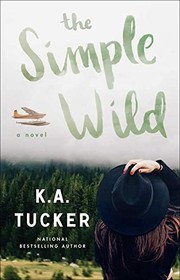
The Simple Wild
City Calla flies to Alaska to face dying father and gruff pilot Jonah, learning bush life and love.
2,284-word summary · 10 min read
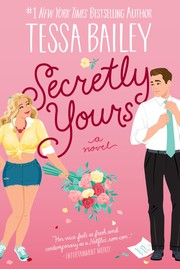
Secretly Yours
A bubbly Napa gardener sends anonymous love letters to her grumpy professor neighbor in this steamy small-town rom-com.
2,504-word summary · 11 min read
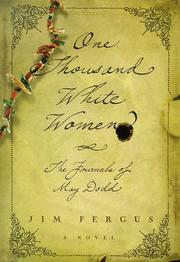
One Thousand White Women: The Journals of May Dodd
May Dodd journals joining Cheyenne as a bride in an 1875 government swap, learning prairie life and loss.
2,036-word summary · 9 min read
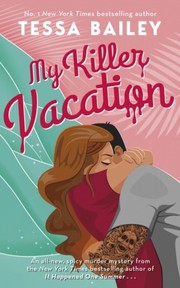
My Killer Vacation
A teacher and a bounty hunter share a Cape Cod rental with a corpse and a growing attraction.
2,625-word summary · 12 min read
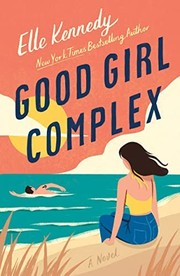
Good Girl Complex
A people-pleasing college girl moves to beach town Avalon Bay and falls for a local boy who distrusts her whole world.
2,225-word summary · 10 min read
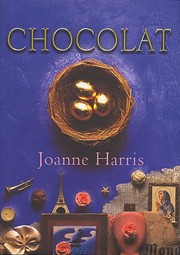
Chocolat
A single mother opens a chocolate shop opposite the church during Lent, and a divided French village must choose between pleasure and piety.
2,272-word summary · 10 min read
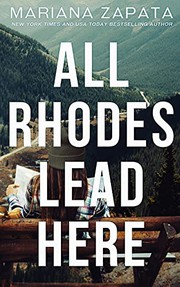
All Rhodes Lead Here
Grieving Aurora moves to Colorado to fix a farmhouse, finding slow healing with her gruff older neighbor Tobias Rhodes.
2,249-word summary · 10 min read
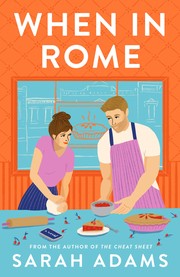
When in Rome
A burnt-out pop star hides out in small-town Kentucky and falls for the grumpy pie-shop owner hiding her.
2,495-word summary · 11 min read
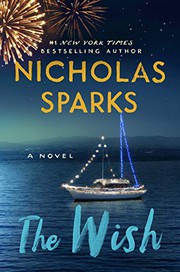
The Wish
A dying photographer recalls 1996 Ocracoke first love and an adoption choice.
2,176-word summary · 10 min read
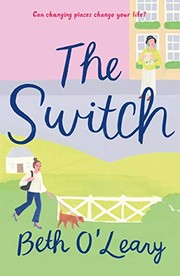
The Switch
A burned-out consultant and her 79-year-old grandmother swap London and Yorkshire homes for two months, facing grief, dating apps, and village politics.
2,782-word summary · 12 min read
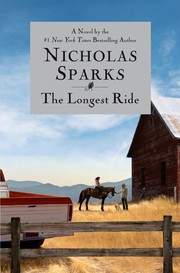
The Longest Ride
A stranded widower relives his marriage while a Wake Forest student and a bull rider test new love in North Carolina.
2,488-word summary · 11 min read
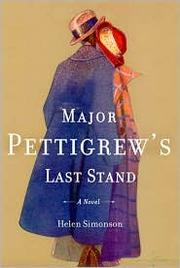
Major Pettigrew's Last Stand
A 68-year-old widower and a Pakistani shopkeeper widow fall for each other in a Sussex village that watches their every step.
2,957-word summary · 13 min read

Exodus
Cecelia grieves Sean while Dominic pulls her into the Ravenhood reckoning.
2,463-word summary · 11 min read
Evvie Drake Starts Over
A widow hiding a painful secret rents her back apartment to a pitcher who lost his throw, and they slowly learn to start again.
2,584-word summary · 11 min read