
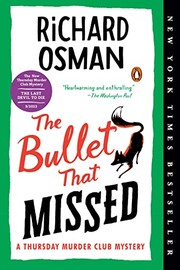
The Bullet That Missed
3,022-word summary 13 min read 384 pages in the book
- First published
- 2022
- Publisher
- Viking
- Pages
- 384
- ISBN
- 9780593299418
- Series
- Thursday Murder Club (#3)
Reading options
What's inside (8 sections)
I read The Bullet That Missed right after the first two Thursday Murder Club books because I wanted to stay with the gang a little longer. This one came out in 2022 from Viking, 384 pages in the edition I cite. The ISBN I cite for the cover is 9780593299418. It is the third book in the Thursday Murder Club series, after The Thursday Murder Club and The Man Who Died Twice, and before The Last Devil to Die. In short, it is a cozy crime story about four retirees, a ten year old cold case with no body, and a new threat that forces Elizabeth to choose between old loyalties and her friends.
Coopers Chase is back, that neat retirement village in Kent with lawns, a restaurant, flats with names, and a notice board full of clubs. People move there for safety and company, to keep independence without keeping a big house. Osman writes it with affection and without mocking old age. Staff are stretched but kind. Residents gossip, nap, grieve, fall in love, worry about money, and watch each other closely. That watching is the point. In a place where everyone notices who visits whom and who eats alone, four observant friends can learn things police miss.
The four are Elizabeth Best, Joyce Meadowcroft, Ibrahim Arif, and Ron Ritchie. Elizabeth is the calm leader in her late seventies, once involved in intelligence work, still connected, still able to get a meeting with one call. Joyce is a former nurse, widowed, warm, chatty, and sharper than her cake talk suggests. She writes a diary that records cases in her own voice, full of domestic detail that turns out to matter. Ibrahim is a former psychiatrist, precise, gentle, fond of order and tea. Ron is a former union man, loud, loyal, rude to authority, soft with his son Jason and with friends. They meet on Thursdays in the Jigsaw Room to review old files. This time the file becomes live, and live becomes dangerous.
Police are back too. Donna De Freitas is the young constable doing much of the real work, patient with witnesses, ambitious, caring for her mother, learning when to follow rules and when to bend them. Chris Hudson is the detective inspector, funny, tired, fond of food, good at murder cases but worn by staffing and politics. They have learned to respect the club without fully admitting it. The club has learned to share just enough to keep police help without giving up independence. Around them are helpers old and new. Builder Bogdan Jankowski, kind and strong, fixer of practical problems. Drug dealer turned uneasy ally Connie Johnson. A television presenter, a money specialist, and a former KGB colonel drift in as the cold case widens. The cast is large, but the core stays tight.
A Thursday like any other
The opening feels deliberately ordinary, which is a trick Osman likes.
We get Thursday meeting rhythms. Tea, biscuits, bickering. Ibrahim wants method. Ron wants action. Joyce wants to be sure everyone has eaten. Elizabeth guides without seeming to guide. They pull out a cold case file because cold cases are their hobby. This one concerns Bethany Waites, a young local television journalist who vanished about ten years ago while looking into a large fraud. No body was found. No clear scene. Just a missing woman, a stalled inquiry, rumors of money moved through local firms, and a family still waiting for answers.
Joyce writes about it in her diary voice, which keeps early chapters light. She notes who brings cake, who forgets glasses, who pretends to understand finance. Through her we learn the shape of the puzzle. Bethany was ambitious and liked. She asked questions about invoices and accounts. She interviewed local businessmen who smiled for cameras and lied after. She told a friend she was close to something big. Then she was gone. Police at the time treated it as a possible runaway or accident. The club does not buy that, because Joyce remembers how young women in caring jobs notice danger and tell someone, and Bethany told someone she was scared.
The strength of this setup is how it uses age as an asset. Elizabeth knows how files were kept a decade ago. Ibrahim understands how memory fails and how to interview without leading. Ron knows how building sites and local firms worked back then. Joyce knows how to get people to talk over tea. They visit old addresses, ask about long closed offices, track who owned what company when. Donna helps by checking what records still exist. Chris warns them not to interfere and then asks what they found, which has become their ritual.
If you are new to the series, this section orients you fast. Coopers Chase rules, Jigsaw Room habits, police dynamics, all sketched without long recaps. If you read books one and two, it feels like returning to friends. My only grouse is that the fraud background arrives in chunks with many names. Companies, accounts, directors blur for a while. Osman keeps it light with jokes, but readers who want a clean early hook may find the first fifty pages busy rather than gripping.
The cold case with no body
Bethany Waites is the heart of the book, even though she never appears alive on page.
What the club pieces together is this. About ten years before the main story, Bethany was reporting on local money flows. Not grand city crime, but regional fraud with real victims. Small firms overcharged, invoices padded, cash moved to hide losses. She found a pattern and named it to the wrong person or to the right person too early. She disappeared before she could broadcast. Because there was no body, the case stayed cold in a filing sense and hot in a human sense. Her family aged without answers. Colleagues moved on but remembered. One or two local men did very well soon after, which the club notes without assuming guilt.
The club works it like retirees with time. They re read old news clips. They ask who Bethany interviewed last. They find a cameraman, a producer, a friend from those days. They learn she kept notebooks, the kind diligent reporters keep, and that at least one notebook never surfaced. They ask where she liked to walk, where she parked, who gave her lifts. Small movements matter more than big theories when there is no scene to process.
Joyce shines here. She befriends people others dismiss. An older receptionist, a retired secretary, a widow who kept programs from charity events. Over tea Joyce learns who sat next to whom at dinners, who paid for tables, who bragged about property. Ibrahim adds structure, making timelines of Bethany's last week. Ron pushes, knocking on doors Chris would need a reason to knock on. Elizabeth connects, calling old contacts who remember how fraud inquiries were buried back then.
Bogdan helps with practical footwork. He drives, carries, waits outside houses without complaint. Connie Johnson helps in a different way, explaining how money gets cleaned through ordinary businesses. A television contact explains what footage was kept and what was wiped. A money specialist explains how a multimillion pound scheme can hide in plain spreadsheets. An ex colonel with his own reasons to dislike certain men adds muscle and dry humor. None of this is high tech. It is talk, memory, paper, and patience.
What I appreciated is that Bethany is treated as a person, not a puzzle piece. Joyce in particular refuses to reduce her to a victim. She asks what Bethany liked, what she wanted, what she feared. That care gives the middle weight. The fraud matters because it killed a young woman with plans, not because the sum is large.
The fair criticism is that the fraud never gets fully simple. Even when the shape is clear, the details stay foggy by design. If you like to solve along with exact ledgers, you may feel kept at arm's length. Osman cares more about who used the fraud and who protected it than about accounting mechanics. I made peace with that, but I did flip back to keep names straight.
Elizabeth must kill or be killed
While the cold case warms, Elizabeth gets a visit that changes the tone.
An old foe from her working years appears with an order. Elizabeth must kill a man, or she and people she loves will face harm. The threat is specific and credible. This is not a puzzle. It is pressure applied by someone who knows how Elizabeth works and where she lives. Suddenly the woman who always has a plan must hide a gun, watch her husband Stephen with extra tenderness, and decide what her friends can be told without putting them in danger.
Stephen's situation raises the stakes. He lives with dementia, gentle and fading, loved by Elizabeth with steady devotion. She visits him, holds his hand, talks about ordinary days. The thought of danger reaching him, or Joyce, Ibrahim, Ron, Donna, Chris, is unbearable to her. She has spent a life protecting assets and cleaning problems. Now the problem is at her door in a retirement village where people leave doors unlocked for neighbors.
Elizabeth wrestles with conscience while a real gun sits in her life now. She considers, plans, delays. She checks the target, looks for another way, asks old contacts for exits that do not exist. She does not tell the club at first because telling would make them targets or witnesses. She tells them pieces, enough to keep them careful, not enough to explain her distraction. Joyce notices anyway, because Joyce always notices when Elizabeth goes too quiet. Ibrahim notices because her routine slips. Ron notices because Elizabeth stops arguing with him, which worries him more than shouting would.
This thread gives the book its moral center. The series has always asked how far decent people go to protect home. Here the question is personal. Elizabeth has killed before in service of country, or so her past implies without detail. She lives with that. Must she do it again for private threat. What separates duty from murder when orders come from criminals. Osman does not turn this into lectures. He shows Elizabeth making tea, visiting Stephen, sitting with Joyce, all while carrying a choice she cannot share. Calm manners cover hard thinking, and that contrast is where the tension lives.
I found this the strongest part and also the most stressful. Readers who come for light cakes and jokes may find the threat darker than expected. It never gets graphic, but the fear is real. If cozy for you means no guns and no dread, know this book pushes that line before stepping back.
Chasing clues from spa to prison
With Elizabeth distracted, Joyce, Ron, and Ibrahim chase the Bethany case with help from Donna and Chris, and the settings widen in comic ways.
There is an upmarket spa where rich suspects relax and talk too freely. Joyce fits right in with robe and gossip, coaxing details about who knew whom and who paid for what. There is a prison cell complete with an espresso machine where Connie holds court, trading information for small favors and respect. There is a luxury penthouse high above the town where money looks clean because the view is beautiful. Osman enjoys moving his pensioners through places built for younger, richer people and letting them steal scenes by being polite and relentless.
Ron gets good material here. He understands workplaces, who actually moves boxes and who signs papers. He talks to drivers, cleaners, site staff. He gets angry at men who used young staff as cover. His son Jason worries about him, which adds family warmth. Ibrahim gets quiet hero moments. He interviews with care, never rushes a nervous witness, writes clear notes, spots when a story changes by one small word. Joyce is the star interviewer. She asks about food, family, health, then slips in the question that matters. People tell her things because she listens like a nurse, which she was.
Donna and Chris balance them. Donna does the official checks that turn club hunches into evidence. Phone records, work histories, file requests. She also protects the club by warning them when they near lines they should not cross. Chris manages bosses, budgets, and journalists sniffing for headlines. He jokes to cope, then focuses when it counts. A new local journalist in the story wants a juicy headline about Coopers Chase, which forces Chris to guard both the inquiry and the village reputation. That media thread felt current without taking over.
The new helpers add color. A television personality helps access old tapes. A money specialist translates fraud talk into plain steps. A former colonel provides watchfulness and comic bluntness. Bogdan drives through nights, waits in car parks, carries bags of files. None overshadow the four. They orbit, useful and funny, then step back for the core to decide.
Pacing in this middle is busy. Short chapters jump between spa, prison, village, police station. I liked the energy, but I sometimes wanted longer stays in one place to let clues settle. Osman prefers momentum and jokes to slow sifting. The tradeoff works if you read fast and forgive name blur. If you map every clue, you will flip pages back. I did, twice, and did not mind much because Joyce's diary entries kept me oriented.
What the answers cost
Without spoiling names, the two threads join in a way that feels earned.
The fraud behind Bethany's disappearance connects to men who still live comfortably nearby. They did not act alone then and they do not act alone now. The foe pressing Elizabeth is tied to that same world of favors and threats. Saving Elizabeth and naming Bethany's killer become one job, not two. The club must find proof that police can use, rather than truth they only believe over tea. That means documents, witnesses willing to speak on record, and a chain that links old money moves to a missing young woman.
The resolution leans on cooperation rather than heroics. Elizabeth finds a way to refuse murder without abandoning her friends. Joyce finds the human detail that loosens a witness. Ibrahim finds the inconsistency that breaks an alibi of memory. Ron finds the worker who saw the van, the box, the door left open. Donna turns those into arrests that will hold. Chris takes responsibility in front of bosses. No one storms a compound alone. The win belongs to patience, manners, and people who refuse to forget.
There is action near the end, including a monitored exchange and a second crew that turns a controlled plan messy. Osman stages it clearly without gore. Fear comes from who is in the room, not from descriptions of harm. After, there are hospital waits, cups of tea gone cold, phone calls to family. The book allows relief to arrive slowly. Stephen is safe. Coopers Chase settles. The Thursday meeting resumes, because routine is how these friends heal.
Justice here is cozy in method but serious in effect. The guilty face courts, not private revenge. Bethany is named and mourned. Her family gets answers, not closure as a slogan but facts they can carry. Elizabeth's refusal matters because it shows even skilled people can choose limits. The club does not celebrate loudly. They eat cake, update Joyce's diary, tease Ron about his blood pressure, and plan next Thursday. That quiet ending suited them.
My reservation is that the final link relies on a few conversations that happen quickly after long buildup. Witnesses decide to talk in scenes that feel a touch fast. Given ten years of silence, I wanted one more beat of hesitation before truth spilled. Still, the emotional logic holds. People talk now because someone they trust finally asks in the right way, and because Elizabeth's danger makes delay feel shameful.
Warmth, jokes, and fair complaints
The pleasures are the series pleasures. Four distinct voices that never blur. Joyce's diary, funny and kind, still the best device. Ibrahim's gentleness. Ron's bluster with a soft center. Elizabeth's steel with love underneath. Donna and Chris growing into capable partners rather than foils. Bogdan's decency. Villagers who feel like neighbors rather than suspects on sticks. Osman writes old age as full life, with pills and naps and grief alongside humor, work, and desire. That respect is why the books sell and why readers return.
Humor is constant. Much lands. Joyce on spa etiquette, Ron on modern jargon, Chris on diets, Ibrahim on rules for tea, all made me smile. But at times jokes crowd tension. A fraud reveal followed by a long riff on biscuits. A threat scene softened by dating app chat. I laughed, then wished the dread had been allowed to sit a minute longer. Readers who love light tone will not mind. Readers who want the cold case to ache may find the balance too sunny.
Cast size is the other issue. Between spa staff, television people, money men, prison contacts, journalists, lawyers, and village extras, names blur. Osman helps with short chapters and clear voices, but I kept a mental list. Related to that, police procedure is loose. Files shared, amateurs at scenes, warnings ignored. If strict realism matters to you, this will annoy. If you accept cozy rules where persistence plus kindness plus one good constable beats procedure, it flows.
Where does it sit in the series. Stronger than book two on feeling, slightly messier on plot. Book one had the shock of discovery. Book two had diamonds and spies with clean momentum. Book three has more heart and more threads. I closed it fond of Coopers Chase and worried for Elizabeth in a way I had not expected. Published in 2022 by Viking as the third Thursday Murder Club mystery, 384 pages in the paperback edition I cite, it shows a series willing to test its leader without breaking its promise. Attention is care, cold cases are not cold to those who loved the dead, and Thursday still means friends who show up.
FAQ
Is it part of a series?
Yes, it is book three in the Thursday Murder Club series, after The Thursday Murder Club (2020) and The Man Who Died Twice (2021).
When was The Bullet That Missed published?
Viking published it in 2022. The edition cited here runs 384 pages with ISBN 9780593299418.
Who are the main characters?
Elizabeth Best, Joyce Meadowcroft, Ibrahim Arif and Ron Ritchie, with police officers Donna De Freitas and Chris Hudson.
Similar books
More from Thursday Murder Club first, then related titles.
The Thursday Murder Club
Four residents of Coopers Chase meet weekly to solve cold cases until developer Tony Curran is murdered and the Thursday Murder Club must work with police…
2,739-word summary · 12 min read
The Man Who Died Twice
The Thursday club chases missing diamonds as an old spy friend dies and professionals close in.
2,027-word summary · 9 min read
The Last Devil to Die
The club hunts an antiques murder while Elizabeth faces Stephens decline.
1,917-word summary · 9 min read
The Maid
Hotel maid Molly Gray finds a dead guest and must use her eye for detail to clear herself.
2,031-word summary · 9 min read

Heist Society
A teenage art thief gets expelled from boarding school, then has two weeks to steal five paintings back from a London museum and clear her father.
2,781-word summary · 12 min read
A Rule Against Murder
Gamache's anniversary at a remote lodge turns into a closed-circle murder when the family statue kills Julia, and everyone at the Manoir had a reason.
2,201-word summary · 10 min read

One of Us Is Dead
In Buckhead, Atlanta, five women narrate a murder among manicures, fundraisers, and social warfare. Jeneva Rose's 2022 thriller is a gossipy revenge fantasy…
2,471-word summary · 11 min read

Paper Girls, Volume 1
Four paper girls in 1988 Ohio chase a stolen walkie-talkie into a basement and stumble into a time war, flying dinosaurs, and an older version of themselves.
2,235-word summary · 10 min read
When You Reach Me
A sixth grader in 1970s New York gets strange notes that seem to predict the future.
2,456-word summary · 11 min read
The Cruelest Month
Gamache returns to Three Pines where a seance ends in murder.
2,529-word summary · 11 min read
At Bertram's Hotel
Miss Marple finds a luxury hotel fronting robbery and murder.
2,550-word summary · 11 min read
Vera Wong's Unsolicited Advice for Murderers
A widowed teashop owner pockets a flash drive from a dead man and mothers her suspects into confessing.
2,564-word summary · 11 min read

We Were Never Here
Best friends Emily and Kristen hide a backpacker death in Chile, then face another in Vietnam with trust cracking.
2,076-word summary · 9 min read
A Fatal Grace
Gamache returns to Three Pines for Christmas where hated CC de Poitiers is electrocuted on a frozen lake.
2,339-word summary · 10 min read
What Lies in the Woods
Naomi returns after Olivia vanishes to face what happened in the woods at eleven.
2,213-word summary · 10 min read
The Raven King
Gansey's fated death nears as Glendower wakes and the ley wakes hungry.
2,477-word summary · 11 min read
The Last House Guest
A year after her best friend dies in Littleport, Maine, a local woman finds a hidden phone that reopens the case.
2,596-word summary · 12 min read

Reckless Girls
Six young travelers chase paradise on remote Meroe Island, where old lies, smashed radios and hidden cash turn sun and sand deadly.
2,703-word summary · 12 min read

Big Summer
After a six-year rift, plus-size influencer Daphne becomes maid of honor at her ex-friend's Cape Cod wedding, where joy turns to mystery.
2,878-word summary · 13 min read
The Mysterious Benedict Society
Four gifted children pass strange tests and go undercover at a school hiding a mind control machine.
2,130-word summary · 9 min read
The House in the Pines
Maya's best friend died at seventeen; seven years later a video of Frank with another dead girl pulls her home.
2,081-word summary · 9 min read
Joyland
Heartbroken Devin works a 1973 carny summer, probes an old Horror House murder, and befriends dying Mike.
2,059-word summary · 9 min read

I Am the Messenger
Nineteen year old Ed stops a robbery, then gets playing cards sending him to help strangers.
2,124-word summary · 9 min read

Blue Lily, Lily Blue
Blue searches for her missing mother while the Raven Boys wake a sleeper in the caves who is not the king they sought.
2,983-word summary · 13 min read
The Lying Game
Isa returns to Salten with her baby when bones surface in the marsh and force four school friends to face what they buried.
2,277-word summary · 10 min read

I'd Tell You I Love You, But Then I'd Have to Kill You
Cammie Morgan trains at a secret spy school and falls for a town boy she can never tell the truth.
2,179-word summary · 10 min read

Where the Forest Meets the Stars
A grieving bird researcher hosts a strange child who claims to be alien in an Illinois cabin.
1,910-word summary · 8 min read
Pretty Little Liars
Four girls get texts from dead Alison a year after she vanished, and secrets start leaking.
1,922-word summary · 9 min read
The No. 1 Ladies' Detective Agency
Precious Ramotswe opens a detective agency in Gaborone and solves small cases with tea, patience, and kindness.
2,029-word summary · 9 min read

Still Life
A beloved teacher found with an arrow in Three Pines looks like hunting accident until Gamache looks closer.
1,996-word summary · 9 min read