
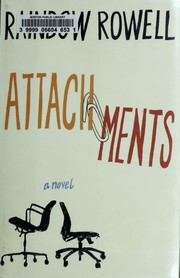
Attachments
3,210-word summary 14 min read 323 pages in the book
- First published
- 2011
- Publisher
- Dutton
- Pages
- 323
- ISBN
- 9780525951988
Reading options
What's inside (8 sections)
# Attachments by Rainbow Rowell
I picked this up because a friend said it was the sweetest book about the worst way to meet someone. She was right, and I still felt uneasy for half of it in a good way. Attachments by Rainbow Rowell was first published in 2011 by Dutton, a 323 page hardcover with ISBN 9780525951988. It is set in Omaha in 1999 and 2000, at a newspaper where email is still new enough that people treat it like talk. A lonely guy on night shift reads mail he should only scan, falls for a woman from her jokes, and then has to figure out how to say hello without sounding like a creep. I finished it in two nights, half charmed and half wanting to shake the main guy by the shoulders.
The hook is easy to explain. Lincoln O Neill is twenty eight, lives with his mother after a bad breakup, plays a lot of video games, and takes a night job in IT security at the Courier, a city paper. His task is simple. A filter flags staff emails that break policy, with too much personal chat or dodgy content, and he is supposed to read the flagged ones, send a warning, and move on. Two women keep tripping the filter. Beth Fremont, who writes about movies, and Jennifer Scribner Snyder, a copy editor, send long funny emails all day instead of walking across the room. Lincoln is meant to warn them. He reads one, then another, then stays up late to read more, and tells himself he will send the warning tomorrow.
What makes it work is that Rowell splits the book between those emails and Lincoln life outside them. You get Beth and Jennifer in their own voices, quick and warm and a little unfiltered, then you get Lincoln wandering the empty office at night, eating in the break room, fixing printers, avoiding his own inbox. The contrast does the heavy lifting. The women feel close and alive on screen. Lincoln feels stuck and quiet off screen. Reading becomes his social life before he admits he needs one.
Night shift at the Courier
Lincoln job is the kind of job you take when you need to reset. Night shift, low pay, empty building, a boss who cares mostly that the system stays up. He arrives when day staff leave, makes rounds, answers the odd call, and watches flagged mail queue up. The paper still runs on paper in many ways. Desks piled with proofs. Phones ringing. The hum of old computers. Email policy is strict on paper and loose in practice, which is why Beth and Jennifer get away with novels of chat for months.
Rowell does a nice job with office texture. Doris, an older woman who works nights and eats dinner in the break room, becomes Lincoln first real friend there. She packs extra food. She remembers who likes what from the vending machines. She talks about her family without making it a lesson. Their break room dinners are some of my favorite small scenes because nothing big happens. They heat food, trade complaints about the cold, and keep each other company while the presses run far away.
Lincoln is not good at first with people his own age at work. He is tall, decent looking, and acts like he takes up too much space. He apologizes too much. He leaves rooms too fast. Part of that comes from his breakup with Sam, a college girlfriend who cheated and then married someone else quickly. He moved back to his mom house to save money and lick wounds, and stayed longer than planned. His sister Eve teases him about it. His mom, who is warm and a little offbeat, lets him stay but wants him to move forward. He plays games late, sleeps late, and tells himself night shift suits him because he likes quiet.
The IT setup matters for the plot and Rowell keeps it plain. When staff send too many personal emails, the system flags them. Security reads a sample. If the content breaks rules, security sends a form warning. Repeat offenders can face discipline. Everyone knows the rule and almost no one follows it, because in 1999 email feels private even at work. Lincoln knows he should send Beth and Jennifer the warning in week one. He does not. He tells himself they are harmless, which is true, and that one more peek will not hurt, which is not true. That delay is the engine for everything after.
I liked that the book does not pretend this is cute from the start. Lincoln feels gross about it pretty early. He says to himself he is like a peeping tom with a mailbag. He tries to stop by coming in late, by skipping the queue, by reading only headers. Then Beth writes something funny about a bad movie screening or Jennifer writes something honest about her marriage, and he clicks. Rowell lets him be weak here without making him cruel. He never forwards the mail. He never shows it to anyone. He never uses what he learns to get close under false pretenses at first. He just reads. That restraint keeps him likable enough to follow, though just barely.
Beth and Jennifer in their own words
Beth and Jennifer emails are the reason to keep reading. They are fast, specific, and full of the kind of jokes you only make with a work friend who has seen you cry over a deadline.
Beth covers film for the paper. She loves smart comedies, hates lazy sequels, and writes about screenings with glee and venom in equal measure. Her boyfriend Chris is a musician, handsome and restless, who loves her but dodges talk of marriage. She is in her late twenties and feels the clock ticking, not because she needs a wedding tomorrow but because she wants to know if Chris sees a future. She jokes about his hair, his band van, his habit of borrowing her car and returning it empty. Under the jokes she is asking a real question. Will he choose her when it costs him freedom.
Jennifer works the copy desk. She is married to Mitch, a kind man who wants a baby badly. Jennifer is not sure. She loves Mitch. She does not love the idea of pregnancy, of quitting smoking and drinking coffee and sleeping through the night, of becoming a mother while she still feels new in her job. She writes about birth control, about fights that end with both of them sad, about her mother advice and her own fear that saying no means she is selfish. These emails are frank without being crude. You learn a lot about a marriage from how two people fight about dishes and doctors appointments.
Their friendship feels lived in. They send short check ins. Running late. Save me a seat. Did you see. Then long spirals when the day drags. They tease each other about office crushes, about clothes, about who ate the last donut. They also tell the truth. Beth tells Jennifer when Chris cancels again. Jennifer tells Beth when Mitch cries after a friend announces a pregnancy. The rhythm is right. Most days are light. Some days crack open.
Email as a form could have felt dated or gimmicky. It does not. Because the book is set before social feeds, email is where these women think out loud. No likes. No threads. Just two inboxes and trust. Rowell writes their voices so clearly that I could tell who was talking without tags after a while. Beth is punchier, more performative, always half writing a review of her own life. Jennifer is warier, funnier in asides, quicker to pull back after oversharing.
A small criticism. If you stop to think about it, two women who sit near each other would not email this much instead of talking. Rowell handles it with a light touch, deadlines, phones, a boss who hates chatter, but once or twice I thought, just turn your chair around. The book moves fast enough that I let it go. The emails are the point. Logic bends a little to keep them coming.
Lincoln outside the inbox
Away from the screen, Lincoln life is a loop. Work nights. Sleep days. See his mom in the kitchen. See Eve when she drops by with groceries and blunt advice. Play games. Avoid Sam memories. Repeat.
His mom is one of the best parts. She is not the sad mother of a failure son. She is funny, active, dating, with friends and opinions and a house full of projects. She loves Lincoln and tells him to move out with love, not shame. Their scenes have easy back and forth. She asks about work. He deflects. She asks about girls. He groans. She makes pie and wins anyway.
Eve, his younger sister, is pregnant and nesting hard, which mirrors Jennifer story without copying it. Eve and her husband are excited, scared, painting rooms, arguing about names. Lincoln likes being an uncle in training, and being around them shows what he misses. Not just a partner. A forward motion. Someone to plan with.
Sam hangs over him like weather. They were college sweethearts. She cheated. He left school for a while, finished late, lost momentum. He still replays what he missed. Was he boring. Was he too needy. Did he push her away by holding too tight. Rowell writes this without making Sam a villain or Lincoln a saint. Young love ended badly. That happens. The problem is Lincoln let it freeze him for years. He stopped applying for day jobs in his field. He stopped dating. He told himself he was being careful when he was really hiding.
Work slowly pulls him out. Doris feeds him. A day side manager learns his name. He fixes a problem that saves someone deadline and gets a real thank you. He starts running again, or walking at first, around the cold Omaha streets after shift. He notices Beth in the office without knowing it is Beth, a woman who smiles at him in the break room, who helps Doris with a heavy box, who laughs loudly at lunch. He thinks she is pretty and kind and out of his league, which is funny to the reader who knows exactly who she is.
I appreciated that Rowell does not give him a sudden makeover. He stays awkward. He says the wrong thing to Beth when they finally trade a few words about movies. He overthinks a hello for a whole shift. Change comes in small steps. He applies for a better job. He looks at apartments. He tells his mom he will move by spring. None of this fixes the email problem, but it makes him feel like a person who could deserve a second chance if he tells the truth.
Falling without meeting
The middle of the book is all tension. Lincoln knows Beth from her writing. Beth does not know he exists except as a tall quiet guy from IT who refills paper and smiles.
He learns her taste. How she hates mean spirited comedies. How she cries at old musicals and denies it. How she is loyal to Jennifer to the bone. How she wants to be chosen. He learns Jennifer too, her fear of disappointing Mitch, her sharp humor when she is tired, her habit of typing in bursts when upset. He worries about them like friends, which makes his silence worse. When Jennifer has a scare, when Beth fights with Chris, he wants to help and cannot without admitting he read mail he should have flagged.
Beth starts to notice him in real life without context. There is a cute guy at work, she tells Jennifer in mail Lincoln should not read. He eats with Doris. He helped change a tire. He seems sweet. Lincoln reads this with his heart pounding because the cute guy is him and Beth is describing him better than he sees himself. It is romantic and awful at once. Romantic because she likes him without his resume. Awful because every sweet line is built on a secret.
Rowell keeps the ethics on the page. Lincoln drafts the warning email a dozen times. He looks up policy. He asks himself what a decent person would do. He knows the answer. Send the warning, stop reading, meet her cleanly or not at all. He fails to do it for weeks because he is lonely and because the emails feel like the only good part of his day. I wanted to forgive him faster than I did, which I think is the point. Charm does not erase snooping. The book knows that.
Chris, Beth boyfriend, is written with care. He is not a monster. He plays in a band, works odd jobs, loves Beth in his way, and keeps stalling on commitment. Some scenes made me dislike him. He forgets plans. He mocks her job lightly in front of friends. He talks about moving for gigs without asking what she wants. Other scenes made me pity him. He is scared of becoming his parents. He is scared of failing Beth by promising what he cannot give. Rowell lets Beth see both sides longer than I would have. That patience makes her final choice feel earned rather than forced.
Mitch and Jennifer get a quieter arc that I liked even more on second thought. Mitch is steady, funny, and open about wanting kids. Jennifer is honest about not being ready. They do not yell much. They ache. A scene where Mitch builds a crib too early and then takes it apart without a word says more than three fights would. Lincoln reading about this and realizing his own life looks empty by comparison is one of the few times the snooping yields insight instead of just guilt.
If the middle sags anywhere, it is in repetition. Lincoln reads, feels bad, promises to stop, reads again. Beth emails, fights with Chris, makes up, fights again. Two or three cycles could have been cut by twenty pages. I skimmed one stretch of movie screening anecdotes and missed nothing. The warmth carries it, but tighter would have helped.
The meeting has to happen
Late in the book, events force contact. Lincoln can no longer hide behind night shift. A staffing change puts him on days for a bit. Beth sees him more. Doris, bless her, plays matchmaker without knowing the full mess. She tells Beth that Lincoln is a good man. She tells Lincoln that Beth is worth talking to if he can get out of his own way.
Their first real talks are clumsy in the best way. They argue about a movie. Beth is strong willed and quick. Lincoln is slow to answer but thoughtful when he does. He does not use what he learned from mail to impress her, and that restraint matters. He wants to win her without cheating, even though he already cheated by reading. The reader holds both facts at once. He is trying now. Trying now does not fix before.
The reveal is handled better than I feared. Lincoln tells Beth the truth before they get too far, in person, without excuses dressed as romance. He says what he did, how long, why he did not stop, and that she should be angry. Beth is angry. She is also hurt in a specific way. Those emails held private talk about her body, her boyfriend, her friend marriage. Knowing a stranger read them feels violating, even if the stranger is kind. Rowell gives her space to pull away. Friends close ranks. Work gets awkward. Lincoln faces discipline at work and shame at home, and he takes it without self pity, which is the first fully adult thing he does.
I will not spoil the last thirty pages beat by beat, but the shape is romantic comedy with consequences. Beth needs time. Lincoln needs to prove change with actions, a new job direction, a new place, clear boundaries at work, no more secret reading. Jennifer makes a choice about Mitch and a baby that feels true to her letters. Chris fades the way boyfriends fade when a woman stops waiting. Doris gets a lovely small payoff that made me grin.
The final meeting that the whole book points toward works because Rowell kept Beth agency intact. Beth decides. She reads Lincoln own writing for once, a letter where he cannot hide behind policy, and judges him on his words the way he once judged her. That mirror is neat without being cute. If she says yes, it is because she chooses to, with eyes open, not because the plot needs a kiss.
What works and what creaks
What works is voice. Rowell writes funny people who sound funny without trying to sound like writers. Beth lines about bad premieres, Jennifer asides about office cake, Doris plain wisdom, Eve sister teasing, all land. Lincoln narration is plainer, which fits. He is not a quip machine. He notices, he worries, he replays. When he finally says something direct to Beth, it hits because he wasted so many words before.
The period setting works too. In 1999, with Y2K jokes and dial tones and no smart phones, an email filter job is plausible and the privacy lines are blurrier. Today this plot would die in one day with locks and logs and HR training videos. Back then you can believe a lonely guy could read too much before anyone noticed, and believe two friends would put their whole lives in mail. Nostalgia never takes over, but details like burned CDs, printed reviews, and break room TVs root it.
What creaks is consent. Even with remorse and a good ending, the core romance starts with non consensual reading of private messages. Rowell knows it and has characters name it, but some readers will not get past it. I almost did not. If you need your romantic lead clean from page one, skip this. Lincoln is not clean. He grows, he confesses, he accepts fallout, and the book asks you to decide if growth is enough.
Another creak is stakes. This is a low stakes book by design. No one dies. Jobs are at risk but not lives. The tension is all will they meet, will she forgive, will Jennifer choose. That is enough for a romance, but readers who want big twists may find the last act quiet. I found the quiet right for these people. A loud ending would have betrayed the office scale.
I closed it liking all of them more than when I started, including Lincoln, which surprised me. The emails felt like time travel to a kinder internet, when writing to one friend felt safer than posting for a hundred. The office felt real. The love story felt won rather than granted. If you like slow burn romance with funny friends and a hero who has to earn it, this one is worth your two nights. Just expect to argue with yourself about whether to root for him. I did, then I did not, then I did, and that argument was half the fun.
FAQ
When was Attachments published?
Dutton published the hardcover on April 14, 2011. It runs 323 pages and the hardcover ISBN is 9780525951988.
Is Attachments Rainbow Rowell first novel?
Yes. It was her first published novel, followed by Eleanor and Park and Fangirl, and it is a standalone story.
Does the book approve of Lincoln reading Beth emails?
No. Lincoln works night security monitoring flagged mail and keeps reading Beth and Jennifer messages past the point when he should send a warning.
Similar books
The Takeover
An arrogant CEO and the sharp employee forced to staff his deal trade insults, trips and late nights across a long push-pull, until pride and jealousy force…
2,580-word summary · 11 min read
Things You Save in a Fire
A Texas firefighter takes a job at an old Boston-area firehouse and moves in with her estranged mother while facing hazing, old trauma, and love.
2,967-word summary · 13 min read
Beautiful Bastard
Chloe Mills battles her demanding boss Bennett Ryan in Chicago, until office rivalry turns into a secret relationship that tests both careers.
2,800-word summary · 12 min read
Yours Truly
Divorced ER doctor Briana Ortiz fake dates anxious newcomer Jacob Maddox, trading honest letters while her brother waits for a kidney donor.
2,475-word summary · 11 min read
The Hating Game
Two executive assistants share an office, a rivalry, and a promotion neither will concede without a fight.
1,945-word summary · 9 min read
Landline
A TV writer left alone at Christmas finds her mom's old phone reaches her husband in 1998, before they married.
3,042-word summary · 14 min read

What Happened to Goodbye
Mclean has reinvented herself in four towns since her parents divorced. In Lakeview she uses her real name, and for the first time staying put becomes a choice.
2,796-word summary · 12 min read

Size 12 Is Not Fat
Former teen pop star Heather Wells investigates two dorm elevator deaths while juggling her ex, her crush, and a size-12 wardrobe.
2,805-word summary · 12 min read
Alone With You in the Ether
Two people in Chicago agree to six conversations, and the experiment becomes a love affair that is also a study of bipolar disorder, obsession, and the shape…
2,713-word summary · 12 min read

Dumplin'
Willowdean Dickson enters her town's beauty pageant as a protest and discovers that confidence is harder to keep once she lets someone close.
1,922-word summary · 9 min read
Shopaholic and Sister
Becky Brandon returns from a ten-month honeymoon to meet the half-sister she always wanted, then discovers that Jess is thrifty, prickly, and nothing like the…
2,591-word summary · 12 min read
The Ex Talk
Two rival public radio producers pretend to be exes for a dating show, then fall for each other while the lie grows.
2,389-word summary · 11 min read

Sam's Letters to Jennifer
A grieving journalist reads her grandmother's letters and finds a decades-long love affair that changes how she sees her family.
2,310-word summary · 10 min read
Mr. Maybe
Libby Mason wants a rich husband, but the wealthy man who proposes is dull and the broke writer she cannot forget is not offering forever.
2,322-word summary · 10 min read
I Kissed Shara Wheeler
Shara Wheeler kisses her rival Chloe Green at prom and disappears, leaving a scavenger hunt that forces Chloe to rethink everything she knew about her.
2,083-word summary · 9 min read

Amy & Roger's Epic Detour
Amy Curry has not driven since the crash that killed her father. With Roger at the wheel and a box of maps between them, a cross-country trip becomes a slow…
3,034-word summary · 13 min read
One to Watch
A plus-size fashion blogger takes the lead role on a reality dating show to prove she belongs on television, and finds she might want what the cameras offer.
2,478-word summary · 11 min read
Between Sisters
Estranged sisters Meghann and Claire reunite in Washington when Claire announces a rushed wedding, then face their mother's desertion and a medical crisis.
2,467-word summary · 11 min read
Eligible
Austen's Bennet sisters move to modern Cincinnati, where marriage is a reality show and the house is losing its value.
2,293-word summary · 10 min read
Circus of the Damned
A rogue master vampire arrives in St. Louis and Anita Blake is caught in an undead turf war, with a science teacher in the crossfire.
2,757-word summary · 12 min read

Big Swiss
A transcriptionist for a sex coach falls for one of his clients, the tall Swiss gynecologist she calls Big Swiss, in a funny novel about work and secrets.
2,523-word summary · 11 min read
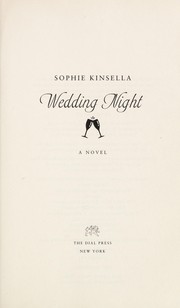
Wedding Night
Lottie marries an old flame days after a breakup, then flies to a Greek island while her sister quietly works to sabotage the honeymoon. A farce about memory,…
2,213-word summary · 10 min read
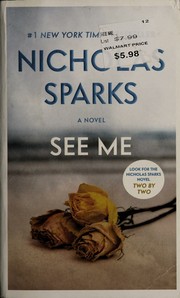
See Me
A law student with a violent past falls for a prosecutor whose old case returns as a stalker, in a romance with a thriller at its center.
2,007-word summary · 9 min read
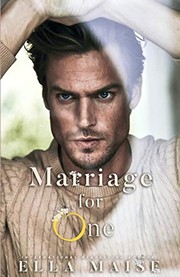
Marriage for One
Rose marries a cold lawyer to save her coffee shop, then discovers the arrangement was never only business.
2,032-word summary · 9 min read

Dash & Lily's Book of Dares
Two lonely New York teenagers trade dares in a red notebook left at the Strand, falling for each other on the page before they meet.
2,228-word summary · 10 min read
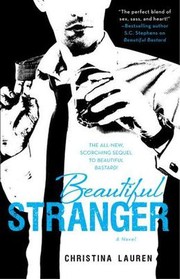
Beautiful Stranger
After a betrayal, Sara Dillon moves to New York and starts a no-strings affair with a British stranger, only to find that control and intimacy are harder to…
2,015-word summary · 9 min read
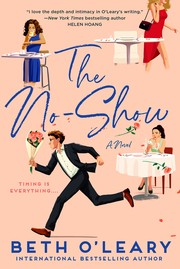
The No-Show
Three women are stood up on Valentine's Day by the same man, but the timeline is not what it seems. O'Leary's warmest book with a knife in it.
2,127-word summary · 9 min read
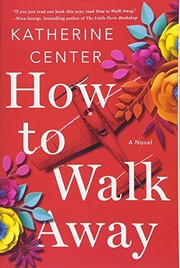
How to Walk Away
Margaret Jacobsen has the job, the fiance, and the future mapped out, until a small-plane crash on Valentine's Day takes almost all of it in one afternoon.
2,012-word summary · 9 min read

Every Breath
Two strangers share one week at Sunset Beach in 1990, part for duty, and reunite decades later at the mailbox that started it all.
2,357-word summary · 10 min read
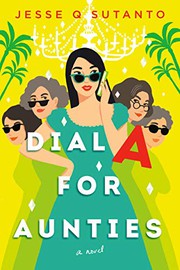
Dial A for Aunties
A wedding photographer accidentally kills her blind date, and her mother and three aunties help her hide the body during the biggest wedding of their careers.
2,076-word summary · 9 min read