
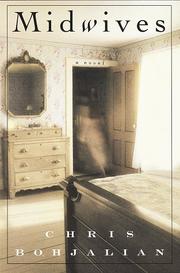
Midwives
2,014-word summary 9 min read 312 pages in the book
- First published
- 1997
- Publisher
- Harmony Books
- Pages
- 312
- ISBN
- 9780517703960
Reading options
What's inside (12 sections)
I read Midwives because Oprah picks from the nineties still pull weight in book clubs. Chris Bohjalian published it in 1997 with Harmony Books. My reading follows the 312 page hardcover. Vermont midwife Sibyl Danforth performs an emergency C section during a storm, then faces manslaughter charges when her assistant says the mother lived. Narrated years later by her daughter Connie, now an OB gyn, it is moral drama without villains.
Sibyl has delivered over five hundred babies at home with skill and reverence that Vermont mothers trust more than hospitals. Ex hippie with distaste for institutional authority, she practices with rigorous care inside anti establishment philosophy. One freezing March night, roads impassable and phones dead, her patient Charlotte labors badly and appears to suffer a fatal stroke. Sibyl saves the infant through emergency surgery on the mother she believes dead. Then her assistant tells police the woman still lived. Arrest follows. Trial looms.
Storm as courtroom exhibit
The March storm deserves treatment as character because it shapes every judgment the book examines. Phones dead. Roads drifted. Help unreachable. Those conditions frame Sibyl's decision in ways fair weather review ignores. Hindsight always finds cleaner paths than blizzards allowed. Bohjalian forces readers to decide with snow in shoes. Would you wait for doctors who can not come. Cut or watch two die. That dilemma has no comfortable answer, which is why the novel lasts in book clubs. Argue it fiercely. Then notice you argued from warmth while she decided in cold. Context convicts or acquits depending on thermostat. Remember weather when judging.
The assistant's role in aftermath fuels parallel debates about loyalty, truth, and self interest that the book refuses to simplify. She assisted faithfully for years, then reported swiftly when tragedy struck. Was it conscience or calculation. Colleagues divide. Readers will too. Her testimony carries weight precisely because intimacy granted access. She saw what outsiders can not evaluate. Whether she saw correctly under stress at night remains permanently contested. That contest mirrors real trials where witnesses remember differently without lying. Memory is weather too. Storms inside skulls obscure as surely as snow. Sit with uncertainty.
Vermont as moral climate
The state setting operates as more than backdrop through seasons that mirror judgment. March blizzard isolates. Summer trial heats. Autumn verdict cools. Those weather patterns track Sibyl's fortunes without heavy symbolism. Cold closes roads. Heat opens courtrooms. Readers feel climate as fate's accomplice. Rural Vermont's beauty and harshness both shape choices available. Neighbors depend on each other because distances demand it. That dependence complicates trial loyalties deliciously. Testify against the midwife who may deliver your next child. Clarence weighs more than abstract justice. Place binds ethics to geography. Maps matter.
The medical politics deserve historical framing that the book provides through doctors' testimony about licensing battles. Home birth versus hospital delivery carried genuine risks and genuine politics in the nineties. Bohjalian presents both sides' best arguments through witnesses readers believe. Doctors cite safety statistics sincerely. Midwives cite autonomy and experience equally sincerely. No strawmen testify. That fairness elevates courtroom chapters past procedure into philosophy. Where should birth happen. Who decides. The jury's answer matters less than readers' own conclusions argued afterward. Book clubs divide productively here. Choose your expert. Defend your choice.
Connie's medical mirror
Connie's choice of obstetrics as profession deserves analysis as both rebellion and inheritance. Daughter of home birth advocate becomes hospital doctor. That reversal looks like rejection until pages reveal deeper loyalty. She practices the same devotion to mothers through different tools, monitors instead of herbs, but identical attentiveness. Her patients benefit from both traditions synthesized in one practitioner. That synthesis argues beyond the trial's binary. Home versus hospital frames poorly. Skilled attention wherever birth happens frames rightly. Connie embodies that third position through daily practice rather than speeches. Deliver safely. Respect choices. Both, always.
What her expertise costs the family narrative is comfortable certainty. Medical training lets her imagine prosecution scenarios where Sibyl erred. Those imaginings torture precisely because knowledge enables doubt that ignorance would spare. Lay children trust absolutely. Doctor daughters calculate probabilities. That burden follows professional children of strong parents generally. Education complicates loyalty productively. The book honors that complication without resolving into betrayal or vindication. Wonder continues. Love persists. Both can share skulls without evicting each other. Hold the tension.
Birth as battleground then and now
The book's nineties context around home birth wars deserves framing for readers encountering it decades later. Hospital versus home debates raged with genuine stakes and genuine propaganda both sides. Statistics cited selectively. Anecdotes weaponized. Bohjalian wrote into live controversy without picking safe sides, which explains Oprah embrace and medical establishment chill both. That courage dates interestingly now that birthing centers normalized somewhat. Progress owes books like this that forced conversations through stories rather than position papers. Fiction moved needles where data alone stalled. Remember power of plotted lives.
What persists unchanged is core dilemma about who decides birth settings and who bears consequences. Mothers choose. Babies live results. Practitioners stake licenses. Those triangles admit no perfect policy, only case by case judgments under uncertainty. The novel's refusal to resolve into slogan serves current debates still raging in comment sections. Read it as prompt rather than prescription. Argue with neighbors. Consult providers. Decide personally with eyes open to tradeoffs all options carry. No birth setting is risk free. Only informed choices beat blind ones. The book insists on information with heart.
Daughter looking back
Connie Danforth narrates from adulthood as a physician who chose the very institutions her mother distrusted. Fourteen during that summer, she watched family fracture under cameras and community chill. Her retrospective voice gives the book its layered ache. She loves Sibyl. She chose hospitals. Both truths coexist without cancelling. Her medical training lets her evaluate the C section clinically while her memory supplies the storm's terror. That double vision structures every chapter. Daughter plus doctor see differently. Neither sees fully.
Her doubts about Sibyl drive the quiet engine. Did mother act correctly. Too fast. Too sure. Connie examines charts, replays testimony, and interrogates memory with professional rigor that feels like betrayal and love at once. Those passages will resonate with children of strong parents whose choices look different from inside professions. Respect plus expertise complicates loyalty. The book never resolves her doubts into verdict, which frustrates readers wanting closure and honors reality where children never fully judge parents. Wonder continues past last page. So does love.
Rand Danforth, husband and father, holds the family with carpenter steadiness that warps under pressure. He believes Sibyl absolutely in public and wrestles privately with what belief costs. Work suffers. Friendships thin. His workshop becomes refuge from reporters. Those details show how trials punish households beyond defendants. Mortgages continue. Groceries need buying. The book's domestic realism around legal drama distinguishes it from courtroom thrillers that forget kitchens. Dinners cook during appeals. Laundry folds between hearings. Life indecently persists. So must defendants' families.
Trial as witch hunt
The trial bears witch hunt earmarks, as PRH copy states, through medical establishment hostility with deep roots. Vermont doctors, nursing old battles from Anne Hutchinson's era forward, see Sibyl as dangerous romantic practicing beyond license. Prosecutors frame the C section as murder disguised as heroism. Media simplifies into Madonna or monster frames. Those pressures turn a medical judgment call into referendum on home birth itself. Bohjalian presents all sides as fully realized individuals without obvious villains. The widower grieves genuinely. Doctors believe their standards sincerely. Jurors weigh honestly. Tragedy needs no mustache twirlers. Systems suffice.
Bohjalian's research into childbirth gives the book its visceral authority. Labor described with wonder and terror both. Blood, breathing, and waiting rendered without flinching or sensationalism. His evocations of wonder recall why people choose home birth while his trial scenes show why institutions fear it. That balance persuaded millions of readers across positions. The novel works as Rorschach where views on medicine shape verdicts readers reach before the jury does. Notice your own leanings while reading. The book notices them too.
The assistant's accusation fuels endless debate about loyalty versus truth. She saw what she saw under stress at night. Or she settled scores. The book withholds certainty about her motives while showing consequences of her words plainly. Families split over whom to believe. That ambiguity extends to Sibyl herself, who may have acted a moment too soon from exhaustion no one admits. Bohjalian refuses the comfort of clear protocol. Storms, dead phones, and dying mothers do not follow guidelines. Judgment in hindsight always finds cleaner paths than storms allowed. Sit with that discomfort.
What medicine movies miss
The book's clinical detail deserves praise for accuracy that survives expert scrutiny unusually well for fiction. Labor stages. Emergency technique. Recovery protocols. Bohjalian researched through midwives and physicians both, earning respect from practitioners who usually shred novels. That accuracy serves story beyond credibility. Readers learn how births actually proceed through drama that entertains while informing. Knowledge arrives inside suspense rather than lectures. Take notes if expecting. The book teaches genuinely while thrilling legitimately. Few issue novels manage both without sacrificing either. This one does.
Who should attend
Give Midwives to book clubs that enjoy moral ambiguity, to readers interested in birth and medicine, to fans of literary drama with trial spine. It suits discussion groups with mixed views on home birth. Do not give it to readers needing thriller pace or clear verdicts. Pair it with the Lifetime film starring Sissy Spacek for faces, then return to prose for Connie's doubting interiority.
At 312 pages I read it across three evenings, marking storm pages. Sibyl starts catching babies confidently and ends defending one desperate decision indefinitely, while Connie starts adoring and ends evaluating with love intact. That pair, mother and daughter on opposite sides of the same stirrups, is why the novel lasts past Oprah months. Blood may be on hands. Or only weather. Live with question.
FAQ
When was Midwives published?
Harmony Books published it in April 1997. The hardcover runs 312 pages and the ISBN is 9780517703960.
Was it an Oprah's Book Club book?
Yes, an Oprah's Book Club pick in 1998 that sold over two million copies.
Who are Sibyl and Connie?
Sibyl Danforth, daughter Connie who narrates as OB gyn, husband Rand, and the accusing assistant.
Similar books
Change of Heart
Jodi Picoult's Change of Heart follows June Nealon, her ill daughter Claire, and death-row inmate Shay Bourne, whose wish to donate his heart forces a trial…
2,746-word summary · 12 min read
The Tenth Circle
After Trixie accuses Jason of rape and he dies off a bridge, parents Daniel and Laura hide guilt and grace in Alaska flight.
2,164-word summary · 10 min read
House of Sand and Fog
A foreclosed California house pits recovering addict Kathy against Iranian immigrant Behrani, with a deputy whose obsession turns fatal.
2,008-word summary · 9 min read
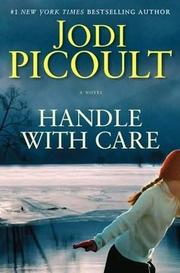
Handle with Care
Parents of brittle bone daughter Willow sue best friend OB for wrongful birth, splitting marriage and friendships.
2,231-word summary · 10 min read
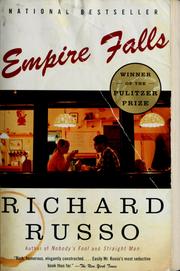
Empire Falls
Grill manager Miles stays in dying Maine town for daughter while past pulls.
2,072-word summary · 9 min read
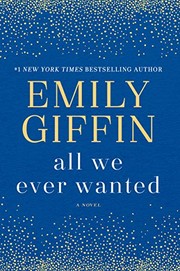
All We Ever Wanted
A Nashville photo of a drunk boy over a passed out girl splits three families along money and race lines.
2,278-word summary · 10 min read
The Cider House Rules
Homer Wells grows up in a Maine orphanage under Dr. Larch, who delivers babies and performs illegal abortions.
2,985-word summary · 13 min read
State of Wonder
A researcher travels into the Amazon to learn what happened to her colleague, and finds her fearsome former teacher guarding a fertility discovery.
2,648-word summary · 12 min read

Snow Falling on Cedars
A Japanese American fisherman stands trial for murder on a snowy island, while a reporter faces lost love and wartime prejudice.
2,224-word summary · 10 min read
The Covenant of Water
Three generations of a Kerala family face a drowning affliction from 1900 to 1977, from child bride Big Ammachi to physician Mariamma who seeks its cause.
2,955-word summary · 13 min read

Bel Canto
An opera singer and a Japanese executive are taken hostage at a birthday party, and months of captivity turn into music, routine, and love.
3,864-word summary · 17 min read
And the Mountains Echoed
When Abdullah and Pari are split in 1952 Afghanistan, their parting echoes across decades from Kabul to Paris to California in linked stories of loss and…
2,572-word summary · 11 min read
An American Marriage
Newlywed Roy is wrongly imprisoned and Celestial loves Andre while waiting.
2,535-word summary · 11 min read
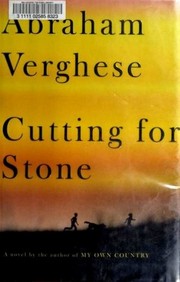
Cutting for Stone
Twin surgeon brothers come of age in Ethiopia and America in Verghese's sweeping medical saga.
2,664-word summary · 12 min read
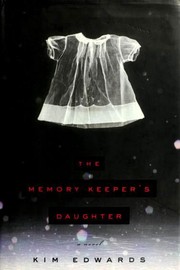
The Memory Keeper's Daughter
On a snowy night a doctor gives away his newborn daughter and tells his wife she died.
2,154-word summary · 10 min read
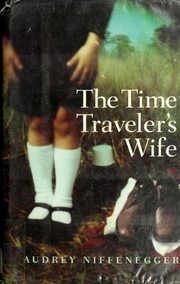
The Time Traveler's Wife
Niffenegger's Time Traveler's Wife retold: Henry's jumps, Clare waiting, art, and a marriage in two tenses.
1,932-word summary · 9 min read

The Notebook
The Notebook retold: Noah reads to Allie in a nursing home, summer love in New Bern, letters and choice.
1,957-word summary · 9 min read
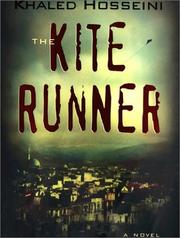
The Kite Runner
Khaled Hosseini's The Kite Runner retold: Amir and Hassan in Kabul, the alley, the escape to America, and the return to find Sohrab.
2,584-word summary · 11 min read
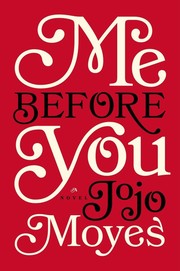
Me Before You
Me Before You retold: Lou cares for Will in a Welsh annexe, trips and talks, choice and loss.
1,989-word summary · 9 min read
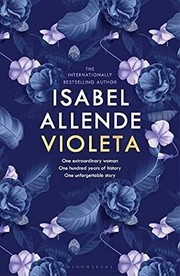
Violeta
A woman born in 1920 writes her life story to her grandson, from one pandemic to another, through wealth, ruin, passion, and dictatorship in South America.
2,555-word summary · 11 min read

The Only Good Indians
Four Blackfeet men who killed a pregnant elk are hunted by her spirit a decade later, and the only person who can end the cycle is a teenage girl who was not…
2,010-word summary · 9 min read
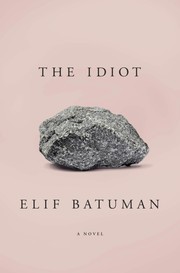
The Idiot
A Turkish-American freshman at Harvard falls in love through email with a Hungarian math student and spends a summer in Hungary trying to turn correspondence…
2,019-word summary · 9 min read
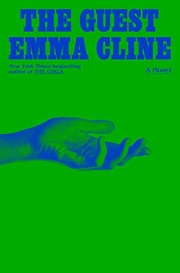
The Guest
Cast out of her wealthy boyfriend's Hamptons house, twenty-two-year-old Alex spends five days talking her way through other people's homes and accounts.
2,165-word summary · 10 min read

The Crying of Lot 49
A California woman named executor of her ex-lover's estate follows a muted post horn into a possible centuries-old postal conspiracy, and Pynchon refuses to…
2,003-word summary · 9 min read
Sybil
A 1973 case study of a woman treated for multiple personalities, and the book that made dissociative identity disorder a household phrase.
2,054-word summary · 9 min read
Silas Marner
A falsely accused weaver hoards gold in Raveloe until a stolen hoard and an abandoned child remake his narrow life.
2,699-word summary · 12 min read

Revolutionary Road
A Connecticut couple who believe they are too good for the suburbs plan to move to Paris, and the plan slowly exposes everything they cannot say to each other.
2,085-word summary · 9 min read

Lisey's Story
Two years after her novelist husband dies, Lisey Landon follows a trail of clues into his childhood and the other world that made him a writer.
1,998-word summary · 9 min read

Anatomy: A Love Story
In 1817 Edinburgh, a noblewoman who wants to be a surgeon disguises herself to study anatomy and falls for the grave robber who supplies her with bodies.
2,031-word summary · 9 min read
Alone With You in the Ether
Two people in Chicago agree to six conversations, and the experiment becomes a love affair that is also a study of bipolar disorder, obsession, and the shape…
2,713-word summary · 12 min read