
Reading options
What's inside (8 sections)
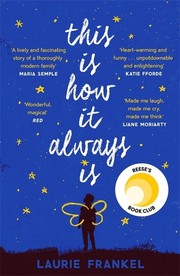
I picked this one up because it kept showing up on book club lists and I wanted to know why people cried about it in grocery lines. I expected an issue novel, the kind that lectures you for three hundred pages and then asks you to feel grateful. That is not what happened. Published in 2017 by Flatiron Books, 336 pages in the first hardcover, this is a family comedy that turns tender and then complicated, and it stayed with me longer than I planned.
The setup is simple on the surface. Rosie Walsh is an emergency room doctor who works nights. Her husband Penn Walsh-Adams works from home as a writer and holds down the daytime shift with their wild crew. They have a big old farmhouse outside Madison, Wisconsin, fifteen acres, a barn that is barely a barn, and a stream the kids love. They have Roo, then Ben, then twins Rigel and Orion, and then, after a lot of hoping for a girl, one more boy. Claude.
What follows is a full retelling with my honest complaints mixed in, ending included.
Trying for a girl
Rosie and Penn did not plan on five kids in any neat way. They liked babies, they liked noise, they kept going. Before Claude, Rosie runs through every folk trick she can find. She drags the bed to face east to west because someone said north facing beds make boys. She serves Penn salmon and cookies for lunch. She hides a wooden spoon under the bed and then feels silly about it. She likes looking at Penn and thinking about vanilla ice cream and ordinary joy. The details are funny and a little desperate, and Frankel writes them with real affection.
Under that comedy sits something older. When Rosie was twelve, her little sister Poppy died after a long illness. Poppy had a doll named Clover, long wig hair that Rosie used to braid, and a wish to travel to Siam because she loved that musical on the hospital video cart. On her sister’s hospital bed, Rosie promised they would go everywhere together. She also decided, the way twelve year olds decide big things, that she would one day have a daughter with very long hair and name her Poppy. That name hangs over the whole book.
Claude arrives fast. Labor starts during dinner, the older boys sing songs from a school play in the car, Penn tries to obey the speed limit and fails at looking calm, Rosie repeats the name Poppy to herself like a wish. Then the doctor says boy. Healthy, quick, loud. The boys know what to do with a brother. Rosie loves him at once and still feels the sting of that old dream.
I liked this opening a lot. It tells you who Rosie is, a scientist who still knocks on wood, and who Penn is, a joker who pays attention. Some readers may find the trying-for-a-girl business old fashioned. I read it more as grief talking. Rosie is not rejecting her sons. She is still carrying her sister.
Claude at five
Fast forward a few years and the house is chaos in the best way. Roo is big brother energy, responsible and watchful. Ben is sweet and physical, always moving. The twins are small and loud and opinionated about everything, including their star names. Rigel is already annoyed to learn he was named for a toe. There is a puppy named Jupiter, a birthday gift for the twins, adding to the mud and noise.
And then there is Claude. Five years old, youngest of five brothers, loves peanut butter sandwiches. He also loves dresses. He loves the color and the swirl and the way they move. He dreams of being a princess. When people ask what he wants to be when he grows up, he says a girl.
Frankel does not make this a single reveal scene. It comes out in bits. Claude borrows things, asks questions, watches girls at school with focus. Rosie notices first in the way mothers notice, then tries to talk herself out of it. Penn notices and turns it into stories. Penn’s big parenting tool is the bedtime tale. He tells the boys long fairy tales with changed endings, where princes can be soft and girls can rescue themselves and dragons can be tired fathers. The kids adore these stories. The twins argue about plot holes. Ben wants more battles. Claude listens hardest.
Rosie, being a doctor, goes into research mode. She reads, she calls people, she worries about language. Is this a phase. Is this play. What do supportive parents actually do at five. Penn, being a writer, goes into story mode. He wants Claude to have words that feel kind rather than clinical. They agree on the main point without a big speech. Claude can be whoever Claude says he is at home. The harder question is what to share with the world.
What I appreciated here is that neither parent is written as a saint. Rosie is tired from night shifts and sometimes short. Penn is warm but avoidant, better with metaphors than with forms and school meetings. They love Claude fiercely and still mess up pronouns and timing. That felt true to me.
The secret and the move
For a while the family tries a split life. At home, Claude can wear what feels right and play how he likes. At preschool and with neighbors, they hedge. They use his given name. They let people assume. Rosie tells herself they are protecting his privacy while he is young. Penn tells himself stories about timing.
It does not hold.
Kids notice. A neighbor kid repeats something careless. A teacher asks a clumsy question. Rosie’s mother, who loves hard and talks a lot, has opinions that land badly. The brothers each react in their own way. Roo tries to guard Claude on the playground and gets into it with other kids. Ben gets confused and then fiercely loyal. The twins are too young to carry the code and too smart to miss the tension. Keeping the secret starts to cost everyone sleep.
So Rosie and Penn make the big choice that shapes the rest of the novel. They will move. They pick Seattle, far enough for a clean start, progressive enough that they hope a kid can be different without daily fights. They decide that in the new place, Claude will live openly as a girl. She will choose her name. She chooses Poppy, after Rosie’s sister, which wrecks Rosie in a quiet scene that Frankel does not oversell. They do not tell the new school or most new friends about her past. They tell themselves this is privacy, not lying. They tell the older boys this is how they keep their sister safe.
I had mixed feelings about this section, in a good way. On one hand, the move makes sense. Any parent can picture wanting a reset button when your kid is getting stared at in the checkout line. On the other hand, Frankel lets you feel the price. Poppy gets freedom, but she also gets a rule. Do not tell. Be yourself, but edit yourself. The brothers get a second rule. Protect her by keeping quiet. Even as a reader who wanted Poppy to be happy, I felt uneasy. Secrets in families have a way of growing teeth.
Seattle and Poppy
Seattle works, for a time. That is the pleasure of the middle of the book, and also why some readers may find it slow. Poppy grows into herself. She makes friends. She is funny, bright, strong willed, good at school when she cares to be. She loves long hair, and yes, Rosie finally gets to braid hair the way she dreamed about as a girl, though real life is messier than the dream. Morning tangles, lost elastics, arguments about hats.
Penn keeps writing and keeps telling stories, now more for Poppy than for the boys. His tales get longer and stranger, full of princes who quit and princesses who start businesses and witches who just need sleep. The twins love to heckle him. Ben pretends he is too old and listens from the hall. Roo pulls away a little, which worried me as I read. Oldest kids often become assistant parents, and Roo takes that job too seriously. He watches Poppy at parties. He steps in too fast. He stops bringing his own problems home.
Rosie’s work shifts to days and nights in a new hospital. She likes Seattle medicine, smart colleagues, fewer bus stop lectures from neighbors like Heather back in Madison. But she carries new fears. Puberty is coming. Decisions about blockers and hormones and doctors and timing sit on the calendar like weather. She reads studies late at night. She talks to other parents. She and Penn fight in the tired, married way about money, risk, and who gets to decide what and when. Frankel is good on this. No one gives a speech about being right. They argue about dentist appointments and then realize they are really arguing about the future.
School is mostly kind until it is not. Poppy finds a close friend, a girl who likes her jokes and does not ask too many questions. She has a teacher who sees her clearly. She also meets the ordinary cruelty of middle school, where one kid with a phone can turn a rumor into a fire. Frankel writes those hallways well. The dread of being found out sits next to the joy of being known. Poppy starts to hate the second rule. Why should she have to hide a true thing to be treated as normal.
The brothers get less page time here than I wanted. We see flashes. Ben gets bigger and kinder and a little lost. The twins grow from comic relief into sharp observers who call out their parents when the story does not add up. Roo gets quieter. I wished Frankel had given Roo one full chapter of his own. He does so much holding for the family that his thinness feels like part of the point, but I still missed him.
When it breaks
Every reader knows the secret will break. The question is how, and what it breaks with it.
Without giving a step by step replay of the worst day, here is the shape. Poppy is older now, in that sharp middle school age where friendships shift fast. A conflict with peers turns physical and public. Someone uses her past as a weapon. It might have stayed a school matter, but phones and parents get involved, and soon the story is out in a way the family cannot pull back. Poppy is furious and hurt and also, in a strange way, relieved. Living with a hidden file on yourself is exhausting. Being exposed is awful. Both things can be true.
The fallout spreads. The school handles it badly in places and decently in others. Some families rally around Poppy. Some pull away. A boy she liked becomes a problem she did not ask for. A friend has to choose between loyalty and comfort. The brothers react according to who they are. Ben wants to fight someone. The twins want to argue the facts until everyone gives up. Roo blames himself for not preventing it, which is both moving and unfair to him.
Rosie and Penn turn on each other and then on themselves. Did moving help or just delay. Did privacy protect Poppy or teach her shame. Should they have told the school from day one. Should they have stayed in Madison and fought it out. There are no clean answers and Frankel does not force one. A trip comes later that I will not map out beat by beat, except to say Thailand matters because of old Poppy and new Poppy, because Rosie needs to face what she named her daughter and why, and because Penn needs to stop narrating for a bit and listen. The scenes abroad are warm and strange and a little too tidy in places, but I liked that Frankel lets Poppy be a tourist and a teenager, not a lesson.
The strongest pages for me are small. Rosie braiding hair while trying not to cry. Penn scrapping a clever ending because his kid needs a plain truth instead. Roo finally saying he is tired. Ben sitting next to Poppy without needing to fix anything. Those moments earn the bigger scenes around them.
What works and what drags
Let me be direct about the flaws, because the praise for this book can sound mushy and the book is better than that.
The middle sags. The Seattle years cover a lot of time and sometimes read as a string of cute family scenes and Penn tales rather than forward motion. I skimmed two of the longer fairy tale retellings. They are clever, and kids in the story love them, but on the page they pause the plot to make a point you already got. If you love story within story, you will enjoy them more than I did.
Penn can feel too charming. He is the fun dad with the endless imagination, and Frankel clearly adores him. Twice I wanted someone to say, buddy, fill out the medical forms and call the school back. To be fair, Rosie thinks a version of that, and Penn does step up when it counts. Still, the balance tips toward him getting credit for warmth while Rosie does the scheduling and worrying.
The family’s resources matter and the book knows it, but only partly. These are educated parents with a house to sell, jobs that transfer, and time to research doctors. That mobility is what makes the fresh start possible. Frankel nods at this, especially through friends and colleagues with fewer options, but she does not sit with it long. Readers who live the same issues without those cushions may feel the gap.
And yet. The heart of the novel holds. Frankel writes parenting as constant improvisation, not a stance. Change is hard and miraculous and hard again. Kids grow, but not always according to plan. Families with secrets do not get to keep them forever. I found myself thinking about my own habits of editing myself for rooms, and about how early kids learn to do the same. Poppy’s anger late in the book feels earned. She loves her parents and she is done being managed. That tension, love plus refusal, is the most honest thing here.
The ending does not tie a bow. Poppy is older, clearer, still becoming. Roo finds a little air for himself. Ben and the twins step forward as full people with their own wants. Rosie lets go of the idea that a name can bring someone back. Penn learns that some stories should be short. If you need every medical and school question settled, you will leave wanting more. If you can sit with a family learning out loud, the last fifty pages land.
Would I press it on a friend. Yes, with notes. Go in ready for humor and tears close together. Expect to argue with Rosie and Penn and then forgive them. Expect to wish the brothers got more room. Expect to think about what privacy costs kids, and what honesty costs, and why parents keep paying both. This is how families work, Frankel seems to say. You try, you hide, you tell, you repair. Then you try again.
FAQ
When was This Is How It Always Is published?
Yes. It was published in 2017 by Flatiron Books. The first hardcover runs 336 pages and the ISBN cited here is 9781250088550.
Who is the family in the book?
It follows Rosie and Penn Walsh-Adams and their five children, centering on Claude, the youngest, who later lives as Poppy. The other brothers are Roo, Ben, and twins Rigel and Orion.
Is it a book for kids?
No. It is written for adults and often chosen by book clubs, but older teens can read it with a parent. It deals with gender identity, school bullying, and medical decisions in plain terms.
Similar books
Love You Forever
A mother sings the same song through a lifetime until her son sings it back.
2,235-word summary · 10 min read

The Japanese Lover
A Polish refugee and the son of a Japanese gardener fall in love in San Francisco in 1939, then keep the affair secret for nearly seventy years.
2,286-word summary · 10 min read

Unaccustomed Earth
Lahiri’s second story collection follows Bengali families in America and abroad, tracing the quiet distances between parents and children, spouses, and the…
2,333-word summary · 10 min read

Sing You Home
A music therapist, her new wife and an evangelical ex-husband end up in court over three frozen IVF embryos.
2,952-word summary · 13 min read
Prodigal Summer
Three lives in one Virginia mountain valley summer: a ranger watching coyotes, a widow learning moths and goats, and feuding elders guarding chestnuts, retold…
2,308-word summary · 10 min read

The Poet X
Harlem teen Xiomara finds voice in slam poetry against strict mother, church, and a love she must hide.
2,056-word summary · 9 min read
The Color of Water
A Black journalist presses his white mother about her hidden past, from a Virginia store to twelve college degrees.
2,457-word summary · 11 min read

The History of Love
An elderly locksmith and a grieving teenage girl in New York are joined by a lost manuscript published in Spanish under another man's name.
2,805-word summary · 12 min read

Guess How Much I Love You
Two nutbrown hares try to outshow their love at bedtime in this gentle picture book classic.
2,282-word summary · 10 min read

Finding Me
Viola Davis traces her path from poverty in Rhode Island to Oscar night with blunt honesty about race and family.
2,823-word summary · 13 min read

A Heartbreaking Work of Staggering Genius
After losing both parents to cancer, Dave Eggers raises his eight year old brother Toph in California with humor, chaos and self doubt.
2,326-word summary · 10 min read
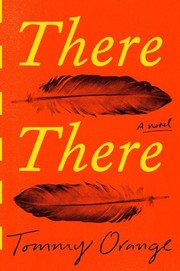
There There
Twelve Native characters converge on a powwow in Oakland in Tommy Orange's 2018 debut about identity, family, and survival.
2,157-word summary · 10 min read

The Henna Artist
In 1950s Jaipur, a henna artist to rich women rebuilds her life until the sister she never knew arrives.
2,104-word summary · 9 min read
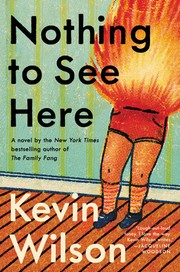
Nothing to See Here
A struggling young woman spends one summer caring for twins who burst into flame when upset, in this warm oddball novel.
2,167-word summary · 10 min read

Interpreter of Maladies
Nine stories follow Bengali families split between Calcutta and New England, through marriage, grief, and arrival.
2,412-word summary · 11 min read
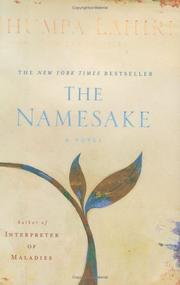
The Namesake
Jhumpa Lahiri follows Gogol Ganguli from a hated namesake to adult loss, marriage, and family reckoning between Calcutta and Boston.
2,878-word summary · 13 min read

Hello Beautiful
Four sisters in Chicago love, lose, and find each other again across thirty years.
2,144-word summary · 10 min read

Untamed
Glennon Doyle leaves a strained marriage, falls for Abby Wambach, and rebuilds life around honesty and desire.
2,561-word summary · 11 min read
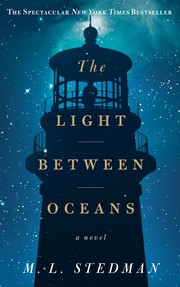
The Light Between Oceans
Lighthouse keeper Tom Sherbourne and Isabel raise a boat baby on Janus Rock and face her true mother on shore.
2,818-word summary · 13 min read

Crying in H Mart
Japanese Breakfast singer Michelle Zauner remembers her Korean mother through food, grief, and growing up in Oregon.
2,337-word summary · 10 min read

The Vanishing Half
Twin sisters split as one lives Black and one passes as white.
1,971-word summary · 9 min read
It Ends with Us
It Ends with Us from Lily's flower shop to her marriage: alternating past and present, Ryle's cycles of violence, and why the ending refuses a clean romantic…
2,381-word summary · 11 min read

What Happened to Goodbye
Mclean has reinvented herself in four towns since her parents divorced. In Lakeview she uses her real name, and for the first time staying put becomes a choice.
2,796-word summary · 12 min read

The Long Winter
Dakota Territory, 1880: seven months of blizzards cut a town off from the railroad, and a family survives on twisted hay, ground wheat, and a dangerous wheat…
2,210-word summary · 10 min read

The Idiot
A Turkish-American freshman at Harvard falls in love through email with a Hungarian math student and spends a summer in Hungary trying to turn correspondence…
2,019-word summary · 9 min read

Ship of Magic
A sentient ship wakes when her captain dies, and the family that owns her starts to come apart over who gets to sail her.
2,026-word summary · 9 min read

Make Way for Ducklings
A pair of mallards raise eight ducklings on the Charles River and lead them across Boston to the Public Garden, with a little help from a friendly policeman.
2,044-word summary · 9 min read

Go the Fuck to Sleep
A rhyming bedtime book for adults in which an exhausted father narrates the fourth hour of a toddler's stalling, one profane couplet at a time.
2,291-word summary · 10 min read
Brown Girl Dreaming
Jacqueline Woodson retells her childhood in verse, moving from Ohio to South Carolina to Brooklyn while the civil rights movement reshapes the world around her.
2,727-word summary · 12 min read

Alone With You in the Ether
Two people in Chicago agree to six conversations, and the experiment becomes a love affair that is also a study of bipolar disorder, obsession, and the shape…
2,713-word summary · 12 min read