
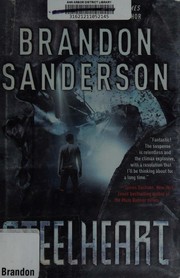
Steelheart
2,190-word summary 10 min read 400 pages in the book
- First published
- 2013
- Publisher
- Delacorte Press
- Pages
- 400
- ISBN
- 9780385743563
- Series
- The Reckoners (#1)
Reading options
What's inside (7 sections)
I picked up Steelheart because I wanted to see what Sanderson does with superheroes. The book was published in 2013 by Delacorte Press. It runs 400 pages. It is the first book in The Reckoners series. The setup hooked me fast. A light called Calamity appeared in the sky ten years ago and started giving ordinary people powers. Every one of them turned into a tyrant. No heroes, only Epics, and the only people fighting back are regular humans with guns and plans. I read it in three days and had a great time, with a few caveats I will get to.
David Charleston was eight years old when his world ended in a bank. An Epic called Deathpoint walked in and started killing people. Then Steelheart showed up, the strongest Epic in what used to be Chicago, and challenged him. David's father believed Steelheart might be one of the good ones. He picked up a gun and shot Deathpoint in the head. One bullet grazed Steelheart's cheek. Steelheart bled. Then Steelheart killed everyone in the bank, including David's father. Only David walked out.
That graze is the whole book. Nobody has ever hurt Steelheart and lived. David saw it happen. He spends the next ten years in the steel covered city now called Newcago, working in a factory, making bullets on the side, and filling notebooks with everything he can learn about Epics. Powers, habits, sightings, and above all weaknesses. Because every Epic has one. Something that switches their powers off. David means to find Steelheart's.
Calamity and Newcago
The worldbuilding here is Sanderson doing what he does best. Rules first, wonder second. Calamity is a red light in the sky, maybe a star, maybe something else. Since it appeared, random people keep gaining powers. Strength, flight, fire, precognition, darkness, steel. And power always rots them. The book is firm about this. Epics start selfish and grow cruel the more they use their gifts. Whole countries fell. Chicago became Newcago when Steelheart turned most of it to steel and set himself up as emperor, with an army of soldiers called Enforcement keeping order.
His inner circle runs the city. Nightwielder, who can blanket the streets in darkness and hear through shadows. Firefight, who burns. Fortuity, who senses danger before it arrives. Conflux, who feeds the power plant that lights the city. Each Epic rules a slice of life, and ordinary people keep their heads down, work their shifts, and obey curfew. It feels less like a comic book city and more like occupied territory. That grounded mood is one of the book's strengths.
David's notes are the other strength. He treats Epics like a scientist treats specimens. What triggers their powers. What they avoid. He notices, for instance, that one Epic always cancels events on certain days, or that another never touches something ordinary. The weakness idea gives every fight a puzzle shape. You cannot punch these people. You have to figure them out first. I found those deduction scenes more fun than the shootouts.
A word on David's voice. He narrates, and he is a nerd about Epics the way some kids are nerds about trains. He also makes terrible metaphors, constantly, and the book knows they are terrible. Other characters groan at them. It is a running joke that mostly works. David is eighteen, brave to the point of rashness, and socially rough from years of keeping secrets. He is easy to root for even when he charges in stupid.
The Reckoners
For years the Reckoners are just stories to David. A small crew of normal humans who kill Epics. No powers, only research and guts. He finally crosses their path when he predicts their next hit, on Fortuity, the precog. He stumbles into the operation, helps a young woman named Megan Tarash when her part of the plan goes wrong, and gets dragged back to their hideout in a garbage truck with the rest of the crew.
The crew is small and well drawn. Prof, real name Jonathan Phaedrus, founded the Reckoners and leads them. He is a former teacher, calm, strict, the kind of man who plans three exits before entering a room. Tia is his researcher and second in command, sharp and dry. Abraham is a former soldier, big and kind, the team's heavy lifter. Cody is a Southerner who handles the long rifle and tells tall tales. Megan is the newest recruit, prickly and closed off, and David falls for her at once.
They do not want David. They think he might be an Epic plant. He talks fast, shows them he tracked their habits for months, and then plays his one card. He saw Steelheart bleed. That stops the room. Prof agrees to hear him out. David lays out his notes and his pitch. Aim higher than Fortuity. Kill Steelheart himself.
I liked how practical the Reckoners feel. They argue about risk. They count bullets. Their hideout has rules about lights and noise. Prof drills them. Tia patches wounds and tells hard truths. Nobody acts like a movie hero. When Megan apparently dies on a mission later, the grief in the hideout is quiet and real, and the team nearly comes apart. These people feel like coworkers who happen to hunt gods, which keeps the wild premise tied down.
The romance between David and Megan grows in the gaps between missions. Gun practice, note sorting, late talks. Megan pushes him away. She says Steelheart keeps the lights on and the water running, and asks whether killing him just opens the city to worse Epics. It is a fair question and the book lets it sit. David has no good answer except that Steelheart murdered his father and rules by fear. Megan's distance reads at first like cold feet. It turns out to be something much stranger, and the book plants the clues fairly.
The Limelight Plan
The plan is the fun middle of the book, built like a heist. You cannot walk up to Steelheart. So the Reckoners invent a rival. They fake a new Epic called Limelight, with staged attacks and planted rumors, to scare Steelheart into showing himself. They buy a massive gun, a gauss gun that can nearly level a building, from a traveling arms dealer named Diamond. They pick off Steelheart's early warning by killing Fortuity. Then they go after the power plant and Conflux, the Epic who powers it.
The Fortuity hit shows how the team works. Megan lures him out. David backs her up when it goes sideways. The others drive the getaway. It is messy and nearly fails, which makes it believable. The power plant job is bigger. David and Megan sneak in disguised, steal power cells for the gauss gun, and blow the plant. On the way out they run into Nightwielder, and David stumbles onto his weakness by accident, burning him off with ultraviolet light. Small win. Big cost. Megan is badly hurt, and back at the base, Tia cannot save her. She dies on the table while David holds her hand.
Except she does not stay dead. Remember that.
Through these chapters the book also digs into the bank. Tia excavates the buried bank where David's father died, hoping the vault holds a clue to Steelheart's weakness. David finds his father's body, turned to steel like everything else. He becomes sure the answer is about his father somehow, not about objects in the vault. Prof keeps the team focused. They will test every theory they have in the open, at a chosen battleground, and hope one of them works before Steelheart kills them all.
There is a lot of procedure here. Tunnels, timers, sight lines, backup guns. Readers who love the planning scenes in heist stories will eat it up. I did. A few stretches drag, especially the shopping and hauling chapters, where the team moves gear from place to place and argues about details. Sanderson fans will recognize the rhythm from his other books. The payoff needs the setup. Still, one tunnel digging scene would have been enough for me.
Soldier Field
The last hundred pages run hot. The Reckoners pick Soldier Field, the old stadium, as the battleground. They rig it with tunnels, holes, and explosives. They send Steelheart a challenge as Limelight. He comes, furious, with Nightwielder and Firefight beside him. The plan starts falling apart almost at once.
David goes under the stands and runs straight into Nightwielder. He kills the darkness Epic with bullets and UV light. Then he sees Megan. At first he thinks she is an illusion thrown by Firefight. He grabs her arm and she is solid. She is confused, talking strangely, and then she runs. The truth lands on David all at once. Megan was Firefight all along. She is an Epic herself, one who hid inside the Reckoners, and her gifts are illusion and coming back from death. Because she barely used her powers with the team, the rot that takes Epics had not fully taken her. Her feelings for David are real. That is why she let him live, and why she ran.
Meanwhile Prof fights Steelheart alone with the team's best gear and loses. Steelheart crushes him and leaves him for dead. David fires his father's old gun at Steelheart from close range. The bullets bounce off. Steelheart recognizes him from the bank, takes the gun, and prepares to finish it. And David finally understands.
Every theory was wrong. It was never about the vault, or crossfire, or the gun. His father hurt Steelheart because his father did not fear him. Only someone who does not fear Steelheart can break through. David jammed a detonator into the gun barrel before Steelheart grabbed it. Steelheart pulls the trigger on David. The blast goes off. And because Steelheart is the one person who does not fear himself, his own hand kills him.
It is a terrific solution. The clues were there all along, in David's memory of his father's steady face that day. The blast should kill David too, but it does not. Prof is alive. His wounds close before David's eyes. And Prof confesses the last secret. He is an Epic. His gifts can be given to others as devices, the tensors that cut steel, the vests that heal, all of it was his power all along, handed out so he would not have to use it himself and rot. He shielded David from the blast. The team's magic was their leader's curse, managed by generosity.
The close is quieter. David finds Megan. Dying and returning scrambled her memory, and she keeps a camera log in her own skin to remind herself who she is. She needs time away. He lets her go. Prof pulls back from power, shaken by how close he came to the dark. Newcago is free and leaderless, and the Reckoners have more work than ever. David stands in the steel streets and looks up at Calamity, and the war feels bigger, not smaller.
What Flies and What Creaks
The action flies. Sanderson stages fights with clear geography, so you always know where everyone stands and what each device does. The weakness puzzles give the battles brains. Newcago feels like a place, all steel and curfew and humming lights. The Limelight con is clever without cheating. And the two big reveals, Megan and Prof, both rewire earlier scenes in satisfying ways. Megan's arguments about Steelheart keeping order read differently once you know what she is. Prof's strict rules about gear read differently once you know what the gear costs him.
The book creaks in a few spots. David's metaphor habit is funny the first dozen times and thin by the thirtieth. The romance runs on YA rails. Boy meets closed off girl, boy persists, girl hides a secret. Megan gets little life outside David's gaze until the reveal gives her depth retroactively. Some side Epics are names with one power each. And the middle sags under logistics, as I said. Readers new to Sanderson will not mind. Readers who know his adult books may find this one lighter and faster, which is by design. It is his YA shelf, and it reads like it.
One more honest note. The book's moral engine is simple. Power corrupts, always, no exceptions. That clarity drives the plot, but it flattens the Epics into bosses waiting for puzzle solutions. The interesting questions, why Megan resists the rot, what Prof's restraint costs, whether killing Steelheart helps Newcago at all, mostly wait for the next books. This one is about the kill. It gets the kill right.
If you like superhero stories but are tired of heroes punching harder as the answer, this is your book. The heroes here win by studying, planning, and facing down fear. David starts as a boy with notebooks and ends as the person who figured out the invincible man. The Reckoners series continues with Firefight and Calamity, and this opener earns the trip. I closed it wanting the next one the same night, which is the highest praise a first book can get.
FAQ
When was Steelheart published?
Delacorte Press published it in 2013. The hardcover runs 400 pages and the ISBN is 9780385743563.
Is Steelheart part of a series?
Yes. It is book one of The Reckoners, followed by Firefight and Calamity.
What is Steelheart's weakness?
Only someone who does not fear him can hurt him. David tricks Steelheart into firing a rigged gun himself.
Similar books
More from The Reckoners first, then related titles.
Firefight
David hunts Firefight in flooded Babylon Restored while Prof slips.
2,462-word summary · 11 min read

Iron Widow
Wu Zetian enlists to avenge her sister, kills her pilot, and becomes an Iron Widow in a mecha Huaxia where the machines are built to kill women.
2,444-word summary · 11 min read

Archenemies
Nova steals for the Anarchists while Adrian hides his Sentinel identity, and a serum that erases prodigy powers puts them both at risk.
2,485-word summary · 11 min read
World After
Penryn wakes from near-death to find her altered sister Paige hunted as a monster, and follows her into the angels' scorpion factory and Uriel's coup.
2,213-word summary · 10 min read
Shadow Me
Kenji Kishimoto narrates for the first time as he joins Nazeera on a quiet mission after Restore Me, carrying painful secrets into Defy Me.
2,512-word summary · 11 min read
The Young Elites
Adelina survives fever and execution to join a secret group of gifted malfettos plotting against the queen of Kenettra.
3,310-word summary · 15 min read
Renegades
Villain Nova infiltrates heroes while Adrian questions justice.
2,453-word summary · 11 min read
Angelfall
After angels destroy the world, Penryn trades help with a wingless angel to rescue her sister from their stronghold.
2,420-word summary · 11 min read
King's Cage
Chained by Maven with Silent Stone, Mare endures while Cal and the Guard gamble on rescue and alliance.
2,001-word summary · 9 min read
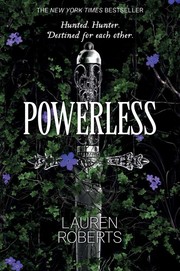
Powerless
Ordinary Paedyn hides in Ilya, saves Kai, and enters the Purging Trials while pretending an ability.
3,079-word summary · 14 min read
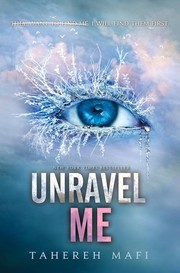
Unravel Me
Juliette trains at Omega Point while Warner hunts her and Adam's touch starts to hurt them both.
2,262-word summary · 10 min read
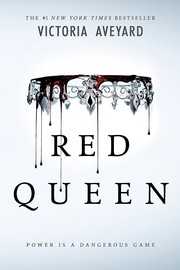
Red Queen
In a world split by red and silver blood, a Red girl with impossible powers is forced into palace lies, a royal engagement, and a rebellion she cannot trust.
2,522-word summary · 11 min read

The Hunger Games
Suzanne Collins's The Hunger Games explained: the reaping, Rue, the tracker jackers, the nightlock berry standoff, and what the arena is really for.
2,295-word summary · 10 min read
Mockingjay
Suzanne Collins's Mockingjay explained: Katniss as the symbol, District 13, Coin and Snow, and the speech that ruins victory for her.
2,474-word summary · 11 min read
Divergent
Veronica Roth's Divergent explained: the five factions, Tris's choice of Dauntless, the aptitude test, and where the trilogy's premise starts to crack under…
2,494-word summary · 11 min read
Catching Fire
Suzanne Collins's Catching Fire explained: the Quarter Quell, the arena's secret, Finnick and Johanna, and the moment the Games turn into a rescue.
2,459-word summary · 11 min read
Starsight
Spensa Nightshade goes undercover aboard the Superiority space station Starsight to steal a hyperdrive, and finds a frightened bureaucracy where she expected…
2,568-word summary · 11 min read
Edgedancer
Hungry street thief Lift and her vine-like friend Wyndle cross the Herald Nale in Tashikk when a child emperor shows Radiant signs and she refuses to step…
2,328-word summary · 10 min read
The Thief
A boastful young thief is pulled from a prison to steal a legendary stone for the king's magus, and the story he tells about himself is not the whole story.
2,514-word summary · 11 min read

Inkdeath
The final Inkworld novel sends Mo into the land of the dead, leaves Meggie choosing between two boys, and ends the Adderhead's immortality with three written…
2,062-word summary · 9 min read

Vow of Thieves
Kazi and Jase return to Tor's Watch to find it occupied, and their marriage is tested by captivity, betrayal, and a war for the town of Hell's Mouth.
2,059-word summary · 9 min read

The Lost Sisters
Taryn Duarte writes a letter to her twin, Jude, explaining how she fell for Locke and why she stayed silent while he used them both.
1,914-word summary · 9 min read
The Icebound Land
Captured and enslaved in Skandia, Will fights a drug that erases him while Halt and Horace cut a bloody road through Gallica to bring him home.
2,088-word summary · 9 min read

The Hunger Games Tribute Guide
The official 2012 companion to the first Hunger Games film profiles all twenty-four tributes and walks through the reaping, training, and interviews.
2,092-word summary · 9 min read

Magic Burns
A magic flare hits Atlanta, and mercenary Kate Daniels must recover stolen maps, find a missing witch, and keep a teenage girl alive while Celtic gods try to…
2,021-word summary · 9 min read
Year One
A plague released in Scotland kills most of humanity, and the survivors discover magic, build a town, and wait for a child who may save them.
2,029-word summary · 9 min read
Lioness Rampant
Alanna searches for the Dominion Jewel with the Shang Dragon, then returns to Tortall to face Duke Roger at Jonathan's coronation.
2,478-word summary · 11 min read

The Siren
Saved from a shipwreck in 1930, Kahlen becomes a siren who sings men to their deaths for the Ocean, until a boy in a college library makes her want a life she…
2,369-word summary · 11 min read
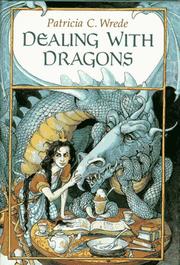
Dealing with Dragons
A princess who hates embroidery runs away to become the cook and librarian for a dragon, then has to outthink wizards, knights, and a plot against the dragon…
2,563-word summary · 11 min read

Cruel Beauty
A girl raised to kill the demon prince who rules her cursed land instead falls in love with him, in a retelling that mixes Beauty and the Beast with Bluebeard…
2,669-word summary · 12 min read