
Reading options
What's inside (8 sections)
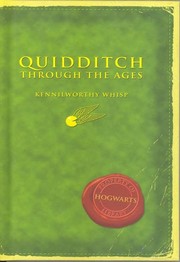
I bought Quidditch Through the Ages because my shelf felt wrong with only the seven Harry Potter novels on it. The shop had a slim red volume that looked like a schoolbook that had wandered out of Hogwarts. That is exactly the joke. This is a 2001 companion, published by Scholastic in a 64 page edition, sold to support Comic Relief alongside Fantastic Beasts and Where to Find Them. It pretends to be a Hogwarts library copy of the standard text on the wizarding sport, written by one Kennilworthy Whisp. Albus Dumbledore supplies a short foreword asking Muggles to enjoy it and to remember that the fund behind it helps children.
Do not open it expecting a plot. There is no Dark Lord here and no school year to follow. There is a textbook voice with a wink, plus lists of teams and chapters on brooms and balls. I read it in one evening with tea, pausing to picture matches I already knew from the novels. Harry catching his first Snitch. Viktor Krum diving at the World Cup. Ron defending the Cannons through losing seasons. The book never mentions those scenes by name. It does not need to. It builds the frame around them, and fans fill the middle.
The charity origin still shapes how I feel about it. The cover warns that this copy belongs to the Hogwarts library and that late returns bring trouble. The pages carry that schoolbook humor, with Dumbledore noting that the library agreed to share its treasure for a good cause. Money from early sales went to help children in need. Knowing that softens criticism. This was never meant to stand beside the novels. It was a small gift for fans that also did some good.
A Library Copy Sold For Charity
Dumbledore opens the book in his own voice, amused and a little sly. He explains that Madam Pince, the Hogwarts librarian, agreed to let Muggles read a wizarding textbook so that a charity might gain. He jokes about her rules on food and ink near books. He promises that Quidditch has a long past worth knowing. The foreword runs only a page or two, but it sets the contract. Read this as a school text that escaped its shelf.
Kennilworthy Whisp takes over from there. He writes as an enthusiast, the kind of fan who knows every cup final and loves the smell of cut grass on a pitch. His tone stays light and sure. He cites old manuals and letters. He argues with other writers on small points of history. He treats swamp games and moor games as seriously as other books treat wars. That mock care is the whole pleasure. Rowling lets a made up scholar fuss over made up sources until the sport feels old and rooted.
The 64 page length decides the pace. Chapters run short. Some read like essays. Some read like catalog pages. My Scholastic copy moves fast, with small drawings and simple breaks between parts. There is no padding and no subplot to carry you. You get history, rules, teams, and lore in quick turns. Readers who love marginal detail will grin. Readers who need story may check the page count twice.
It pairs neatly with Fantastic Beasts and Where to Find Them, its sister volume from the same charity effort. One covers creatures. This one covers sport. Both pretend to be Harry's schoolbooks. Both run short. I suggest reading them a week apart rather than back to back. Two joke textbooks in a row can blur. With space between, each feels like a visit to the same library for a different shelf.
Wobbly Brooms And Rough Early Games
Whisp starts far back, before Quidditch had a name. Wizards flew early brooms that were crude by modern standards, rough to steer and hard to sit. Muggles noticed more in those days, so flying meant risk. Players hid in marshes and on lonely moors. They chased whatever came to hand. They kept score by shouting. The book treats these scenes with fond humor, picturing cloaked figures ducking behind hills while sheep watched.
From that mess grew local games with local rules. Whisp describes contests played over bogs and ditches, where riders aimed at rocks or trees and tried to knock rival flyers into mud. One famous early game took shape above a marsh full of reeds, where players guarded two ends and hurled a leather ball through gaps in the reeds. Names varied by county. Customs varied by weather. Some games allowed tackling that would now bring instant whistles. Some let Keepers guard hollows instead of hoops. The charm here is the sense of a sport being born in many places at once, with no central board to say no.
Brooms improved and changed everything. Whisp traces the move from rough household brooms to shaped racing models built for speed and turn. Early makers shaped handles for grip and bound twigs for lift. Later shops tuned balance so riders could climb and dive without fighting the wood. As brooms grew faster, pitches grew larger and rules grew stricter. What had been a rough pond game turned into a fast sky game. I liked this link between gear and play. Better brooms added pace, and they forced new tactics, new fouls, and new jobs for officials.
The Golden Snitch gets its own sad and funny origin. Centuries ago, players hunted a tiny quick bird called the Snidget for extra points, with one agile hunter assigned to catch it. Crowds loved the chase. The birds did not. Numbers fell until wizards agreed the practice had to end. A clever metalworker then forged a small winged ball, walnut sized and charmed to dart and hide, as a stand in that no hawk would eat and no hunter could crush. The book tells this shift with mock gravity, mourning the old days while praising the fix. Modern fans know the rest. The new ball kept the thrill and spared the bird.
Seven Players, Four Balls, Three Hoops
The rules chapters form the heart of the book, and they read best if you picture a Hogwarts match while you go. Each side fields seven players. Three Chasers pass a red ball called the Quaffle and aim at three tall hoops. A Keeper guards those hoops. Two Beaters swing bats to knock away two heavy black balls called Bludgers, which fly about trying to unseat riders. One Seeker hunts the Golden Snitch. When the Seeker catches it, the game ends.
Scoring stays simple on paper and wild in practice. Each Quaffle goal counts ten points. The Snitch counts 150 points and closes the match. That split explains whole seasons in the novels. A side can lead on goals for hours, then lose everything on one catch. Whisp notes games that ran for days because Seekers could not find the tiny ball in wind or dusk. He mentions matches decided in minutes when a sharp eyed Seeker struck early. The lack of a clock gives Quidditch its strange shape. It ends only when the smallest ball is held.
Positions get warm sketches rather than dry charts. Chasers need hands and nerve, threading passes at speed while Bludgers hum past ears. Beaters need timing and loyalty, since a well hit Bludger saves a friend more often than it hurts a foe. Keepers need calm above all, watching three rings while the crowd roars behind them. Seekers need sight and patience, circling high while the rest of the game storms below. Whisp admires all four jobs but saves special love for Seekers, who must stay bored and ready at once. Anyone who played goal in school sports will feel a pang at the Keeper pages. Long waits, sudden blame, rare praise.
Balls and hoops earn loving detail too. The Quaffle starts red so riders can track it against sky and grass. Modern ones carry charms to fall slowly through air when dropped, sparing crowds below. Bludgers are bewitched to attack, which Whisp treats as normal with a straight face that made me laugh. Hoops stand tall on poles at each end, ringed and netted in later years to settle disputes about near misses. Pitches grew to oval fields with marked lines and wards to keep Muggles looking elsewhere. Reading this after the novels, I kept mapping each note onto school games I remembered. The page about high tackles sent me straight back to one house match in the rain.
Fouls, Cups, And Club Teams
Whisp clearly adores the rude parts of history, and the fouls chapter shows it. The book lists whole families of fouls, from grabbing a rival's broom tail to blocking the sun on purpose. Some involve bats used wrongly. Some involve elbows and knees at speed. Some involve Keepers straying too far from their rings. The tone stays mock legal, as if a patient clerk spent years sorting bad manners into boxes. My favorite bit is the claim that every listed foul turned up in a single early World Cup final, a match so wild that officials nearly gave up writing. Whisp reports this with pride rather than shame, as proof that the sport needed firmer hands.
The World Cup gets a brisk but stirring history. Whisp explains how national sides grew from club roots and how the tournament settled into a grand cycle that crowds plan years around. He sketches famous finals without stopping the book for full play by play. He notes how rules tightened after rough years, how Snitch craft improved to foil hiding charms, and how stadium wards grew stronger as crowds grew larger. Readers coming fresh from the Goblet of Fire will enjoy placing that book's famous final into this longer line. The tents and songs and painted faces suddenly have centuries behind them.
Club teams fill the back pages like cards in a box. British and Irish sides lead the roll, which suits a Hogwarts shelf. The Chudley Cannons get the jokes they deserve, a beloved side famous for losing with style and for fans like Ron who stay loyal through thin years. The Holyhead Harpies fly as an all woman side with real pride and sharp history. The Montrose Magpies and the Tutshill Tornados carry older glory and louder crowds. Whisp adds short notes on colors and pride rather than full season tables. Continental and world sides pass by in quick mentions to show how wide the game has grown. I wanted more stories here and fewer names. But as a shelf reference, the roll works. It gives young readers teams to claim as their own.
Tactics get light but tasty coverage. Whisp names classic moves with mock care, from tight passing rings to Seeker feints that mimic a sighting to drag the rival Seeker off course. He warns that pretty moves fail against plain discipline. He praises Keepers who study Chaser habits and Beaters who guard their Seeker like sheepdogs. None of this runs long enough to feel like coaching. It reads like bar talk after a match, which is the point. You close the chapter wanting to watch a game, not to diagram one.
Reading A Sixty Four Page Textbook For Fun
Short books ask for a special kind of reading, and this one rewards slow eyes. I found it best in two sittings with a break for cocoa. The first half carries the history and the broom craft, which read like stories. The second half carries rules and teams, which read like lists to dip into. Trying to push straight through made the team roll blur. Pausing let names settle. Going back to check a foul after finishing felt like using a real reference book, which pleased the school fan in me.
The humor lands in small touches. Whisp argues with rival scholars in footnotes. Dumbledore teases librarians and censors. Old letters complain about wives who hid brooms and husbands who flew into barns. One passage on early robes made me laugh out loud, picturing riders in flapping wool trying to look grand while freezing. The drawings in my copy help, with simple sketches of hoops and brooms and birds that break the lists into treats. Nothing here aims for big jokes. The wit stays dry and fond.
Age range feels wide. Confident young readers can manage the sentences, though some history pages ask for patience. Adults who grew up with the series will catch more winks, from remarks on fame to notes on betting and press coverage that echo the novels. I read parts aloud to a nephew who loves sport but had not finished the novels, and the rules chapters held him. The history chapters lost him until I tied them to matches he knew. That seems right. The book works alone, but it glows brighter beside the series.
Place and mood matter too. This is autumn reading, blanket weather, rain on glass. It suits a weekend when you want the wizarding world without a heavy plot. I kept my copy near the novels so I could flip to it when a match started on the page. That cross reading felt like the true use. The novels supply the drama. Whisp supplies the program notes.
What Works And What Feels Thin
What works is voice and frame. Whisp sounds like a real fan writing a real handbook, and Dumbledore sounds like himself in two pages. The history of brooms gives the sport roots. The Snidget story gives it a heart. The rules chapters answer questions the novels leave hanging, like why games can run so long and why one catch matters so much. At its best the book makes Quidditch feel older than Harry, which deepens every school match that came before it in print.
What feels thin is no surprise at 64 pages. The team roll leans list heavy, with many names and few tales. A fan can love claiming the Cannons, yet still wish for one full story about a famous season instead of three short notes. The fouls chapter charms but repeats its trick. The World Cup history skims where it might have soared. Readers who want fresh magic or new plot will close the book hungry. This is dessert, not dinner.
The fairest criticism is that the book serves completists first. If you live for Hogwarts detail, for library stamps and textbook jokes, these pages feel like home. If you came for story, borrow rather than buy. I count myself in the first group on most days, and I kept smiling. On stern days I admit the limits. A short companion cannot carry the weight the novels trained us to expect.
Still, I am glad it sits on my shelf. It cost little, it helped a charity at launch, and it answers pub style questions with confidence. How many players. Why the Snitch counts so much. Which team wears which pride. Read it with Fantastic Beasts for a matched pair of school nights. Read it before a reread of the fourth Potter book, when the World Cup fills the sky with tents. Then put it back beside the novels, where a Hogwarts library copy belongs, and let it wait for the next rainy match day.
FAQ
Is Quidditch Through the Ages a Harry Potter novel?
No, it is a 64 page companion textbook credited to Kennilworthy Whisp, first sold in 2001 to support Comic Relief.
Do I need to read the Harry Potter books first?
It helps, since team jokes and Hogwarts framing land better with series knowledge, though the rules chapters stand alone.
Should I read it with Fantastic Beasts?
Yes, the two 2001 charity companions pair well, with one covering sport and the other covering magical creatures in short sittings.
Similar books
Fantastic Beasts and Where to Find Them: The Original Screenplay
Newt loses his case in 1926 New York while Grindelwald hides as Graves and Credence breaks.
2,092-word summary · 9 min read
Fantastic Beasts and Where to Find Them
Newt Scamander's Hogwarts textbook catalogues 85 magical beasts across five continents.
2,669-word summary · 12 min read
The Tales of Beedle the Bard
Five wizard fairy tales from Hermione book, with Dumbledore notes, including the Three Brothers and the Hallows.
2,663-word summary · 12 min read
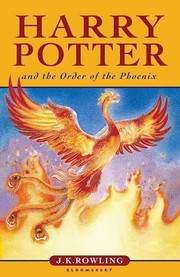
Harry Potter and the Order of the Phoenix
Harry Potter and the Order of the Phoenix explained: the D.A., Umbridge's regime, the Department of Mysteries, and the loss that changes the series.
2,249-word summary · 10 min read
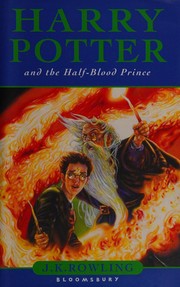
Harry Potter and the Half-Blood Prince
Harry Potter and the Half-Blood Prince explained: the Pensieve, Tom Riddle's past, Slughorn's memory, and the ending that sets up the last book.
2,018-word summary · 9 min read
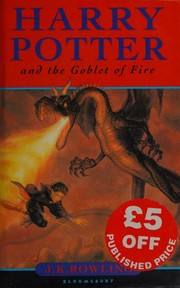
Harry Potter and the Goblet of Fire
Harry Potter and the Goblet of Fire explained: the Triwizard Tournament, the graveyard, Bertha Jorkins, and the point where the series stops being a school…
2,199-word summary · 10 min read
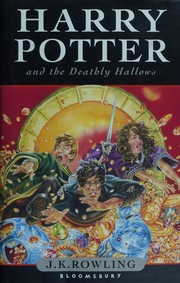
Harry Potter and the Deathly Hallows
Harry Potter and the Deathly Hallows explained: the hunt for Horcruxes, the Resurrection Stone, Snape's memories, and how the series ends in the forest.
2,218-word summary · 10 min read
Harry Potter and the Philosopher's Stone
How Harry Potter and the Philosopher's Stone introduces Hogwarts, the Dursleys, Quidditch, and Voldemort: the first book's plot, its quiet setup, and why the…
2,165-word summary · 10 min read
Harry Potter and the Chamber of Secrets
Chamber of Secrets: Dobby's warning, the flying car, polyjuice potions, and the diary of Tom Riddle. What the second Harry Potter book does differently and how…
2,172-word summary · 10 min read
Harry Potter and the Prisoner of Azkaban
Prisoner of Azkaban, the mature third book: Sirius Black on the run, dementors at the gates, Remus Lupin's secrets, and the time-turner finale that rewrites…
2,053-word summary · 9 min read

The Blinding Knife
Kip trains to join the Blackguard while the Prism hides his true identity, loses his colors, and fights a war against a rogue drafter who wants to birth a god.
2,049-word summary · 9 min read

Inkdeath
The final Inkworld novel sends Mo into the land of the dead, leaves Meggie choosing between two boys, and ends the Adderhead's immortality with three written…
2,062-word summary · 9 min read
Hounded
A two-thousand-year-old druid runs a bookshop in Arizona, hides from an Irish god who wants his sword back, and talks to his dog.
2,159-word summary · 10 min read
Dawnshard
Rysn sails toward forbidden Akinah to save her dying larkin and finds a Dawnshard guarded by the Sleepless.
3,229-word summary · 14 min read
The Field Guide
Three siblings move into a creepy Maine estate, anger a brownie, and find a forbidden guide to the fairy world in the first Spiderwick book.
2,033-word summary · 9 min read

Magic Burns
A magic flare hits Atlanta, and mercenary Kate Daniels must recover stolen maps, find a missing witch, and keep a teenage girl alive while Celtic gods try to…
2,021-word summary · 9 min read
Year One
A plague released in Scotland kills most of humanity, and the survivors discover magic, build a town, and wait for a child who may save them.
2,029-word summary · 9 min read
The Once and Future Witches
Three estranged sisters bring witchcraft back to an 1893 city where magic hides in nursery rhymes and the fight for the vote is also a fight for power.
2,132-word summary · 9 min read
Secrets of the Dragon Sanctuary
Kendra is replaced by a plant copy and held by the Society, while Seth steals a unicorn horn so the family can enter a dragon sanctuary.
2,590-word summary · 12 min read

Lioness Rampant
Alanna searches for the Dominion Jewel with the Shang Dragon, then returns to Tortall to face Duke Roger at Jonathan's coronation.
2,478-word summary · 11 min read

Blood Bonds
Oleander is chained in a Resistance camp, and her five Bonds have to find her before Silas Davies finishes what he started in this third Bonds that Tie book.
2,018-word summary · 9 min read
Witches Abroad
Three Lancre witches fly to Genua to stop a fairy godmother from forcing a servant girl into a storybook marriage, and find a city arranged around a happy…
2,651-word summary · 12 min read
The Time Paradox
When his mother falls ill with a fairy disease, Artemis Fowl travels back in time to find the extinct lemur that can cure her and confronts his younger self.
2,601-word summary · 12 min read

The Siren
Saved from a shipwreck in 1930, Kahlen becomes a siren who sings men to their deaths for the Ocean, until a boy in a college library makes her want a life she…
2,369-word summary · 11 min read

The Golem's Eye
Two years after The Amulet of Samarkand, Nathaniel is a rising bureaucrat, Bartimaeus is his unwilling servant again, and something made of clay is tearing…
2,299-word summary · 10 min read
Magician's Gambit
Garion and his companions cross haunted Maragor and the caves beneath Rak Cthol to recover the Orb of Aldur.
2,391-word summary · 11 min read
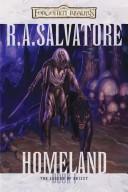
Homeland
Drizzt Do'Urden is born into the cruel drow city of Menzoberranzan, where his father teaches him to fight and to doubt everything his family believes.
2,303-word summary · 10 min read
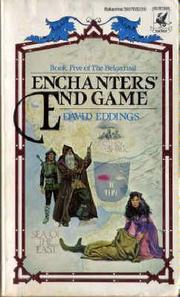
Enchanters' End Game
Garion marches toward Torak while Ce'Nedra leads the West's army in the final Belgariad volume, where prophecy and war meet.
2,557-word summary · 11 min read
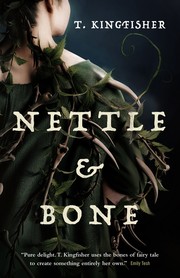
Nettle & Bone
Marra, a princess in a convent, leaves to save her abused sister, but first she must finish three impossible tasks: a bone dog, a nettle cloak, moonlight in a…
2,061-word summary · 9 min read
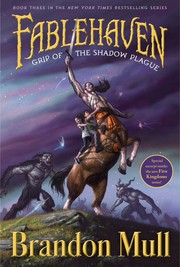
Grip of the Shadow Plague
A plague turns Fablehaven's creatures of light into shadows while Kendra hunts an artifact in Arizona and Seth races to find the cause.
2,131-word summary · 9 min read