
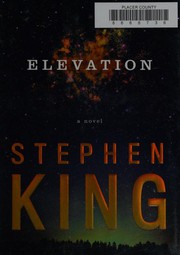
Elevation
2,984-word summary 13 min read 144 pages in the book
- First published
- 2018
- Publisher
- Scribner
- Pages
- 144
- ISBN
- 9781982102319
Reading options
What's inside (8 sections)
I picked up Elevation on a rainy weekend because I wanted something short after two long King books in a row. My shelf had just been through a 500 page stretch, and a 144 page hardcover from Scribner looked like a breather. It was published on October 30, 2018, right before Halloween, and King called it a novella more than a novel. I expected a spooky story. What I got was closer to a small town fable with one strange medical mystery holding the center.
Scott Carey lives in Castle Rock, Maine. He designs websites for a living. He is divorced. He is a little overweight and he knows it. Then the scale starts doing something impossible.
Every day he weighs a little less. He does not look thinner. His pants fit the same. His face looks the same in the mirror. He eats normally. He feels good, better than good most mornings. That mismatch is the hook, and King sets it fast.
Scott tells only one person at first. That is Doctor Bob Ellis, a retired doctor who lives up the hill. Bob is older, kind, practical, the sort of neighbor who will listen before he lectures. Scott trusts him because Bob will not turn him into a case study.
Bob puts him on the scale in his office. Scott weighs the same in jeans as in a heavy coat with his pockets full of coins. Same number. To the ounce.
That scene stayed with me. It is simple and it breaks physics in a way you can picture. Clothes should add weight. Dumbbells should add weight. Here they add nothing. Bob checks and rechecks. The number keeps sliding down day by day, no matter what Scott wears or carries. It is as if something in Scott is being subtracted that the scale can see and eyes cannot.
The man who weighs the same in any clothes
King gives Scott a calendar and a private name for the end. Zero Day. If the loss keeps going at the same rate, there will come a morning when Scott weighs nothing at all. He does the math on paper and circles a date in spring.
He does not want tests. He does not want a hospital bed or a team of specialists. He has seen enough stories to know how that goes. A man with an impossible condition becomes public property. So he asks Bob to keep quiet, and Bob agrees, though not happily. Bob is a doctor even in retirement. He wants blood work. He wants a referral. Scott says no, at least for now. He wants to finish a big freelance job, get his money sorted, and decide what to do with the time he has left.
What I liked here is how normal Scott stays. He keeps working. He walks into town. He shovels when he needs to. He notices that stairs feel easier. At one point he runs up and down the bandstand steps on the town common several times and barely gets winded. His body still looks like his body, but movement costs less. Later that lightness will cause trouble, because his muscles still push the way they always pushed. He misjudges. He bounces. He has to learn how to walk carefully, the way you learn to drive a car with touchy brakes.
Bob and his wife Myra form a sort of anchor for him. Myra is churchgoing and careful about appearances. Bob is more easygoing. When Scott finally tells them the full truth, their reactions feel true. Fear first, then practical questions, then sadness.
There is no villain in this part. There is just a man watching numbers fall and trying not to panic. King writes those early doctor visits well. Bob weighs him. They talk about gravity. They talk about whether appetite matters. They admit they have no answers. That honesty gives the rest of the book room to breathe, because the mystery never gets a fake scientific speech.
Deirdre and Missy next door
The other half of the story starts with dogs and a lawn.
Scott has new neighbors. Deirdre McComb and Missy Donaldson are married. They moved to Castle Rock to open a restaurant called Holy Frijole. Missy is warm and quick to smile. Deirdre is guarded, blunt, often cold to strangers. They have dogs, and the dogs have been leaving messes on Scott's grass.
Scott does what a lot of suburban guys do. He complains. He mentions it when he sees them. He thinks he is being reasonable. He does not hear how he sounds, which is like a man keeping score.
One night he gets proof. He takes a photo of the dogs in the act. He brings it to Deirdre. He expects an apology. Instead she gets angry. She tells him he has made his point and won his little war. Scott tries to backpedal. It does not work.
Missy comes over later to smooth things over. She explains that the restaurant is struggling. It opened about eight months back. The food is good. The room is clean and bright. But a lot of Castle Rock will not eat there because the owners are a married gay couple. Word travels. Pews talk on Sunday. Some folks stay away on purpose. Some just never get around to trying it, which amounts to the same thing.
That conversation embarrassed me a little, because I recognized Scott. He had talked to his neighbors exactly twice, both times about dog waste. He had never been inside their restaurant. He had opinions about them without knowing them. Missy does not accuse him in a loud way. She just lays out the facts. The place might close. They put savings into it. Deirdre acts tough because she has to.
Scott starts paying attention after that. He hears comments in town that he used to let slide. A joke at the store. A remark about who belongs in Castle Rock. He nearly gets into a fight when he calls out a group of men being crude about the couple. Deirdre hears about it and does not thank him. She tells him to stay out of it. In her view, a straight neighbor playing defender only makes them look weaker. That stung, and it felt honest. Help is not always helpful when the person did not ask for it.
I thought King handled Deirdre well. She is not written to be likable on demand. She has been an athlete, disciplined and proud. She trusts Missy completely and almost no one else. She assumes Scott carries the same quiet bias as the rest of town, and for a while she is not entirely wrong.
Doctor Bob and the strange math
Back at Bob's house, the weigh ins continue.
Scott keeps a log. The numbers drop. Two hundred and something becomes one hundred and something. He still looks like Scott. His wedding ring still fits. His coat still fits. Bob tries to find a pattern. Does heavy food change anything? Does exercise? Does sleep? Nothing lines up except the steady downward line.
Bob keeps urging him to see a specialist in Boston or at least get imaging done. Scott keeps refusing. His reasons are selfish and understandable. He does not want to spend his last months being scanned and sampled. He just finished a large website job for a department store chain and got a big check. He has money. He has a house. He has a cat who needs care if things go badly. He would rather use the time than donate it to research.
They talk about Zero Day the way people talk about a storm date on a forecast map. It might shift. The rate of loss speeds up a little as the book goes on, which moves the date closer. Scott hides the faster rate from Bob for a while. He says he weighs more than he does. That lie is very human. He does not want his friend to worry early. He does not want the calendar to become the only topic at dinner.
Myra's part here is quiet but important. She does not approve of Holy Frijole at first, or not exactly. She has absorbed the town line about Deirdre and Missy. When Bob starts eating there and bringing food home, she resists. That resistance matters later, because her change of mind has to be earned, not flipped by one speech.
There is also Halloween in this middle stretch. Kids come to Scott's door. Some repeat what they heard at home about the women next door being bad people. That night pushes him. He decides he needs to be visible about where he stands.
This is where the book shows its Castle Rock roots. This town has a long memory in King's work. Bad things happened here. Cujo tore through it. Frank Dodd murdered in it. Sheriff Bannerman tried to hold it together. Leland Gaunt set up his shop here and turned neighbor against neighbor. Readers who know those books will feel the weight. Castle Rock is more than a backdrop. It is a place that has seen fear curdle into cruelty before, and it is doing a slower, pettier version of it again with the restaurant boycott.
A plan, a dinner, and a restaurant
Scott's first peace offering goes badly.
At Missy's suggestion, he brings Bob to Holy Frijole for dinner. He picks a night when Myra is away, because Myra would not come yet. The food is excellent. Anyone who has eaten at a small family place that cares will recognize the scene. Hot plates. Fast service. A room trying hard to feel festive while half empty.
Deirdre pulls Scott aside during the meal. She is furious. His run in with those men in town got back to her, twisted in retelling. She tells him he made things worse. She tells him to eat elsewhere and leave her wife alone. Scott leaves feeling foolish, which he was, a little. Good intentions do not erase the fact that he barged in.
He does not give up, though. He starts showing up in other ways. He eats there again. He brings friends. He talks about the food to people who will listen. Slowly the town notices. Some roll their eyes. Some get annoyed. A few get curious enough to try lunch.
Then Scott has an idea tied to running.
Deirdre used to compete. She plans to run Castle Rock's annual Turkey Trot, a 12K race that raises money for the rec department. It is a real town event, with crowds, kids, hot drinks, and locals who take it far too seriously. Deirdre has won it before. Scott, who surprises himself on the bandstand steps, decides to enter too.
He finds her before the race and proposes a wager. If she wins, he will leave them alone for good. No more talks on the lawn. No more awkward hellos. If he wins, Deirdre and Missy have to let him cook dinner for them at his house, with Bob and Myra invited, and they have to give conversation a real try.
Deirdre accepts. She assumes she will win easily. Scott looks like a middle aged web designer, not a runner. She has no idea how light he has become.
The wager is pushy, and King knows it. Scott is basically forcing contact through a bet. In real life this could read as creepy. In the book it reads as desperate, which is closer to the truth. Scott knows his clock is ticking. He does not have a year to win them over slowly. He has weeks.
The Turkey Trot
Race day is cold and wet, the kind of Maine late autumn morning that gets into your shoes.
Scott lines up near the back. People joke with him. For the first several kilometers, he paces himself. Then his lightness takes over. Hills that should burn his legs feel manageable. He moves up through the pack, past guys in fancy gear, past teenagers, past women who run this course every year.
By kilometer nine he hurts like everyone else. His lungs burn. His calves ache. Then near the top of the last big hill, something shifts. His breath steadies. He later calls it a sense of lift, as if the air got thinner and kinder at once.
The finish comes in rain. Deirdre is ahead, running strong. She glances back, sees Scott right behind her, and shock breaks her rhythm. She trips on the slick road and goes down hard. Scott could pass her. Instead he stops, bends down, lifts her up. For a second she feels how light he truly is, and she stares at him. He tells her to run.
She finishes first. He finishes right after. Cameras catch it. The local paper runs photos that night online. Scott helping Deirdre up. Missy hugging Deirdre at the line. Scott with an arm around both women, soaked and grinning. The captions write themselves.
That coverage changes everything for Holy Frijole. A favorable review of the restaurant runs with the race story. Curiosity does what lectures could not. People who would never cross a picket line will cross the street for tacos after seeing a photo they like. The dining room fills. Weeknights get busy. They hire help and stretch hours. Deirdre calls Scott that night to apologize for how she treated him. Her voice is different. Tired, but open.
They agree to dinner. Scott cooks at home. Bob comes. Myra surprises everyone by agreeing to come too. Missy and Myra discover they share practical interests, church suppers and gardening, and they talk like old friends by dessert. After the plates are cleared, Scott shows them what is happening to him. He steps on the scale with objects in his hands. No one laughs. The room goes quiet.
From then on they eat together weekly. Scott cooks or they bring food from the restaurant. Bob tells stories from his practice. Myra brings pie. Deirdre thaws by degrees. She still teases Scott, but the edge is gone.
I found these dinners moving in a plain way. There are no big speeches about tolerance. People just pass food and learn names. Myra, who started cold, ends up liking Missy a great deal. That shift felt earned because it came through meals, not arguments.
What lifts at the end
Winter closes in. Scott gets lighter fast.
By New Year he tells Bob he weighs around a hundred pounds when he is really down near seventy. He arranges for a local bookstore owner to take his cat. He has trouble walking now, because every step pushes too hard. He bumps into doorframes. He has to hold furniture to stay grounded. He orders a wheelchair and uses straps to keep himself seated. His house becomes a place he floats through more than walks through.
He has one last full dinner with the group in mid January. He tells the truth about the numbers. Missy later sends an email about what his friendship meant and how the town softened because he refused to look away.
When the scale shows just over two pounds, Scott calls Deirdre. He asks her to help him with his final plan. She agrees. She straps him into the wheelchair, wheels him onto the lawn at night, and releases the straps. The others watch from a short distance. Bob holds Myra's hand. Missy holds her breath.
Scott rises.
He goes up slowly at first, then faster, into the dark over Castle Rock. He carries a SkyLight firework, the expensive kind that blooms high. Far above the trees he lights it. Color bursts over town. People step onto porches to look. For a minute the sky holds light where a man used to be.
King leaves the mechanism unexplained. No cause is named. Scott does not come back down. The book treats his lift as both death and release, sad because his friends lose him, gentle because he chose the manner of it.
That ending will divide readers. Some will find it beautiful. Some will find it thin. I landed somewhere in between. The image of fireworks over a small Maine town works. The logic does not invite questions, which is probably the point. This was never a puzzle to solve. It was a countdown that forced a man to act kinder faster.
Now the fair criticism, because this book needs it.
At 144 pages, Elevation is slight even for a novella. The moral about prejudice is plain and often stated outright. The men who sneer at Deirdre and Missy feel sketched rather than lived in. Holy Frijole's turnaround happens quickly once the race photos hit, faster than real boycotts usually break. Readers who want the thick dread of Salem's Lot or the deep character work of 11/22/63 may feel shortchanged.
And yet the Castle Rock texture helps a lot. Knowing what this town endured in earlier books gives small moments extra pull. A kind act on a rainy road means more in a place where cruelty once had a free run. Bob Ellis feels like a real Maine retiree. Missy's tired hope feels real. The Turkey Trot chapters move. The weekly dinners glow without getting sugary.
Should you read it? If you like King in his warm mode, closer to The Green Mile than to Pet Sematary, yes. Read it in one sitting. Eat something good while you do. Then look up at the night sky on your way to lock the door. The book wants you to feel lighter, not because trouble vanished, but because you set some of it down on purpose. For me, on that rainy weekend, that was enough. I closed the covers, thought about my own neighbors, and wrote a note to try their new place across the street. Small steps. Scott would approve.
FAQ
When was Elevation published?
Scribner published it on October 30, 2018. The first US hardcover runs 144 pages and the ISBN is 9781982102319.
Is Elevation part of a series?
No. It stands alone, though Castle Rock links it to Cujo, The Dead Zone, and Needful Things.
Who are Deirdre and Missy?
They run Holy Frijole. Scott befriends them, runs the Turkey Trot with Deirdre, and their restaurant fills after photos of the race change local opinion.
Similar books
The Dark Half
A Maine novelist buries his violent pen name George Stark, then faces murders that carry his own fingerprints.
2,956-word summary · 13 min read
Night Shift
King's first story collection moves from haunted mills to killer cornfields, twenty early tales where ordinary places turn evil.
2,488-word summary · 11 min read
Christine
Misfit Arnie restores a wrecked 1958 Plymouth Fury that takes him over, forcing best friend Dennis and girlfriend Leigh to fight back.
2,106-word summary · 9 min read
Needful Things
A smiling man sells exactly what you want for cash plus one small cruelty to a neighbor.
2,007-word summary · 9 min read
What Lies in the Woods
Naomi returns after Olivia vanishes to face what happened in the woods at eleven.
2,213-word summary · 10 min read
The Last House Guest
A year after her best friend dies in Littleport, Maine, a local woman finds a hidden phone that reopens the case.
2,596-word summary · 12 min read
Evvie Drake Starts Over
A widow hiding a painful secret rents her back apartment to a pitcher who lost his throw, and they slowly learn to start again.
2,584-word summary · 11 min read

The Boy, the Mole, the Fox and the Horse
A lonely boy crosses wild country with three animals and learns small lessons about kindness, courage, and asking for help.
2,852-word summary · 13 min read
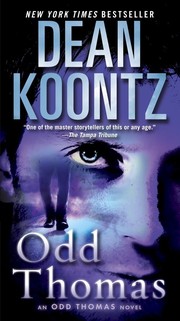
Odd Thomas
A twenty year old fry cook who sees the dead tries to stop a mass shooting in his desert town.
3,797-word summary · 17 min read
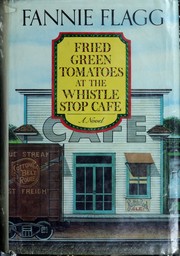
Fried Green Tomatoes at the Whistle Stop Cafe
Evelyn meets Ninny in a nursing home and hears the story of Idgie and Ruth and their Alabama cafe.
2,825-word summary · 13 min read
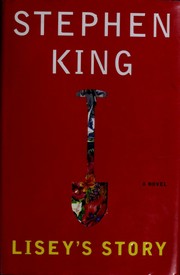
Lisey's Story
Two years after her novelist husband dies, Lisey Landon follows a trail of clues into his childhood and the other world that made him a writer.
1,998-word summary · 9 min read
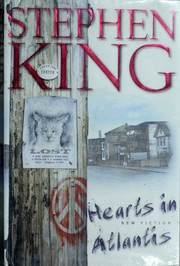
Hearts in Atlantis
Five linked stories follow Bobby Garfield, Carol Gerber, and their friends from a haunted childhood in 1960 to the long aftermath of Vietnam.
2,402-word summary · 11 min read
Everything's Eventual: 14 Dark Tales
Fourteen Stephen King stories shuffled by the deal of a card deck, from the haunted room of 1408 to quiet tales of grief that sting as much as the monsters.
2,000-word summary · 9 min read

If It Bleeds
Holly Gibney faces an outsider plus three more tales of dread.
2,219-word summary · 10 min read
Four Past Midnight
Four novellas about a plane lost in time, a writer haunted, and horrors small and large.
2,584-word summary · 11 min read

Skeleton Crew
King's 1985 collection pairs The Mist with The Jaunt, The Raft, and Survivor Type: 22 stories of Maine dread.
3,209-word summary · 14 min read
Revival
Jamie Morton shadows preacher Jacobs from boyhood healings to electric cures that open a door best left shut.
2,037-word summary · 9 min read
Later
Boy Jamie Conklin sees dead people who must answer truthfully, pulling him into NYPD cases and a drug crew's greed.
2,009-word summary · 9 min read
Duma Key
After losing his arm, Edgar Freemantle paints on a Florida island and learns his pictures can open doors for something hungry.
2,530-word summary · 11 min read
Desperation
Travelers on Highway 50 are hauled into empty Desperation, Nevada, where a possessed deputy serves an old thing in the mine.
2,993-word summary · 13 min read
Joyland
Heartbroken Devin works a 1973 carny summer, probes an old Horror House murder, and befriends dying Mike.
2,059-word summary · 9 min read
Insomnia
Widowed Ralph stops sleeping in Derry and sees small doctors with scissors deciding who lives and dies.
3,605-word summary · 16 min read
Dreamcatcher
King's 2001 novel follows four Maine friends whose hunting trip meets an alien crash. A friendship story wrapped in graphic infection horror.
2,627-word summary · 12 min read

Bag of Bones
A blocked novelist returns to his Maine lake house after his wife dies and faces a custody fight and old ghosts.
2,616-word summary · 12 min read

Under the Dome
Chester's Mill is sealed under an invisible dome as cook Barbie and editor Julia face Big Jim Rennie's rule.
2,731-word summary · 12 min read
Doctor Sleep
Grown Dan Torrance gets sober in New Hampshire and helps gifted Abra Stone face the True Knot.
2,841-word summary · 13 min read
Cujo
A rabid St. Bernard traps a mother and her young son in a broken-down car at a lonely Maine garage.
2,910-word summary · 13 min read
The Outsider
Coach Terry Maitland's DNA and witnesses point to an impossible murder, until Ralph Anderson and Holly Gibney trace it to El Cuco.
2,586-word summary · 11 min read
'Salem's Lot
A writer returns to Jerusalem's Lot as an old house fills with vampires.
2,046-word summary · 9 min read

Pet Sematary
Doctor Louis buries Church and then Gage in ground that returns them wrong, learning dead is better.
2,158-word summary · 10 min read