
Reading options
What's inside (9 sections)
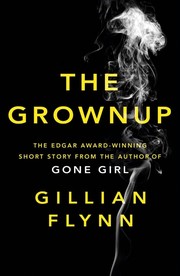
I picked up The Grownup because I had a free evening and wanted something short that still felt like Flynn. It was published as a standalone in 2015 by Crown, 64 pages in the US hardcover, and it won the Edgar for Best Short Story after first appearing as What Do You Do? in the Rogues anthology edited by George R. R. Martin and Gardner Dozois. I read it in one sitting on the couch with tea going cold, and then I sat there annoyed in the way only Flynn can make me feel. This is a full retelling, so every major turn is below, from Spiritual Palms to Carterhook Manor to that car ride at the end.
People tell you it is a ghost story. It is, but it is also a con story, and the con part hooked me faster.
A woman who fakes it for rent
Our narrator never gives her name, which fits because she makes a living being whoever the client needs. She grew up poor with a mother who pushed her to beg and hustle, and she learned early how to read a room and tell people what they want to hear. As an adult she answers an ad for a receptionist job at a place called Spiritual Palms. Receptionist turns out to mean something else. The shop has a front and a back in every sense. Out front there are aura readings and fortune talk. In the back there are sex services for cash, the kind she describes in blunt practical terms.
She is good at the back room work for a while because she is observant and keeps boundaries cold. Then her wrists give out. Her boss suggests she try the front instead, and she jumps at it. She has watched enough psychics to fake it well. She learns the cold read, the nod, the silence that makes clients fill gaps.
What I loved here is how honest she is about the trick. She does not claim gifts. She watches rings and shoes and tired eyes, then repeats fears back as visions. She likes books too. She mentions old haunted house novels like The Turn of the Screw and The Haunting of Hill House, not to show off but because she still thinks about those plots in strange houses. That love of reading makes her feel less flat than a simple liar. She is tired, funny in a sour way, always doing math about rent.
Her life before Susan is small and grubby. A tiny apartment. Counting tips. Trying not to get caught. She is not proud and not exactly ashamed either. She calls it survival. Flynn writes that voice so well I almost missed how lonely she is. No real friends, no partner who stays, no family she trusts. When a rich client walks in, she sees money and a break from routine.
Susan Burke wants her house cleaned
Susan Burke comes into Spiritual Palms on a rainy April morning. The narrator clocks her at once. Pretty, well dressed, rich, married, restless. The kind of woman who has a nice life on paper and still feels cheated. The narrator decides Susan wants a little drama to prove her life is real, and she is ready to sell it.
Susan says she just moved with her husband and her fifteen year old stepson Miles into an old Victorian called Carterhook Manor. She thinks the house is haunted. Or Miles is troubled. Or both. She talks fast and cries a bit. Her husband travels and leaves her alone with the boy. She feels watched. She hears things.
The narrator smells a long job. She invents a home aura cleansing on the spot, where she will walk the rooms and charge for return visits. Susan agrees fast, almost relieved to pay.
I have to pause here because Flynn nails this deal. Susan is not stupid, but she is hungry to be believed. The narrator is not evil, but she is hungry to be paid. Both agree to pretend for different reasons. If either had been honest, nothing bad would happen.
My one gripe this early is how fast the hook sets. Susan hands over trust very quickly. In a novel Flynn would give her two chapters of backstory. Here we get a few lines. It works because the pace is part of the fun, but it also means you have to accept the premise and keep moving.
Carterhook Manor and Miles
Carterhook Manor is exactly what you picture when someone says creepy Victorian. Tall, dark wood, heavy curtains, stairs that creak, rooms that stay cold. The narrator walks in ready to fake awe and finds she does not have to fake much. The place feels heavy. She tells herself it is old house noise and nerves, and part of her believes that, and part does not.
Then there is Miles. Fifteen, thin, polite in a rehearsed way, with eyes that stay on you too long. He draws violent stuff and talks about the house as if it has moods. He tells long tangled stories about what lives there. Readers sometimes refer to those bits as the Nercol stories, after the strange lore Miles spins about the spirits tied to the property. The point is less the names and more how committed he is. He speaks like a kid who told himself these tales until they went solid.
Susan hovers. She tries warmth with Miles and fails. She corrects him, apologizes, corrects again. Miles answers with flat courtesy near mockery. The husband stays mostly a voice on the phone. You feel the strain without anyone stating it. Susan moved for her husband a year ago, left old friends, and now sits in a big house with a boy who scares her.
The narrator does her routine. She walks room to room, pauses, claims pressure or heat, advises small changes. Susan follows like a student. Miles follows too, amused. Once he says something cruel and precise that shows he sees through her act. She laughs it off, then replays it later and feels less sure.
What got under my skin was how Flynn lets the haunting stay possible. A door shuts when no one is near it. A cold patch hangs in a hallway. Susan hears steps. The narrator feels breath on her neck in a room she thought was empty. Are these tricks of an old building and tired minds? Probably. But Flynn spaces them so you start to doubt your doubt. The narrator, who owns books about ambiguous ghosts and prides herself on not believing, starts to sleep badly. She checks locks twice. She thinks about Carterhook when she is supposed to be working other clients.
When the fake psychic starts to believe
She goes back because Susan begs and pays well. Each visit adds weight. Susan looks worse, thin and jumpy. She says Miles is bolder, leaving nasty notes, staring at her while she sleeps. Miles tells the narrator in private that Susan exaggerates, drinks, hates him and wants him sent away. Both stories sound true in pieces.
The narrator tries to stay false and professional. She burns herbs, tells Susan to open curtains and use the rooms, gives her phrases for night. But privately she cracks. She stands upstairs one afternoon and feels watched so strongly she speaks aloud to no one. She leaves fast and sits in her car shaking.
That shift flips her role. She came to use Susan. Now she worries she cannot help her. She thinks about confessing she is a fraud and telling Susan to find a counselor or leave the house. Shame and money stop her. She keeps taking jobs while hating herself more.
Miles keeps testing her. He asks what she really does at Spiritual Palms, smirking like he knows. He describes violent scenes from his notebooks to see if she flinches. He trails her down halls and goes silent when she turns. The narrator, who handled drunk men and angry wives, finds a fifteen year old frightening.
I found this middle stretch the strongest writing. It moves on small domestic beats. Dishes left out. A TV too loud. A stepmother trying to hug a boy who goes stiff. A hired psychic who does not believe sitting on a bed trying to name what she feels. If you like ghost stories for mood rather than shocks, this part stays with you.
The weakness shows here too. Sixty four pages cannot hold a full haunting plus a full family drama. Carterhook gets no real history. We never learn who built it or what records say. Susan gets no friends to check her story. Flynn asks us to fill gaps with genre memory, and most of us will, but a few scenes feel thin.
The first twist in the living room
Everything tilts when the narrator tells Susan to stop paying for cleansings and get real help. She means it as a half confession. Susan cries. Miles watches. After Susan leaves, Miles corners her and drops a bomb.
He says Susan husband was a back room regular, serviced by the narrator herself more than once, though she would not know him by name. He says Susan found out and set this up as revenge. The haunting is bait. Susan plans to kill the narrator and Miles, then stage the narrator as intruder. He begs to leave in her car now.
Read that twice because Flynn wants you dizzy. If Miles is right, Susan is planner, not victim. Tears were acting. The wife saw the girl her husband paid for and decided to destroy her. The narrator, who thought she was smartest in the room, was picked as mark.
She believes him because fear persuades and details line up enough. The husband is absent. Susan looks guilty. Miles looks scared. She serviced many men she never saw fully and cannot rule out the husband. Shame floods her. She pictures exposure and headlines. So she moves. She gets Miles in her car and drives, thinking she saves them both.
I bought this the first time and felt tricked in a good way. It fits Flynn love of women who perform weakness. For ten pages you think this is a wife punishing a husband through the other woman. Ugly and plausible.
But keep your seat belt on. Flynn is not done.
The second twist in the car
Out on the road, Miles changes. The scared act slips. He says he lied. Susan knows nothing about any affair. He made up the murder plot to get her driving. Now she is in deeper trouble.
He says he set her up as thief and kidnapper. He took things and planted a story she stole and grabbed him. Who will police believe, a fifteen year old rich boy or a woman with fraud and sex work in her past? He threatens to turn her in unless she poses as his adult guardian and drives him around the country, starting with a convention for fans of the supernatural. He needs adult cover to move, book rooms, look normal.
She realizes a child played her. Worse, Miles may be dangerous beyond lying. She replays his grisly stories and flat threats and wonders if he hurt people before. She cannot ditch him easily. He has her name, workplace, plates. He can call Susan or police and ruin her. She is trapped by illegal work and lies. A respectable citizen could call for help. She cannot without exposing herself.
So they drive. No big fight, no exorcism, no courtroom. A tired young woman and a creepy teen heading across country toward a ghost convention, bound by blackmail and mutual use. She hates him and pities him a little. She sees herself in his hustle, how he reads adults and finds the soft spot. She knows she should run at the first gas station and knows she likely will not, because where would she go?
When I finished I laughed once, then felt cold. The ghost may or may not be real. Human danger is real. Flynn leaves it open like those old books the narrator loves where you never learn if the governess saw ghosts or went mad. Threads from 2015 still argue about whether Susan or Miles was the threat. That argument is the point. You decide who conned whom worst.
Length has to be named. The Guardian noted Flynn toys with ghost rules in a heavy way and the grimy setup outshines the haunting. The Independent praised the suspense and double reveals but warned the short form makes clues easy to spot. I agree. The narrator voice feels lived in. Her sour humor, money math, fear of exposure. Carterhook never becomes Hill House. Miles flips from scared to mastermind fast because there is no room for slow. Susan flips victim to suspect to victim again without scenes to earn each move.
Still, for one sitting, it works. Creepy, mean, funny in spots, and it leaves a bruise. If you came from Gone Girl wanting another marriage war, this is smaller and stranger. Con girl meets ghost tale, no heroes.
Should you read it and what to watch for
Read it if you like unreliable narrators and endings that do not tie up. Do not expect a novel. The prose is plain and fast, short exchanges mixed with longer worried passages. Sex work is described in practical terms, with rough language and talk of violence in Miles stories, though Flynn keeps the worst off page.
Watch belief. The narrator sells it, Susan buys it, Miles mocks it. Watch money. Kindness has a price tag, then fear replaces cash. Watch reading itself. The narrator filters ghosts through books, which makes her smarter and easier to fool, because she expects a plot. Miles uses that against her.
I keep my Crown copy next to Sharp Objects. Slight, but it earns space. Just do not start it at midnight in an old house. You will hear pipes all night.
FAQ
When was The Grownup published?
It first ran as What Do You Do? in the Rogues anthology in 2014, then came out standalone on Nov 3, 2015 from Crown in a 64 page edition with ISBN 9780804188975.
Is Carterhook Manor really haunted?
The book never says. Cold spots, shut doors and pressure could be an old house or staging, and Flynn leaves it open in the style of The Turn of the Screw.
Should I read The Grownup before Gone Girl?
No. Start anywhere. Read this short con ghost tale first if you want Flynn fast, then try Sharp Objects, Dark Places and Gone Girl, which share themes but not characters.
Similar books
Gone Girl
Gillian Flynn's Gone Girl fully retold: Nick and Amy Dunne, the diary, Desi, the treasure hunt, and why the ending stays ugly.
2,334-word summary · 10 min read

What She Knew
Rachel lets her eight-year-old son run ahead in a Bristol park, and the nine-day search turns her into a suspect in the public eye.
2,952-word summary · 13 min read

The Beach House
A young valet is beaten to death at a Hamptons party, and his law-student brother spends a year building a case against the family that covered it up.
2,049-word summary · 9 min read

Six Years
A professor who promised to forget the woman he loved sees her husband's obituary and discovers that the wedding, the marriage, and the woman herself may never…
2,076-word summary · 9 min read

Rules of Prey
Minneapolis detective Lucas Davenport hunts a killer who leaves a new rule at every scene and treats murder as a game of wits.
1,914-word summary · 9 min read

4th of July
Lindsay Boxer shoots two armed teenagers in self-defense, faces a wrongful-death trial, and spends her leave chasing a string of throat-slashing murders in…
2,192-word summary · 10 min read

61 Hours
A bus crash strands Jack Reacher in a snowbound South Dakota town where a drug gang, a corrupt police force, and a single witness are on a collision course.
2,227-word summary · 10 min read

Still Missing
A realtor is abducted at a Vancouver Island open house and held for more than a year. Told through therapy sessions, the novel follows her escape and the hunt…
2,466-word summary · 11 min read

Bad Luck and Trouble
A deposit of $1,030 summons Jack Reacher back to his old army unit, which is being picked off one name at a time.
2,366-word summary · 11 min read

3rd Degree
The third Women's Murder Club novel follows a San Francisco terror cell and a three-day killing schedule, and it costs the club a member.
2,685-word summary · 12 min read

Worth Dying For
Reacher stops for one night in rural Nebraska and finds a family that runs the county, a missing girl and a shipment worth killing for.
2,021-word summary · 9 min read

Tinker, Tailor, Soldier, Spy
Retired spymaster George Smiley is brought back to find a Soviet mole inside British intelligence, and the trail leads through old friends, old betrayals, and…
2,092-word summary · 9 min read
The Best of Friends
Three lifelong friends discover their teenage sons were hiding more than anyone knew after a night that leaves one dead, one in a coma and one silent.
2,040-word summary · 9 min read

Say You're Sorry
A widowed prosecutor defends the teenager accused of killing her babysitter, uncovering a small town's secrets and a killer hiding in plain sight.
2,116-word summary · 9 min read

Echo Burning
Reacher hitches a ride with a Texas woman who wants her abusive husband killed, then has to prove she did not murder him when he comes home.
2,209-word summary · 10 min read
The End of Her
A sleep-deprived mother of twins faces a stranger's accusation that her husband murdered his first wife in Shari Lapena's domestic suspense novel.
2,383-word summary · 11 min read

Girl, Forgotten
A rookie US marshal guards a judge with a stalker and ends up reopening the 1982 prom-night murder of the judge's pregnant daughter.
2,111-word summary · 9 min read
When No One Is Watching
Sydney Green watches her Brooklyn block's Black residents vanish one by one in Cole's Edgar-winning thriller about gentrification as a crime scene.
2,165-word summary · 10 min read

The Woods
Twenty years after two teenagers were murdered and two vanished at summer camp, prosecutor Paul Copeland identifies a fresh corpse as one of the missing.
2,490-word summary · 11 min read
The Boy from the Woods
Wilde, found feral in a New Jersey forest in 1986, hunts for a missing teenager while a senator's secrets tear a wealthy town apart.
2,270-word summary · 10 min read
Without Fail
Reacher is asked to test vice presidential security by planning to kill.
2,084-word summary · 9 min read
Things We Do in the Dark
A comedian kills her husband, then a podcaster digs up her teen murder past.
2,427-word summary · 11 min read
The Widow
A widow of a suspected criminal faces reporters and police while hiding what her marriage really cost.
2,599-word summary · 12 min read
The Therapist
A couple moves to a gated street where the previous therapist was murdered in their house.
2,437-word summary · 11 min read
The Reappearance of Rachel Price
Bel films a doc when her missing mother walks back after years.
2,254-word summary · 10 min read
The Racketeer
A jailed lawyer trades a judge murder secret for freedom and revenge.
2,434-word summary · 11 min read
The Night Swim
A true crime podcaster covers a rape trial while probing an old drowning in a small town.
2,260-word summary · 10 min read
The Last House on Needless Street
A lonely man, a cat and a mysterious neighbor pull you into a house full of buried trauma.
2,627-word summary · 12 min read
The Judge's List
Lacy Stoltz hunts a sitting judge who murders off his list.
2,513-word summary · 11 min read
The Innocent
A government hitman refuses one kill and must protect a teenage girl at the center of a cover-up.
2,403-word summary · 11 min read