
The Fellowship of the Ring
2,315-word summary 10 min read 423 pages in the book
- First published
- 1954
- Publisher
- George Allen & Unwin
- Pages
- 423
- ISBN
- 9780547928210
- Series
- The Lord of the Rings (#1)
Reading options
What's inside (8 sections)
I came to this book late, after seeing the films first, and I expected a faster version of the same story. It is not. The first volume of The Lord of the Rings, published in 1954 by George Allen & Unwin, moves at the pace of walking, eating, and worrying. That turned out to be the point. Tolkien wants you to live in the Shire before it is threatened, and he spends long pages on hedges and inns to get you there. By the time the Black Riders appear, you understand what is at stake, because you have sat at the table and heard the jokes. The slowness is the argument.
A Long Expected Party and a Dangerous Inheritance
The story opens in Hobbiton with Bilbo Baggins preparing to celebrate his eleventy first birthday alongside his young cousin Frodo's thirty third. The party is huge, with tents and fireworks from Gandalf. Then Bilbo does something shocking for a respectable hobbit. He slips on his old magic ring in the middle of his speech, vanishes, and leaves the crowd talking.
What follows is quiet and strange. Back at Bag End, Bilbo tries to leave the ring behind for Frodo but finds he cannot let it go without pressure. He calls it precious and grows sharp when Gandalf presses him. Gandalf speaks sternly, Bilbo relents, and the ring falls to the floor. Bilbo leaves the Shire for Rivendell, laughing with relief and also looking thin, as if something had been pulling at him for years. It is a small scene with large shadows, and Tolkien plays it as friendship under strain rather than spectacle.
Gandalf tells Frodo to keep the ring secret. Then he goes away to learn what it is. Years pass in the Shire. Gandalf returns with fire and questions. He throws the ring into Frodo's hearth. Letters of fire appear, lines from an old verse about the One Ring and the Dark Lord Sauron. Gandalf explains the history as he understands it. Sauron made the ruling Ring in Mordor. It was cut from his hand in an old war. It was lost in a river. A creature called Gollum kept it in the dark for centuries. Bilbo found it under the mountains during the adventure told in The Hobbit. Now Sauron has risen again and his servants are searching.
This chapter is mostly talk in a small room, yet it sets the weight of the whole book. Gandalf refuses to take the ring himself because he knows it would master him through his wish to do good. Frodo agrees to leave the Shire, though he is frightened, and Gandalf warns him that the Enemy has spies everywhere. The quiet horror here is how ordinary the danger looks at first. A gold ring in an envelope.
All we have to decide is what to do with the time that is given us.
That line from Gandalf to Frodo kept returning to me later, when every choice in the book starts to feel too heavy for hobbits to carry.
Leaving the Shire by the Back Door
Frodo makes a plan that is half escape and half joke. He buys a small house at Crickhollow in Buckland so his move looks natural. Sam Gamgee, his gardener, is caught eavesdropping by Gandalf and is enlisted as a companion. Merry Brandybuck and Pippin Took turn out to know far more than Frodo guessed. They have watched him. They insist on coming.
Gandalf is supposed to meet them but never comes, and his silence hangs over the whole autumn walk. The four hobbits cross the Shire on foot, keeping to hedges and quiet lanes. Black Riders question farmers and innkeepers. The hobbits hear hooves, feel a cold attention, and hide in ditches. A farmer named Maggot, who once thrashed Frodo as a boy for stealing mushrooms, feeds them generously and drives them to the ferry in his cart. The river crossing feels like a narrow escape, with a Rider drawing up on the far bank as the boat pushes off into the mist.
At Crickhollow, Merry shows he has prepared clothing, food, and ponies, and means for them to slip into the Old Forest to throw off pursuit. The Forest itself is hostile. The trees move, the paths shift, and a great willow by the river Withywindle nearly swallows Merry and Pippin. Sam and Frodo build a small fire to get them out, and then they are rescued by a singing man in yellow boots.
Fair warning is needed here. If you want the plot to hurry, this stretch will try your patience. Tolkien slows for meals, mistaken paths, and songs. I found the slowness easier once I accepted that Tolkien is teaching distance. The Shire is small and known. Beyond its hedge, even trees have memory and malice.
Tom Bombadil and the Road to Bree
The singer is Tom Bombadil, and his house becomes a strange island of safety. Tom calls himself Eldest. His wife Goldberry sets the table and sings as she moves. In their house the hobbits sleep deeply and hear stories about badgers and lilies. Tom even takes the Ring, puts it on his finger, and does not vanish. He hands it back with a laugh, which frightens Frodo because it suggests Tom is outside the rules everyone else fears.
Tolkien has been criticized for this episode, and I understand why. Tom stops the chase cold. He speaks in rhyme. He answers no important questions. Yet I liked the effect on rereading. Tom shows that power is not the only form of strength. He is immune because he wants nothing the Ring offers. He cannot solve Frodo's problem because his immunity comes with indifference to control.
The barrow downs after Tom are worse than the Forest. A cold fog catches the hobbits on the hills. They are trapped in an old burial mound by a wight. Frodo calls for Tom, and Tom comes through the fog to break the spell. He frees them, gives them swords from the mound, and sets them on the road to Bree.
Bree is the first mixed settlement in the book, with hobbits and Men living side by side around the Prancing Pony inn. Barliman Butterbur the innkeeper is busy and forgetful. He holds a letter from Gandalf for Frodo, written months earlier, warning him to leave the Shire and to trust a man called Strider. Butterbur forgot to send it. Frodo, trying to lie low, drinks too much and slips the Ring on by accident when he falls. The inn crowd sees him vanish. A lean weatherworn man in the corner watches everything and asks to speak with them after.
Strider, Weathertop, and Flight to Rivendell
Strider is Aragorn, though the hobbits do not know it yet. Sam distrusts him. Pippin talks too freely and confirms Frodo's identity to strangers. Strider argues that Gandalf vouched for him in the letter. He takes charge that night and guards the door while the Riders attack the empty beds with knives.
The flight from Bree is wet and slow, through marshes where every light might be a campfire or an eye. Strider leads them toward Weathertop, an old watch hill with broken stonework. On the hilltop they find a message from Gandalf scratched on stone, proof he passed that way three days before. That night the Riders find them. Frodo, feeling the pull of the Ring and the cold will of the wraiths, puts it on and sees their true forms. He is stabbed in the shoulder by a Morgul blade. Strider drives the Riders off with fire and sings over Frodo through the night, but the wound is poisoned and Frodo grows colder with each mile.
Strider searches for the plant athelas to slow the poison. Frodo drifts in and out of sight, seeing the world fade into grey. They meet Glorfindel, an Elf from Rivendell, who lends his white horse to Frodo. The Riders close in at the river Bruinen. The river rises in a rush of water shaped like horses and sweeps the Riders away. Frodo faints on the far bank and wakes in Rivendell.
Rivendell is rest and answers. Elrond heals Frodo. Bilbo is there, old and cheerful. Sam sleeps by Frodo's bed. I felt the relief physically after the long walk from Bree. Tolkien earns it by not hurrying. He lets Frodo be ill for days. He lets the reader sit by the fire and wonder if going on is worth it.
The Council and the Nine Walkers
The Council of Elrond is the longest talk in the book and the hinge of the plot. The Dwarves report that a messenger from Mordor asked about hobbits and a stolen ring. Boromir of Gondor tells of a dream verse that sent him north. Legolas reports that Gollum has escaped. Gandalf tells his own grim tale. He went to consult Saruman the White and found that Saruman had turned to study of the Enemy and wanted the Ring for himself. Gandalf was held on the tower of Orthanc and escaped only by the help of eagles.
Then the history is laid out in full. The forging of the Rings. Isildur cutting the Ring from Sauron's hand and refusing to destroy it in Mount Doom. Its loss in the river. Its finding by Gollum. Its coming to Bilbo and then to Frodo. Giving the Ring to Tom Bombadil would only postpone loss. Hiding it would fail. Destroying it in the fire where it was made is the only way. Frodo, who has been silent, says he will take it, though he does not know the way.
The Fellowship is formed around him. Nine walkers against nine Riders. Frodo and Sam with Gandalf, Aragorn, Boromir, Legolas, Gimli, Merry, and Pippin. The Company sets out in winter with little hope. Bilbo gives Frodo a shirt of mithril that can turn a blade. He also gives him Sting, the short sword that glows blue near Orcs.
Many readers stall at the Council because it is dense with names and old wars. That criticism is fair. Tolkien delivers pages of invented history through speech, and the pace stops while Elrond and Gandalf lecture. Boromir already doubts the plan. He wants to use the Ring against Mordor to save his city, and he says so plainly.
Moria, Lothlorien, and the Breaking
The Fellowship tries to cross the Misty Mountains at Caradhras and is beaten back by snow. They go under the mountains through the mines of Moria. At the west gate, carved doors open only to the Elvish word for friend. Inside is darkness and danger. Gimli hopes to find his kinsman Balin. He finds a tomb instead and drums in the deep.
Orcs attack in the Chamber of Mazarbul, where the Company reads the last pages of Balin's record book by torchlight. Frodo is speared and saved by the mithril coat, which leaves him bruised and gasping. The Company runs for a narrow bridge over black water. A Balrog, a shadowed fire spirit from the elder days, climbs toward them through the smoke. Gandalf stands on the bridge, breaks it with word and staff, and falls with the Balrog into the dark. The rest escape into sunlight and sit on the grass unable to speak. The wisest guide is gone, and Aragorn must lead though he did not seek the task.
Lothlorien follows grief with beauty. The Golden Wood is ruled by Celeborn and Galadriel. The Elves give the Company cloaks and lembas bread that sustains a walker for a day. Frodo looks into Galadriel's mirror, a basin of water that shows things that were and things that may be. When offered the Ring, Galadriel refuses it and passes her test. She gives gifts. To Sam she gives earth for the Shire. To Frodo she gives a phial of starlight. To Gimli she gives three hairs.
The end comes fast on the River Anduin after weeks of drifting past green shores. Boromir tries to persuade Frodo to bring the Ring to Minas Tirith, where his father rules and his people suffer siege and rumor. His city bleeds while the Council sends the weapon of the Enemy toward a volcano on foot, and he cannot bear it. Frodo refuses. Boromir reaches for the Ring, then weeps at what he has done. Frodo slips it on and runs. Orcs attack the camp with horns and arrows. Boromir defends Merry and Pippin to his last breath and dies under arrows among the trees. Merry and Pippin are carried off alive by Orcs. Frodo chooses to go on alone to spare his friends. Sam guesses his intent, wades after the boat, nearly drowns, and is pulled aboard by the hand. The book closes with two hobbits crossing eastward toward Mordor, with little food and no guide.
I admire this ending because it refuses comfort. The Fellowship fails as a plan within weeks, yet the failure feels honest. Boromir is not a villain. He loves his people and cannot accept that their best hope is to throw away a weapon. Frodo is not a hero in the trumpet sense. He runs and chooses a hopeless path because the hopeful ones are worse. Sam is the steady center who will not let Frodo go alone.
If I have complaints beyond pace, they are the ones many readers share. Tolkien loves songs and stops for them even when Riders are near. Women appear rarely, with Goldberry and Galadriel carrying most of the weight. The prose can be stiff in high speech, with farewells that sound carved rather than spoken. I kept reading because the physical world felt so complete. Cold river stones, wet boots, bread that keeps, cloaks that hide. The book persuades you that walking matters and that refusing power matters.
FAQ
Do I need to read The Hobbit before The Fellowship of the Ring?
It helps but is not required. The Fellowship explains how Bilbo found the Ring and gives Frodo Bilbo's sword Sting and mithril coat, so new readers can follow the quest.
Why does Tom Bombadil not join the Fellowship if the Ring has no power over him?
Tom is immune because he desires nothing the Ring offers, yet that same detachment means he would not guard or destroy it. The Council concludes he would forget it, so hiding the Ring with him would only delay Sauron.
Is The Fellowship of the Ring slow to read?
The first half is slow, with walking, songs, Tom Bombadil, and the long Council of Elrond history. The pace quickens sharply from Weathertop and Moria onward, so patient readers are rewarded with flight, battle, and the breaking at Amon Hen.
Similar books
More like The Fellowship of the Ring →More from The Lord of the Rings first, then related titles.

The Two Towers
Frodo and Sam crawl toward Mordor with Gollum while Aragorn, Legolas and Gimli chase orcs across Rohan.
2,284-word summary · 10 min read

The Return of the King
Frodo and Sam reach Mount Doom while Aragorn claims Gondor and Pippin and Merry fight at Minas Tirith.
3,341-word summary · 15 min read

The Horse and His Boy
Shasta and Bree flee Calormen to Narnia with Aravis and Hwin.
2,594-word summary · 12 min read
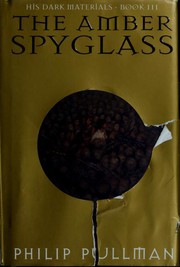
The Amber Spyglass
Lyra and Will cross worlds with amber spyglass to free ghosts and kill Authority.
2,252-word summary · 10 min read
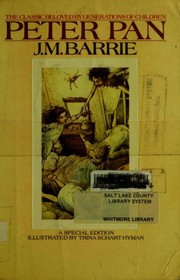
Peter Pan
Wendy, John and Michael fly to Neverland with Peter, face Hook, and learn what growing up costs.
2,502-word summary · 11 min read

Howl's Moving Castle
Cursed old by the Witch of the Waste, hatmaker Sophie Hatter talks her way into wizard Howl's moving castle and bargains with fire demon Calcifer to break the…
2,363-word summary · 11 min read