

Sizzling Sixteen
2,533-word summary 11 min read 309 pages in the book
- First published
- 2010
- Publisher
- St. Martin's Press
- Pages
- 309
- ISBN
- 9780312383305
- Series
- Stephanie Plum (#16)
Reading options
What's inside (9 sections)
- Vinnie goes missing and the clock starts ticking
- A polygamist, a toilet paper thief, and a guard alligator
- Morelli at the bakery, Ranger with his gadgets
- Stink bombs at the funeral home
- Mooner, the Hobbits, and a yard sale in the Burg
- Bluttovich, the fire, and the tower rescue
- What I liked and what drags
- Key takeaways
- FAQ
I came to this one sideways, the way a lot of people meet a long-running series. I had heard about the alligator long before I had read a single Stephanie Plum book. The alligator, it turns out, is real, it is a guard animal, and somebody feeds it fried chicken. The scene lives up to the rumor. Sizzling Sixteen is the sixteenth entry in Janet Evanovich's Stephanie Plum series, published in 2010 by St. Martin's Press, and the first edition hardcover runs 309 pages. It sits between Finger Lickin' Fifteen and Smokin' Seventeen. It reads like a book written for people who already know their way around Trenton, New Jersey, which is both its greatest strength and the reason a brand new reader might bounce off it hard.
Vinnie goes missing and the clock starts ticking
The trouble begins at Vincent Plum Bail Bonds, where Stephanie works as a bounty hunter for her cousin Vinnie. Vinnie is a capable bondsman and a hopeless gambler, and in this book his gambling has finally caught up with him. Connie Rosoli, the office manager who runs the place in all but name, fills Stephanie in. Vinnie has been grabbed by his bookie, Mickey Gritch, who caught him in a compromising situation with a sex worker on Stark Street. The debt comes to $786,000, close enough to a million dollars to feel hopeless. Gritch is not working for himself, either. He collects for Bobby Sunflower, a Trenton mobster, and Sunflower has given the office five days to produce the money before Vinnie is killed.
The office is in almost as much danger as Vinnie. The insurance company that backs the bonds business will not tolerate a bondsman with a gambling debt that size, so if Vinnie is not found and the money is not raised, Stephanie loses her job along with her cousin. That is what keeps her in the fight. She is not doing this out of family loyalty, exactly. She is doing it because the bonds office pays her rent, and a missing Vinnie means a closed office.
What complicates everything is who might help. Stephanie's on and off again boyfriend, Joe Morelli, is a Trenton police detective, the sort of man who could make a few phone calls and solve half the problem. The trouble is that the situation is illegal and embarrassing, and she does not want to explain it to him. Ranger, the security expert who has mentored her for years, can track people with gadgets she cannot afford and does not understand. He also happens to be Morelli's rival for her attention. Accepting help from either man means admitting she is in over her head, and admitting that means choosing between them in a way she is not ready to do. So she keeps both men at arm's length, and the book's central tension is really about how long she can keep doing that.
A polygamist, a toilet paper thief, and a guard alligator
While she hunts for Vinnie, Stephanie still has to work. Connie hands her a stack of FTAs, defendants who have failed to appear in court, because bringing them in is one of the few ways the office can generate cash before the deadline. The trio she goes after are a comic catalogue of Trenton low life. Dirk McCurdle is a seventy-two-year-old polygamist whose surname has been twisted into McCuddle because he has married four women. Lenny Pickeral has been stealing toilet paper from New Jersey Turnpike restrooms for close to a year, apparently as a protest against the quality of the paper. Mortimer Gonzalez, called Chopper, is a drug dealer whose file mentions a dangerous pet without bothering to say what kind of pet it is.
The pet is Mr. Jingles, a full grown alligator, and he guards one of Sunflower's money drops. This is the sequence the whole book is remembered for, and Evanovich builds it with the patience of a gag writer. Stephanie and Lula decide to steal Sunflower's cash and use it as ransom. The plan is to buy two buckets of extra crispy fried chicken from Cluck-in-a-Bucket, have Lula feed the alligator to keep it busy, and let Stephanie slip inside for the money. Lula, who is a former sex worker turned file clerk and driver with an appetite for doughnuts and a talent for chaos, throws herself into the role. The chicken works for about as long as chicken can work. Mr. Jingles gets loose, and Trenton has an alligator on the lam on its hands.
The other FTAs produce their own messes. Lula accidentally releases a herd of cattle from a slaughterhouse while chasing someone, and the animals end up loose in the streets. Stephanie asks Grandma Mazur to keep an eye out for Lenny Pickeral, which is a strange errand to give a widow who spends her days at funerals, but this is a strange family. These scenes are not really separate from the main story. Every bounty brings in a little money, and every disaster buys the office another day. Evanovich keeps the two tracks moving together so that Stephanie's bad days at work and her desperate search for Vinnie are the same bad day.
Morelli at the bakery, Ranger with his gadgets
The push and pull between the two men is the book's most dependable engine. Morelli finds Stephanie first, at the bakery the two of them have favored for years, and offers help. He gives her information and makes it clear he is available if she asks. She thanks him and does not ask, because involving a police detective in a mob kidnapping would take the whole business somewhere she does not want it to go. Ranger offers the other kind of help, the quiet kind built on surveillance and tracking and equipment that hums. He is better suited to the job, and that is exactly why she keeps refusing him. Every time she turns him down, she is protecting the slim chance that she and Morelli might get back together.
I have mixed feelings about this triangle. On one hand it gives the book a heartbeat beyond the capers, and Evanovich writes the awkwardness well. Stephanie's excuses are the excuses of a real person who is afraid to make a choice and would rather be miserable and noncommittal. On the other hand, sixteen books in, the same argument has started to feel like a holding pattern. Nobody grows. Morelli waits, Ranger watches, Stephanie dithers, and the ending restores the arrangement unchanged. If you came for the romance, you will get plenty of delightful banter and no resolution at all. That is a fair warning rather than a complaint about the writing, because the writing is usually sharp.
What works is that the men are genuinely useful. Ranger traces the larger threat and understands the mob connections that Stephanie cannot. Morelli brings police resources into the finale. The story never pretends she could do all of this alone, even while Stephanie insists she can. That gap between what she claims and what is true is one of the better jokes the series keeps telling on her.
Stink bombs at the funeral home
The investigation eventually points at Sunflower's businesses, and especially at his mortuary, which looks like a front for a good deal of criminal activity. Connie comes up with one of the group's better ideas: she makes jars of liquid stink bombs, the kind that clear a room in seconds. Stephanie, Lula, and Connie set them off at strategic points inside the funeral home, and while the occupants stumble outside gasping, Stephanie searches the upstairs rooms for Sunflower's money.
The operation turns from a theft into a rescue when they find Vinnie, and getting him out is only half the job. The criminals are still hunting him, so he has to be hidden while the women work out what to do next. The funeral home sequence brings together the three ingredients this book keeps mixing. There is a badly planned infiltration, there is Lula's boundless enthusiasm, and there is a ridiculous diversion built around smell rather than firepower. Evanovich knows exactly what she is doing here. The scene is staged like a heist in a comedy, with each step depending on somebody doing something deeply uncool in public.
Connie deserves more credit than she usually gets. She is the one tracking records, building the stink bombs, and keeping the office functioning while Stephanie and Lula turn Trenton into a disaster zone. When the office is attacked, she uses a gun effectively. She is the closest thing the book has to a competent adult, and her competence is played straight and never mocked. Vinnie, by contrast, is the source of the crisis and one of the least useful people in his own rescue, which is a running joke the book earns.
Mooner, the Hobbits, and a yard sale in the Burg
Money is the engine of the plot, so the book keeps inventing ways to raise it. Stephanie reconnects with Walter Dunphy, better known as Mooner, an eccentric friend who has started a dog service business called Golden Aura Dog Services partly to pay for the RV he lives in. Mooner gets pulled into the fundraising, and that means a convention he has organized called Hobbit-Con. The Hobbits are not little people from a fantasy story. They are convention attendees, a group of enthusiastic and essentially harmless fans, and the event features brownies with an illegal ingredient that send the comic side of the book into overdrive.
There is also a yard sale at the bonds office in the Burg, where Stephanie and the others try to turn their junk into Vinnie's ransom money. Running through all of this is the red bottle Stephanie inherited from Uncle Pip. She treats it as a lucky charm, and the book keeps it in view like a loaded detail waiting to be explained. It pays off at the very end, and the payoff is deliberately small and silly. The bottle holds the ashes of Lucky, Pip's guinea pig. Pip left it to Stephanie because she owns a hamster and he saw a rodent connection. That is the whole mystery. The anticlimax is the joke.
I enjoyed this stretch more than I expected to. Mooner and his Hobbits could have been a tiresome detour, but Evanovich uses them twice, first as comedy and then as the people who help save Stephanie, so the silliness has a purpose by the last chapter. The yard sale also does quiet work. Because the office is cleared out before the building is destroyed, the junk sale explains why certain dangerous materials are no longer lying around when the walls come down. Small touches like that are easy to miss, and they show how carefully the book is put together beneath all the noise.
Bluttovich, the fire, and the tower rescue
Underneath the gambling debt sits a more dangerous problem. The people Vinnie crossed are connected to Gregor Bluttovich, called Blutto, a Bulgarian mobster whom Ranger describes as violent, unstable, heavily in debt himself, and suspected of getting rid of business partners. This is the answer to the question the book keeps asking: why is a bookie willing to kidnap a bondsman over money? The money is only the visible part. Vinnie has tangled with people who do not settle accounts politely.
The conflict turns physical. Sunflower's house in Pennsylvania is firebombed, Vinnie is moved from one hiding place to another, and the bonds office itself is destroyed by fire and left as charred rubble. One of the stranger images in the book is Stephanie, Lula, Connie, and Vinnie returning to the site afterward and carrying on as though the office still exists, even though there is nothing there but smoke, water, and debris. It is funny, and it is also a little sad, because the office is the one stable place in Stephanie's messy life.
The climax takes Stephanie and Mooner prisoner. Bluttovich's men grab them and take them to his country property, where they are locked in a tower. This sets up the biggest action sequence in the book, a country house rescue involving Ranger, Morelli, police vehicles, and a couple of unlikely allies. Vinnie and the Hobbits have seen the kidnapping and followed the kidnappers. Vinnie calls Ranger, Ranger calls Morelli, and the rescue becomes a chaotic joint operation. The man whose behavior caused the entire mess ends up leading the people who save Stephanie, which is a neat bit of payback written into the plot.
The resolution leaves the romance exactly where it was. Stephanie is rescued, Vinnie is alive, the mob threat is finished for now, and both men are still standing there waiting for her to decide. The red bottle gets its explanation, and the book closes on a joke about a guinea pig rather than a grand statement about love or duty. That is the series in miniature, and I think it is the right choice even if it is frustrating.
What I liked and what drags
Let me be honest about the limits. The plot is thin. Strip away the cows, the alligator, the stink bombs, the brownies, and the yard sale, and you have a kidnapping story with a ransom deadline that the book stretches across three hundred pages. Several of the funniest scenes feel like set pieces that arrived first and were stitched into the story afterward. The comedy is uneven too. Lula's doughnut routine and the alligator chase land, while the Hobbit-Con material runs longer than it needs to, and a gag about a polygamist named McCuddle is thinner than the rest.
Stephanie herself can be exhausting. Her refusal to ask for help is the source of both the plot and the joke, but by the fourth or fifth time she declines assistance she is making a choice that a reasonably smart person would have made in chapter two. Readers who want a heroine who learns something may be disappointed. This is a book about a woman who survives her own bad decisions, not a book about a woman who outgrows them.
Newcomers should start with One for the Money instead. Sixteen books of history are assumed here, including Grandma Mazur's funeral habit, the Morelli and Ranger rivalry, Lula's background, and the whole system of bonds and FTAs that the book expects you to understand without a tutorial. There is no hand holding and no catch up chapter.
For everyone already in on the joke, this is a solid entry. The cast is funny and warm, Trenton is drawn with real affection, and Evanovich never lets the danger stay serious for long. The book's best moments are the ones where an absurd plan almost works, and its worst are the ones where the absurdity goes on past the point of a chuckle. I finished it glad I had spent the afternoon, and immediately aware that I would not be picking up the next one right away. That seems about right for a series this long. The alligator, though, I will remember.
FAQ
Do I need to have read the earlier Stephanie Plum books first?
It helps a great deal. This is book sixteen and it assumes you already know Grandma Mazur, Lula, the Morelli and Ranger rivalry, and how the bonds office works, so newcomers should start with One for the Money.
What is the guard alligator in Sizzling Sixteen?
Mr. Jingles is a full grown alligator owned by the drug dealer known as Chopper. Lula distracts him with two buckets of extra crispy fried chicken while Stephanie searches a money drop, and the alligator ends up loose in Trenton.
Does the romance between Stephanie, Morelli and Ranger get resolved?
No. Both men help rescue Stephanie in the finale, but the triangle is left unchanged, and the book closes with a joke about a guinea pig named Lucky rather than a decision.
Similar books
More from Stephanie Plum first, then related titles.

One for the Money
Janet Evanovich's One for the Money fully retold: Stephanie Plum's first bounty hunt, Morelli on a murder charge, Ranger, Lula, Ramirez, and why Trenton still…
2,339-word summary · 10 min read

Two for the Dough
Janet Evanovich's Two for the Dough retold: Stephanie Plum's second hunt, a missing gun dealer, Morelli and Ranger, and why Trenton still charms.
3,677-word summary · 16 min read
Three to Get Deadly
Stephanie hunts a beloved candy man holding army money everyone wants.
1,981-word summary · 9 min read

Four to Score
Stephanie hunts waitress Maxine Nowicki through coded clues, firebombs, and counterfeit cash while living with Morelli in Trenton.
2,870-word summary · 13 min read

High Five
Stephanie hunts missing Fred with Ranger's help while Morelli sulks and Grandma shops for funerals and husbands.
2,228-word summary · 10 min read

Hot Six
Stephanie Plum hunts a missing bail jumper tied to Ranger's mentor while Morelli, Lula, and Grandma Mazur stir Trenton chaos.
2,035-word summary · 9 min read

Seven Up
Stephanie hunts old mobster Eddie DeChooch, finds a body, a missing heart, and trouble from Morelli to Ranger.
2,798-word summary · 12 min read
Hard Eight
Janet Evanovich's Hard Eight fully retold: a missing mother and child, Abruzzi's medal hunt, Valerie's rescue, and Ranger crossing a line.
2,961-word summary · 13 min read

Visions of Sugar Plums
A strange man named Diesel appears in Stephanie Plum's kitchen days before Christmas and pulls her into hunting a bail-jumping toy maker. A short, silly, warm…
2,193-word summary · 10 min read
To the Nines
Janet Evanovich's ninth Stephanie Plum case retold: a missing skip, threats in Trenton, and a rescue run to Las Vegas.
2,839-word summary · 13 min read

Ten Big Ones
Stephanie witnesses a gang robbery dressed as a devil, and the Comstock Street Slayers put her on a list of people to kill.
2,062-word summary · 9 min read
Eleven on Top
Stephanie quits bounty hunting for normal jobs, but a killer and a wedding keep pulling her back.
2,508-word summary · 11 min read

Twelve Sharp
Stephanie Plum is stalked by a woman claiming to be Ranger's wife, and when Ranger's daughter is kidnapped, Stephanie becomes both bait and target.
2,064-word summary · 9 min read
Lean Mean Thirteen
Stephanie Plum's ex-husband disappears after she attacks him, leaving her suspected of murder and chasing a forty-million-dollar secret through Trenton.
2,100-word summary · 9 min read
Fearless Fourteen
Bounty hunter Stephanie Plum babysits a teenager, guards a fading singer, and hunts nine stolen million dollars under her boyfriend's basement.
2,466-word summary · 11 min read
Finger Lickin' Fifteen
Lula sees a celebrity chef decapitated and talks Stephanie into entering a barbecue contest to lure the killers, while Ranger hires her to find a security leak…
2,248-word summary · 10 min read
Smokin' Seventeen
Stephanie's bonds office is a motor home on a construction site where dead bodies keep turning up, and the killer seems to know her name.
2,342-word summary · 10 min read

Explosive Eighteen
Stephanie Plum flies home from a ruined Hawaii trip to find her seatmate murdered and a photograph that has the FBI, fake agents and a killer on her trail.
2,393-word summary · 11 min read
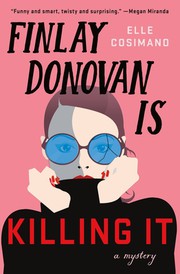
Finlay Donovan Is Killing It
A broke single mom novelist is mistaken for a hitwoman over lunch and takes the job. Funny crime caper, first in the series.
2,538-word summary · 11 min read
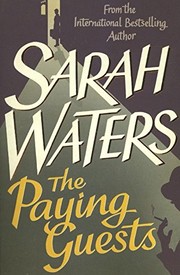
The Paying Guests
A widowed mother and her unmarried daughter take in lodgers in 1922 south London, and a secret affair between Frances and Lilian pulls them into a murder case.
2,661-word summary · 12 min read

Feet of Clay
A clay golem goes mad and a Patrician is poisoned as Vimes and the Watch untangle a murder plot in the nineteenth Discworld novel.
2,308-word summary · 10 min read

Size 12 Is Not Fat
Former teen pop star Heather Wells investigates two dorm elevator deaths while juggling her ex, her crush, and a size-12 wardrobe.
2,805-word summary · 12 min read

First Grave on the Right
Charley Davidson is a private investigator in Albuquerque and the grim reaper. When three murdered lawyers come back as ghosts, her two jobs collide.
2,770-word summary · 12 min read

Say You're Sorry
A widowed prosecutor defends the teenager accused of killing her babysitter, uncovering a small town's secrets and a killer hiding in plain sight.
2,116-word summary · 9 min read
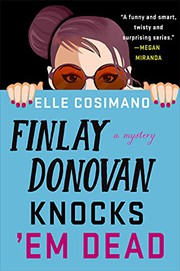
Finlay Donovan Knocks 'Em Dead
Someone has put a contract on Finlay Donovan's ex-husband, and the novelist and her nanny have to find the hitman before the school pickup.
1,990-word summary · 9 min read
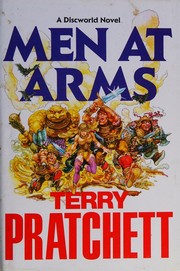
Men at Arms
The City Watch gets new recruits and a murder case when the Disc's only handgun turns up in Ankh-Morpork, in the fifteenth Discworld novel.
2,216-word summary · 10 min read
Dial A for Aunties
A wedding photographer accidentally kills her blind date, and her mother and three aunties help her hide the body during the biggest wedding of their careers.
2,076-word summary · 9 min read

Bridget Jones: The Edge of Reason
Bridget doubts Mark, takes a job with Daniel, and lands in trouble in Thailand.
2,198-word summary · 10 min read

Tangled
Told by a cocky businessman, a bet to win the new associate who rejects him turns into real pursuit, strict rules, a painful reveal and a wedding-level happy…
2,868-word summary · 13 min read

The Roommate
Uptight Clara shares a flat with porn star Josh and teams up to build ethical adult films for women.
2,362-word summary · 10 min read