
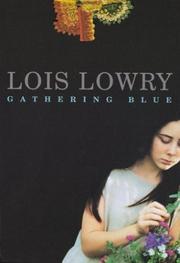
Gathering Blue
2,954-word summary 13 min read 215 pages in the book
- First published
- 2000
- Publisher
- Houghton Mifflin
- Pages
- 215
- ISBN
- 9780618055814
- Series
- The Giver (#2)
Reading options
What's inside (7 sections)
I reread The Giver years ago and remembered the sled and the apple and the terrible quiet of release. I had put off Gathering Blue for a long time because I assumed it was a straight sequel with Jonas back on the page. It is not that. Lois Lowry published it in 2000 with Houghton Mifflin, as the second volume in The Giver series, and it runs 215 pages in that first hardcover. It takes place in a different place, with different rules and different damage, and it follows a girl who makes pictures with thread. Once I stopped waiting for Jonas to walk in, I settled into a slower, sadder story about talent and control that felt worth the time.
Kira is the girl. She was born with a twisted leg that keeps her from running and climbing like other children. In her village that matters more than it should. Her people live in huts, hunt and farm in rough clearings, and leave the old and the weak to the beasts in the woods when they become a burden. Strength is prized. A limp is read as a burden. Kira survived childhood only because her mother Katrina stood up for her and taught her to weave, and because her father, a hunter, died in the woods before she was born, or so she was told. When Katrina dies suddenly from a sickness that moves through the village, Kira is left alone in a burned hut with a loom, a few cloths, and neighbors who want her plot of land.
The opening chapters are blunt about how exposed she is. Vandara, a strong woman with a sharp tongue and a scarred face, argues before the village council that Kira should be cast out to the Field to die, as custom demands for those who cannot work or who take up space. Vandara wants Kira hut site. She brings other women to back her claim. Kira, still grieving and dragging her bad leg, has to speak for herself. She says she can weave, that her hands are skilled, that her mother taught her patterns no one else remembers. Jamison, a member of the Council of Guardians, steps in and takes her side. He says the Council has a use for her. Vandara loses the vote. Kira is spared, but the price becomes clear fast. She will not live free in the village. She will live in the Council Edifice.
The Council Edifice
The Edifice is the largest building Kira has ever entered. It is stone, with many rooms and stairs and windows covered in hangings, and it smells of oil and dye and wood shavings rather than smoke and mud. Kira is given a small room with a bed, a lamp, clean water, and a wooden frame where she can work. Food arrives without begging. Someone else washes the floors. For a girl who expected to die in the woods, the comfort feels unreal, and Lowry lets that unreality sit without explaining it away.
Two other children live there under the same strange care. Thomas is a boy a little older than Kira, an orphan who carves wood. He was brought in after his parents died in a storm when trees fell on their hut. He now repairs and carves the Singer staff, a long pole covered in figures that tell the history of the people. Jo is much younger, a small girl with a clear singing voice who was taken after her parents died. She is being trained to become the next Singer, the one who wears the robe and sings the long Ruin Song at the annual Gathering. Jo lives mostly locked in a room, allowed out for lessons, lonely and tired and quick to cry.
Kira task is cloth. She is told to repair and complete the Singer robe, a heavy garment that holds the story of the world stitched into its panels. Scenes of hunts and harvests and losses cover the sleeves and back, worked over generations by weavers before her. Much of it is faded. Some sections are blank where future history must go. Kira studies old stitches, unpicks bad mending, matches thread, and learns where the last weaver stopped. Her gift is not speed but sight, the way she can picture a pattern before it exists and find the thread that will hold it. The Council calls this useful. Kira calls it what her mother left her.
Matt is the fourth child in this circle, though he does not live in the Edifice. He is a tyke from the village, maybe six or seven, wild and kind, always underfoot, always fetching berries or wood or gossip. He attached himself to Kira early and follows her to the Edifice steps when allowed. He brings news from outside, including talk of beasts and of a blind man in the woods who carves and sings. Matt speech is rough and funny, and he gives the book air when the Edifice rooms start to feel close. I liked him at once and worried for him, because tenderness in this village rarely goes unpunished.
Learning Color
Kira knows how to weave and sew, but she does not know how to make lasting color. Thread fades. Plant juices wash out. Her mother knew more plants than anyone, and Katrina had started to teach Kira before she died, but the lessons stopped too soon. Jamison tells Kira she may study with Annabella, an old woman who lives alone near the woods and knows dyeing better than anyone in the village.
Those visits form my favorite part of the book. Annabella lives in a hut crowded with pots and roots and bark, with skeins hanging from beams and a garden staked in rows. She is blunt and patient at once. She shows Kira how to boil madder for reds, how to soak walwort for other shades, how to fix color with mordants so it does not bleed away in rain. She walks Kira through woods to find the right leaves, correcting her grip on the digging stick and her habit of pulling too early. Kira leg aches on those walks, but she keeps going because the work fills a gap left by her mother.
One color stays out of reach. Blue. No plant nearby gives a true lasting blue. Annabella says the village has not had real blue thread for years. Woad fails. Berries fade. Kira needs blue for the robe, for sky and river in the history panels, and she feels the lack like a missing tooth. Annabella mentions that far away, beyond the village, people might know how to make blue, but she warns Kira not to chase rumors. The woods hold beasts, or so everyone says, and children who wander do not return.
Kira asks Annabella about the past during these lessons, about her father death and about the Songs and about why the Council keeps children locked away to make art. Annabella answers some questions and dodges others. She says Kira father was killed by beasts before Kira was born. She says the Singer practices for hours until his back bends. She says the Ruin Song tells of a world broken long ago and rebuilt into villages like theirs. She does not say why no one is allowed to change a note or a stitch without permission. That silence starts to press on Kira.
The Singer And The Song
Back in the Edifice, Kira settles into routine. She wakes, eats, works on the robe, eats again, visits Thomas at his bench, tries to cheer Jo when the guards allow it. Thomas shows her his carvings, tiny animals and faces cut into the staff with care. He is quiet and steady, a boy who lost his family and found a tool that fits his hand. Their friendship grows in the way of shared work, passing thread and wood shavings back and forth, comparing sore fingers, laughing at Matt when he bursts in with a frog or a rumor.
Jo worries Kira most. The little singer is kept apart, made to practice scales and verses for hours, told she must not sing outside her room except at lessons. She misses her parents. She has nightmares about beasts. She says the current Singer, a bent man with a scarred throat, cries out at night from pain and strain. Kira starts to understand that honor in this village has a cost. Thomas and Jo and Kira are fed and housed and praised for skill, yet they are also held. The doors lock from outside. The guards decide who visits. Jamison checks progress with smiles that do not reach his plans.
The annual Gathering approaches, the one day when the whole village crowds into the Great Hall to hear the Singer perform the Ruin Song from start to finish. Kira is told her part of the robe must be ready to be worn that day, with new panels showing recent history. She works late by lamplight, unpicking and restitching, and she begins to notice something odd in the cloth. The scenes on the robe do not only record hunts and storms. They record cruelty. A panel shows men dragging villagers away. Another shows a hut burning while Guardians watch. The stitches are old but clear. Kira wonders if the Song tells the same story, or a cleaned version.
Matt brings a small gift that shifts the book toward its close. He finds a plant and some cloth scraps in the woods and carries them to Kira with pride. He also talks more about the blind man who lives beyond the village, a stranger who is kind to tykes and who knows songs Kira has never heard. Kira files the talk away, busy with the robe, but the idea of someone living outside the village rules stays with her like a thread end she cannot tuck in.
What Annabella Knew
Annabella dies. The news comes flatly, through a guard or a neighbor, and Kira feels it as a second loss after her mother. The old dyer is said to have been taken by beasts. Kira does not believe it at once. Annabella knew the woods better than anyone. She knew paths and sounds and where to step. The timing also feels wrong, right as Kira started asking about blue and about fathers and about changing the Song. When Kira visits the hut, the dye pots are cold and the garden is trampled. No one will answer her questions straight.
Thomas has his own shock. He goes to look for his own past and finds that the story of his parents death does not hold together either. Neighbors remember different details. The storm that supposedly crushed their hut left no mark he can find. Jo says men came in the night and took her after her parents died too fast to be sickness. The three children compare notes in whispers, in Thomas room with the door barred by a chair, and the shape that emerges is ugly. The Guardians may remove parents when a gifted child is found, to keep the child dependent and held. Jamison, who saved Kira at the trial, starts to look less like a protector and more like a collector.
Kira keeps working because stopping would draw notice, but her hands are slower now. She thinks about her mother, who taught her to see pattern and to finish edges clean. She thinks about Vandara, who wanted her dead for land, and realizes Vandara was open in her cruelty while the Guardians hide theirs behind food and lamps and praise. Open cruelty can be fought at a council hearing. Hidden cruelty, fed to children as care, is harder to name.
This middle stretch will test some readers, and I want to be fair about it. Lowry writes in short, plain sentences here, with less rush than in The Giver. Days repeat. Kira dyes, weaves, visits, sleeps. Thomas carves. Jo sings behind a door. If you came for chases and escapes, you may fidget. I fidgeted once or twice myself, especially when Kira circles the same questions without acting. But the repetition is doing work. It shows how comfort can dull alarm. Kira is safer than she has ever been, and that safety makes it harder to admit her keepers might have killed to keep her.
Blue And The Choice
Matt runs off. The tyke has decided to fetch what Kira needs most, a way to make blue, and he drags a friend along into the woods despite the beast stories. Kira fears for him and feels guilty for ever speaking of blue in front of a child who loves her. Days pass with no word. Work on the robe continues. The Gathering nears. Jamison praises her progress and hints that she will have a honored place for life if she obeys, mending the past into cloth without adding questions.
Then Matt returns, filthy and proud, and he is not alone. He brings a blind man with a blue shirt, a stranger with scarred eyes and skilled hands who knows plants Kira has never seen. The man carries strips of cloth dyed a deep lasting blue, made from plants grown far away. He knows how to fix the color so it holds. He also knows songs and stories that do not match the Ruin Song. And when Kira looks at his face, at the shape of his hands and the age of his wounds, she understands before he says it. This is Christopher, her father. He was not killed by beasts. He was attacked and left blind by a hunter who wanted his place, then carried off and healed by people in a village beyond the forest, a place called Village where the injured are kept alive rather than left to die.
Christopher story, told quietly in Kira room while Thomas guards the door, reframes the whole book. There is a world past the woods where weakness is not a sentence. Christopher came back as soon as he could travel, searched for Katrina and baby Kira, learned Katrina had died, and stayed near enough to watch without being seen because Jamison, the man who ordered the attack years ago, still sits on the Council. Jamison is the hunter who wanted Christopher place. Jamison is the Guardian who saved Kira at the trial because he needed a weaver. Every kindness from him now reads as ownership.
The ending does not give a battle or a flight. Christopher asks Kira to leave with him for Village, where Matt has already been welcomed and where Thomas could carve free and Jo could sing without locks. Kira refuses, at least for now. She chooses to stay in the Edifice, to finish the robe, to start weaving her own pictures into the blank sections, to teach Jo new songs under the old ones, to tell Thomas what she knows and plan slow changes. She believes the village can be mended the way cloth is mended, one true stitch at a time, and that running would leave the other children inside the lie. Christopher accepts her choice with grief and pride, and Matt runs between worlds with messages and dye plants, keeping the door open.
I admired that choice and argued with it at the same time, which seems to be Lowry intent. Staying risks everything. The Guardians have killed before. Kira has no army, only thread and two friends and a tyke. Yet leaving would mean abandoning Jo to a locked room and a song she did not choose. Lowry leaves the future unwritten, with blue thread at last in Kira hands and blank cloth waiting. Later books in The Giver series, Messenger and Son, will show Village again and tie these threads to Jonas world, but inside this novel alone the facts stay small and local. Kira cannot fix the past. She can only decide what picture comes next.
Fair criticism should note the costs of that quiet close. The book explains little about how its village connects to Jonas community, beyond shared themes of control through memory loss. Readers who want a clear map will not get one here. Kira herself acts late. She weaves and worries for long stretches while Thomas and Matt do the riskier moving. Vandara, strong at the start, vanishes for most of the book, which wastes a sharp opponent. And the beast, built up as terror in the woods, turns out to be mostly story used to keep people from leaving, a reveal that lands with sense but little shock.
Those limits did not spoil it for me. The strength is texture. Lowry makes you feel thread weight and dye smell and lamplight on stone, and she makes artistic work feel like real work, with sore fingers and failed batches and small wins. If you read it after The Giver, watch for echoes rather than cameos. Both books show a group that traded feeling for order, one by storing memory in a single Receiver, the other by locking singers and makers into rooms and calling it honor. Both ask what a safe life is worth if someone else decides its shape. Kira answer is to pick up the shuttle. She will mend the robe, and she will change the pattern while she mends, blue for the sky no one let her sew before. That image stayed with me longer than any twist, and it sent me back to check my own copy facts with care, year 2000, Houghton Mifflin, 215 pages, ISBN 9780618055814, series The Giver book two, because a book about getting the record right deserves a straight record.
FAQ
Is Gathering Blue a direct sequel to The Giver?
No. It is book two in The Giver series but follows Kira in a different place with different rules. Later books Messenger and Son tie the worlds together.
Why does Kira stay instead of leaving with her father?
She believes the village can be mended like cloth, one true stitch at a time. Leaving would abandon Jo and Thomas inside the lie.
What is the Ruin Song?
A long history sung at the annual Gathering by the Singer wearing the robe Kira repairs. Kira notices its panels record cruelty the cleaned verses may hide.
Similar books
More from The Giver first, then related titles.
The Giver
Lois Lowry's The Giver retold: Jonas's Assignment, the memories, release, and the sled ride out.
2,510-word summary · 11 min read
Messenger
Matty carries messages through a living Forest for Village until Trade Mart greed, a closing border, and his hidden gift force a final run.
2,363-word summary · 11 min read
The Ask and the Answer
Todd and Viola are separated in occupied Haven, where the Mayor's Ask tortures suspects and the Answer plants bombs in the name of freedom.
2,265-word summary · 10 min read
The Toll
After Endura sinks and the Thunderhead falls silent, Greyson Tolliver becomes its sole voice while Citra and Rowan fight to return.
2,744-word summary · 12 min read
Fairest
Queen Levana's rise from scarred princess to Lunar ruler fills the gap between Cress and Winter.
2,983-word summary · 13 min read
A Curse So Dark and Lonely
Pulled from Washington DC to Emberfall, Harper meets cursed Prince Rhen, who relives his eighteenth autumn until someone falls for him.
2,677-word summary · 12 min read
Thunderhead
Rowan hunts corrupt scythes as Scythe Lucifer while Citra, now Scythe Anastasia, defies the new order. Then Endura sinks.
2,396-word summary · 11 min read
The Knife of Never Letting Go
Todd Hewitt flees Prentisstown with silent Viola as Noise exposes the town lie, hunted by Aaron and Mayor Prentiss toward Haven and a cure rumor.
2,512-word summary · 11 min read
Winter
Scarred Princess Winter joins Cinder and her crew to stop Queen Levana's forced wedding and war between Luna and Earth.
3,179-word summary · 14 min read
Glass Sword
Mare Barrow hunts newbloods with Cal while Maven hunts her after the palace betrayal.
2,268-word summary · 10 min read
Cress
Imprisoned hacker Cress joins Cinder Scarlet Wolf Thorne to stop Levana's wedding to Kai.
2,534-word summary · 11 min read
Scarlet
Scarlet searches for her grandmother with Wolf while escaped Cinder fights Levana in the Lunar Chronicles sequel.
2,756-word summary · 12 min read
The Thief
A boastful young thief is pulled from a prison to steal a legendary stone for the king's magus, and the story he tells about himself is not the whole story.
2,514-word summary · 11 min read

Inkdeath
The final Inkworld novel sends Mo into the land of the dead, leaves Meggie choosing between two boys, and ends the Adderhead's immortality with three written…
2,062-word summary · 9 min read

Vow of Thieves
Kazi and Jase return to Tor's Watch to find it occupied, and their marriage is tested by captivity, betrayal, and a war for the town of Hell's Mouth.
2,059-word summary · 9 min read
The Lost Sisters
Taryn Duarte writes a letter to her twin, Jude, explaining how she fell for Locke and why she stayed silent while he used them both.
1,914-word summary · 9 min read
The Icebound Land
Captured and enslaved in Skandia, Will fights a drug that erases him while Halt and Horace cut a bloody road through Gallica to bring him home.
2,088-word summary · 9 min read

Lioness Rampant
Alanna searches for the Dominion Jewel with the Shang Dragon, then returns to Tortall to face Duke Roger at Jonathan's coronation.
2,478-word summary · 11 min read
Iron Widow
Wu Zetian enlists to avenge her sister, kills her pilot, and becomes an Iron Widow in a mecha Huaxia where the machines are built to kill women.
2,444-word summary · 11 min read

Archenemies
Nova steals for the Anarchists while Adrian hides his Sentinel identity, and a serum that erases prodigy powers puts them both at risk.
2,485-word summary · 11 min read

The Siren
Saved from a shipwreck in 1930, Kahlen becomes a siren who sings men to their deaths for the Ocean, until a boy in a college library makes her want a life she…
2,369-word summary · 11 min read
Dealing with Dragons
A princess who hates embroidery runs away to become the cook and librarian for a dragon, then has to outthink wizards, knights, and a plot against the dragon…
2,563-word summary · 11 min read
Cruel Beauty
A girl raised to kill the demon prince who rules her cursed land instead falls in love with him, in a retelling that mixes Beauty and the Beast with Bluebeard…
2,669-word summary · 12 min read
The House of the Scorpion
A clone raised in a drug lord's poppy fields learns what he was made for and chooses what to do with the life he was given.
2,527-word summary · 11 min read
The Golem's Eye
Two years after The Amulet of Samarkand, Nathaniel is a rising bureaucrat, Bartimaeus is his unwilling servant again, and something made of clay is tearing…
2,299-word summary · 10 min read
Demonglass
Sophie Mercer spends the summer at the Council's English estate, where two new demons, a suspicious host, and Archer's return complicate her plan to remove her…
2,771-word summary · 12 min read
Born at Midnight
Kylie Galen is sent to a camp for troubled teens and discovers it is a haven for vampires, werewolves, and witches, and that she may be something stranger…
2,310-word summary · 10 min read
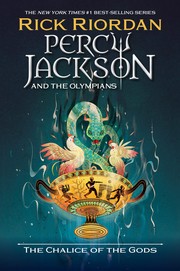
The Chalice of the Gods
Percy needs three recommendation letters from three gods to apply to college, so his first quest is recovering a stolen chalice from the god of old age.
2,106-word summary · 9 min read
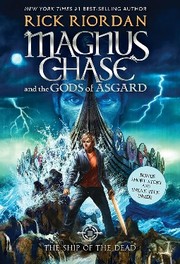
The Ship of the Dead
Magnus and his crew sail to the edges of the Norse worlds to stop Loki from launching Naglfar, the ship of the dead.
2,426-word summary · 11 min read