

Firekeeper's Daughter
3,035-word summary 13 min read 494 pages in the book
- First published
- 2021
- Publisher
- Henry Holt and Co.
- Pages
- 494
- ISBN
- 9781250766564
Reading options
What's inside (8 sections)
I picked up Firekeeper's Daughter because a coworker would not stop talking about it at lunch. She said it was a mystery but also about family and hockey and being Native in a border town. I am usually slow with books over 400 pages, and this one runs 494 pages in the 2021 Henry Holt and Co. edition. It sat on my nightstand for a week while I finished something shorter. Then I read the first forty pages late one night and stayed up too long. The voice pulled me in. Daunis Fontaine is 18, out of high school, not yet in college, living at home on Sugar Island near Sault Ste. Marie. She is Ojibwe through her father and French through her mother, and that split shapes almost every choice she makes. I liked her right away, even when she frustrated me.
What surprised me was how grounded it felt. This is Angeline Boulley's debut, and you can tell she knows this place. The island roads, the ferry times, the hockey rink crowds, the aunties who notice everything, the way news moves fast in a small community. Daunis is grieving her uncle and her grandmother when we meet her. She has put off leaving for college to care for her mother, who is dealing with health issues after an accident. She tells herself it is only for a semester. Her friends are scattering to schools and jobs. She feels stuck and useful at the same time. That feeling of being needed at home while wanting more is something I recognized from my own family.
Daunis pays close attention to how bodies work and how plants work. She learned a lot from elders and from watching relatives who know traditional medicine. She also likes the lab side of things, how samples get tested and what results can prove. Hockey is everywhere around her too, at school games and backyard rinks and talk at the diner. I will keep this general because I do not want to overstate team rosters or positions, but hockey matters to her family and to the boys she grew up with. It is background and pressure and fun all at once. The book lets those interests sit side by side without making her pick one.
Growing up between two families on Sugar Island
Daunis introduces her world slowly, and I mean slowly. She lives with her mother in a house full of memory. Her mother's French family has money and standing in Sault Ste. Marie. Her father's Ojibwe family is rooted on Sugar Island, with cousins and aunties and community ties that go back generations. Daunis is enrolled with the tribe and close to that side, but she also moves through her mother's world. She notices who treats her as fully belonging in each place and who keeps a little distance.
Early scenes stay close to home. She visits elders. She helps with cooking and family gatherings. She thinks about her uncle, who died recently, and her grandmother, whose loss still sits heavy. She talks with her mother about college plans and money and what care looks like day to day. There is a lot of detail here about Ojibwe language, food, tobacco offerings, prayers, and rules for showing respect. I learned a great deal, and at times I felt like class was in session. Some readers will love that. I mostly did, though I sometimes wanted the plot to move.
Levi enters here as part of that family circle. He is close to Daunis, someone she grew up with as a brother, part of the same hockey and cousin crowd. They tease each other in the easy way of people who have shared a thousand rides. He is charming and a little careless. He loves being liked. Daunis looks out for him even when she is annoyed. You get the sense she has covered for him before and will again. That bond matters later when trouble touches people their age.
Aunt Teddie is another anchor. She is Daunis's aunt, older and blunt, connected to tribal law enforcement work. She jokes loud and hugs hard and does not miss much. When Daunis is unsure, Aunt Teddie is the person who tells her straight. I liked their scenes together because they felt lived in. Teddie brings food, asks about boys, then asks a sharper question that shows she is tracking more than gossip. The book does a good job showing how aunties can be both comfort and warning system.
Overdose deaths and a quiet offer
The mystery starts with loss. Young people in and around the community start dying. At first it looks like separate bad decisions. Then the pattern gets hard to ignore. An overdose here, a strange accident there. Parents whisper. Tribal meetings get tense. Daunis hears things at gatherings and at the rink. She knows some of the names. That closeness makes it hurt more than a headline.
She also meets Jamie Johnson around this time. He is new, good looking, into hockey, staying with family for a while. He fits fast into pickup games and parties. Daunis is wary but interested. He listens well. He asks about the island without acting like a tourist. He seems to respect elders. My guard went up a little because he was almost too smooth, but Daunis is 18 and lonely and tired from caretaking, so I understood why she let him in.
Then comes the turn that sets the book in motion. Law enforcement officers approach Daunis quietly. They have been watching the deaths and they believe a drug ring is moving something dangerous through the area. They think the product is being altered or cut in a way that makes it extra risky. They want Daunis to help. She knows people, she is trusted, she notices details about health and behavior, and she can go places outsiders cannot. They ask her to act as a confidential informant and pass along what she sees and hears.
She says yes, though not fast. Part of her wants justice for friends and neighbors. Part of her does not trust the FBI or outside police to care about Native victims the same way. That tension never really leaves. The agents promise protection and limits. They use words that sound clean in an office and messy on the island. Daunis agrees to observe and report, to keep her normal routine, to be careful with texts and meetings. I felt nervous for her from that point on. Every party scene has a second layer after this.
Jamie turns out to be part of that operation. He arrived looking like a hockey guy passing through. In truth he is working undercover for the FBI, sent to build ties and gather information. When Daunis learns this, it lands hard. She liked him. Maybe more than liked. Now she has to rethink every conversation. Was he kind because he felt it or because it helped his cover. The book handles this well. Jamie is not painted as cruel. He has orders and he has feelings and those things tangle. But Daunis has good reason to feel used. I kept flipping between sympathy and anger for both of them.
Jamie, Levi, and learning who to trust
The middle of the book is a long stretch of watching and waiting. Daunis goes to parties, games, bonfires, and family events with new eyes. She notes who shows up with whom. She notes who has money suddenly, who is jumpy, who leaves rooms to take calls. She tries to act normal around Levi and her other friends while carrying a secret that would scare them. That split wears on her. She snaps at her mother. She cries in the car. She prays and second guesses.
Levi worries her most. He is in the age group getting hit. He runs with a crowd that likes to party, and some of those kids seem connected to the supply moving around. Daunis does not want to believe he could be involved in anything serious. She also cannot ignore signs. She asks casual questions that are not casual at all. He deflects with jokes. He tells her she worries too much. He tells her she acts like his mom. Those scenes hurt because you can feel the old closeness stretching.
Jamie stays near through all of this. They skate together. They talk late. They compare notes in careful language when no one is listening. He trains her a little on how to remember details, how to stay safe, how to leave a situation. He also keeps things from her. He answers to other agents. He has to weigh her safety against the case. There are times he pulls back to protect her and times he pushes her to get closer to risky people. Daunis calls him on it. She is not a prop. She reminds him she said yes to help her community, not to build his career.
I found these chapters both strong and trying. Strong because the emotions felt true. Daunis likes Jamie but resents the setup. She loves Levi but fears for him. She wants to trust Aunt Teddie fully but cannot tell her everything without breaking the agreement and maybe putting family at risk. Trying because the pace slows. There are many scenes of hanging out that look similar on the surface. A reader who wants a fast thriller may get restless. I did in spots. I kept thinking, okay, I see the pattern, let us move.
One thing that helped me stay with it was the small physical detail. Boulley writes hands, eyes, breathing, stomach drops. When Daunis is scared at a party, you feel the heat of the room and the thump of music and the way she counts exits. When she is on the ice or near it, you hear blades and boards. When she is with elders, you smell cedar and food and hear low voices. Those bits kept me present even when the plot circled.
Aunt Teddie, teachings, and lab notes
Aunt Teddie grows more central as the deaths continue. She has her own view of what justice should look like. Outside agencies come and go, she says in effect, but the tribe stays and buries its own. She wants answers that hold up in tribal contexts too, not only in federal files. Daunis leans on her without telling her the full truth, which creates guilt. Teddie senses hiding and names it. Their talks mix humor and scolding. One minute they are laughing about a cousin's cooking, the next Teddie is asking why Daunis looks so tired and who she was with last night.
The book weaves in teachings here in longer passages. Daunis thinks about the Seven Grandfathers, about firekeeper roles, about what her father and uncle taught her on the water and in the woods. She remembers stories about plants that heal and plants that harm. She thinks about how knowledge is passed and who gets to carry it. I found some of this beautiful. A scene where she prepares an offering before asking for guidance stayed with me. It felt private and respectful, not staged.
At the same time she is learning how the lab side works. She watches how samples are collected, how chains of custody matter, how test results can confirm or break a hunch. She starts to connect what elders taught her about dose and reaction with what agents tell her about synthetic additives and bad batches. The book spends a good amount of time explaining both systems. This is where info dumps pile up. A paragraph about a teaching will slide into a paragraph about chemistry, then back to a memory of her grandmother. I admire the aim, showing two knowledge systems as equal and useful. In practice it slowed me down. I had to reread some pages to track what was story and what was lesson.
There is also strain with her mother's family. Money and status do not protect Daunis from gossip. People in town talk about who she dates, where she goes, why she has not left for school. Her mother worries and hovers. Daunis loves her but needs air. Those home scenes give the book heart. Her mother is not a background figure. She is tired, funny, stubborn, grieving in her own way. Their kitchen talks about faith and safety felt real to me. My mom and I had similar talks at that age, different details, same worry underneath.
The ring tightens
In the last third the danger gets clearer. Daunis sees enough to understand the shape of the operation. It is not one stranger selling to strangers. It involves people she knows, places she trusts, routines that looked innocent. Money moves through hockey travel and parties and small favors. Someone with charm keeps things smooth. Someone with muscle keeps people quiet. The product itself seems unpredictable, which explains why some users get very sick while others seem fine at first. I am keeping the substance details general on purpose, because the book gestures at altered drugs and risky mixes without turning into a textbook, and I do not want to misstate formulas.
A few scenes stand out. A gathering that starts fun and turns wrong, with Daunis trying to help someone who is in trouble while staying in cover. A car ride where she realizes she is less safe than the agents promised. A meeting with Jamie where care and work collide and both of them say things they cannot take back. A family meal where everyone is performing normal while grief sits at the table. Boulley writes fear well without making it flashy. Daunis thinks fast, prays fast, acts fast. She makes mistakes too. She trusts the wrong smile once. She waits too long to tell someone once. Those errors made her more believable to me.
Levi's situation comes to a head in this stretch. I will not spell out every beat because the book earns its reveals, but Daunis has to face that love does not equal safety. Being loyal to family can mean telling hard truths and stepping back. Their scenes together in this part are painful. He wants the old ease. She cannot give it. She sees him both as the boy she grew up with and as a young man making choices that hurt others. I thought about my own cousins here, the ones I would vouch for even when I worried.
Aunt Teddie proves key again. Without spoiling, she helps Daunis see which authorities to trust and when to rely on community ways of holding people accountable. Tribal police and elders are not window dressing. They act. They set boundaries. They remind federal agents that sovereignty matters. I liked that the book does not let outsiders swoop in and save the day. Daunis saves plenty of herself, with help from women who raised her.
The ending brings answers but not neat healing. The ring is exposed enough for arrests and reckoning. Some people cooperate. Some run. Some lie to the end. Daunis learns who knew what and carries that weight. Her tie with Jamie settles into something honest but bruised. She does not excuse what he hid. He does not pretend the job was clean. Whether they have a future feels less important than whether she can trust her own judgment again. I respected that the romance does not swallow the story.
What held and what dragged
What held for me was Daunis herself. She is smart without being a know it all. She is rooted without being perfect at traditions. She asks elders to repeat things. She misreads people. She apologizes. She keeps showing up for her mother even when she is tired. That mix felt like a real 18 year old, not a symbol. The community felt real too. Funny, nosy, generous, strict. I could picture the ferry line and the gym bleachers and the kitchen tables.
The mystery held too, once it got going. The idea of a trusted insider network moving dangerous drugs through youth spaces is scary because it is plausible. Boulley keeps the violence mostly off the page but the fear close. Overdose scenes are handled with care, focused on grief and response rather than shock. The informant setup raises fair questions about consent and risk. Should officers ask a teenager to do this. What does protection really mean when everyone knows everyone. The book does not dodge those questions, which I appreciated.
What dragged is length and teaching load. At 494 pages, this is a big debut. Many passages pause the plot to explain a custom, a word, a plant, a lab step. One or two per chapter would be fine. Here they cluster. I skimmed a few paragraphs on second mention of the same teaching. The science bits sometimes read like notes from research, accurate but stiff. A tighter middle would have raised tension. Friends who love rich cultural detail may not mind. I wanted more scenes like the early home chapters and fewer explainers.
Pacing around Jamie also wobbles. His cover requires him to be vague, which means many talks circle without landing. After the third careful parking lot chat, I wanted someone to just say the plain truth. Levi's arc repeats a little too. Charm, warning sign, joke, worry, repeat. I got it before Daunis admitted she got it, and waiting for her to catch up tested my patience.
Still, I closed the book moved. The final pages center Daunis choosing college and community on her own terms, carrying grief without letting it steer. She honors her uncle and grandmother through action, not only memory. She sets terms with her mother that feel adult. She stands with Aunt Teddie and other women who held her up. That landing felt earned. If you like mysteries rooted in place, with a young woman learning to trust both inherited wisdom and tested facts, give this time. Read it when you can sit with the slow parts. Talk about it after. I am still thinking about that ferry ride home and what it costs to protect people you love.
FAQ
When was Firekeeper's Daughter published?
Firekeeper's Daughter was published in 2021 by Henry Holt and Co. in a 494-page edition. It was Angeline Boulley's debut novel.
Who is Daunis Fontaine?
Daunis is 18, Ojibwe and French, living with family on Sugar Island near Sault Ste. Marie. She delays college to care for her mother and stays close to her tribe.
Is Firekeeper's Daughter part of a series?
No. It is a standalone novel, though Boulley later wrote Warrior Girl Unearthed with related characters and setting.
Similar books

Killer Instinct
Teen profiler Cassie Hobbes rejoins the FBI Naturals to stop a copycat repeating Dean Redding father murders.
2,600-word summary · 12 min read

Kill Joy
Pip hosts a 1920s murder mystery party with her friends, solves the fake case, and feels a real scare that points toward A Good Girl's Guide to Murder.
2,537-word summary · 11 min read

The Naturals
Teen profiler Cassie Hobbes joins an FBI program for gifted teens and hunts a killer tied to her past.
2,401-word summary · 11 min read
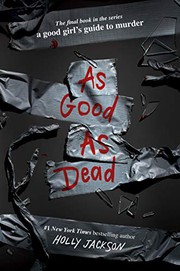
As Good As Dead
Pip faces online threats and a stalker as she investigates a serial case in the trilogy finale.
2,962-word summary · 13 min read

Good Girl, Bad Blood
Pip swears off sleuthing, then podcasts a missing friend case that tests fame and cost.
2,011-word summary · 9 min read
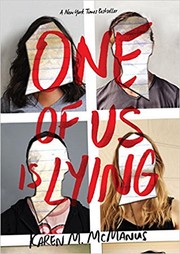
One of Us Is Lying
Five Bayview teens enter detention and Simon dies, leaving Bronwyn Nate Addy and Cooper suspects.
3,158-word summary · 14 min read

A Good Girl's Guide to Murder
Pip reopens a closed murder case for a school project and finds the town wanted it shut.
2,621-word summary · 12 min read

What She Knew
Rachel lets her eight-year-old son run ahead in a Bristol park, and the nine-day search turns her into a suspect in the public eye.
2,952-word summary · 13 min read

The Beach House
A young valet is beaten to death at a Hamptons party, and his law-student brother spends a year building a case against the family that covered it up.
2,049-word summary · 9 min read

The Art Forger
A disgraced Boston painter agrees to copy a Degas stolen from the Gardner Museum, then begins to suspect the original she is copying is itself a forgery.
2,117-word summary · 9 min read

Six Years
A professor who promised to forget the woman he loved sees her husband's obituary and discovers that the wedding, the marriage, and the woman herself may never…
2,076-word summary · 9 min read

How the Light Gets In
Gamache investigates the murder of the last Ouellet quintuplet while the Sûreté he served is dismantled from inside by the man who took his protégé.
2,279-word summary · 10 min read

Bury Your Dead
Recovering from a failed raid that killed his officers, Gamache investigates a murder in a Quebec City library while Beauvoir reopens a case in Three Pines.
2,022-word summary · 9 min read

Anatomy: A Love Story
In 1817 Edinburgh, a noblewoman who wants to be a surgeon disguises herself to study anatomy and falls for the grave robber who supplies her with bodies.
2,031-word summary · 9 min read

The Trespasser
A Dublin Murder Squad detective investigates a staged dinner-party killing and finds a cover-up that reaches into her own department.
2,051-word summary · 9 min read

Rules of Prey
Minneapolis detective Lucas Davenport hunts a killer who leaves a new rule at every scene and treats murder as a game of wits.
1,914-word summary · 9 min read

Ace of Spades
Two Black seniors at an elite academy are celebrated by day and hunted by an anonymous texter in this YA thriller about institutional racism.
2,066-word summary · 9 min read

The Late Show
Exiled to the LAPD night shift after accusing her supervisor, Renée Ballard keeps two cases that were meant to be handed off at dawn: a brutal assault and a…
2,563-word summary · 11 min read

The Black Dahlia
James Ellroy builds a fiction around the real Black Dahlia murder, following two Los Angeles cops whose partnership and obsessions destroy them.
2,533-word summary · 11 min read
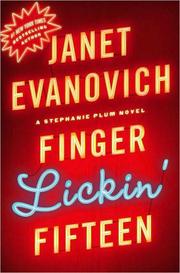
Finger Lickin' Fifteen
Lula sees a celebrity chef decapitated and talks Stephanie into entering a barbecue contest to lure the killers, while Ranger hires her to find a security leak…
2,248-word summary · 10 min read

Cross My Heart and Hope to Spy
Cammie Morgan returns to Gallagher Academy for a second year of spy training, only to fall for a boy from a rival spy school and hunt a mole in her own school.
2,567-word summary · 11 min read

4th of July
Lindsay Boxer shoots two armed teenagers in self-defense, faces a wrongful-death trial, and spends her leave chasing a string of throat-slashing murders in…
2,192-word summary · 10 min read

The Camel Club
Four Washington misfits witness a murder on Roosevelt Island and stumble into a conspiracy that reaches the Oval Office, with a hostage president and a nuclear…
2,354-word summary · 10 min read

I Kissed Shara Wheeler
Shara Wheeler kisses her rival Chloe Green at prom and disappears, leaving a scavenger hunt that forces Chloe to rethink everything she knew about her.
2,083-word summary · 9 min read

Heist Society
A teenage art thief gets expelled from boarding school, then has two weeks to steal five paintings back from a London museum and clear her father.
2,781-word summary · 12 min read

61 Hours
A bus crash strands Jack Reacher in a snowbound South Dakota town where a drug gang, a corrupt police force, and a single witness are on a collision course.
2,227-word summary · 10 min read

The Last Mile
Melvin Mars is hours from execution for his parents' murder when another man confesses, and FBI cold case detective Amos Decker goes looking for the trap.
2,746-word summary · 12 min read

Still Missing
A realtor is abducted at a Vancouver Island open house and held for more than a year. Told through therapy sessions, the novel follows her escape and the hunt…
2,466-word summary · 11 min read

Last Night at the Telegraph Club
The 2021 National Book Award winner follows Lily Hu, a Chinese American teenager in 1954 San Francisco, as she falls for Kath and learns what it costs to be…
2,336-word summary · 10 min read
Fearless Fourteen
Bounty hunter Stephanie Plum babysits a teenager, guards a fading singer, and hunts nine stolen million dollars under her boyfriend's basement.
2,466-word summary · 11 min read