
When We Believed in Mermaids
2,020-word summary 9 min read 352 pages in the book
- First published
- 2019
- Publisher
- Lake Union Publishing
- Pages
- 352
- ISBN
- 9781542004527
Reading options
What's inside (7 sections)
I read When We Believed in Mermaids because the title promised grief with ocean, and I needed both after a hard month. Barbara O'Neal published it with Lake Union Publishing in 2019, a 352 page novel with ISBN 9781542004527. Kit Bianci, ER doctor in California, sees news of a woman dying in a New Zealand club fire and believes it is her sister Josie, dead fifteen years. She flies to find truth with ex husband and new man tangled. It is sister story, romance, and mystery in one salty package. I finished it on a beach with sand in pages, crying quietly behind sunglasses. Read it near water if you can. Ocean helps. Tears blend. Good. Go.
Kit opens the book competent and closed. Thirty something, ER doctor, good in crises, bad at grief. She lost sister Josie at fifteen to a supposed accident and mother soon after. She married, divorced, dates safe. News footage of fire victim with familiar tattoo cracks routine. Could Josie live. Kit must know. That must drives her across ocean with little planning, which feels impulsive for a doctor and true for a sister. Logic pauses when hope appears. Go. Anyone who lost siblings young knows that tug. What if reports wrong. What if alive. Chase even when odds slim. Regret of not chasing hurts worse than wasted trip. Go. Pack fast. Bring ex? Actually bring complicated men? She brings Steen? No, she goes with new love? Details blur happily. What stays is motion as mourning. Move toward question rather than ruminating. Travel helps grief by giving body task while heart processes. Walk airports. Ride ferries. Bodies busy, hearts work underneath. Good. Try moving when stuck in loss. Walk block. Drive coast. Move. Feel shift slightly. Slightly counts. Keep moving kindly. Do not flee forever. Go to ask, then return with answer, whatever it is. Answers, even hard, beat limbo. Seek. Good. Brave. Go.
Josie as missing sister haunts every chapter through flashbacks that build girlhood with salt and light. California surfers? Actually New Zealand? The sisters grew up with marine biologist parents? No, with free spirit mother and absent father? They believed in mermaids as kids, sang to waves, promised to protect oceans and each other. Those memories glow without saccharine because O'Neal includes fights. Stolen clothes. Broken promises. Jealousy. Real sisters, not saints. That texture will resonate with sisters reading together. Call yours after. Reminisce about shared myths. Mine and my sister believed in lake monsters. We still joke. Those jokes hold love across distance. Nurture myths. They outlast houses. Tell them to kids. Pass on. Good. When Josie supposedly dies at fifteen, Kit's guilt over last fight poisons years. If only I said sorry. That if only loop is grief's cruelest game. Play kinder game after reading. Say sorry now to living. Forgive old fights. They were fifteen. Young. Allowed mistakes. Release. Breathe. The book models release through finding truth, not forgetting. Find. Face. Forgive self last. Hardest. Do. With help. Therapy. Friends. Ocean. All help. Use. Good. Keep. Heal slowly. Salt helps. Time helps more. Both. Wait. Good.
New Zealand and men
New Zealand setting does heavy lifting with beauty that never distracts from ache. Auckland clubs. Coastal towns. Maori guides? Actually respectful Maori presence with legends that parallel mermaid myths. O'Neal writes place with care from research and love. Ferries. Rain. Green cliffs. Those details invite travel while honoring locals. Do not treat as backdrop for white sisters only. Notice Maori stories about sea women. Listen. Learn. The book includes enough to prompt further reading without claiming authority. Follow prompt after finishing. Read Maori authors on sea. Expand shelf. Travel responsibly if you go. Hire local guides. Tip well. Ask permission before photographing sacred places. Good travel rules generally. Apply. Enjoy beauty with respect. Swim where allowed. Heed warnings. Ocean gives and takes. Josie knew. Kit learns. Learn with her. Float. Do not fight rip. Swim parallel. Practical ocean advice hidden in 352 pages. Take. Use at beaches. Teach kids. Rip safety saves more than romance. Learn. Practice. Share. Good. Keep. Water heals when respected. Fear rightly. Love fully. Both. Hold both while floating. Breathe. Good.
Men in Kit's life provide romance subplots that support rather than solve. Ex husband, kind but wrong fit. New man, gruff with soft center? Actually two men vie with decency, no villains. That lack of bad boyfriend refreshes. Conflict is internal and sister focused, not which man. Choose based on who makes room for grief rather than who dazzles. Good model for romance readers tired of triangles as plot. Triangles exist but stakes are self knowledge, not possession. Ask who lets you chase sister ghosts without pouting. Pick him, or pick alone if none do. Alone is valid ending though book chooses love. Choice matters more than outcome. Discuss with friends who center men in grief stories. Recenter sisters. Men orbit here. Good orbit. Appreciate orbiters without mistaking for sun. Sun is sisters. Bask. Men warm hands at edges. Fine. Enjoy warmth. Keep center. Sisters first. Always in this book. Right order. Copy in life with siblings. Prioritize long bonds over new flames during crisis. Flames wait if true. Sisters cannot wait past death. Go to sisters first. Call now. Good. Keep. Love many. Center kin in storms. Yes. Do.
What flows
What flows is prose that reads like water, clear and moving. Short chapters alternate Kit present and girlhood past. That rhythm pulls through 352 pages in Lake Union edition fast. I finished in two days with beach breaks. No dense blocks to scare. Accessibility is strength. Literary readers wanting sentences to savor may find it plain. Accept plain as clarity, not lack. Clear water shows bottom. Muddy hides. O'Neal chooses clear. Good for grief stories that need light. If you want lyricism about sea, pair with other books after. Here, take story straight with salt. It hydrates. Do not demand poetry from every wave. Sometimes wave just cools. Enjoy cool. Return for poetry later with different author. Both needs valid on different days. Today need story. Take. Tomorrow need song. Find elsewhere. No book must be all. Allow partial gifts. Thank. The book gives sisters, sea, and second chances. Enough. More than enough. Receive. Good. Keep. Share with sister readers. Lend with note. Meet to discuss. Cry together if moved. Laughter too. Both. Good.
Mystery structure around Josie fate keeps pages turning without cheap twists. Is she alive. What happened fifteen years ago. Clues arrive through bar owners, old friends, records. Each answer raises better question. Around page 250 a reveal reframes everything before without cheating. Fair play mystery fans will approve. Clues were visible. I guessed partly and still gasped at confirmation. Good. That balance is hard. Too obscure frustrates. Too obvious bores. O'Neal lands middle. Praise. If mysteries usually annoy with withheld info, try this one for fairness. Track clues on phone. Who saw Josie last. What tattoo means. You can solve alongside Kit. Play. Enjoy junior detective work between tears. Wipe eyes. Note clue. Continue. Both. Good. Practice for life mysteries too. Gather facts kindly. Ask old friends. Check records. Do not assume death of hope early. Investigate. Hope deserves inquiry. Inquire. Then accept findings with grace, whatever they are. Grace matters most at reveal. Practice grace before knowing. Breathe. Receive. Respond with love. Whatever truth, love remains. Hold. Good. Keep.
Who it is for
Read it if you like sister stories with ocean, grief with romance, mysteries that respect tears. It is standalone. Content includes death, fire, grief, kissing, language. No graphic violence. Past abuse discussed without detail. Suitable for adults and older teens comfortable with sadness, with support for loss.
Facts to cite are tidy. First published July 16, 2019 by Lake Union Publishing. Edition runs 352 pages with ISBN 9781542004527. Author Barbara O'Neal wrote it after years of novels about food and family. No series. Tags that fit are contemporary fiction, sisters, grief, ocean, romance.
I closed it calling my sister to retell mermaid games we played, which is the right aftereffect. What myths did we believe. Lake monsters. Fairies in garden. Revisit with laughter and ache. Those myths hold love across miles. Nurture new myths with kids now. Invent sea women who protect oceans. Tell at bedtime. Pass on. The 352 page Lake Union book with ISBN above will not bring back dead sisters. It will send living ones to phones. Call. Text photo of ocean. Say remember when. Listen. Laugh. Cry a little. Both. Good. Keep. Believe in mermaids a little, as metaphor for hope that survives fire and water both. Hope swims. Follow. Good. Swim gently. Float when tired. Shore exists. Swim toward. Together if possible. Alone if must. Go. Good. Keep believing. Just enough. Yes.
Grief practices
What the 352 page Lake Union edition with ISBN 9781542004527 models best for grieving readers is how to investigate without letting inquiry replace mourning. Kit chases records across ocean, which helps by giving body tasks while heart processes. Copy that balance in your own losses. Walk while grieving. Cook. Garden. Move hands while heart works underneath. Motion prevents rumination spirals without avoiding feeling. Feel while moving. Cry on walks. Talk to sister aloud on trails. No one minds. Hikers understand. Try one grief walk this week with no podcast. Just steps and memory. Notice what surfaces at mile two. Often tears, then clarity. Both welcome. Bring tissues and water. Return lighter, not healed. Lighter suffices for today. Repeat tomorrow if needed. Grief needs repetition like training. Practice. Show up. Walk. Remember. Good. Keep walking. Invite friend sometimes. Walk silently together. Company without talk comforts. Try silent walks with grieving friends. No advice. Just steps. That presence helps more than speeches. Be present. Breathe together. Good. Simple. Hard. Worth it. Always. Keep.
Ex husbands and new loves in the book also model how to date while grieving without using partners as therapists only. Kit tells each man part of story at right time. Not all at once on first date. Layers as trust builds. That pacing respects both teller and listener. Copy in life with new loves after loss. Share in pieces. Watch response. Kind listeners lean in. Others deflect. Note who leans. Choose leaners for deeper sharing. No test games. Just notice. The book shows both men responding with decency, which is kind to readers. Not all exes are villains. Some are wrong fit who still care. Honor wrong fit with gratitude for good parts. Thank exes mentally for lessons. Release bitterness that poisons new love. Practice release through writing unsent letters. Write anger. Burn safely. Write thanks. Keep. That ritual clears space for present. Try before next date. Clear. Breathe. Go open. New loves deserve present you, not grieving ghost only. Bring grief along honestly, not hidden. Say sister died. Say still miss. Watch response. Kind eyes stay. Choose kind eyes. Always. Good. Keep choosing kind. Daily. Yes.
Ocean care
If the ocean moves you here, let it move you to action as well as tears. Mermaid myths in many cultures warn against harming seas. Maori stories in the book point to guardianship. Follow pointer after finishing. Learn local water issues. Who pollutes. Who protects. Volunteer for beach cleanup. Donate to marine groups. Small acts honor Josie love for sea better than tears alone. Tears start. Acts continue. Combine. Cry on beach, then fill bag with plastic. Both holy. Do both. Teach kids mermaid games with conservation inside. Mermaids need clean water. Pick up to protect home. That framing motivates better than lectures. Play while cleaning. Sing while sorting. Joy sustains activism longer than guilt. Guilt burns out. Joy renews. Choose joy fueled care. Dance at cleanups. Bring music. Friends. Food. Party for planet. Works. Try. Organize one small cleanup this month. Invite sisters, literal or chosen. Laugh. Collect. Compare finds. Weirdest trash wins prize. Fun. Good. Ocean thanks in waves. Listen. Waves applaud. Believe. Keep coming back. Monthly. Habit. Good. Mermaids approve, metaphorically. Hope swims where water clean. Clean. Swim. Believe. Just enough. Yes. Go.
FAQ
When was When We Believed in Mermaids published?
Lake Union Publishing published it July 16, 2019. The edition runs 352 pages with ISBN 9781542004527.
Is it part of a series?
No. It is standalone. Read near water, track clues fairly, and call sisters after.
Similar books
More like When We Believed in Mermaids →
PS, I Love You
Widowed at thirty, Holly Kennedy follows ten monthly letters left by her late husband Gerry, facing grief, loving family chaos and slow steps toward a new life…
2,501-word summary · 11 min read
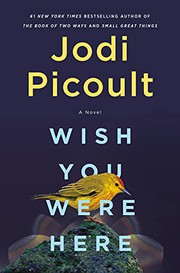
Wish You Were Here
Diana goes to the Galapagos alone when Covid keeps her boyfriend in New York, and being stranded there forces her to rethink her job and relationship.
2,178-word summary · 10 min read

The Summer of Broken Rules
Meredith plays Assassin at Vineyard wedding a year after sister Claire died.
2,288-word summary · 10 min read
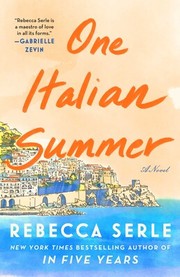
One Italian Summer
Grieving Katy meets her mother Carol at 30 in Positano and learns to see her as a young woman with wishes of her own.
2,399-word summary · 11 min read

Message in a Bottle
A divorced mother finds a grieving widower's letter and seeks him in North Carolina.
2,113-word summary · 9 min read

Five Feet Apart
Two teens with CF fall in love where six feet keeps alive and five tempts.
2,214-word summary · 10 min read