
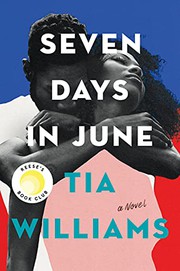
Seven Days in June
3,292-word summary 15 min read 336 pages in the book
- First published
- 2021
- Publisher
- Grand Central Publishing
- Pages
- 336
- ISBN
- 9781538719107
Reading options
What's inside (8 sections)
I picked up Seven Days in June because a friend kept texting me about it during a heat wave in July. She said it was funny and sad in a way that felt true for anyone who had loved someone at seventeen and then had to act normal at thirty five. I was tired that week and wanted something with pace. What I got was a book I finished in two sittings, then sat with for a few days after. First published in 2021 by Grand Central Publishing, this edition runs 336 pages, and it follows Eva Mercy and Shane Hall across seven days in Brooklyn after fifteen years apart.
Eva Mercy is a single mother who writes erotica for a living. Shane Hall is a literary writer with awards and a serious reputation. They were each other's first big love as teens in a difficult time, and they have not spoken in years when the story opens. The setup sounds simple. Two writers in the same borough for the same week of events. Old sparks. New problems. But Tia Williams fills that frame with chronic pain and parenting pressure. Past trauma sits under the humor. Black art and friendship give the week warmth. Banter rarely stops. The adult scenes are present and frank, and I will keep them general here. The focus stays on what the week forces both people to face.
I liked it a lot, and I also argued with parts of it. The talk is so good that plot sometimes coasts. Some hard history gets handled in quick flashes. The ending lands happy, as promised, but it arrives fast. I will get into all that as I walk through the week in order.
A Brooklyn week I did not want to leave
The book opens on Eva in her daily life before Shane reappears. She lives in Brooklyn with her teen daughter. She works to deadlines. She manages money with care. She deals with bouts of chronic pain that shape how she plans days, how she sleeps, how she sits at readings, how she says yes or no to nights out. Williams keeps the medical detail general, which I appreciated. You understand that pain is a regular part of Eva's life without the story turning into a case study. It affects work and mothering, and Eva has learned to push through while also knowing when she cannot.
Eva's career is a fun twist. She writes bestselling erotica under pressure to deliver the next book. People around her sometimes treat that work as less serious than literary fiction. Eva knows better. She takes craft seriously and she pays rent with it. Her voice on the page is quick and warm, and her real life voice matches. She jokes with her best friend. She texts with her agent. She packs lunches and remembers permission slips while revising chapters. That mix of ordinary parenting and bold professional life hooked me early. I have read many romances where the heroine has a cute job with no deadlines. Eva has deadlines, a kid who notices everything, and a body that hurts.
Brooklyn itself feels lived in. Block parties and stoops. Bookstores with folding chairs. Bars where writers actually talk shop. School hallways. Kitchen tables with bills sorted into piles. Williams writes food and clothes with care, and she writes Black community life with ease. Friends drop by. Neighbors comment. Nobody needs to explain every reference. That ease made the reunion hit harder when it comes, because Eva has built a full adult life that does not have room for disruption. Then Shane Hall walks onto a panel and sits a few feet away.
What I felt in these early pages was relief. Here was a romance with a heroine in her late thirties who has stretch marks and a mortgage mindset and a group chat. She is not waiting to be chosen. She is tired, funny, competent, and a little guarded. When the past knocks, she does not swoon. She calculates. Can I afford, in time and sleep and heart, to open this door for seven days and then close it again. That question drives the whole book.
A small note on pace. The first fifty pages move fast between present life and flashes of teen memory. If you like slow scene setting, you may feel rushed. I liked the speed because it matched Eva's brain. She processes fast to stay ahead of pain and work. Still, a couple of early jumps from kitchen to flashback to panel took me a beat to place. Once the timeline settles, it flows.
Eva Mercy has a schedule and a secret ache
Eva's day to day is the heart of the second stretch. She parents a smart teen daughter who is funny and observant and testing boundaries. Their scenes are some of my favorites. They tease each other about music. They negotiate curfews. They talk about books in a way that shows real trust. Eva tries to be honest without parentifying her child. She wants her daughter to feel safe, not worried about money or health. That effort costs Eva sleep. Williams shows that cost without making Eva a martyr. Eva loves her work. She loves her kid. She is worn out in the normal way plus pain on top.
Work pressure builds. Eva owes pages. Her agent wants an outline. Her editor wants heat with heart. Eva wants to write something true without exposing herself too much. The irony is clear. She writes desire for a living while keeping her own desire boxed up since her teen years ended badly. She dates a little, or tries to, but nothing sticks. She tells herself she is fine. Her friend tells her she is hiding. Both things can be true, and the book lets them sit side by side for a while.
The chronic pain thread runs through all this. Williams does not name a rare diagnosis to show off research. She keeps it at the level of lived experience. Flare days. Good days. Heating pads and careful shoes. Plans canceled last minute. Shame about canceling, then anger at the shame. Eva has learned tricks over the years. She stretches. She rests when she can. She keeps humor handy. Pain makes her practical about pleasure, which becomes important when Shane returns. She does not have time for games. If she gives hours to someone, those hours matter.
Past trauma sits under the schedule. As a teen, Eva went through hard things at home and in foster care contexts that the book reveals in pieces. Williams handles this in short flashback bursts rather than long chapters. I have mixed feelings about that choice, which I will come back to. For now, what matters is that Eva learned young to leave before she could be left, to write her way out, to make jokes when rooms got tense. Those habits helped her survive and build a career. They also make it hard to let Shane see her fully now.
I found myself rooting for Eva in a personal way. I am not a single parent, but I know what it is to run a calendar around a body that does not always cooperate. The book respects that math. When Eva chooses to stay up late talking to Shane, you feel the price she will pay the next morning. When she chooses rest over a party, you feel the win. Those small choices built more romance for me than grand gestures.
Shane Hall walks back in
Shane Hall enters as both rumor and man. In the world of the book, he is a respected literary novelist. He wins prizes. He teaches and headlines festivals. He writes serious books about family and loss that critics praise. In Eva's memory, he is the boy who knew her before she had armor. They met as teens when both were carrying heavy home lives. They read each other's drafts. They made each other laugh in stairwells and on buses. Then life split them in a painful way neither fully processed.
Their first adult meeting is awkward in a good way. A panel. A green room. A hallway where they both pretend to check phones. Williams writes this kind of social comedy well. Writers being polite while freaking out inside. Agents watching like hawks. Audience members asking earnest questions. Eva tries to stay professional. Shane tries to stay cool. Neither succeeds. The banter starts fast, and it is the kind of banter that shows history. Short cuts. Shared references. Teasing that lands because they know where the soft spots are.
Shane, it turns out, has carried Eva with him for years. His fiction circles the same loss. He has not dated well either. He works too much. He drinks more than he should at events. He has his own trauma from teen years, including family instability and loss that the book reveals gradually. Like Eva, he learned to function. Unlike Eva, he had public success that isolated him further. People want pieces of him. He gives interviews instead of answers. Seeing Eva cracks that routine.
What I liked is that Shane is not written as a savior. He is talented and kind in flashes, and also avoidant and prideful. He wants a second chance but he does not know how to ask without performing. Eva calls him on that. Their early talks swing between flirtation and friction. He remembers her coffee order. She remembers his tell when he lies about being okay. He offers help with her career. She refuses help she does not need. That push and pull felt adult. Two people with public faces negotiating a private past in public rooms.
The seven day clock starts to matter here. Both are in Brooklyn for a short run of events. Readings and parties. School pickups for Eva. Interviews for Shane. They agree, more or less, to spend time without promises. Walks. Late texts. A panel that turns personal. A drink that lasts three hours. The city helps. Warm nights. Crowded trains. A bookstore basement that smells like paper and rain. Williams lets Brooklyn hold them for a week outside normal rules, and you start to dread day eight.
Seven days of talking and dodging the past
The middle of the book is mostly conversation, and I mean that as praise with a caveat. Eva and Shane talk in green rooms, in cars, on stoops, in kitchens after the kid is asleep. They talk about books and money. About mothers and foster homes. About who left whom and why memory differs. They trade jokes about literary fame versus erotica sales. They compare notes on writing sex versus writing grief. The dialogue is quick and often very funny. I laughed out loud twice on a train, which earned me looks.
The structure alternates present scenes with teen flashbacks. Young Eva and young Shane meet in a rough patch of adolescence. They bond over notebooks. They hide in libraries. They learn each other's family stories in bits. They fall hard in the way teens do when adults are unreliable. Then a crisis hits that neither teen has tools to handle. The book parcels this out slowly. A scene here. A hint there. You build the picture across the week just as adult Eva and Shane rebuild trust across the week. The parallel works. Past and present explain each other without long lectures.
Intimacy returns before honesty does. That felt true to me. They fall into physical ease first because bodies remember what minds try to forget. Williams writes adult scenes with heat and care, and I will leave detail aside. What matters for the story is what happens after. Jokes to cover nerves. Care around pain. Checking in. Morning awkwardness. Eva worries about her daughter hearing or sensing too much. Shane worries he is repeating teen patterns of escape. Both worry the week will end and leave a mess. They keep meeting anyway.
This is also where my criticism sharpens. The banter is so strong that it sometimes papers over plot gaps. A scheduling conflict disappears. An agent concern fades. A friend who should object stays quiet so the leads can have another long talk. I did not mind much in the moment because the talks are good, but looking back, the middle coasts on charm. If you want tight event plotting, you may notice threads that go slack. If you read romance for voice and emotional build, you will likely forgive it as I did.
The other issue is trauma shorthand. Both leads carry serious teen wounds involving family loss and unstable care. The book signals these with brief vivid flashes rather than sustained scenes. That choice keeps the romance center stage and avoids misery reading. It also risks making big wounds feel summarized. A late reveal about a specific loss hit me, but I wished one earlier scene had stayed longer instead of cutting away with a joke. Humor is Eva's shield, and sometimes the book lets the shield work too well. We laugh and move on when staying might hurt in a useful way.
Still, the week builds to a point where dodging stops working. Eva's pain flares at a bad time. Her daughter needs attention that cannot wait. Shane gets an offer that would take him away. A public moment forces private truth. They have to say what happened at seventeen in plain words, not jokes. That scene, when it comes, is worth the wait. No speeches. Just two tired adults naming harm and asking if repair is possible.
What the middle gets right about mothers and work
One reason this book has stuck around since 2021 is how it treats motherhood and creative work without clichés. Eva loves her daughter fiercely and also loves writing books that some parents at school would side eye. Williams does not make Eva apologize for either. School scenes show Eva code switching with ease. She can talk college essays with other parents and talk story structure with her editor in the same afternoon. Her daughter is proud and embarrassed by turns, which is exactly right for a teen with a mom who writes about desire.
The friendship circle helps. Eva has a best friend who tells the truth with humor. That friend watches the kid, brings soup, calls out avoidance, and never becomes a prop. Publishing people appear as real workers too. Agents who care about sales and also about writers as people. Editors who push. Event hosts who are tired. Shane's literary world gets gentle satire. Panels about pain and craft. Parties where everyone networks while pretending not to. Eva moves through both worlds, erotica and literary, and sees the snobbery clearly. She refuses to shrink her work to earn respect, and Shane has to learn to meet her there without condescension.
Money is present in a grounded way. Eva is successful but not rich in a worry free way. Brooklyn costs. Childcare costs. Health costs time even when insurance covers bills. Shane has more money and offers help in ways that could tilt power. The book handles this with care. Eva accepts some help and refuses other help, and the line makes sense for her character. Shane learns that support means listening and showing up for school events and carrying bags on flare days, not writing checks or making calls to fix her career.
Race and art thread through without becoming lessons. Eva and Shane are Black writers navigating mostly white institutions in different genres. They talk about being tokenized on panels, about readers who want trauma on demand, about the freedom of writing pleasure for Black women. These talks feel lived in, not inserted. They also explain why teen Eva and teen Shane clung to each other. Being seen fully, as artists and as hurt kids, was rare then. It is still rare now. That rarity gives the reunion weight beyond nostalgia.
I also appreciated how the book shows writing itself. Eva outlines on index cards. She rewrites openings. She reads dialogue aloud to hear rhythm. Shane annotates drafts in margins. They give each other notes that are actually useful. As someone who likes process detail, I liked seeing work on the page. It made their mutual respect believable. They remain readers who improved each other's sentences at fifteen and still can at thirty something.
If there is a gap here, it is that Eva's writing life sometimes pauses so romance can happen. Deadlines loom, then vanish for chapters. I get why. A seven day romance needs hours. But a couple of check ins about page counts would have kept stakes steady. When work returns late in the book, it feels slightly sudden, though the resolution around Eva owning her next book is satisfying.
The ending and where I pushed back
The last stretch moves fast. Truths come out about the teen split. Apologies are made without erasing harm. Parenting needs collide with romance wants. Career choices clarify. The seven days end, as calendars insist, and both have to decide what the week meant. I will not spoil beats, but the book gives a happy ending that feels earned for this couple. They choose each other with eyes open, with plans that include parenting and pain management alongside romance. The final pages lean into hope without pretending wounds vanish, and I closed the book smiling.
That said, the ending is abrupt in pacing even if right in feeling. A late conflict peaks and resolves in few pages. One apology that needed a full scene gets a shorter exchange plus narration. A family logistics question that took chapters to build gets settled quickly. I wanted ten more pages of ordinary life after the decision. Breakfast and a school run. Let me see the choice hold across a week of ordinary days. Romance readers who love long epilogues may feel shortchanged. I did a little.
My other pushback is about banter as armor. Williams writes dialogue so well that characters joke through moments I wanted them to sit in. A reveal about teen loss gets a funny line that releases tension right when tension should stay. I laughed, then wished I had not been given the exit. This is taste, not failure. Many readers will love exactly this balance. Funny people in real life do deflect with jokes, especially people raised in unstable homes. The book is honest about that habit. I just wanted the narrative to hold the line a bit more and let silence do work in two or three key scenes.
None of that undid the book for me. Seven Days in June works because Eva and Shane feel specific. Eva, with her lists and sharp mouth. Shane, with his awards and teen notebook heart. Their daughter and friend circles feel specific too, even when kept general here. The Brooklyn week feels specific. Hot nights and quiet kitchens after midnight. The love story earns its second chance because both people have changed enough to try again in a steadier way.
Would I recommend it. Yes, to readers who want adult romance that is funny and steamy while taking pain and parenting seriously. Go in knowing it is frank about sex and past harm, and that it moves fast at the end. Bring patience for flashbacks that arrive in pieces. If banter driven books sometimes lose you, this one might test you in the middle. For me, the voices carried the week, and the final choice felt true. I still think about Eva revising at her table while her daughter does homework nearby. That image, more than any kiss, is what stayed.
FAQ
Who are the main characters in Seven Days in June?
Eva Mercy is a single mother who writes erotica, and Shane Hall is a literary writer. They were teen lovers who reunite in Brooklyn for seven days.
When was Seven Days in June published?
Grand Central Publishing published it in 2021. The edition cited here has 336 pages and ISBN 9781538719107.
Is Seven Days in June for younger readers?
No. It is an adult romance with frank scenes, kept general here. It also deals with past trauma and chronic pain.
Similar books

Sam's Letters to Jennifer
A grieving journalist reads her grandmother's letters and finds a decades-long love affair that changes how she sees her family.
2,310-word summary · 10 min read
Wedding Night
Lottie marries an old flame days after a breakup, then flies to a Greek island while her sister quietly works to sabotage the honeymoon. A farce about memory,…
2,213-word summary · 10 min read
The Road Trip
Two exes squeeze into one small car for the drive to a Scottish wedding, with four years of history and one photograph between them.
2,418-word summary · 11 min read
Every Breath
Two strangers share one week at Sunset Beach in 1990, part for duty, and reunite decades later at the mailbox that started it all.
2,357-word summary · 10 min read
Never Too Far
Blaire flees Rosemary Beach after Rush's lies, then must decide if his pursuit and Nan's exposed schemes earn trust again.
2,626-word summary · 12 min read
Something Wilder
Lily Wilder runs staged treasure hunts in Utah until her first love Leo returns and the old legend turns dangerous.
2,556-word summary · 11 min read
Nora Goes Off Script
A romance writer's house becomes a film set and the actor playing her ex stays.
1,982-word summary · 9 min read

The Best of Me
Teen lovers torn apart in small town Oriental reunite twenty years after a friend's death to settle his estate and face the choices that split them.
2,871-word summary · 13 min read

Nights in Rodanthe
Divorced Adrienne and guilt worn surgeon Paul share one stormy weekend at a Rodanthe inn, fall hard, then hold close by letter until loss in South America ends…
3,338-word summary · 15 min read
The Dead Romantics
A ghostwriter who stopped believing in love goes home to bury her father and finds her editor's ghost waiting at the funeral parlor.
2,634-word summary · 12 min read

One True Loves
Emma Blair loses husband Jesse presumed dead, rebuilds life in Acton with fiance Sam, then Jesse returns alive after years missing, forcing a painful choice…
2,418-word summary · 11 min read

Persuasion
Anne Elliot, twenty-seven and unmarried, meets the sailor she once refused when his fortunes rise.
2,063-word summary · 9 min read
Love and Other Words
Childhood friends Macy and Elliot reunite after eleven years apart and face the night that broke them.
2,069-word summary · 9 min read
Every Summer After
Percy returns to Barry's Bay after years away and faces Sam, first love and the mistake that broke them.
2,091-word summary · 9 min read
November 9
Fallon and Ben meet every November 9 for five years with no contact between, until his novel reveals the fire that scarred her.
2,547-word summary · 11 min read
Happy Place
A split couple fakes being together for one last week with friends at a Maine cottage. Emily Henry mixes witty banter, grief, and second chances in this 2023…
2,497-word summary · 11 min read
It Starts with Us
It Starts with Us retold: Lily and Atlas after Ryle, co-parenting, second chances in Boston.
2,216-word summary · 10 min read
Beach Read
Two rival writers share a summer next door, trading genres to beat block and grief.
2,301-word summary · 10 min read

What Happened to Goodbye
Mclean has reinvented herself in four towns since her parents divorced. In Lakeview she uses her real name, and for the first time staying put becomes a choice.
2,796-word summary · 12 min read
The Stationery Shop
Two teenagers fall in love in a Tehran stationery shop in 1953, are separated by the coup and a family deception, and meet again sixty years later.
2,024-word summary · 9 min read

The Japanese Lover
A Polish refugee and the son of a Japanese gardener fall in love in San Francisco in 1939, then keep the affair secret for nearly seventy years.
2,286-word summary · 10 min read

Size 12 Is Not Fat
Former teen pop star Heather Wells investigates two dorm elevator deaths while juggling her ex, her crush, and a size-12 wardrobe.
2,805-word summary · 12 min read

Six Scorched Roses
A dying scholar bargains with a reclusive vampire for blood, and six roses turn a transaction into a slow, dangerous romance.
2,663-word summary · 12 min read

Her Soul to Take
A paranormal vlogger in a cult-run town summons a bound demon, and the only way to survive the god beneath the mine is to give him her soul.
2,089-word summary · 9 min read

First Grave on the Right
Charley Davidson is a private investigator in Albuquerque and the grim reaper. When three murdered lawyers come back as ghosts, her two jobs collide.
2,770-word summary · 12 min read
Austenland
A New York graphic designer obsessed with Mr. Darcy inherits a trip to a Jane Austen theme park, where the fantasy of Regency romance collides with the men…
2,030-word summary · 9 min read

Anatomy: A Love Story
In 1817 Edinburgh, a noblewoman who wants to be a surgeon disguises herself to study anatomy and falls for the grave robber who supplies her with bodies.
2,031-word summary · 9 min read
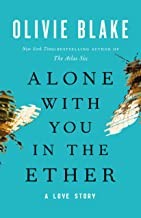
Alone With You in the Ether
Two people in Chicago agree to six conversations, and the experiment becomes a love affair that is also a study of bipolar disorder, obsession, and the shape…
2,713-word summary · 12 min read

Vow of Thieves
Kazi and Jase return to Tor's Watch to find it occupied, and their marriage is tested by captivity, betrayal, and a war for the town of Hell's Mouth.
2,059-word summary · 9 min read

The Shadow Sister
Star D'Apliese steps out of her sister's shadow and follows a bookshop clue into the Edwardian life of Flora MacNichol, a woman who gave up love for duty.
2,260-word summary · 10 min read